

Ayana Bio, Brevel Get Govt Funding to Scale Cell-Cultured Bioactives with Illuminated Fermentation

US startup Ayana Bio and Israeli fermentation specialist Brevel have received $1.25M from a binational fund to scale plant cell culture tech using illuminated fermentation to produce bioactive ingredients.
A new partnership aims to combine plant cell cultivation and illuminated fermentation to create sustainable, high-potency botanicals for the food and wellness industries.
Boston-based Ayana Bio and Israel’s Brevel have been awarded a $1.25M grant from the Binational Industrial Research and Development (BIRD) Foundation, established by the US and Israeli governments in 1977.
It’s part of a larger $7.5M grant pool from the foundation, which has leveraged private sector funding to drive a combined $20M investment. The capital is designed to mitigate R&D risks and accelerate the commercialisation of high-impact cross-border innovations.
Bravel and Ayana Bio have entered into a joint development partnership to explore whether the former’s illuminated fermentation technology can advance the latter’s plant cell culture process for bioactive ingredients.
Breaking down Brevel and Ayana Bio’s future food technologies
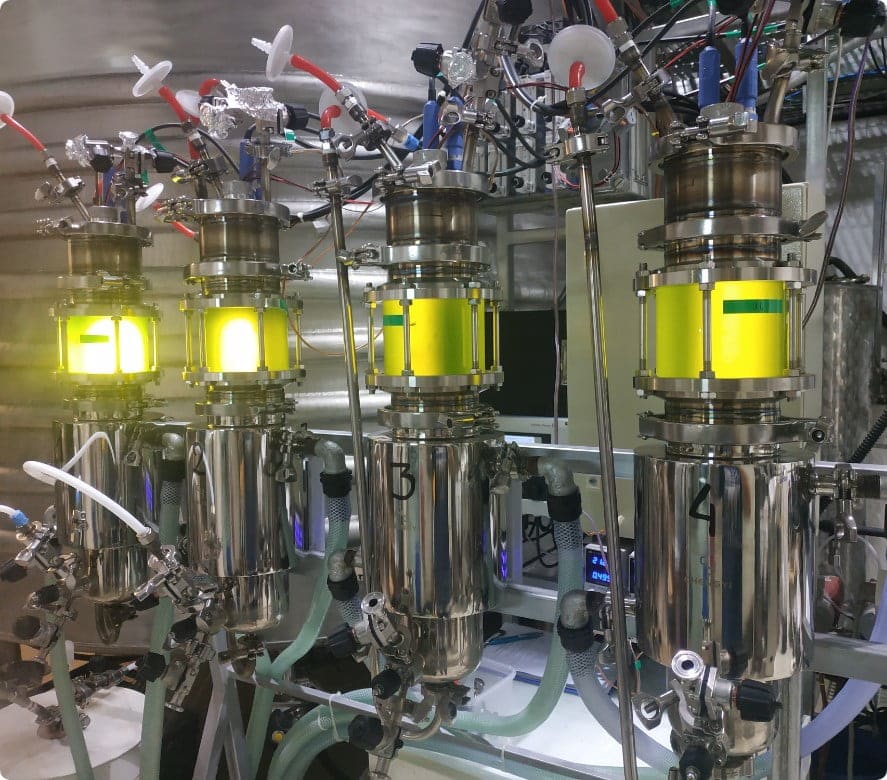
Brevel makes microalgae-derived proteins and lipids by combining light with sugar fermentation in indoor bioreactors. Traditional fermentation – limited to dark environments – produces microalgae at high yields and low cost, but it lacks light-dependent nutrients, functionalities and overall commercial value.
Through this process, it looks to “take fermentation out of the dark”, uniting it with illumination to produce nutrient-rich microalgae without any need for genetic modification. Co-founder and CEO Yonatan Golan has described the tech as akin to “putting an electric motor into a Tesla car”.
Microalgae’s natural makeup of nutrients depends on photosynthesis for their development and growth. Brevel uses a strain from the Chlorella family, a widely commercialised source of single-cell protein already classed as safe for human consumption in the US and the EU.
The startup opened its own 27,000 sq ft commercial factory in southern Israel last year, which can produce hundreds of tonnes of microalgae protein powder every year. It also offers its illuminated fermentation platform as a service to other companies for process validation and commercial scale-up.
This is where Ayana Bio comes in. A spinoff from synbio pioneer Ginkgo Bioworks, the firm leverages plant cell culture to grow a full spectrum of bioactives identical to those found in nature (and even higher potency in some cases).
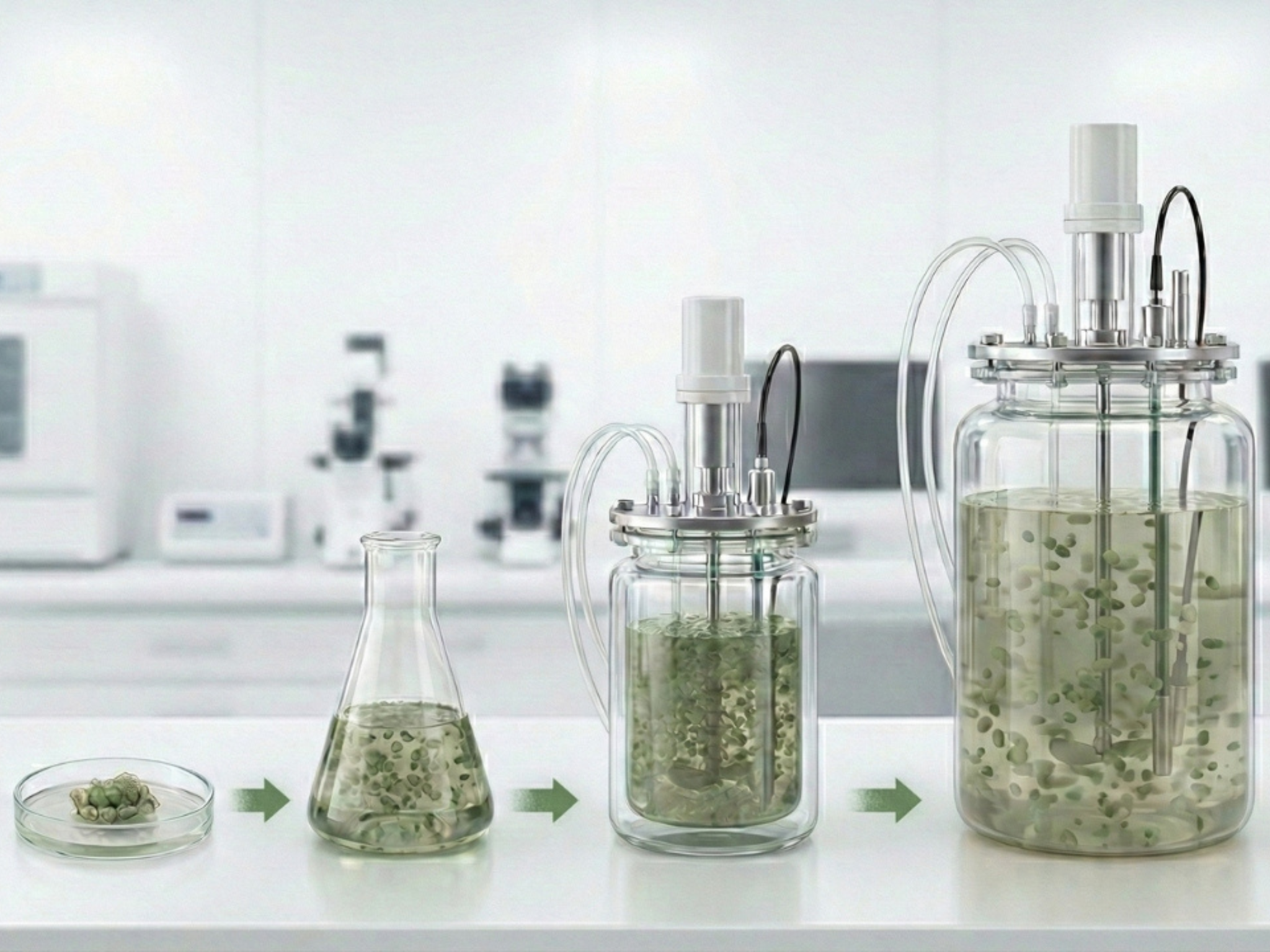
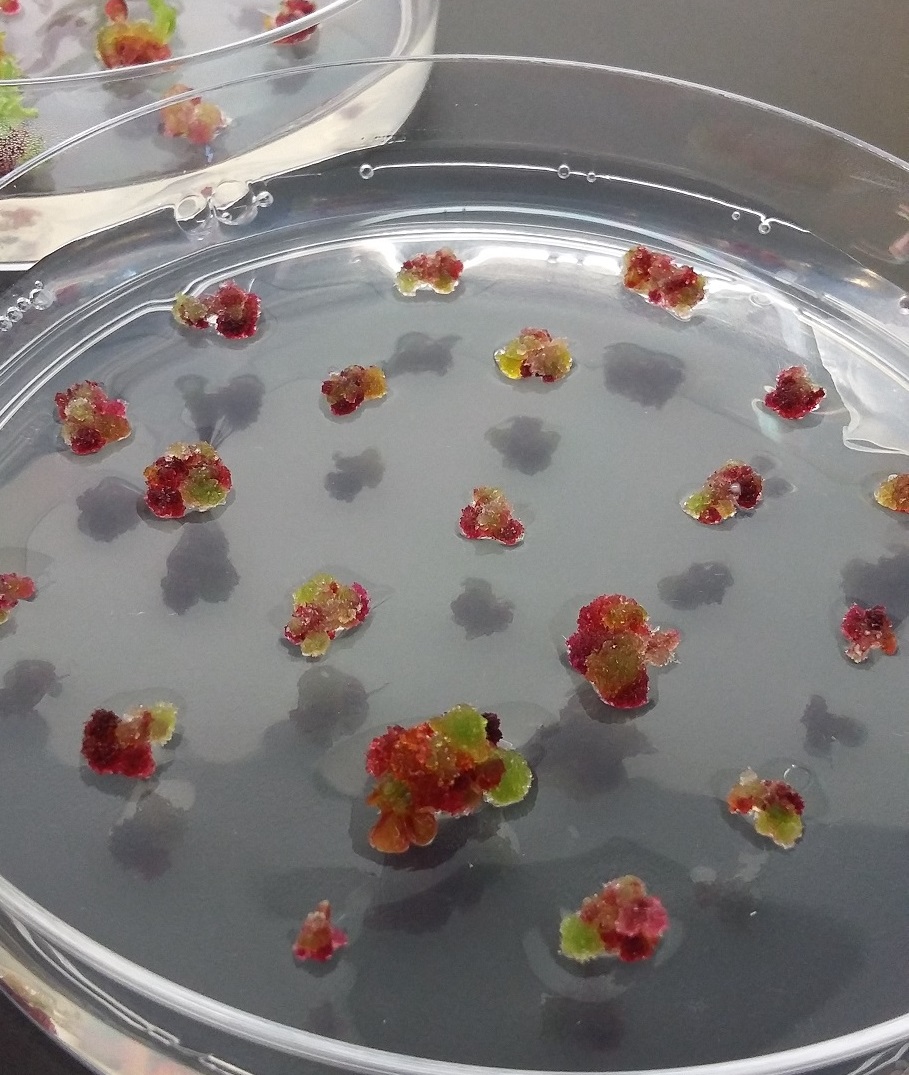
It sources and grows plants in a controlled lab environment to sample tissue from different parts, including flowers, roots and leaves, and identify optimal cell lines to produce bioactives. The tissue is fed with a blend of micronutrients to form callus, which is adapted to liquid media.
Here, both solid and liquid growth environments are screened to assess growth and metabolites produced, ensuring optimal bioactive production. The firm uses technologies like high-throughput multi-omics to identify the most effective cell lines, which are locked in for further optimisation.
Once a cell line has passed product screening, it’s cultivated in a bioreactor to optimise both cell growth and bioactive production. After developing the bioporess, these cell lines are scaled up for commercial production. Ayana Bio then harvests the cells for bioactive compounds, which are either extracted or isolated, depending on customer preference.
Joint venture will address volatile botanical supply chains
In a press release, the companies noted that their tech platforms will combine to address one of the most pressing challenges facing the food and wellness industries: the instability of traditional botanical supply chains.
Climate change, shifting agricultural conditions, and increased contamination risks are worsening the quality and availability of such plant-derived ingredients. But Ayana Bio and Brevel’s synthetic biology platforms can build a predictable, scalable and indoor manufacturing pipeline.
“Our mission at Ayana Bio is to democratize nature’s bioactives by decoupling ingredient production from traditional agricultural constraints,” said Ayana Bio CEO Frank Jaksch. “By integrating Brevel’s unique illuminated fermentation platform, we can further scale our plant cell lines in a controlled, highly efficient environment.”
“This BIRD Foundation grant validates the power of our combined technologies to create standardized, contaminant-free plant ingredients that meet the surging global demand for clinical-grade nutrition and wellness,” he added.
“Brevel’s illuminated fermentation infrastructure was built to unlock the full potential of photosynthetic organisms at a commercially viable scale. Applying this hardware and process engineering to plant cell cultivation allows us to accelerate the transition to a more resilient, sustainable food system,” said Golan, who founded Brevel with his brothers Ido and Matan in 2017.
The joint venture between the two companies is set to provide sustainable solutions for the CPG, dietary supplements and functional food sectors via fermentation and cellular agriculture.
“By combining Ayana Bio’s expertise in plant cell cultivation with Brevel’s breakthrough illuminated fermentation technology, the companies are addressing important global challenges in sustainable ingredient production,” said Jaron Lotan, executive director of the BIRD Foundation.