

Aleph Farms Explains Latest Layoffs As ‘Global Alignment’ of Asset-Light Strategy
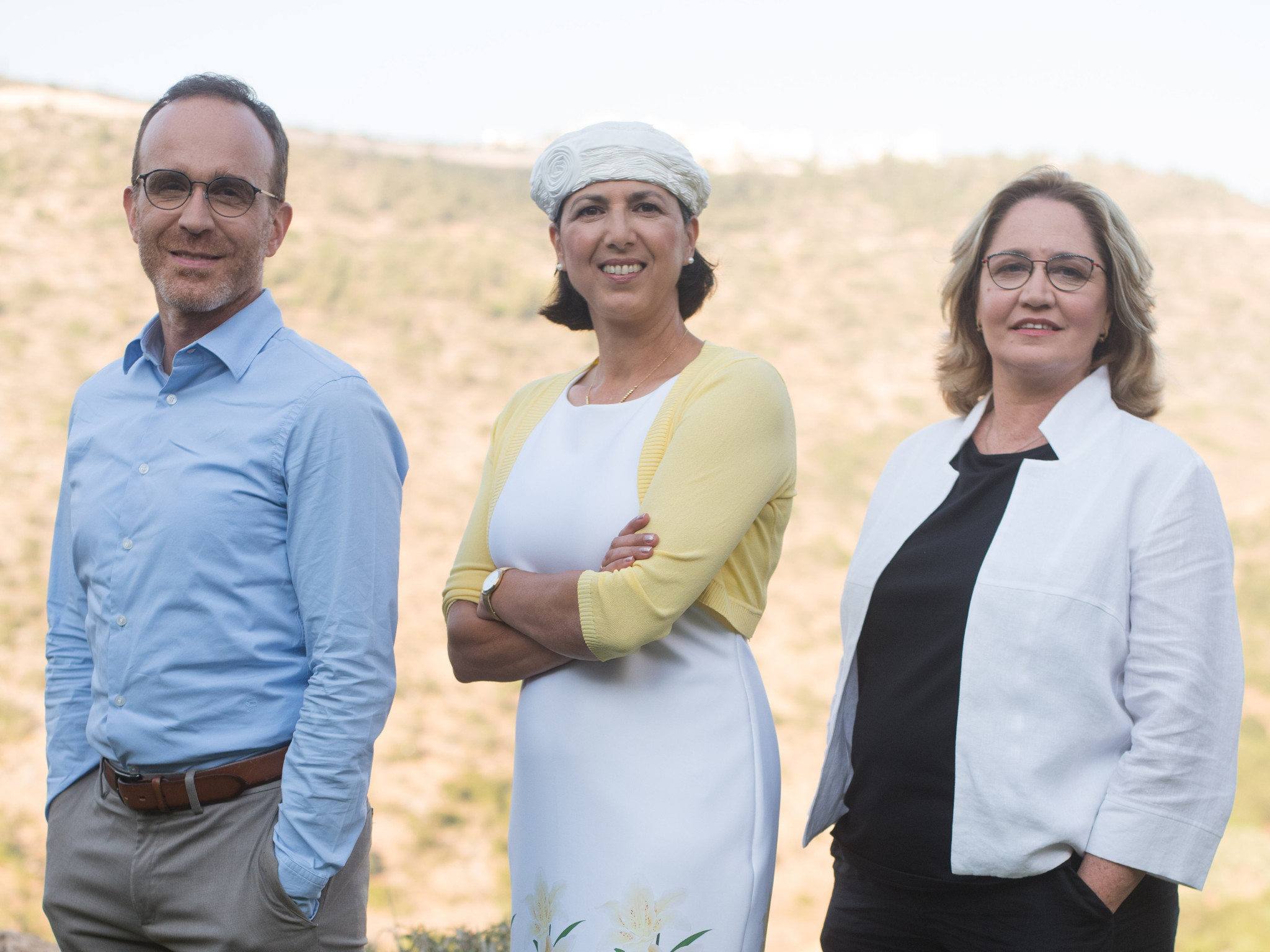
Cultivated meat startup Aleph Farms has reduced some roles from its Israel operations as part of its outsourcing-based production model, calling it the “right move” in the current landscape.
Israeli cultivated meat firm Aleph Farms has conducted another round of layoffs as it implements its “asset-light” model across its global operations.
Domestic tech publication Calcalist reported this week that the Rehovot-based startup had cut 10 roles, two years after letting go 30% of its staff in the country.
Aleph Farms confirmed the development in an emailed statement to Green Queen, but stressed that these redundancies were concentrated in Israel as the company begins executing the outsourcing-led playbook it has introduced in other countries.
“We are implementing in Israel the same asset-light approach we have rolled out in Switzerland and Singapore,” co-founder and CEO Didier Toubia told Green Queen. “It is a global alignment, and the right move in an environment that calls for disciplined capital allocation.”
Outsourcing ‘grants more flexibility and is more capital-efficient’
One of the sector’s most well-financed companies, Aleph Farms has opted for an asset-light approach towards manufacturing, centred around a hub-and-spoke model based in key markets.
This strategy sees the startup rely on strong local partnerships to outsource production of its cultivated meat, instead of owning and operating its own centralised mega-facilities.
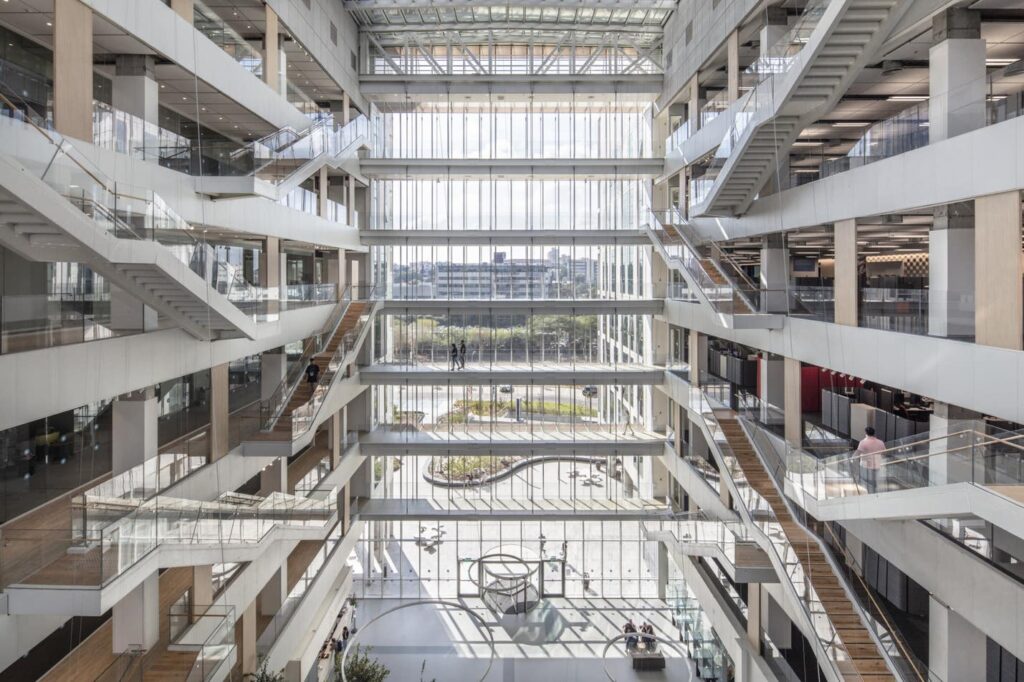
The firm does own a 65,000 sq ft plant in Rehovot (which has a capacity to initially produce 10 tonnes of cultivated steak annually). However, in an interview with Green Queen last year, Toubia noted that Aleph Farms was now entering a second business phase, one engulfed by increased capital costs and more risk-averse investors.
This called for a switch from a model of expanding at all costs and launching quickly, to focus on profitability by becoming leaner and more capital-efficient.
“We have paused our investments in large plants and big facilities, and postponed our launch to really take the time first to reduce our costs, improve the scalability of our platform, and build the foundations right before we expand,” Toubia said at the time.
The firm is building a factory in Thailand with biotech firms BBGI and Fermbox Bio, and has teamed up with Switzerland’s The Cultured Hub and Malaysia’s Cell Agritech to produce cultivated meat for its European and Asia-Pacific operations, respectively.
“Much of the industry is moving this way, because it grants more flexibility and is more capital-efficient,” a spokesperson for Aleph Farms told Green Queen, outlining that the current landscape requires “a disciplined approach to capital allocation”.
“As part of this, we are reducing some roles tied to pilot operations, and we are in active discussions with third parties to provide those production services instead,” they explained.
Aleph Farms continues operations in all countries amid funding drive
The move comes amid Aleph Farms’s efforts to close a new funding round. To date, the firm has raised $147M in investment. As of September, it had secured $7M in the first tranche of its latest financing effort, and Toubia said he was hoping to add a total of $20-25M to its pot by the end of 2025.
Though no announcement has been made since, Aleph Farms confirmed this remains “an active process”, with the growth capital set to “support its next phase of scale-up”.
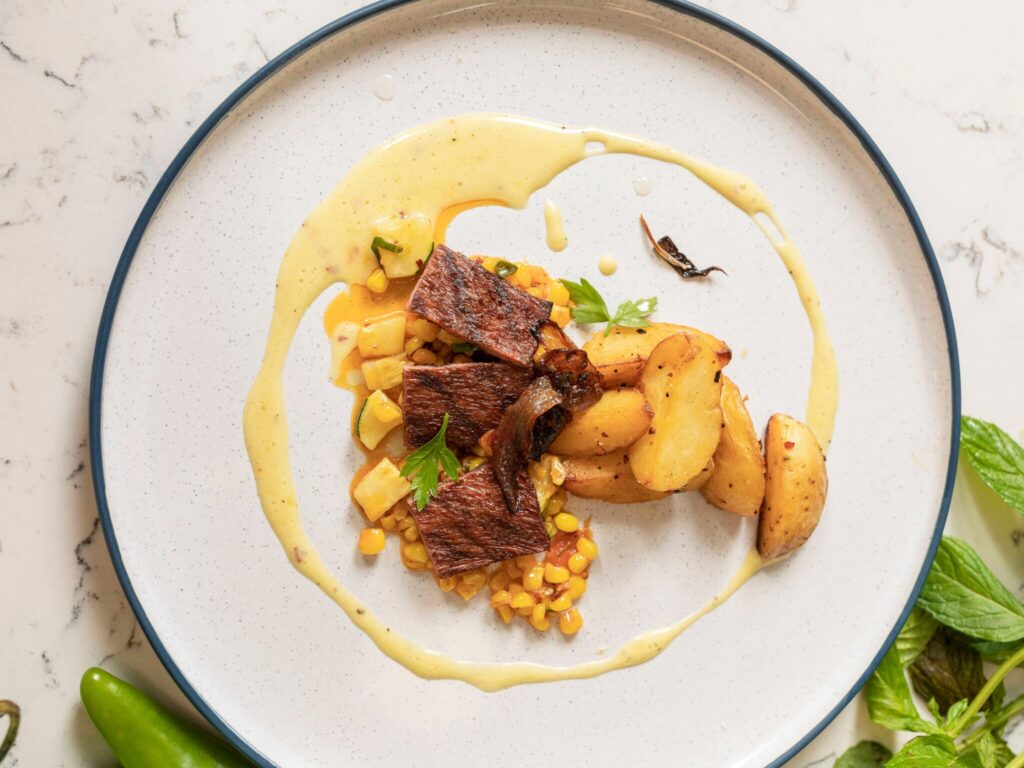
The startup’s signature offering is a Petit Steak, a hybrid meat product combining non-modified, non-immortalised cells from a Black Angus cow with a plant-protein matrix made of soy and wheat. It’s being marketed under the Aleph Cuts brand, and has scored highly in taste tests.
It has already been cleared to sell its cultivated beef in Israel, and is awaiting the green light in Singapore, the UK, and Switzerland. It further plans to pursue regulatory approval in the EU and the UAE.
“Aleph Farms continues all its activities across every region we operate in, and we remain determined to lead the global cellular agriculture category,” its spokesperson said.
In September, Toubia outlined a three-phase plan to maintain the firm’s leadership in the industry. The first stage is centred on growth foundations, with the business aiming to launch products with restaurant partners in Israel and Singapore by 2027, as well as achieving positive gross margins.
The second phase focuses on profitability between 2027 and 2028, and involves expansion in Asia-Pacific and the EU, building capacity, and garnering government support and offtake agreements.
It’s only after 2028, in the third phase, that Aleph will go all-in on scale. The company aims to launch in the US and Japan, while introducing new products and entering premium retail stores.