

Gutgevity: Bactolife Launches Binding Proteins in US to Supercharge Gut Health Market

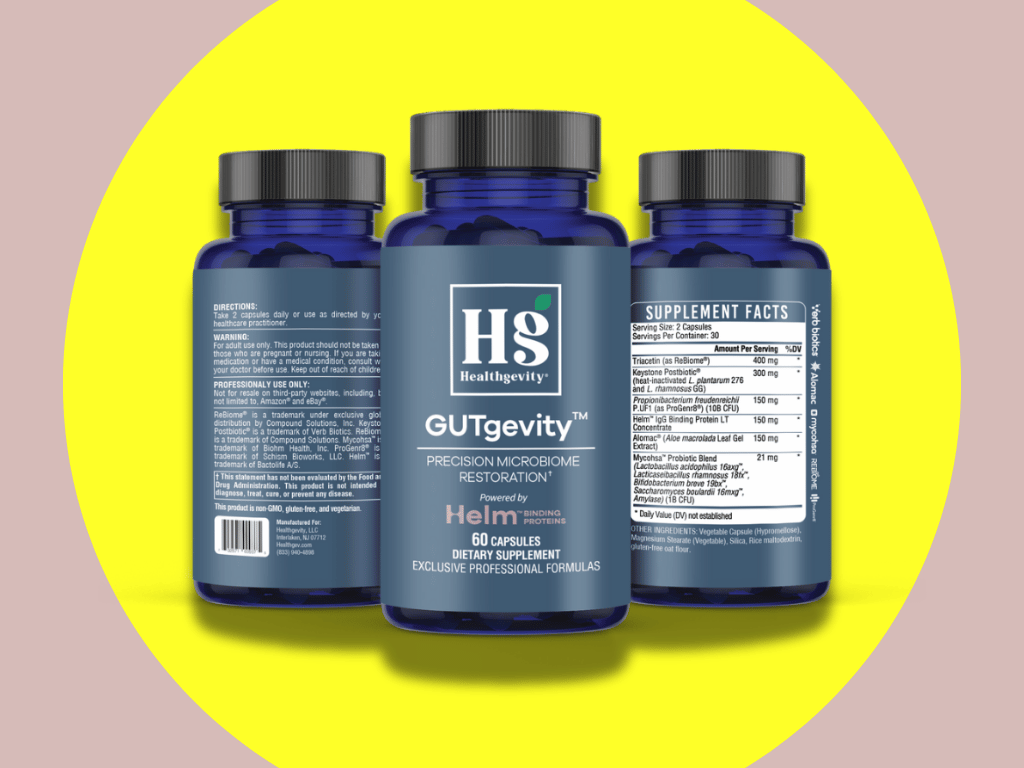
Danish biotech startup Bactolife has teamed up with Healthgevity to bring its Helm line of binding proteins to the US, starting with a Gutgevity supplement for gut wellness.
Months after securing €30M to bring its binding proteins to the US, Danish firm Bactolife is now making its debut stateside with Healthgevity.
Binding proteins are a new class of food and dietary ingredients inspired by the IgG fragments found in immunoglobulins in the milk of camelids (a family of mammals including camels, alpacas and llamas), which gently bind and neutralise unhealthy compounds in the gut to support a healthier, more balanced microbiome.
Bactolife uses precision fermentation to engineer microbes to produce and scale these proteins, with the tech complementing existing microbiome-based approaches – including probiotics, prebiotics and postbiotics – to add a “nourishing and protective layer” to gut wellness.
The startup sells its binding proteins under its ingredient brand, Helm. Now, it has teamed up with Miami-based healthy ageing company Healthgevity to debut its first ingredient in the US, a dietary supplement called Gutgevity.
“Our partnership with Bactolife gives healthcare practitioners access to a new mechanism through Helm Binding Proteins,” said Healthgevity founder and CEO Michael Antonelli. “By incorporating this technology into Gutgevity, we’re adding an additional layer of gut health support designed to nourish a healthier, more resilient gut environment.”
The launch comes at a time when nearly two-thirds (64%) of Americans consider gut wellness a high health priority, with around three in 10 supporting it through improved diets and increased fibre intake.
Binding protein ingredient complements five other mechanisms in Gutgevity
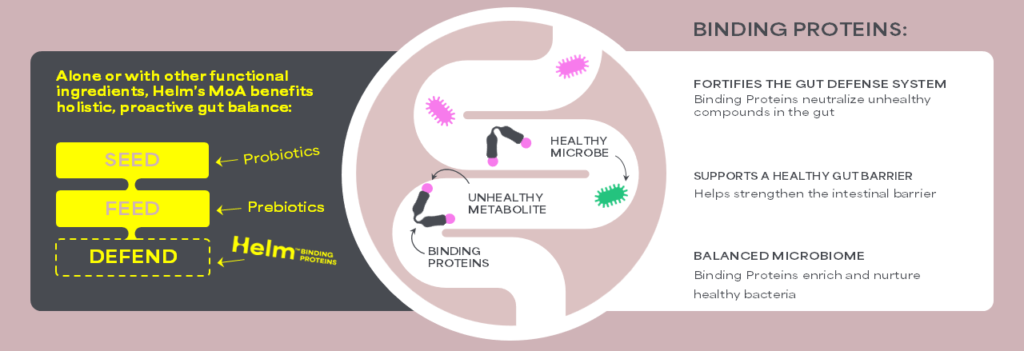
Bactolife argues that, for decades, gut health has primarily focused on introducing beneficial microbes or supporting the ones already present in the gut. But its tech adopts a different approach that complements existing microbiome-focused solutions instead.
Its binding proteins are designed to support gut balance, gut barrier integrity, microbiome stability, and overall gut health, following a “seed, feed and defend” framework that introduces favourable microbes and provides them with the environment they need to thrive.
“Going beyond biotics does not mean replacing them,” said Bactolife CEO Sebastian Søderberg. “Binding Proteins are designed to complement existing microbiome-focused solutions while addressing a different part of the gut health equation.”
Healthgevity is its first US commercial partner in the healthcare practitioner channel, bringing binding proteins to the proactive health and wellness market.
The Gutgevity supplement combines its IgG Binding Protein LT with five complementary mechanisms – spanning prebiotics, postbiotics, probiotics, botanicals, and fungal bacteria – to support the intestinal environment, microbial metabolism, barrier integrity, immune communication, regenerative signalling, and bacterial-fungal balance.
Within this system, Helm binds specific undesirable microbial metabolites within the intestinal lumen. By binding these microbial disruptors, it adds a targeted defence layer to support gut balance, microbiome stability and intestinal barrier integrity.
It’s also designed for the gastrointestinal environment, with stability across a broad pH range and resistance to elevated temperatures, and has been evaluated in pre-clinical intestinal and animal trials.
Bactolife positions binding proteins towards next-gen foods and supplements

Binding proteins date back to the early 1990s, when scientists discovered that immunoglobulins from camelids have a small and simple structure with a targeted binding activity. Research from this decade has uncovered how binding proteins can neutralise undesired metabolites by making them pass safely through the GI tract without disrupting the gut microbiome, thus enhancing gut resilience.
Unlike antibiotics, which eliminate bacteria in the gut, binding proteins don’t kill the microbes. Nor do they penetrate the gut barrier or activate the immune system. Instead, they have a fast onset of action and are effective at low daily intake, with the impact observable shortly after ingestion.
These proteins can be used as ingredients in food, feed and dietary supplements, helping prevent and reduce gastrointestinal infections. Bactolife is developing them as a platform for next-gen functional foods, beverages and supplements, with their stability, low inclusion rate, and versatility enabling use across multiple gut-health-targeting product formats.
The company says its growing body of scientific research, IP and ongoing product development programmes underpin its efforts to establish binding proteins as a differentiated category within gut health.
It comes as the focus on gut health amps up in the US, thanks to documentaries like Netflix’s Hack Your Health, personalised nutrition apps such as Zoe, the TikTok-fuelled fibermaxxing trend, and the rise of GLP-1 drugs. Dietary fibres and prebiotics naturally replicate the effect of weight-loss medications, feeding good gut bacteria and breaking them down into short-chain fatty acids to trigger the release of the GLP-1 hormone from intestinal cells.
Following the US launch, Bactolife plans to focus on the EU and Asia, with an eye towards making binding proteins available and accessible to women and children in low- and middle-income nations, too.
“We believe the next evolution of gut health will extend beyond pre-, pro-, and postbiotics,” said Søderberg. “With Helm Binding Proteins, we are adding a new dimension – proactive resilience – to help create a more complete approach to proactive gut health.”