

Trend Report: Protein Continues to Reign Supreme – Can Blended Meat Take the Climate Edge Off?

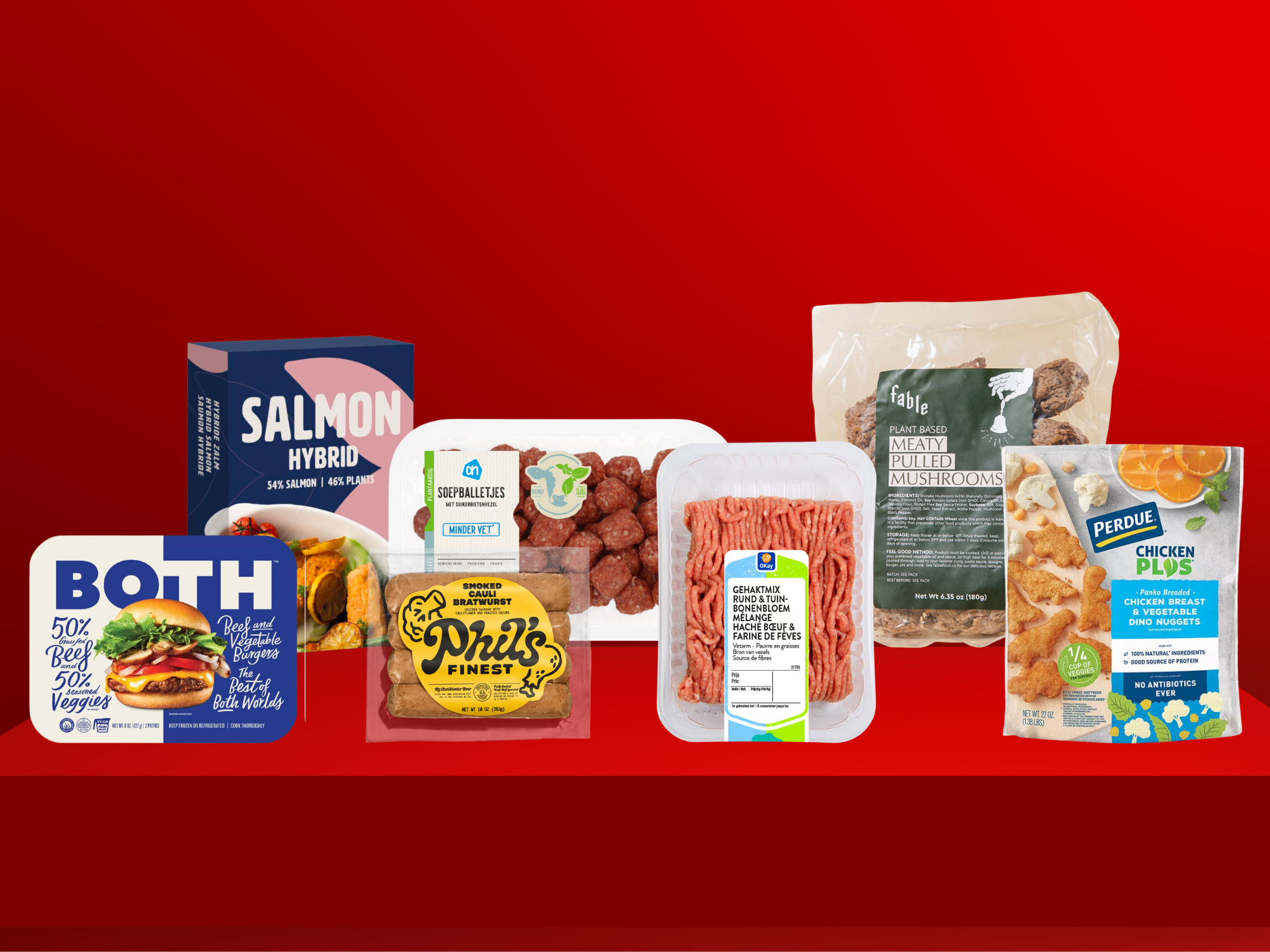
As a category, blended meat matured in 2025, and supermarkets led the way. Can the climate crisis, inflation, and health concerns bring more consumers to this format this year?
With meat prices and the demand for protein simultaneously reaching an all-time high, this would seem a natural coming-of-age moment for alternative proteins.
Except for the fact that protein is in the middle of a culture war, with climate-friendly alternatives a target of rampant misinformation, political bans, and ultra-processed perceptions.
We don’t have enough resources to feed the world the amount of meat it wants to eat. And for now, plant-based alternatives still fall short, while cultivated meat remains in its infancy. It’s precisely why blended meat – which combines animal proteins with alternative sources – is taking off.
It may not be a new idea, but it’s certainly a new dawn for this category. It allows companies to lower protein emissions, health threats, and food costs, and consumers seem to dig it – blended meat looks like a win for everyone, at least in the short term.
Here, we deep dive into why these proteins work – and what’s next for them.
Meat in numbers
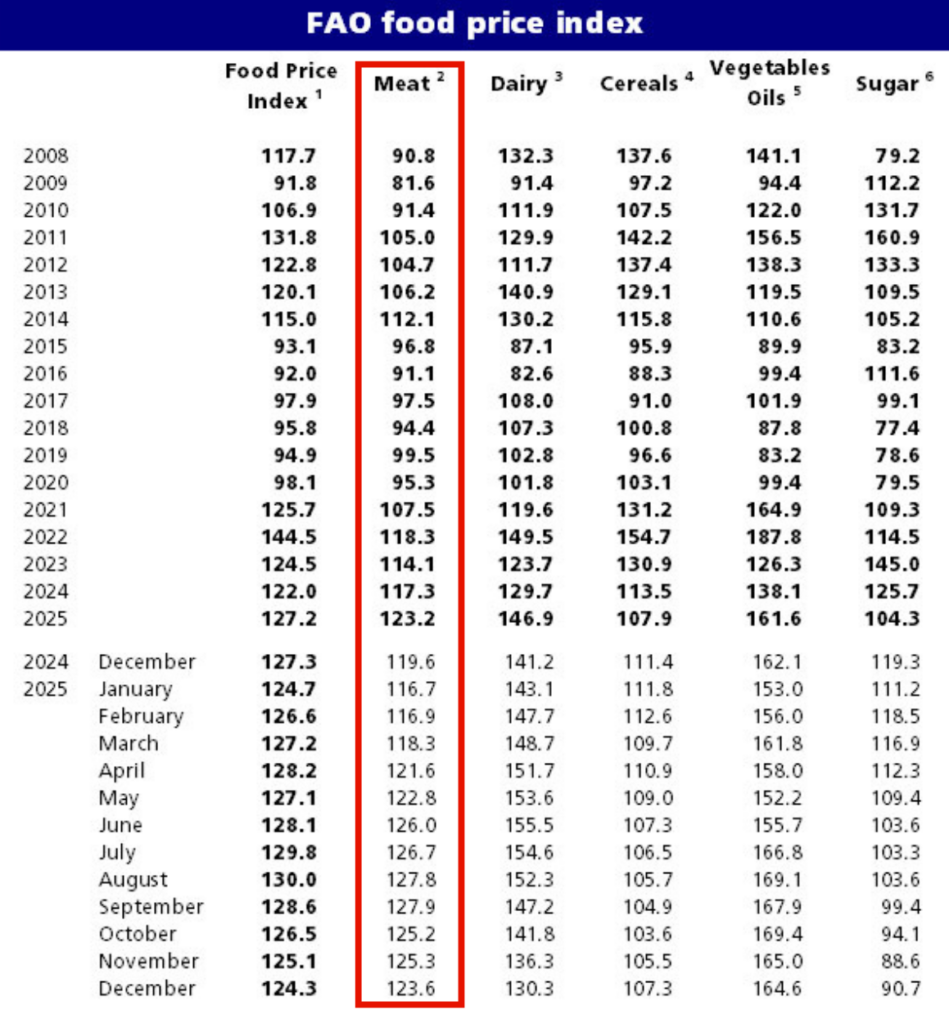
- Globally, the cost of meat reached an all-time high last year, with the FAO’s meat price index peaking at 127.9 points in September, largely driven by rising demand from the US and China.
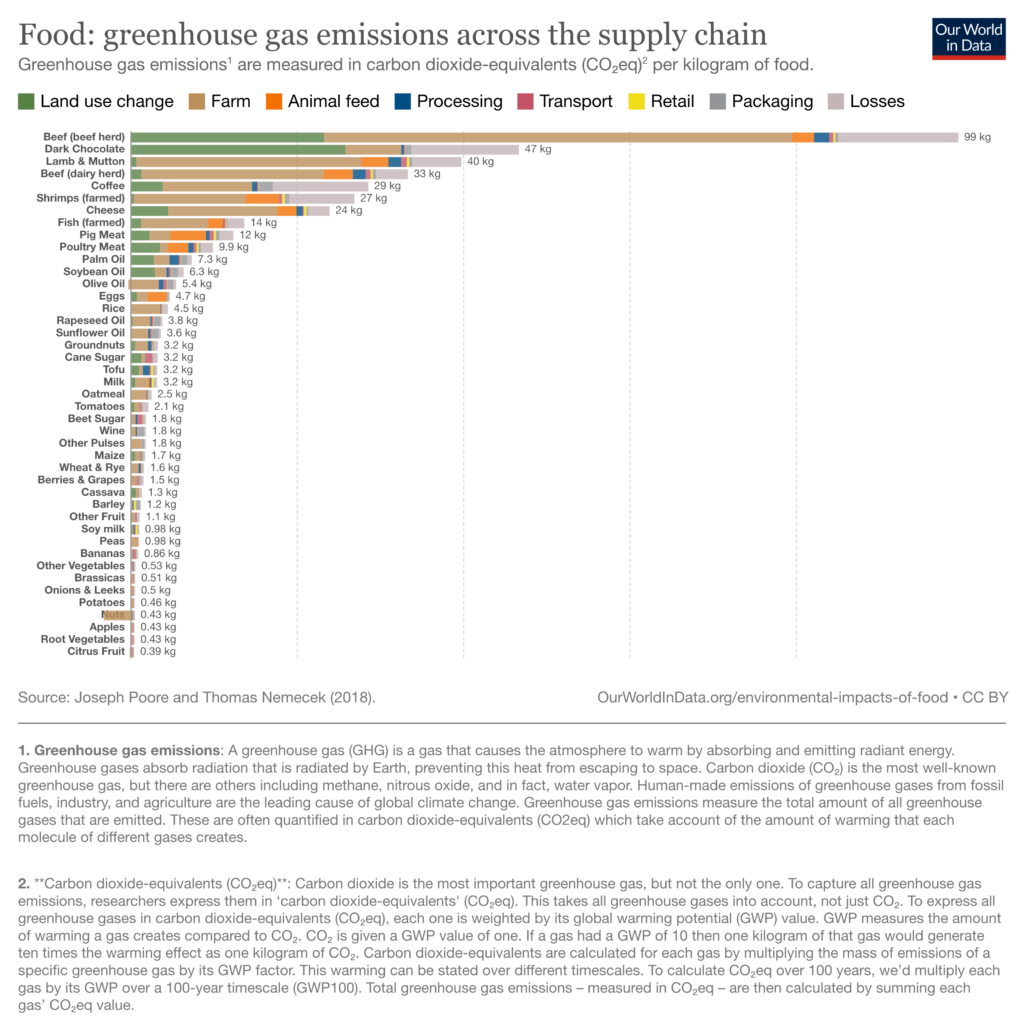
- Animal agriculture is responsible for up to 20% of global emissions, with beef alone producing twice as many greenhouse gases as the next worst-polluting food, dark chocolate. The meat industry alone accounts for two-thirds of all livestock emissions.
- Farming livestock for meat and dairy takes up 83% of the world’s farmland and 30% of its freshwater resources.
- Swapping just half of our meat consumption with plant-based proteins can lower agricultural emissions by 31% and land use by 12%, halt deforestation, and double overall climate benefits.
- In the US, sales of meat products broke all-time records in 2024, reaching $104.6B. The average American spent $870 on meat, and only 22% said they wanted to eat less of it (the lowest share in five years).
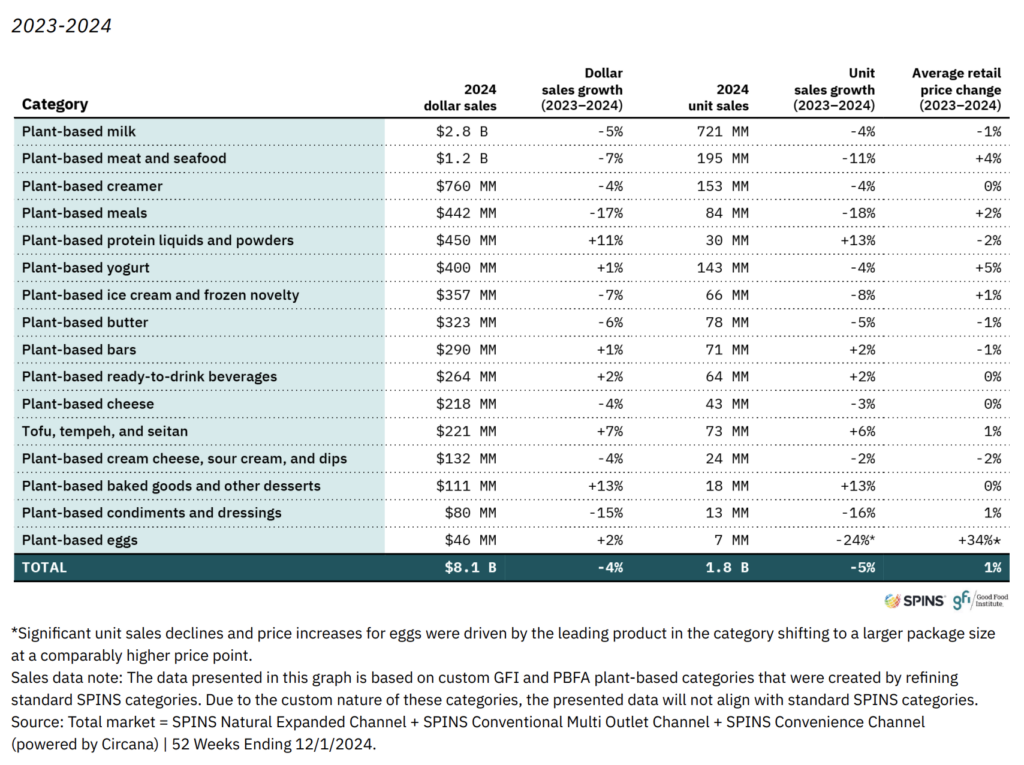
- In contrast, plant-based meat and seafood suffered a 7% dip in US retail sales in 2024, although this was a slower decline than the previous year.
- Blended meat products (or “balanced proteins”) are more likely to attract omnivores, 74% of whom are interested in the concept, than plant-based meat (57%) in the US.
- This is true in Singapore, too, where 58% of participants say they would likely buy “balanced proteins”, compared to 38% who said the same for vegan alternatives.
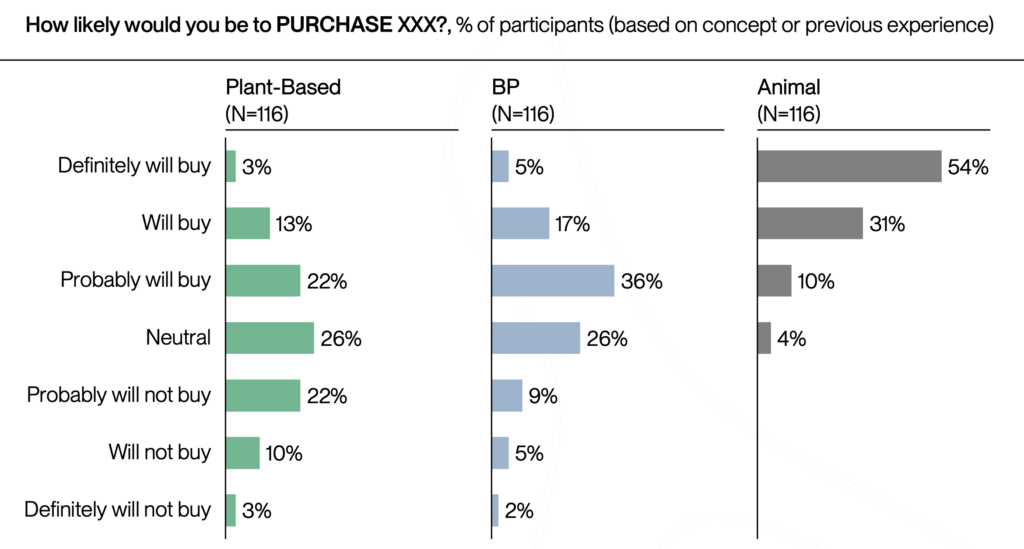
- In the US, more than half of meat-eaters found 11 of 22 blended protein products as good or better-tasting than conventional meat in a large taste test by Nectar. Three were even ranked as better-tasting than 100% meat by a majority of participants, and one was preferred equally to beef.
- Seven in 10 Singaporeans said balanced proteins taste better than vegan meat analogues in taste tests. One blended meat product – Q Protein’s chicken mince – outperformed its conventional counterpart on taste in Singapore, too.
- Also in Singapore, 91% of consumers said they would replace at least some portion of their consumption with blended proteins.
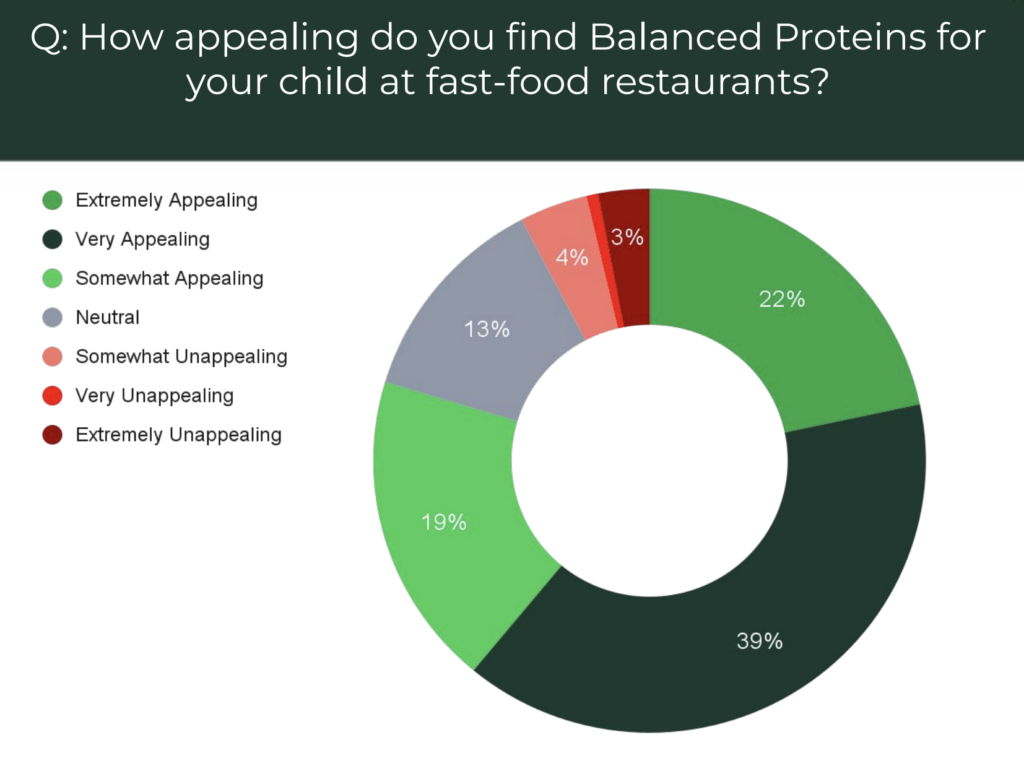
- Blended meat can cater to children too, with 80% of American parents finding the concept appealing in a fast-food setting. Three in four agreed that balanced proteins can get their kids to eat healthier, and would choose restaurants that serve them over those that don’t.
- Globally, 64% of flexitarians have expressed interest in blended meat, slightly higher than cultivated meat (61%).

The problem: why blended meat is gaining interest
- Meat is ruining the planet: The meat industry is the single-worst offender when it comes to the food system’s impact on the planet – and one study argues it is the leading cause of climate change altogether, when you use updated metrics. Plant-based alternatives, in contrast, generate dramatically fewer emissions and use up a fraction of the land and water.
- Meat alternatives don’t meet taste expectations: Despite advancements in food tech, the majority of vegan meat analogues fail to satisfy omnivores and flexitarians. Nearly two-thirds of Americans rate their flavour as ‘okay’, ‘not so good’, or ‘terrible’, no doubt contributing to the 71% of respondents who said they’re unlikely to buy these products in the near future.

- Health is central to dietary habits: Meat has widely been identified as harmful to health, especially processed and red meats, which were labelled as Class 1 and 2 carcinogens by the WHO. High amounts of saturated fat and cholesterol in animal protein increase the risk of heart disease, the top killer in the US. Plant-based alternatives, meanwhile, are slapped with the ultra-processed tag, even though experts say some processed products (including vegan meat) are good for you.
- Meat-rich diets are fuelling food insecurity: Despite its outsized impact on the planet and its resources, the livestock sector is inherently inefficient, supplying just 18% of the world’s calories and 37% of its protein. But meat consumption is set to rise by 50% by 2050, and we don’t have the resources to meet this demand – alternative sources of protein are desperately needed.
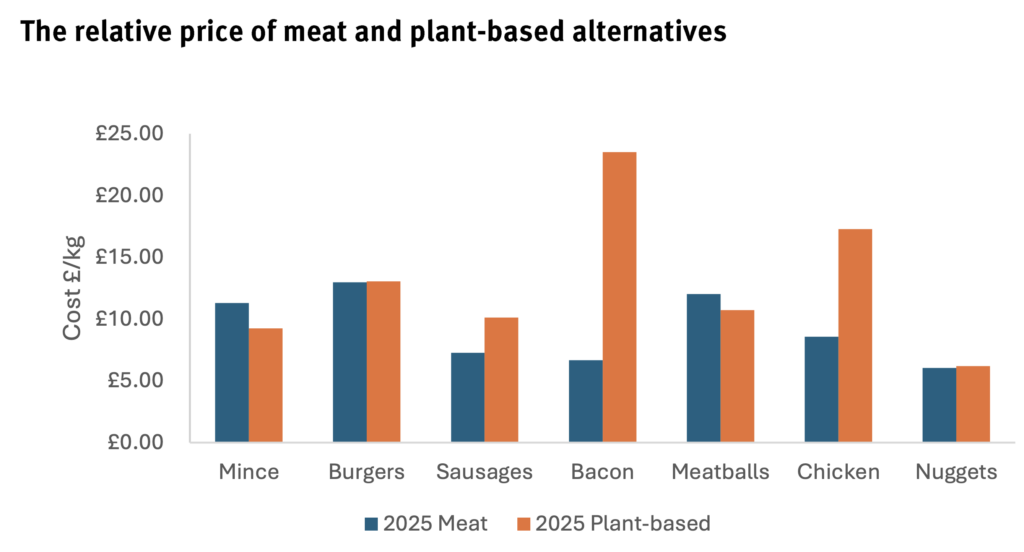
- The price question: Inflation is front of mind for consumers, and while plant-based meat continues to be 82% more expensive in the US, rising meat prices have made some vegan alternatives cheaper in countries like the UK. And in Germany, too, supermarkets are selling private-label meat analogues at a lower price than animal proteins.
The challenges plaguing blended meat
Blended meat hasn’t always worked. In 2019, Aldi brought out a BBQ Flexitarian Burger made from a mix of beef and beans in the UK, but it was widely panned. Two years later, Tesco introduced a Lean & Greens range that combined chicken with vegetables, but discontinued it soon after.
Meat giant Tyson Foods also sold a beef burger with pea protein isolate (and labelled it exactly so) under the Raised & Rooted brand, but soon turned to an all-vegan recipe.
There are several reasons why these early iterations failed: the labelling was all wrong, the taste wasn’t satisfactory enough, and the timing just wasn’t right.
Even today, blended meat’s appeal varies widely, depending on who you ask. A 2024 survey found that 67% of omnivores expressed interest in buying these products, but last year, a YouGov poll suggested that only a quarter of respondents found these products appealing (that said, the setup of the studies varied greatly).
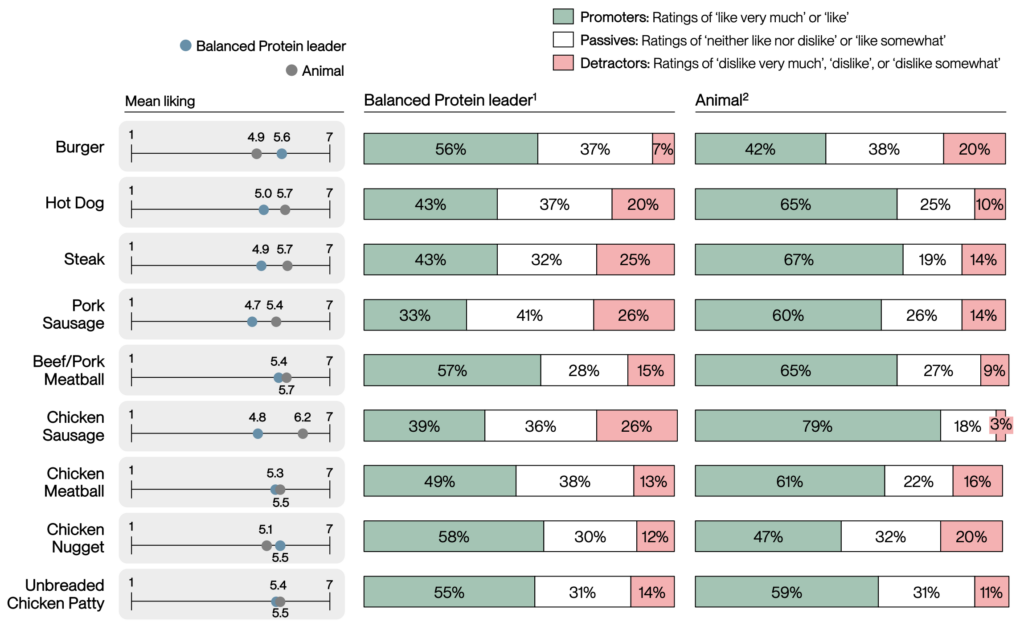
Taste continues to dominate the conversation. Most products in Nectar’s taste test still don’t cut it, and leading blended meat products outperform 100% animal proteins in only two formats: burgers and chicken nuggets. For all the products that were found inferior, flavour was the top opportunity.
In the YouGov survey, 63% of Americans said they wouldn’t purchase blended meat in the coming months – when asked about their concerns, 38% cited flavour and 29% texture.
Familiarity is another issue. Even among those who find these hybrid proteins appealing, 44% say they’re “not someone who would eat this”, and cite it as a reason why they wouldn’t buy it for their loved ones. However, researchers note that once consumers try these products, their “initial taste scepticism may diminish”, as taste tests have shown.
“While one in four global plant-forward consumers have never heard of meat extensions and only 16% claim to currently consume them, the perception of meat extensions is much more positive than expected,” ADM said in a report on alternative proteins last year.
Most people recognise that blended meat lowers the health risks of conventional animal proteins – nutrition isn’t the issue here. A third of consumers are instead worried about the way these products are manufactured. It’s a nod to the debate around ultra-processed foods, and how plant-based meat has been targeted across the media and criticised as being overly processed, unfairly so, according to some.
How to win in this category
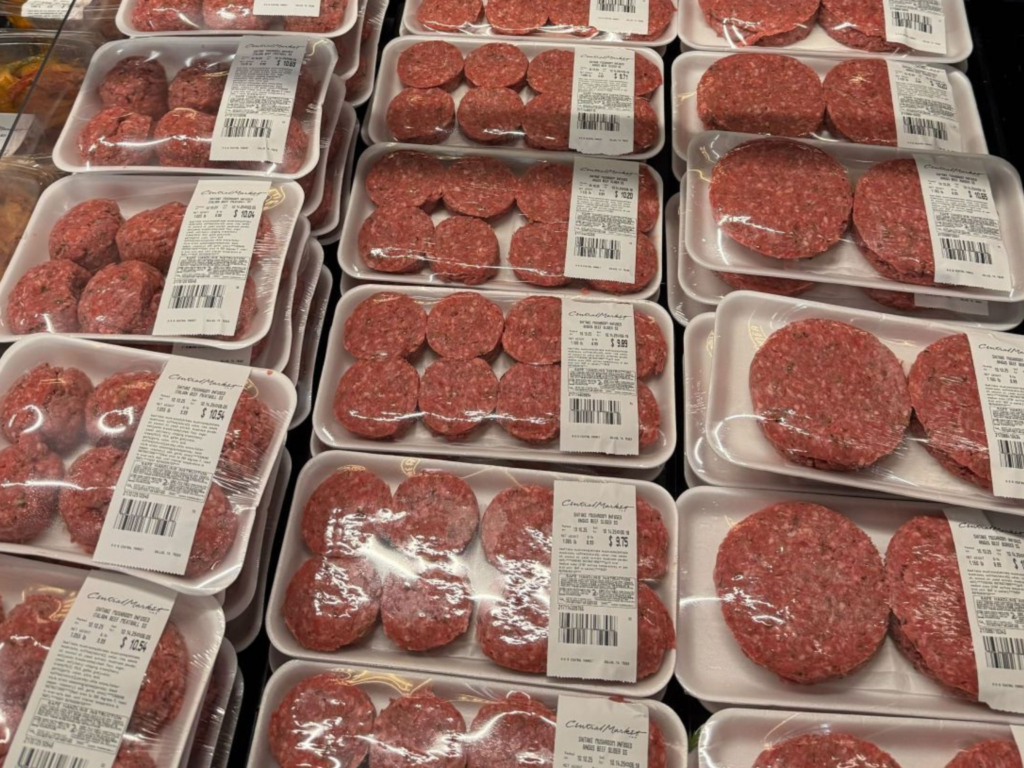
To truly succeed in this space, companies must get their pricing right. Over half of Americans who have cut or intend to reduce their meat intake cite health and price as the biggest reasons. And for people who find blended meat appealing, having it be the same price or cheaper than conventional meat would influence at least 20% of those surveyed to buy these products.
Fable Food Co is a great example. Its Shiitake Infusion innovation is being sold as part of several blended meat products in Central Market, and these are 10-15% cheaper than 100% beef. It has translated into success: one in two people who sampled the innovations have bought them on the spot.
It shows that hitting the taste-price vertical is a winning strategy. When it comes to flavour, most products “should focus on mitigating ’weird aftertastes’ and ‘off-flavours’, while boosting meat notes and fatty flavours to overcome blandness”, according to Tim Dale, category innovation director at Food Systems Innovation, Nectar’s parent organisation.
Companies in this space would be smart to hone in on the health benefits, especially for children. In the US, 58% of parents say they’d pay more for a blended meat option in restaurant settings, and 12% are happy to shell out significantly more. It’s why places like Disneyland now sell blended burgers.
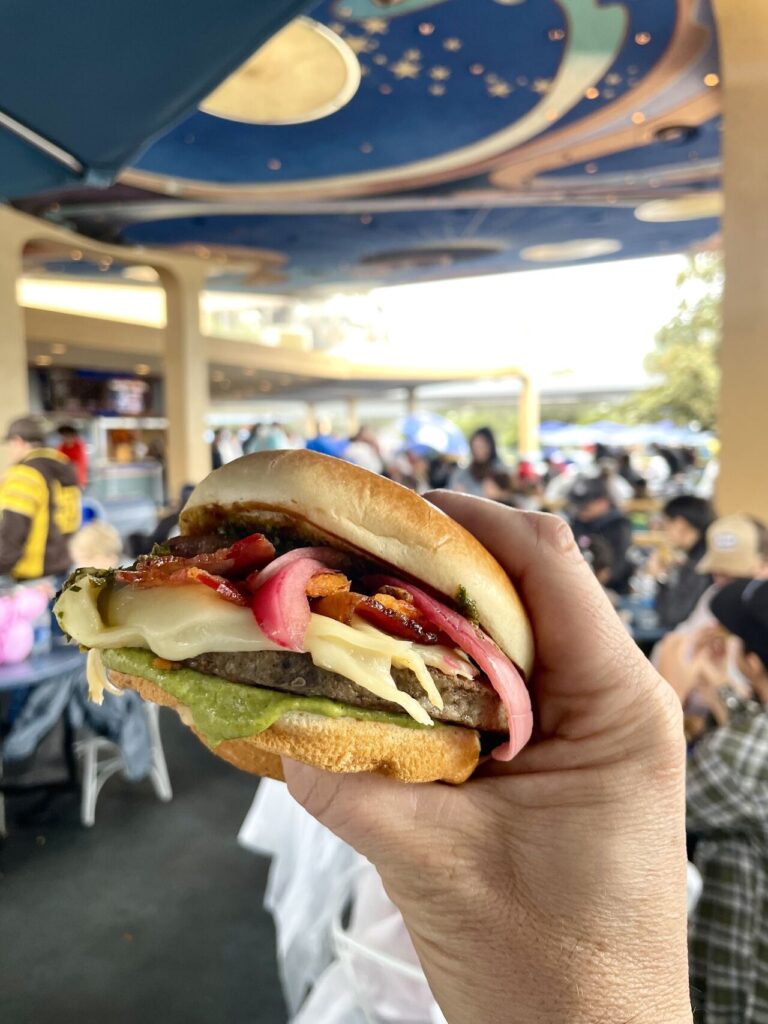
Further, blended meat should be labelled in more appealing ways with nutrition-centric phrases, craveworthy photos, and parent testimonials. “Lower the stakes for trial. Offer samples, coupons, or satisfaction guarantees to make parents feel safe testing something new,” Dale said.
Targeting younger generations is a smart tactic. In the US, 38% of Gen Z and 34% of millennial Americans are interested in blended meat, compared to just 8-21% of the rest. And globally, millennials are the most interested in these formats (75%), followed by Gen Zers (72%).
In terms of product formulation, a 50% ratio is the “sweet spot”, with mushrooms or savoury vegetables more popular additions than ingredients like pea protein or plant-based meat. This is echoed by both Americans and Singaporeans.
Supermarkets could perhaps emerge as the biggest victors in this race. Lidl has been offering a cheaper-than-beef blend in the Netherlands since 2024, and a wave of its peers joined the bandwagon last year, including Aldi and Albert Heijn (which came out with a bumper 13-strong range of blended meats). These three then took the concept to Belgium, where Colruyt Group began launching hybrid proteins too.
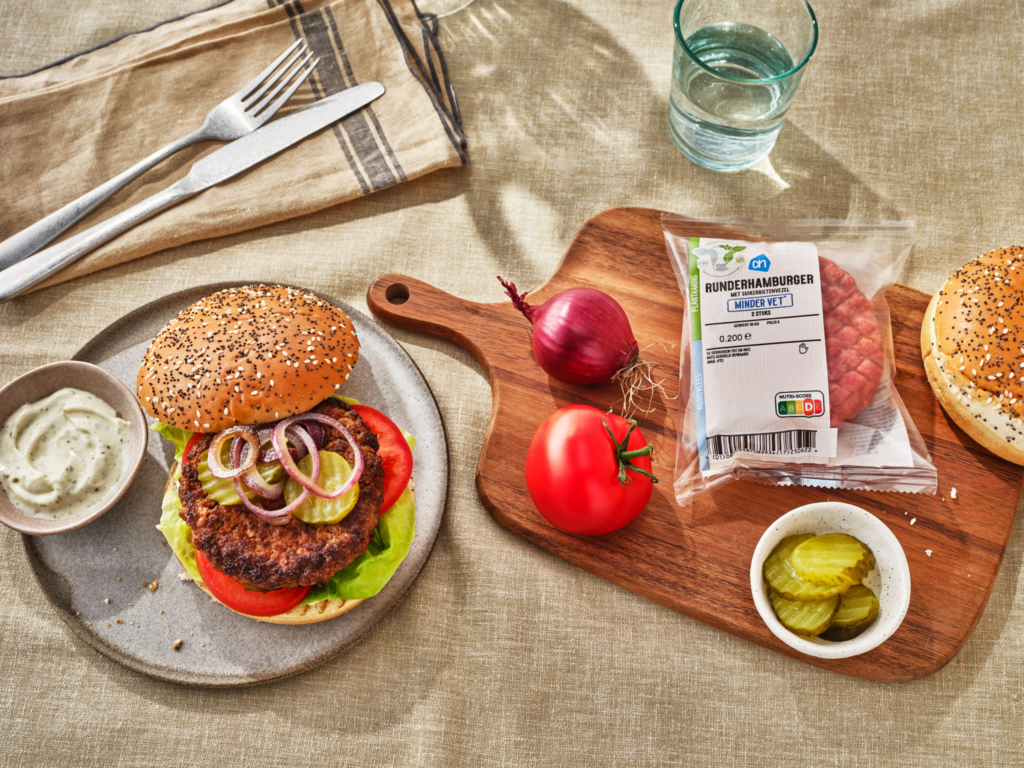
2025 was a breakout year for blended meat, and now, new applications are coming to the fore. In the Netherlands, Vegan Visboer launched a hybrid salmon fillet combining salmon sidestreams with mycoprotein and plants.
Australia’s Nourish Ingredients is targeting blended meat companies with its meat-like precision-fermented fat in the US, where Fork & Good has teased a hybrid product with cultivated and conventional meat.
Blended meat is exhibiting massive potential to help the food industry cut its climate footprint fast and offer consumers an off-ramp from their animal-protein-heavy diets. It seems like a no-brainer for Big Meat to adopt this solution – there hasn’t been a better time.