

Cultivated Fish Startup Avant Shuts Singapore Operations, But Continues to Eye Approval

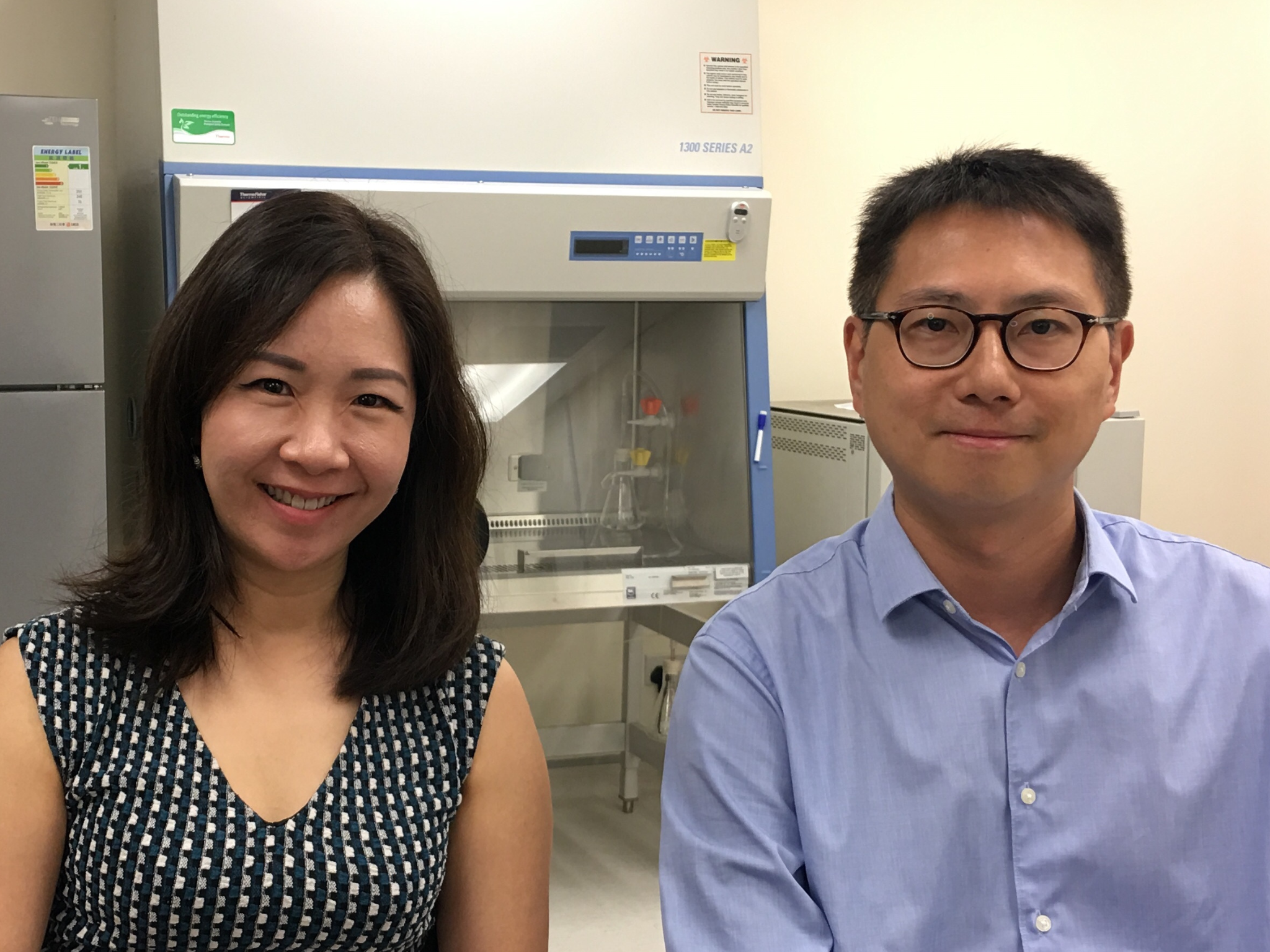
Asian cellular agriculture firm Avant is winding down its research arm, Avant Proteins, in Singapore; however, it is still pursuing regulatory approval for its cultivated fish in the city-state.
In yet another instance of consolidation in the cultivated protein sector, Asia’s Avant is transitioning its operations out of Singapore – though that doesn’t mark the end of the road for the startup’s business in the island nation.
The company is best known for its cultivated seafood technology and its marine peptide platform, with headquarters in Hong Kong and a research arm in Singapore.
The latter, known as Avant Proteins, is now being wound down voluntarily, according to a notice published in Singapore’s Government Gazette late last month, as reported by the Straits Times.
In a statutory declaration, Avant co-founder and CEO Carrie Chan said the company “cannot, by reason of its liabilities, continue its business”.
Despite the Singapore exit, the startup isn’t shutting down altogether, as it continues its pursuit of regulatory approval and takes its “next step to support the industry in a different way”, it said in a LinkedIn post.
Avant holds on to cultivated seafood dream

Avant has been around since 2018, developing cultivated fish products under its Avie brand. Three years in, it expanded its cell-based marine protein expertise to skincare with the launch of Zellulin, a platform to develop ocean-friendly functional ingredients that can be worked into moisturisers, creams and serums.
2021 was also the year when Avant expanded into Singapore via a project with the A*STAR Bioprocessing Technology Institute at Biopolis. “We successfully completed the project, gaining valuable insights and know-how in bioprocess optimisation,” the company recalled.
It then set up a pilot facility in the Woodlands area, where it demonstrated its technologies and products to stakeholders and the general public, covering a wide range of applications.
Avant hasn’t been immune to the post-pandemic challenges of the cultivated meat sector. Singapore was the first country to approve the sale of these proteins back in 2020, though it took four years for it to hand out a second green light. Today, four startups are allowed to sell these proteins for either human or pet food, with many others waiting in the wings.
“After being the first country to approve cultivated meat at the time, they really want to make sure that they are not perceived as a country where it is easy to get approvals,” Didier Toubia, CEO of Aleph Farms (which is awaiting approval for its cultivated beef in Singapore), told Green Queen in September.
Alternative proteins are no longer part of Singapore’s food strategy, with environment minister Grace Fu citing “higher production costs and weaker-than-expected consumer acceptance globally”. The country is currently focusing on R&D to make this sector “more competitive and mainstream”.
Meanwhile, despite its Avant Meats website going offline, Avant isn’t giving up on its seafood dream, stating that it is “steadily advancing our cultivated fish toward Singapore Food Agency approval”.
Funding challenges force cultivated meat companies to diversify
The slowdown has coincided with a sharp decline in funding for cultivated meat. In 2024, firms in this sector attracted just $144M (compared to a high of $1.3B in 2021), and things got worse in 2025, with investment down by nearly half at $74M, according to the Good Food Institute.
The result has been brutal, with a number of startups shutting down in recent months. This includes Israel’s Believer Meats (which had secured both FDA and USDA approval to sell cultivated chicken), Dutch firm Meatable.
The latter’s sudden shutdown came months after it acquired parts of the cultivated meat platform of UK firm Uncommon Bio, which pivoted its business strategy to focus on therapeutics instead. Last month, US pioneer Upside Foods also branched out with a new division targeting the life sciences sector, called Lucius Labs.
Avant, which raised nearly $11M in its most recent funding round in 2022, has deepened its focus on its marine protein line too, having commercialised ZelluGen, a regenerative peptide complex that instructs skin cells to boost the extracellular matrix and generate more collagen, integrin and fibrinogen.
It isn’t the only cultivated meat startup to have suffered from challenges in Singapore. Eat Just, whose Good Meat division was the first to sell these proteins in the country, paused production in 2024. The move was labelled temporary, with a new version of its chicken landing on Huber’s Butchery’s shelves soon after.
That same year, homegrown brand Shiok Meats was merged with fellow Singaporean cultivated seafood firm Umami Bioworks. The new entity retained the latter’s name and has since diversified beyond food with a foray into supplements and cosmetics.