

EU Asked to Include Microbial Proteins & Fermentation in Upcoming Biotech Act

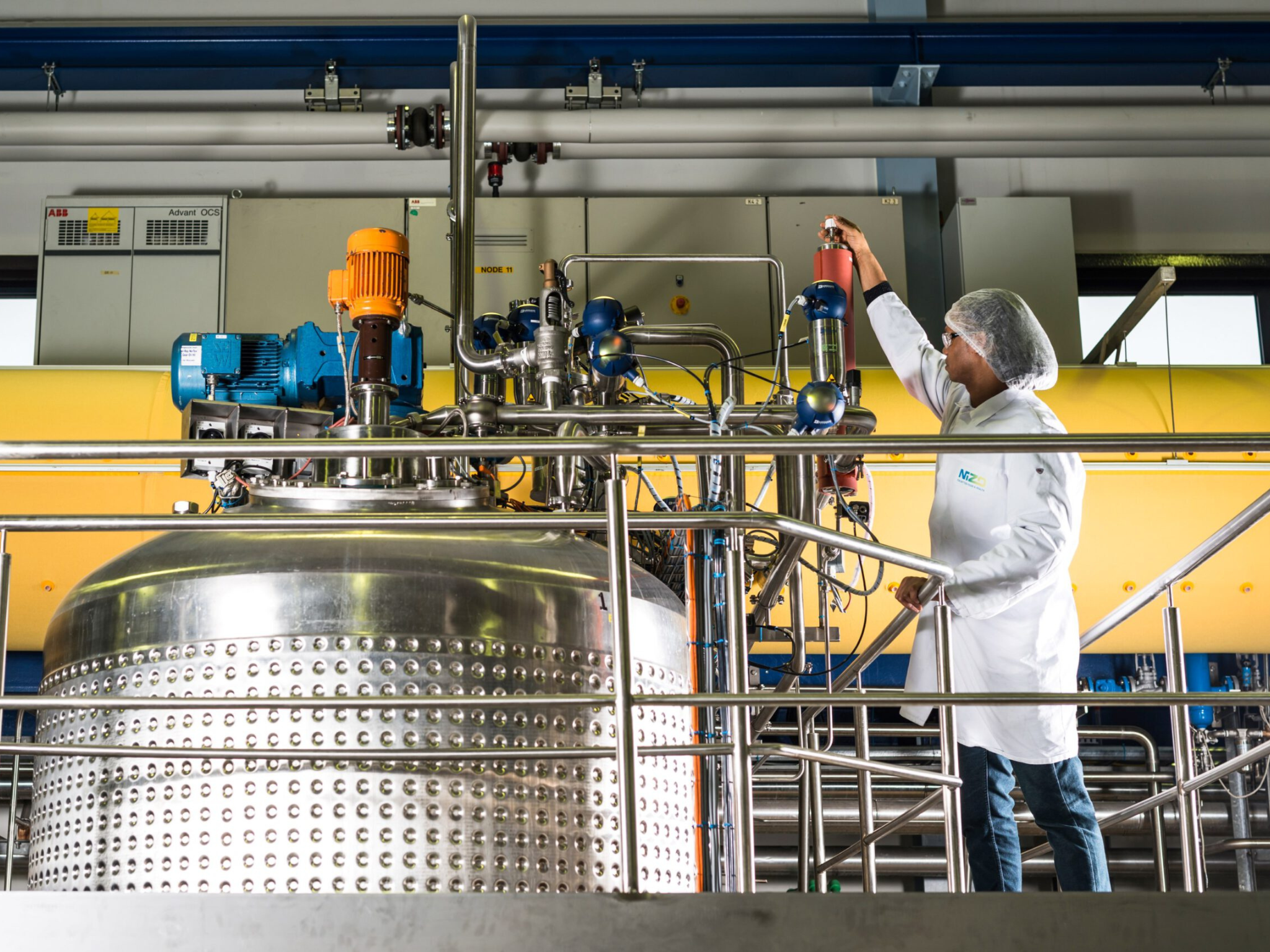
The EU should name fermentation-derived food ingredients as a covered technology category and boost investment for scale-up in its second Biotech Act, due later this year, according to a new policy brief.
As the EU faces mounting criticism for its decision to sideline novel foods in the health-focused Biotech Act I, climate experts are calling on the bloc to ensure the second part of the legislation explicitly names fermentation as a key focus.
Climate advocacy alliance WePlanet has urged the EU to cover advanced fermentation and single-cell proteins in the Biotech Act II, which is set to be published in Q3 2026 with a focus on agricultural and industrial biotech.
In a policy brief, the organisation points to threats to the region’s food security – including a deep dependency on imports, elevated geopolitical tensions, and increasing climate disruption – to argue that making its food system futureproof is “an urgent task for EU policy”.
“Advanced fermentation – single-cell protein, mycelium, precision fermentation – offers a parallel, scalable production layer for feed and food, complementing existing agriculture and livestock and making the entire food system more resilient to future shocks,” WePlanet said in a LinkedIn post.
“Competitiveness, food security, strategic autonomy and sustainability are [seldom] in such a clear synergy as when it comes to scaling biomanufacturing.”
Why the EU should embrace advanced fermentation
The document calls the EU’s food system “structurally brittle” since it’s built almost entirely on land-based agriculture and livestock, which have limited capacity to absorb the converging shocks of climate change, geopolitical instability, and growing pandemic risks.
It notes that around 70% of plant protein used in animal feed is imported, primarily soy from South America. An even deeper vulnerability is the dependence on China for fermentation-derived amino acids and vitamins, without which European livestock cannot function.
The East Asian country has already used fertiliser export controls as a geopolitical lever, and biomanufacturing is at the heart of its new five-year plan. “The EU needs to catch up, not run into even more dependencies instead of decreasing existing ones,” said WePlanet.
The policy brief draws a parallel with China’s consolidation of 90% of the EU’s solar panel supply, achieved within a decade through a deliberate industrial policy. The EU recognises this as a strategic autonomy failure, and the same dynamic is already underway for fermentation-derived ingredients.
The European Commission’s new framework for agriculture and food policy for 2040 explicitly targets the reduction of “critical import dependencies” as a core resilience objective, specifically including protein crops and oilseeds. It also references the bioeconomy and the EU’s strategy on it as tools to unlock this goal.
“Biotech Act II is a window of opportunity, among several legislations, to create a foundation for a competitive biomanufacturing sector, a secure EU food system, including livestock, with lower dependency on imports and greater geopolitical autonomy,” the document states.
This is where fermentation comes in, acting as a parallel manufacturing layer and a built-in protective mechanism for the food system – for instance, production can be ramped up or scaled down quickly in bioreactors, based on demand and feedstock availability. Fermentation can help make the food system more flexible and boost its overall resilience through new foods for humans and livestock alike.
Biotech Act II must facilitate investment and scale-up in fermentation

WePlanet explains that single-cell proteins contain nearly all essential amino acids and vitamins and are already approved as an ingredient in both terrestrial and aquaculture feed. The barrier isn’t scientific uncertainty; rather, it’s economies of scale. Denmark’s Unibio is building the world’s largest single-cell protein facility, not in Europe but in Saudi Arabia.
Edible microbial proteins produced via biomass fermentation are already available in the human food market, as they offer lower regulatory hurdles, accessible scaling, high nutritional value, price competitiveness with meat, and strong consumer acceptance.
Broader biomanufacturing will depend on emerging technologies. Precision fermentation is essential for producing high-value proteins, dairy analogues, and functional ingredients, and the development of more efficient strains of fungi is key, too. And outside Europe, biomanufacturing and fermentation are already viewed as strategic industries earmarked for significant government support.
Investment in this industry is also increasing sharply elsewhere, especially in China. This is because boosting biomanufacturing would boost several industry sectors at once, and increase the autonomy for critical compounds for pharma, biobased chemicals, food and feed production.
Analysis shows that just €1.4B in investment in alternative proteins could add €111B annually to the bloc’s economy by 2040. The EU Commission did set aside €350M in funding opportunities to boost food and biotech innovation last year, highlighting the “significant potential” of fermentation in its life sciences strategy.
WePlanet is now asking the EU to explicitly name single-cell proteins, mycelium, and other fermentation-derived ingredients as covered technology categories in the second Biotech Act, and to establish an industrial biomanufacturing project with fast-track permits and a single national contact point for proposed facilities to boost food security.
Moreover, the EU should establish an industrial fermentation investment pilot with the European Investment Bank, offering blended finance instruments for food-system-related fermentation scale-up.
Finally, it should enable shared pilot and demonstration facilities and mandate a fermentation capacity assessment within two years of the Act coming into force, which would quantify the domestic production potential, the infrastructure gap, and the import displacement achievable under different investment scenarios.
The policy brief comes a week after industry groups and the world’s largest food companies asked the EU to include novel foods in its food and feed regulatory sandboxes, which are controlled environments that let businesses, researchers and regulators design standards and guidance for new products. Novel foods are the only category left out of this initiative, with the EU citing “ethical or cultural concerns”.