

Nestlé Bets on AI to Develop Foods for GLP-1 Users & Tackle Side Effects


Nestlé, the world’s largest food company, is leveraging artificial intelligence (AI) and nutritional science to create products tailored for GLP-1 users, a fast-growing demographic often experiencing side effects such as muscle loss.
In a food industry swept up by a changing climate, a manic appetite for protein and clean labels, and an unprecedented wave of transformative weight-loss drugs, ‘adapt or perish’ feels like a dogma for businesses.
Take the latter, for example. According to Innova Market Insights, the share of Americans who have used a GLP-1 medication rose from 10% in 2024 to 18% in 2025. A recent poll by Gallup, meanwhile, suggests that 11% of US adults are actively using weight-loss drugs this year, reaching a new high.
It’s why Nestlé, the largest food company globally, has been selling GLP-1-aligned products for two years. Now, as uptake of Ozempic, Mounjaro, and the like shows no signs of stopping, it’s looking to capitalise on this shift with an even more disruptive technology.
The Swiss food conglomerate is using artificial intelligence (AI) to create packaged foods for GLP-1 users, with a particular focus on products that address the side effects of these medications, which Nestlé says is itself becoming a burgeoning market.
Speaking to Reuters, Nestlé CTO Stefan Palzer said the company was tapping into AI, nutritional science and other technologies to analyse clinical studies and identify nutrient combinations to develop such innovations: “We are well positioned with the portfolio. It’s a huge opportunity for our company.”
Nestlé’s internal AI tools predict food and consumer behaviour

The boom in GLP-1 use has prompted the food industry to reformulate products and develop new innovations that complement these drugs, in response to shifting consumer needs.
In the US, people using these drugs eat 40% more protein and 30% more fibre. One study suggests that their appetite for protein outdoes that of any age-based demographic, noting that weight is the most pressing health concern for Americans.
According to JP Morgan, GLP-1 medications can gouge $30-55B off the food and drink industry’s bottom line by 2030-34, as people consume 21% fewer calories and spend 31% less on groceries.
Nestlé responded in 2024 by launching its Vital Pursuit brand, which targets GLP-1 users with affordable frozen foods, and a now-defunct GLP-1 Nutrition website under its Health Science unit to provide nutritional support for people on weight-loss programmes.
It’s building on that effort by leveraging AI to speed up research, product development, and consumer analysis and come up with products tailored to the needs of GLP-1 users.
It has created internal systems to assess scientific literature, simulate consumer behaviour, find emerging trends, and help product developers navigate a database of around 120,000 recipes, according to Reuters. This includes Food Genie, a tool that helps its team predict how recipes might perform and identify reformulation opportunities.
“You can imagine if you’re a small company you have only a thousand recipes. It’s very difficult to model and predict recipes using AI,” Palzer said. “AI needs data.”
The KitKat maker’s AI tools can also predict how shoppers will respond to new products and health claims before they reach supermarket shelves, and monitor social media to pinpoint emerging consumer trends. “You see noise around certain topics, and then you can conclude whether that’s a lasting trend or not,” said Palzer. “Increasingly, AI will get into this field.”
Nestlé has separately worked with Chilean startup NotCo, which makes plant-based meat and dairy alternatives and supplies its AI tech to food companies for faster, more informed product development. The latter itself is working on a GLP-1 booster powder for people who have weaned off Ozempic and other weight-loss drugs, or those who can’t or don’t want to use them.
Tackling GLP-1 side effects like muscle loss
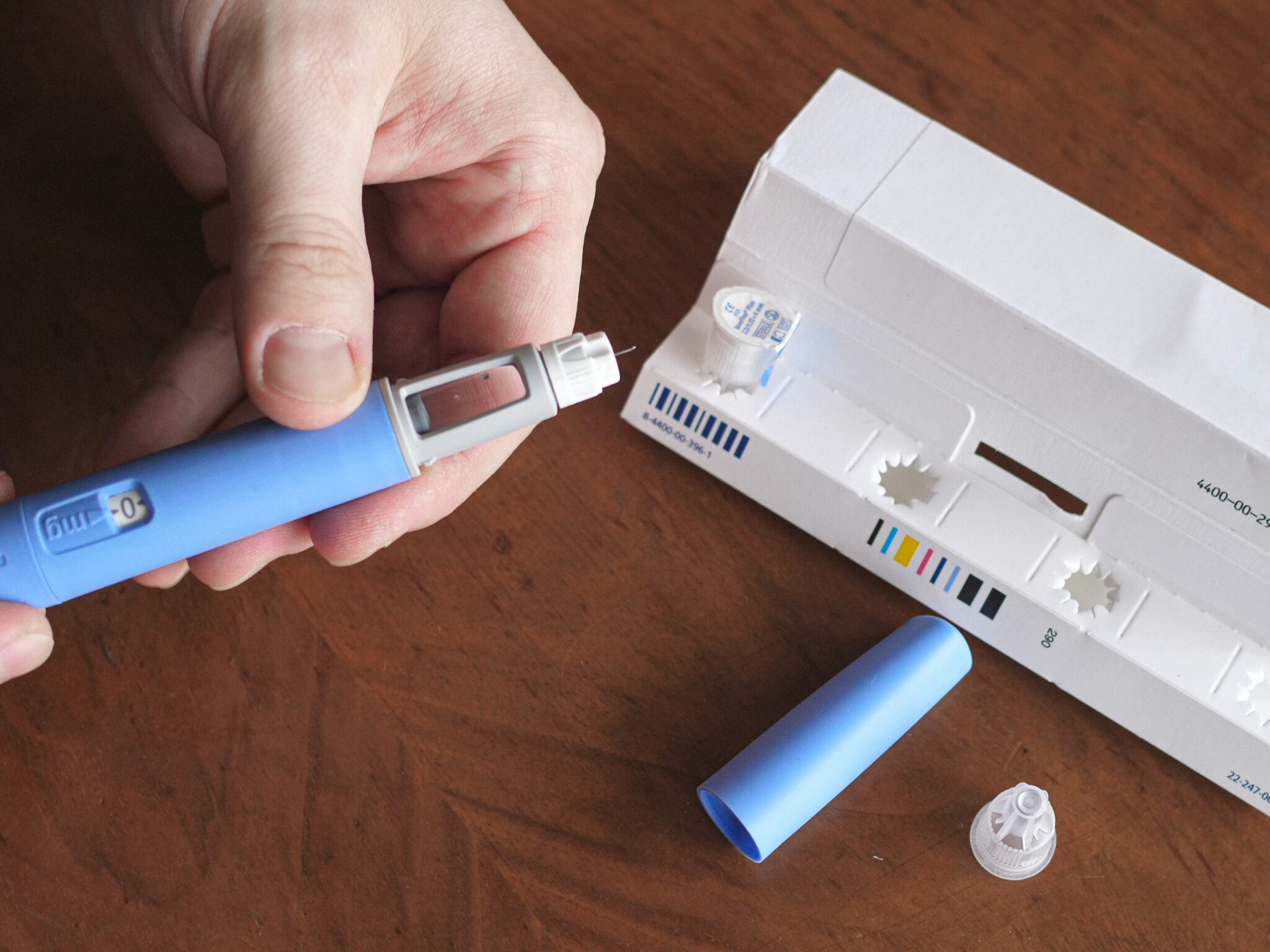
As part of its efforts, Nestlé’s team has been studying the consequences of rapid weight loss and developing products to help consumers manage them.
Studies show that these medications can cause gastrointestinal issues such as nausea and vomiting, mental health problems like anxiety and irritability, and a phenomenon dubbed ‘Ozempic tongue’ (when people’s taste receptors react differently to foods than they did before GLP-1 use).
Moreover, GLP-1 users experience a 25-40% decrease in muscle mass over eight to 16 months (several times more than non-medicated weight loss approaches and age-related muscle loss).
So Nestlé’s AI tools are processing swathes of clinical research and identifying nutrient blends that can support muscle health, hydration and nutritional intake. “We found a combination of two micronutrients which we industrialised that stimulate the growth of muscle tissue,” said Palzer. “On one hand, you provide protein; on the other hand, you stimulate the muscle tissue to grow back faster.”
The company has also patented combinations of proprietary ingredients designed to suppress appetite among people who often experience increased hunger after coming off the weight-loss drugs.
Its range of GLP-1-friendly products already includes an advanced nutrition shake under the Boost brand in the US, which contains 35g of protein to maintain muscle health during weight loss, and a high-protein version of its malted Milto drink in Asia-Pacific. Its Health Science department has begun adding collagen protein to its Vital Proteins brand to tackle skin, hair and nail health concerns.
With more than 30 million Americans expected to be on GLP-1 treatment in 2030 (tripling today’s numbers), the food industry is gearing up to join what was once perceived as one of its greatest threats.