

Centre- & Far-Right Lawmakers Join Forces to Weaken EU’s Corporate Sustainability Rules

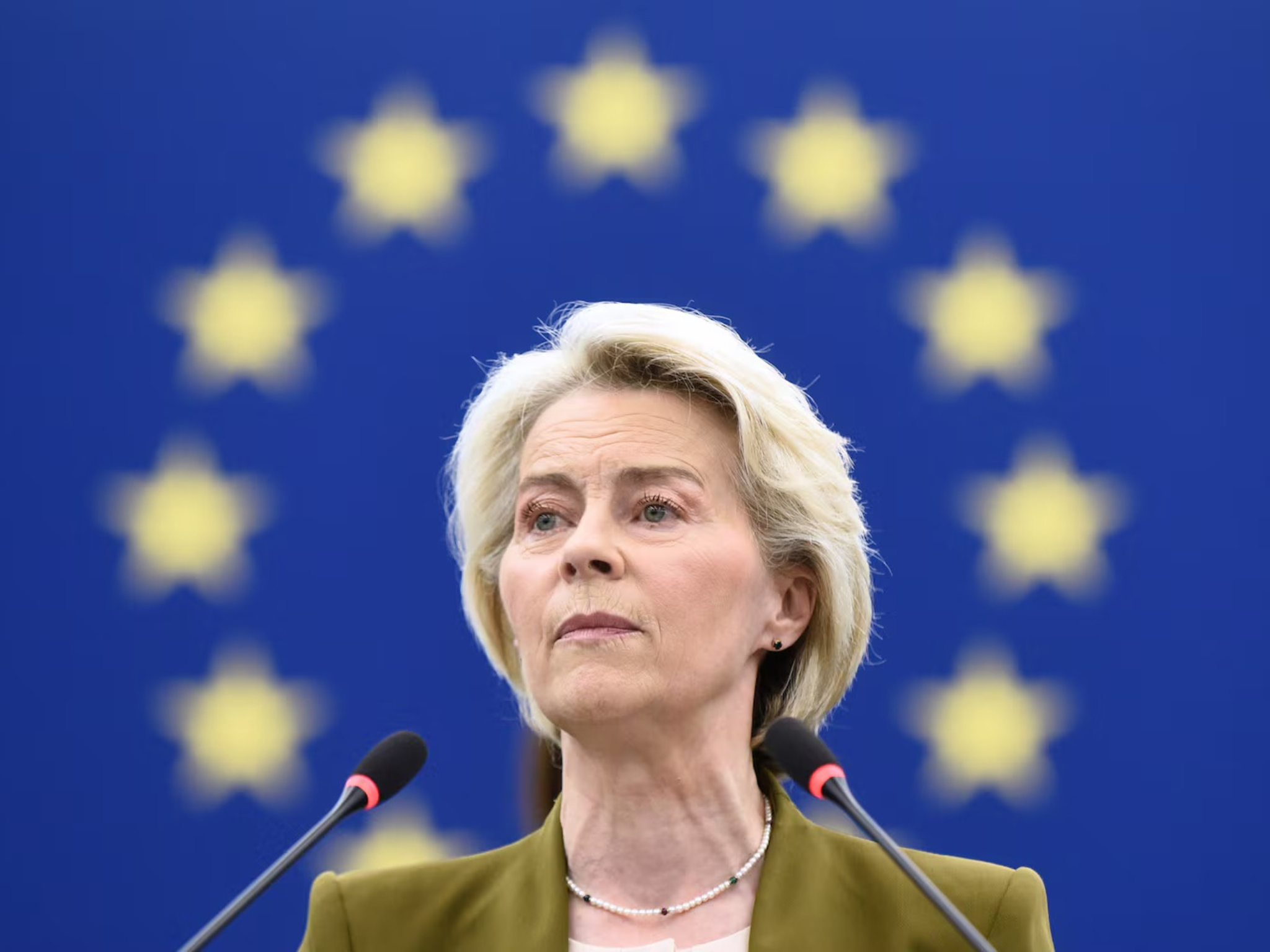
In its latest move to weaken climate goals, the European Parliament has voted to scale back rules for ESG reporting, eliminating a fine for human rights and climate violations.
The European Parliament has undermined its own climate leadership by watering down corporate sustainability rules that let most companies off the hook.
The cuts include dramatic reductions in the number of businesses covered by the Corporate Sustainability Reporting Directive (CSRD) and Corporate Sustainability Due Diligence Directive (CSDDD), scrapping the need for companies to prepare mandatory transition plans.
It’s a result of the centre-right European People’s Party (EPP) partnering with far-right groups, who have sought to eliminate the two measures altogether. The legislation now heads to the member states for final negotiations, marking the first time the EU Parliament has sent a major proposal to this stage due to an alliance with the far-right.
Proponents of the measure argue that it’s a matter of regulatory simplification, cutting red tape and making it easier for companies to compete with overseas businesses, while critics warn that the move goes against the EU’s own climate goals and damages its sustainability values.
The bloc’s weakening of its environmental, social, and corporate governance (ESG) goals comes after widespread pressure from internal and external sources. This includes the fossil fuel sector, from companies like ExxonMobil and TotalEnergies to major producers like Qatar and the US (where ESG has been treated as ‘woke’ and widely repealed).
What the EU’s new corporate sustainability rules mean
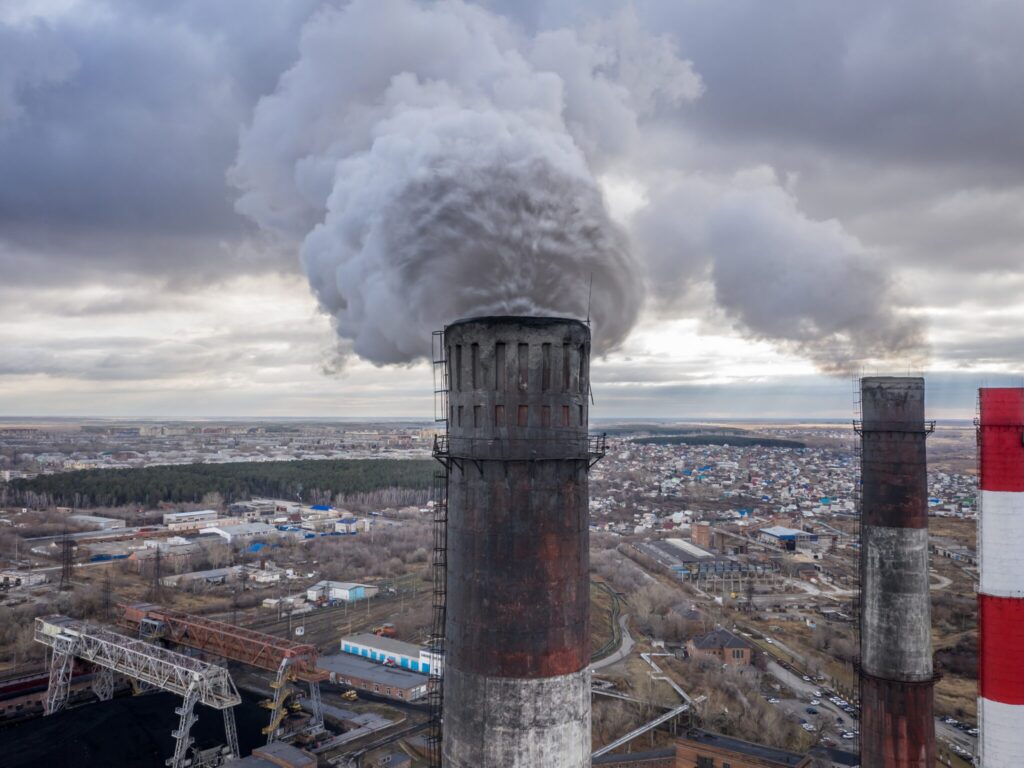
The CSDDD was adopted last year and requires companies to resolve human rights and environmental issues in their supply chains, or risk fines up to 5% of their global turnover. Currently, it applies to businesses with at least 1,000 employees and an annual turnover of €450M. The CSRD, meanwhile, covers companies with over 250 staff and a €50M net income.
As part of Ursula von der Leyen’s second term as Commission President, the EU is looking to simplify regulations and reduce compliance burdens on companies with the sustainability omnibus package.
Its initial proposal sought to raise the threshold for the CSRD to companies with over 1,000 employees. That, however, caused division in the Parliament, with left-leaning parties wanting smaller cuts and right-wing ones hoping to get rid of the rules altogether.
After the EPP (which von der Leyen belongs to) threatened to align with far-right parties, leftist and centrist factions of the EU agreed on a compromise package that would significantly raise the thresholds for both rules. This was narrowly defeated during voting.
Now, with the EPP making good on its threat, the MEPs have voted in favour of weakened ESG rules. The thresholds for the CSRD now include a minimum of 1,750 employees and annual revenues of €450M; the CSDDD now only applies to businesses with 5,000 employees and a turnover of €1.5B.
These changes mean that 92% of companies previously in the CSRD’s scope will no longer be subject to the rule, and eliminate the need for businesses to produce transition plans compatible with the Paris Agreement.
Companies below the new scope will be protected from requests for information greater than that set out in voluntary sustainability reporting standards. And the new rules will also shift liability for non-compliance away from the EU level, relying on individual member states instead.
EPP ‘blinded by rage’ towards Green Deal
The move has been criticised by green MEPs and climate campaigners. “These laws that provided hope, security, and promise for a fairer and more sustainable future have been reduced to performative exercises that have little effect on the real needs of people, nature, and businesses,” said Mariana Ferrira, sustainable finance policy officer at the World Wide Fund for Nature (WWF) Europe.
“This is not a time to slow down on our path to a more sustainable economy, but the EU is moving in reverse,” she added.
The WWF noted that the reduction of scope in reporting obligations is “very damaging”, as it signals to businesses that have been investing in effective disclosure systems that the EU does not support their efforts to become sustainable.
“The EU Commission bears significant responsibility in this debacle, having opened a Pandora’s box of sensitive files in a rushed and unevidenced process that created the conditions for a disastrous race to the bottom,” added Sebastien Godinot, a senior economist at WWF’s European policy office.
Terry Reintke, co-president of the Greens-EFA alliance, said the ESG rules were the best tools to discourage companies from relocating to countries that don’t respect social, environmental or human rights.
“Blinded by their rage towards the Green Deal, the EPP dismantled a legislation that not only protected the environment or prevented child labour in the value chain, but also preserved our businesses and our workers,” she said.
Her co-president, Bas Eickhout, added that the winners are the big corporations: “One more blow at the expense of EU jobs, cutting-edge investments – not to mention our planet or human rights and, more generally, our democracy.”
The EU’s shift towards environmental deregulation is unsurprising, given the ill-fated history of the Green Deal and consistent delays of sustainability initiatives, including the EU deforestation regulation, which was initially set to come into effect by December 2024, though has since been delayed by a year.