

Let Them Eat Steak: Food Companies Urge EU Not to Ban Meaty Names on Plant-Based Labels

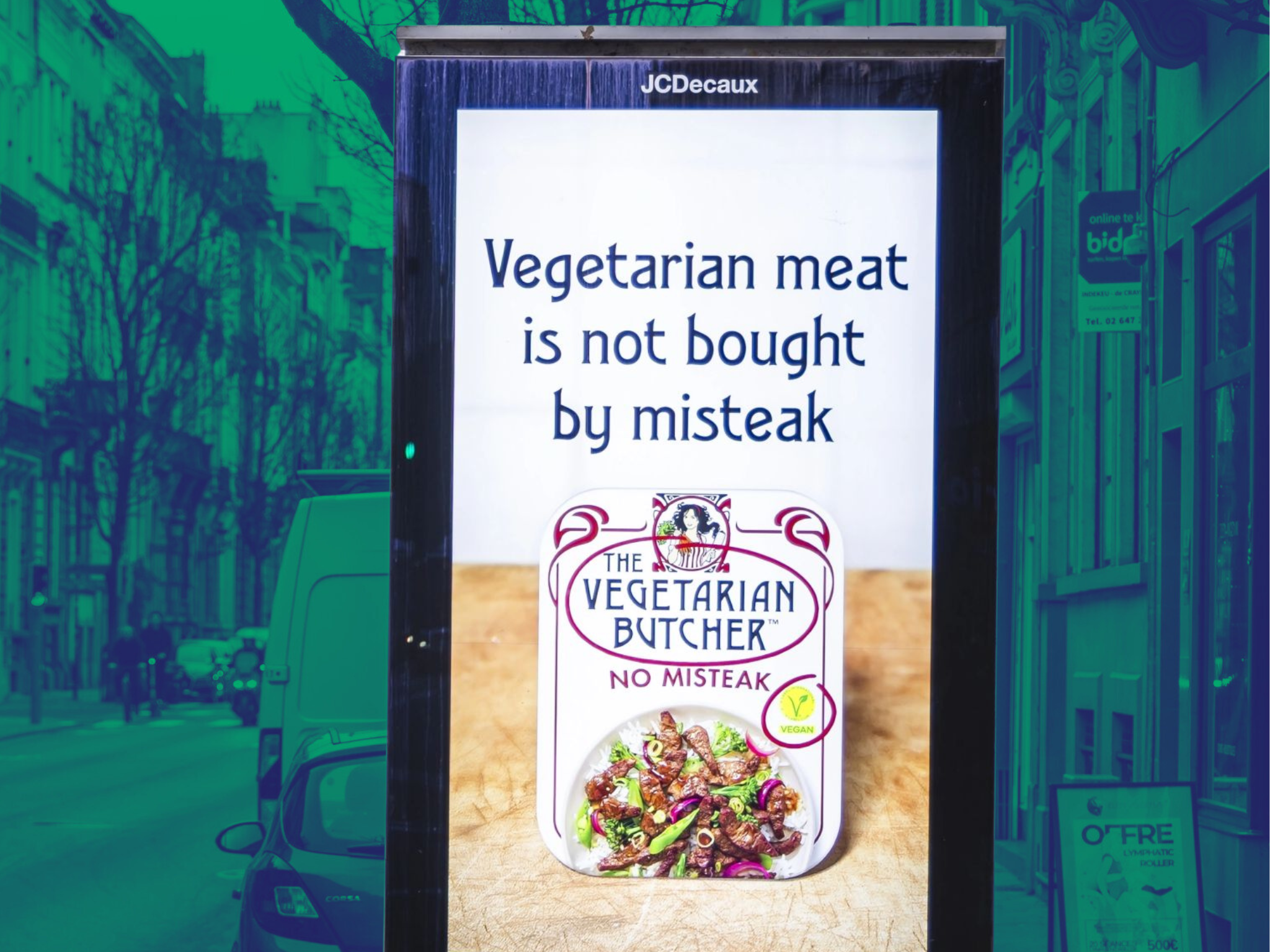
A group of 20 food companies are imploring the EU to reject a proposal that would prohibit plant-based products from using meat-like terms on their packaging, ahead of a vote next month.
Beyond Meat, Quorn, The Vegetarian Butcher, Linda McCartney and other leading plant-based businesses have penned an open letter asking the EU to reject the ‘veggie burger’ ban.
Last year, the European Parliament voted in favour of the proposal by French lawmaker Céline Imart, barring the use of words like ‘burger’, ‘steak’ or ‘sausage’ to market vegan meat alternatives.
But in interinstitutional negotiations in December, the EU Commission, Council and Parliament failed to reach an agreement on the ban, instead pushing the decision to Cyprus’s presidency of the EU Council. The vote is now set to take place in the next trilogue on March 5.
Ahead of it, some of the world’s largest plant-based food companies are calling on the EU to maintain the current regulatory approach for vegan labelling, arguing that a ban would create – not clear – confusion, particularly given the differences in international labelling norms.
“Imposing restrictions on these terms would introduce divergence between the EU and other major markets, including the UK and US, creating friction where alignment currently exists,” the letter states. “For companies supplying multiple jurisdictions, this would mean parallel labelling systems, increased compliance costs, and reduced efficiency without a corresponding consumer benefit.”
Labelling ban would require customers to learn ‘new, artificial lexicon’
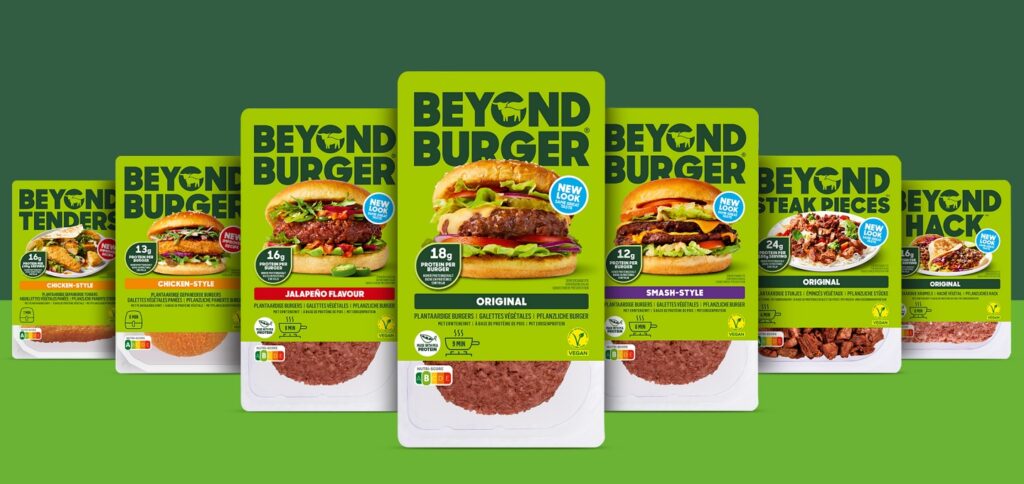
Advocates of the proposal argue that labelling vegan alternatives the same way as meat would confuse EU citizens – but this idea has been debunked repeatedly.
In 2020, 80% of polled respondents told the European Consumer Organisation that plant-based meat should be allowed to use such terms. In the 2023 Smart Protein survey, only 9% of citizens from nine member states said they didn’t recognise plant-based meat alternatives.
More recently, in a 20,000-person poll, 96% of Dutch consumers said a veggie sausage is, well, a veggie sausage. Nearly 70% opposed a labelling ban, and 63% didn’t think it was important to create regulations on this matter. And in a YouGov survey, 92% of Brits say they’ve never bought, or cannot recall buying, a plant-based sausage or burger thinking it contained meat.
“These familiar terms have been used in the category without issue for almost 40 years, providing a recognisable reference while also clearly communicating they are without meat,” said Rebecca Fairbairn, marketing and strategy director of meat-free at Hain Celestial, which owns Linda McCartney. “Banning these would add a level of confusion for shoppers that would be of benefit [to] no one.”
Even the European Court of Justice agrees with this – last year, it ruled that no member state can prohibit companies from using these terms, warning that it could create more confusion for consumers.
“From our direct engagement with consumers, these terms function as navigational tools. They help shoppers quickly understand how food products fit into a meal, how they are cooked, and how they replace or complement familiar foods,” the open letter reads.
“Removing this shared vocabulary would not clarify choices; it would require consumers to learn a new, artificial lexicon that varies by jurisdiction,” it continues.
“Calling something a plant-based burger or sausage doesn’t mislead anyone, it just helps people know what to expect and how to use it,” said Mark Cuddigan, CEO of This, one of the letter’s signatories. “This kind of restriction holds the industry back at a time when we should be making it easier, not harder, for people to choose more sustainable foods.”
Food companies would be hit financially, and not just in the EU
Aside from the consumer angle, the letter states that a ban on plant-based meat labelling would financially hurt food businesses across Europe, especially small- and medium-sized enterprises that rely on regulatory predictability.
“A sudden change in permitted terminology would impose disproportionate burdens on these operators, forcing rebranding, redesign, and legal review across multiple markets. At a time when the EU is seeking to boost competitiveness, simplify regulation, and support innovation, this would send a confusing and contradictory signal,” the companies argue.
“Here’s the thing: consumers are smart. They don’t need labels policing words like ‘burger’ or ‘sausage’ to know what they’re buying. Clear ingredient lists and a bit of common sense are enough. Banning familiar terms just makes life harder for shoppers and smaller producers, without helping anyone,” said Paul Garner, commerce area leader at Suma Wholefoods.
David Flochel, CEO of category leader Quorn, added: “At a time when Europe faces the urgent challenges of the climate crisis, biodiversity loss, and the need to fix our unsustainable food system, it’s regrettable that energy continues to be spent revisiting an issue that consumers settled long ago.
“In 40 years, not once has a customer told us they bought a Quorn product believing it to be meat. While we fully support rules that prevent misleading claims, we are concerned that these new restrictions risk creating unnecessary confusion and regulatory burden for both manufacturers and consumers.”
The letter, which was also signed by organisations like The Vegetarian Society, the European Vegetarian Union, and the Food Foundation, is a nod to the knock-on effect of a potential ban on the UK, thanks to a recently signed trade agreement.
“Decisions taken now will influence not only European markets, but also international trade discussions, regulatory alignment, and future innovation pathways,” it explains.
“Maintaining a proportionate, evidence-based approach, focused on transparency rather than prohibition, helps preserve the EU’s reputation as a stable, dependable, and forward-looking regulatory environment.”
EU ‘veggie burger’ proposal faces overwhelming opposition
Efforts to ban vegan products from using ‘bacon’ and the like on their packaging aren’t new – it’s a conversation that has bubbled for a decade. And in 2020, the EU Parliament voted against a similar proposal.
But it has persisted, despite meeting with backlash from all quarters of the bloc. Manfred Weber, head of the EPP (which Imart belongs to), called the ban unnecessary, telling reporters: “People are not stupid, consumers are not stupid when they go to the supermarket and buy their products.”
In the UK, a group of eight MPs published an open letter urging the EU to reject the proposal, which would affect the British market thanks to a recently signed trade agreement. Celebrities like Sir Paul McCartney and his daughters, Mary and Stella, joined this call.
Supermarkets, food producers, restaurants, and consumers have spoken out against the move too, with nearly 340,000 signatures collected by multiple petitions urging the EU to reject the proposal.
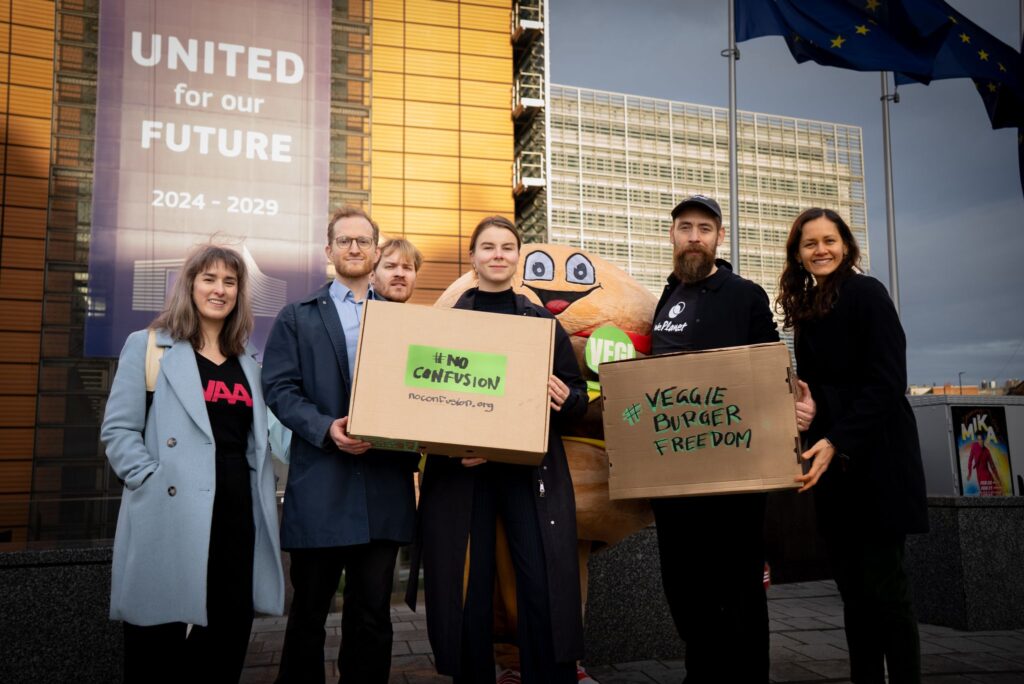
Dutch MEP Anna Strolenberg delivered a symbolic petition to the Commission a day before the last trilogue, highlighting those citizen signatures and an open letter signed by over 600 companies and organisations in opposition to the proposal.
“Such types of useless ideological policies are exactly what give a bad name to the EU. In times of war, climate crisis, and democratic breakdown, where strong policies are lacking, we are discussing burgers and sausages. That’s not what people are waiting for,” she told Green Queen in a December interview.
Explaining why the EU failed to reach an agreement, she bemoaned the support for the proposal from the centre-left Socialists & Democrats (S&D) party, while also highlighting the “very close contact between the rapporteur and pressure groups coming from the livestock industry”.
Now, the 20 businesses are asking the EU to let veggie burgers be, avoid introducing terminology bans that create market fragmentation, and continue prioritising its alignment with global trading partners.
“EU decision-makers must recognise the global risks of pursuing a terminology ban to address a problem that simply does not exist,” said Jenny Canham, public affairs lead at The Vegetarian Society. “What we truly need is clear labelling, not unnecessary language barriers.”