

Just One Extra Fava Bean A Day Could Save Europeans €42M in Healthcare Costs

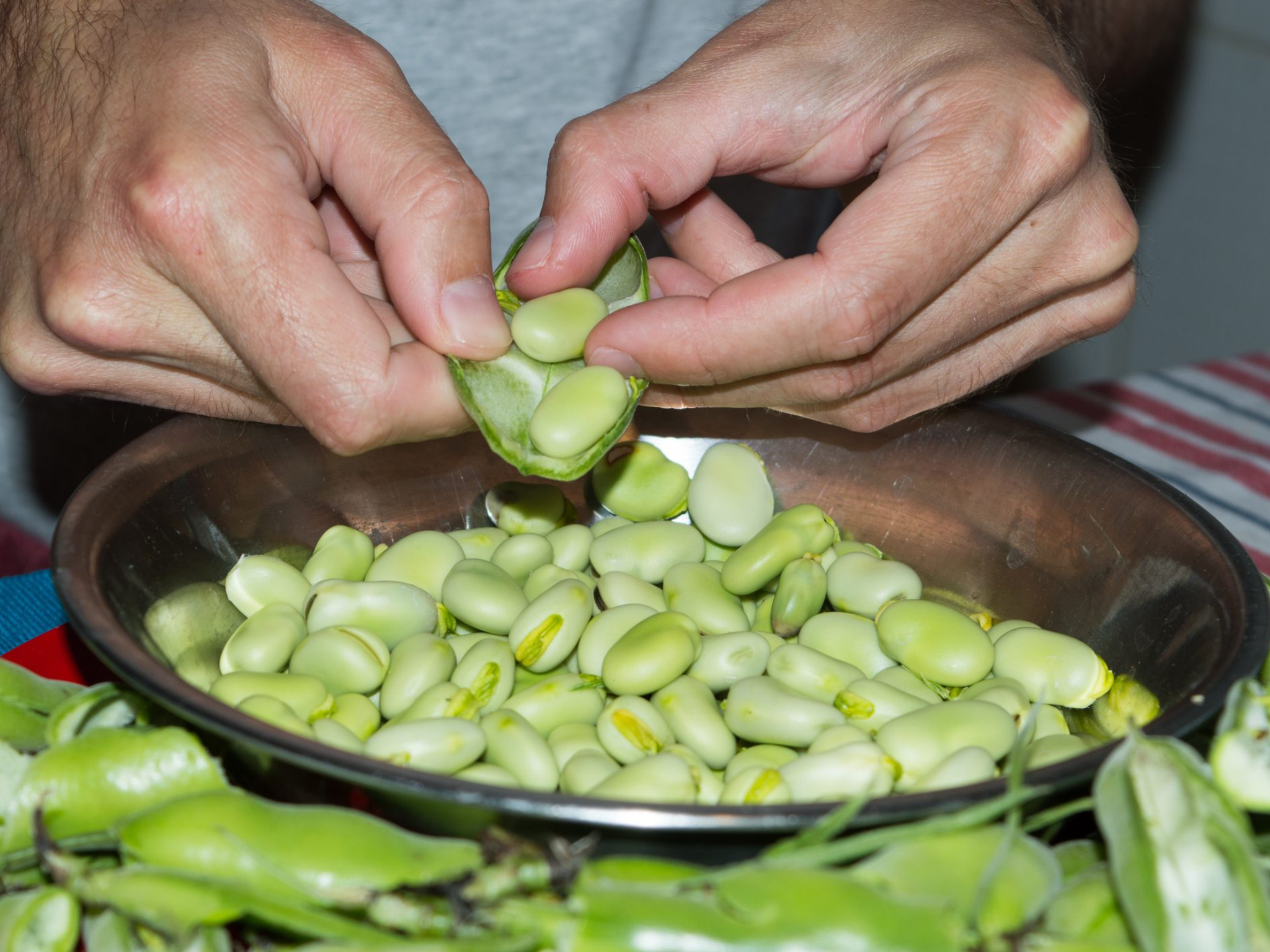
A new report suggests that doubling fava bean production in Europe could save tens of millions in healthcare costs and elevate farmer incomes by 20%.
Europe’s food system faces four interconnected crises – declining strategic autonomy, rising health burdens, environmental degradation, and low farm incomes. Legumes could fix it all.
That’s the consensus of a new report by The Protein Project, which charts a roadmap “towards a legume renaissance in Europe”. Expanding the production of legumes would generate significant benefits for the continent, with fava beans showing particular promise as a catalyst.
Favas are Europe’s oldest cultivated legumes and their potential has largely remained untapped in recent decades. Fava beans can fix soil nitrogen, lower the need for chemical inputs, regenerate soils, reduce emissions, restore biodiversity, boost public health as a source of fibre and nutrition, and strengthen farmer incomes.
However, they face “underinvestment, fragmented markets, underexplored processing, and insufficient demand”. This creates a cycle where farmers are discouraged from scaling production due to low profitability, which in turn limits investment in infrastructure and market development. “Breaking this cycle requires coordinated action across the entire value chain,” the report states.
The challenges and opportunities presented by fava beans

The majority of the fava bean supply (around 85%) goes to the animal feed sector, and to ensure farmer profitability, the report calls for a steady growth in demand for both food and feed.
According to the analysis, Europe’s demand for fava beans is set to double by 2040, with 32% destined for human applications and 20% for exports. The rise in the food vertical roughly translates to one fava bean per person per day across the EU.
This growth would help reduce chemical fertiliser needs by 63,000 tonnes and protein meal imports by 350,000 tonnes annually, while lowering pesticide use by over 200 tonnes and greenhouse gas emissions by seven million tonnes.
Fava beans are significantly higher in fibre than the average protein source consumed by Europeans today, and the increase in fibre would help lower the incidence of heart disease and type 2 diabetes, delivering €42M in annual healthcare cost savings. Plus, they can help boost farmer incomes by up to 20%.
The fava bean supply chain suffers from several obstacles. On the R&D front, there’s limited progression in the development of new inputs and a lack of research on usage impacts as feed. For farmers, these legumes provide insufficient revenues from primary production, and pose crop transition risks.
The investment and business landscape is challenging – uncertainty and fluctuating downstream demand weaken returns and can stall projects. And once facilities are built, they must run close to full capacity to meet targets. Plus, the price of locally produced fava beans that would enable EU farmers to be paid fairly cannot compete with that of imports.
The nutritional and physical properties of fava beans are also highly variable across harvests, affected by seed variety and growing conditions, and regulation has not kept pace with the sector’s needs.
On the industry side, fava beans remain on the fringes of supermarket meals and restaurant dishes. And while they’re increasingly used in processed foods, this does little to build familiarity. This is why their adoption among consumers remains limited, a problem confounded by a lack of marketing and unfavourable VAT rates in comparison to animal proteins.
The strategic outcomes that will realise Europe’s legume renaissance
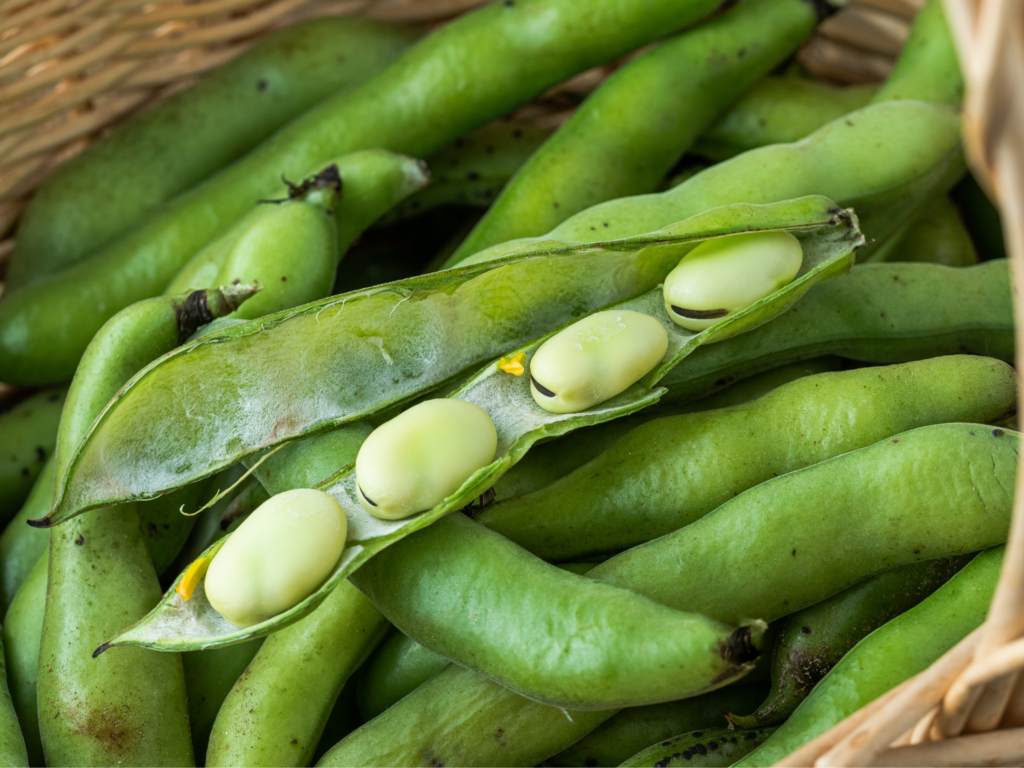
The Protein Project calls for coordinated action across the entire value chain, setting out seven strategic outcomes to shore up Europe’s legume sector.
The first such outcome would see on-farm trials and applied research equip farmers have the seeds, inputs, tools and knowledge to reach target yields and harvest quality of fava beans across different production methods.
Second, European farmers would be supported to start cultivating legumes through transition support and financial instruments that cover the risks of the initial years, and be rewarded for the resulting societal benefits.
The continent’s legume renaissance would be boosted by a strongly coordinated EU value chain too, with fava bean farmers well-organised and effectively supported for production, processing, and contracting.
Another strategic outcome would be the establishment of clear and enabling regulations for the use of fava beans in food and feed to support versatile applications and place these legumes as a go-to ingredient.
Moreover, the EU’s storage, distribution and processing infrastructure for fava beans will be well-developed around key clusters of production, strengthening rural development. And public and private actors will offer healthy, tasty and sustainable food options with fava beans at the core.
The final outcome that would boost the EU’s legume sector would see fava beans become an easy, affordable and appealing choice for European consumers, backed by supportive dietary guidelines from national governments.
“Today, the fava bean sits as a minor crop, constrained by low yields, unpredictable quality, underexplored processing, and insufficient market demand,” the report states. But there’s a lot of room for growth, and succeeding here would benefit farmers, rural communities, food manufacturers, and consumers alike.
“Europe will reclaim strategic autonomy: no longer vulnerable to distant geographies, volatile import markets, or supply chain vulnerabilities,” it adds.