

Beans & Pulses Set to Outpace Meat Sales Globally As Protein Boom Continues

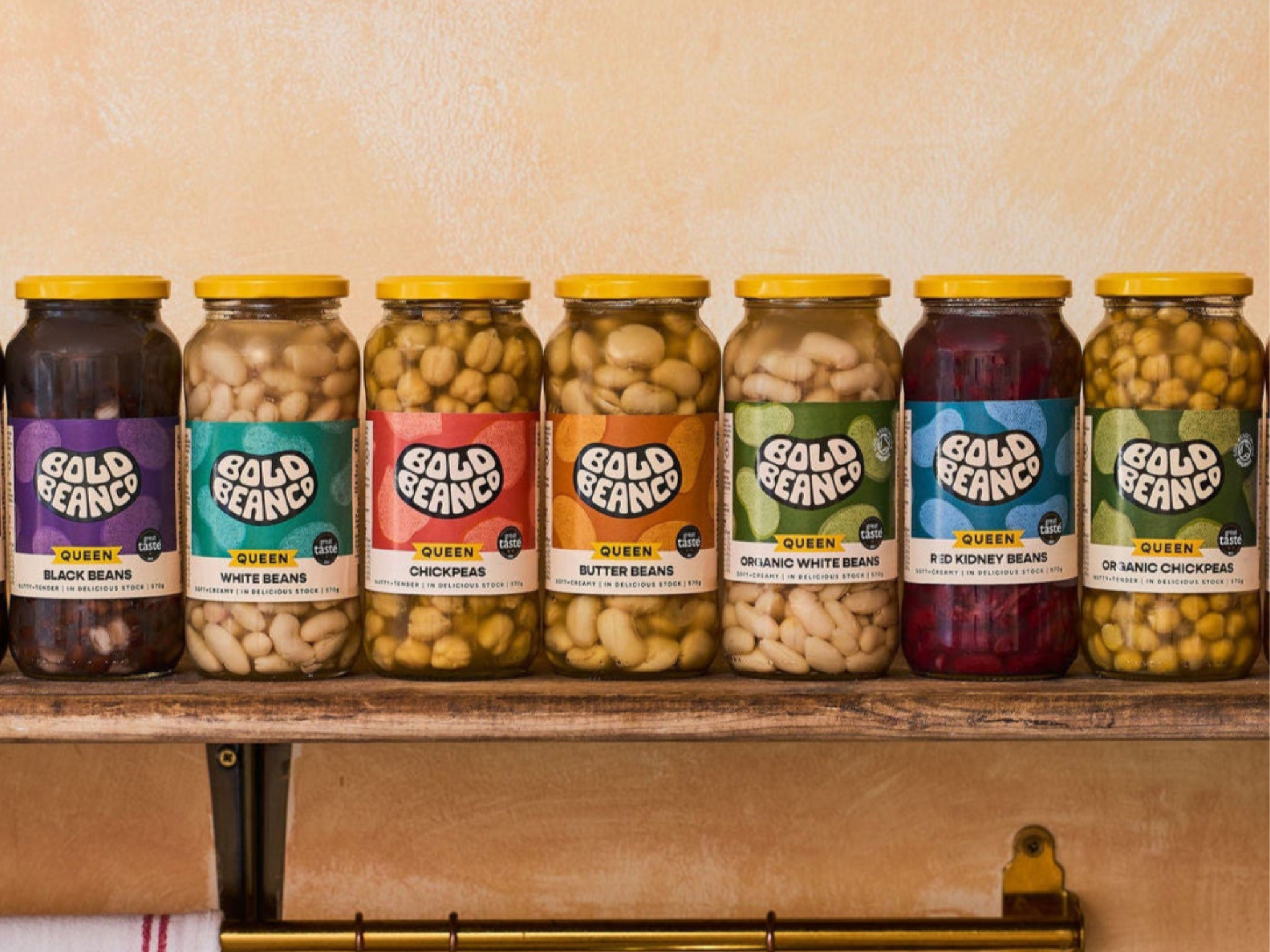
Volume sales of legumes like beans and pulses are predicted to outpace meat in all but one region through to 2030, with the demand for protein showing no signs of tapering off.
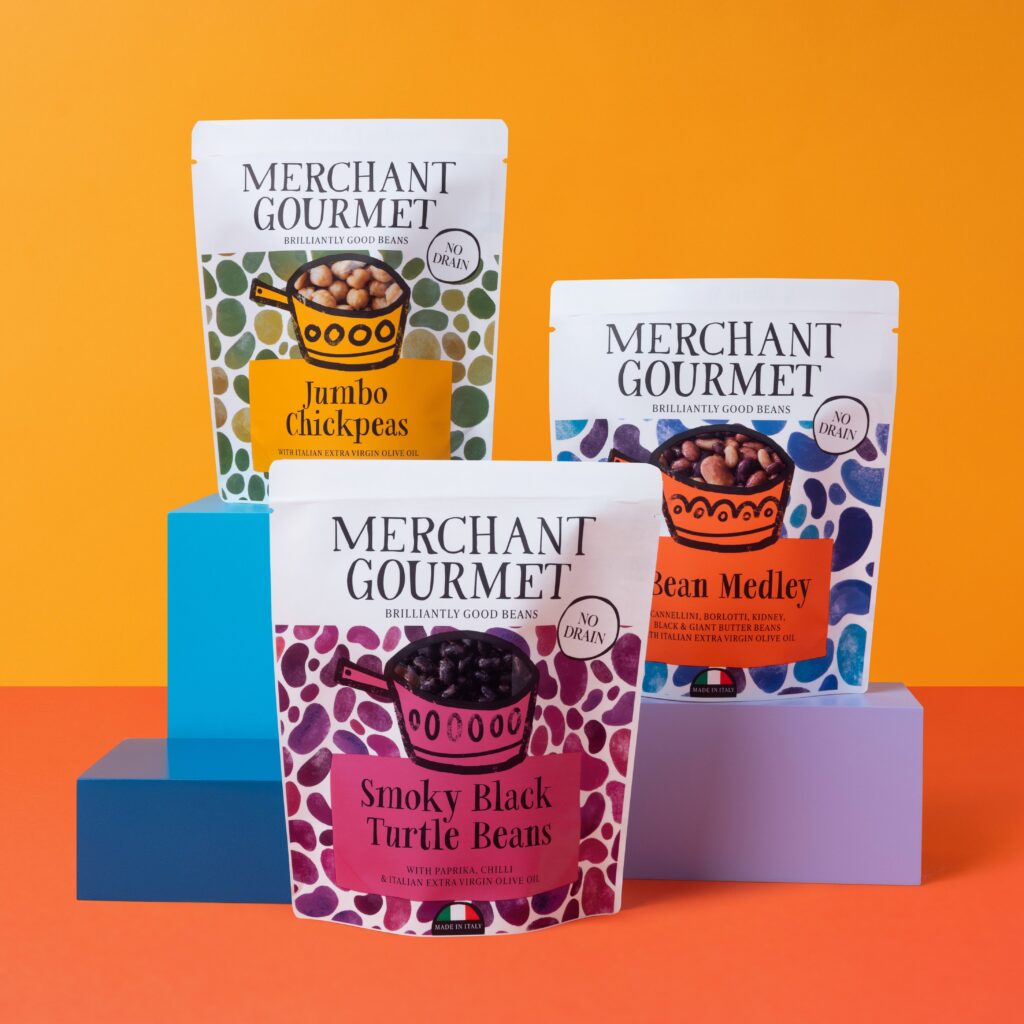
Beans have been at the heart of food discourse over the last couple of years, as consumers look to max out on protein and fibre.
At the same time, meat prices are skyrocketing due to supply shocks driven by the convergence of the climate crisis and geopolitical tensions. This has made legumes a much more affordable and attractive source of protein in many countries.
This is backed by new analysis from GlobalData, which suggests that legumes will remain ascendant. Globally, the volume sales of beans and pulses are forecast to expand at a compound annual growth rate of 1.7% through 2030, far faster than meat volumes, which are set to grow at a 0.7% CAGR.
This data holds true across all regions except Latin America, indicating that demand for legumes will increase despite starting from a smaller base than the meat sector.
Asia will lead the legume renaissance
GlobalData’s research shows sustained demand for protein worldwide. Its survey for Q1 2026 found that 50% of consumers plan to maintain their current protein levels over the next 12 months, while another 36% plan to increase their intake.
The corresponding survey a year ago had revealed that a third of respondents (32%) looked for protein on packaging when deciding how healthy a product is. “Consumers are interested in protein and value its health benefits,” said Eve Forshaw, consumer analyst at GlobalData.
The American Heart Association’s (AHA) latest dietary guidelines highlight nine key elements for a heart-healthy diet, including a shift to healthier protein sources, such as swapping meat for plant-based options like legumes, nuts, and seeds.
“The AHA’s advice aligns with the emerging trend of Zebra consumption, whereby consumers alternate between meat- and plant-based proteins to achieve a more balanced dietary profile,” Forshaw noted.
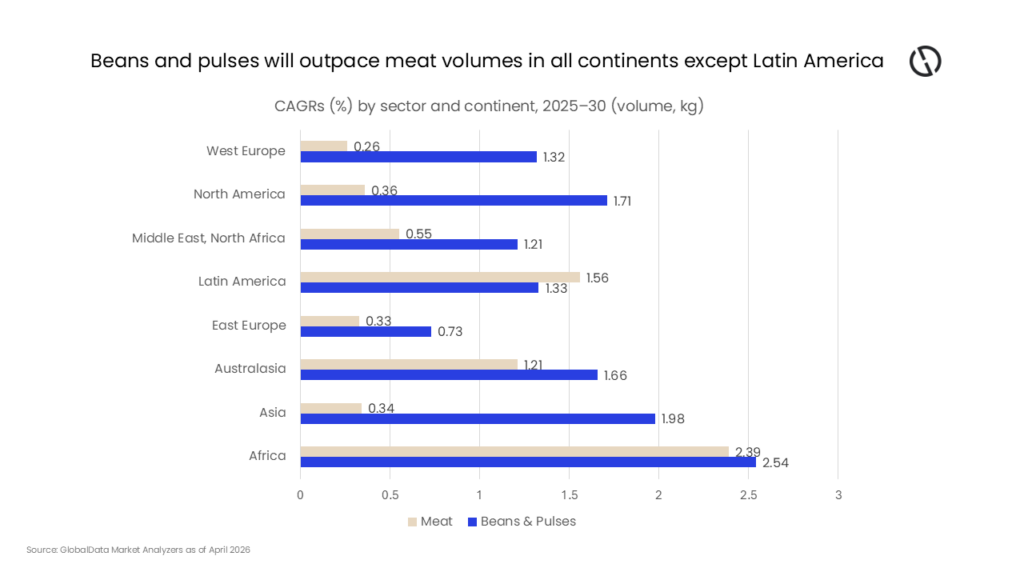
This is likely what will drive the bean economy until the end of the decade. GlobalData predicts volumes to grow fastest in Africa, expanding at a 2.54% CAGR, though meat forecasts show a similar rise (2.39%) in the continent.
The largest gap, however, will occur in Asia, where meat sales will only lift by 0.34%, but beans and lentils are set to witness a 1.98% hike, nearly six times higher. The CAGRs for these plant proteins are much higher than meat in North America (1.71%), Australasia (1.66%), and Western Europe (1.32%).
In Latin America, GlobalData estimates a 1.33% CAGR for beans and lentils, but a higher 1.56% rate for meat.
The expanding interest in traditional plant proteins comes despite a lack of consumer awareness. GlobalData’s 2025 survey revealed that only 7% of consumers were unfamiliar with both chicken and meat, but this rose to 13% for soy protein, 21% for pea, and 38% for hemp.
“Despite lower familiarity with plant protein sources, there is a growing appetite for protein-rich plant-based foods,” said Forshaw.
Mung beans in the spotlight
The data analysis firm suggests that mung beans are the prime “meat-comparable” innovation opportunity for food manufacturers. They’re high in protein – offering around 27g per 100g, on par with chicken and red meats – and can be used in a large variety of dishes.
Mung has been consumed for thousands of years in the Indian subcontinent and Southeast Asia, where it forms the base of dishes such as dal, breakfast crêpes, soups, and more. It’s revered for being an inexpensive source of antioxidants and dietary fibre that contains all essential amino acids.
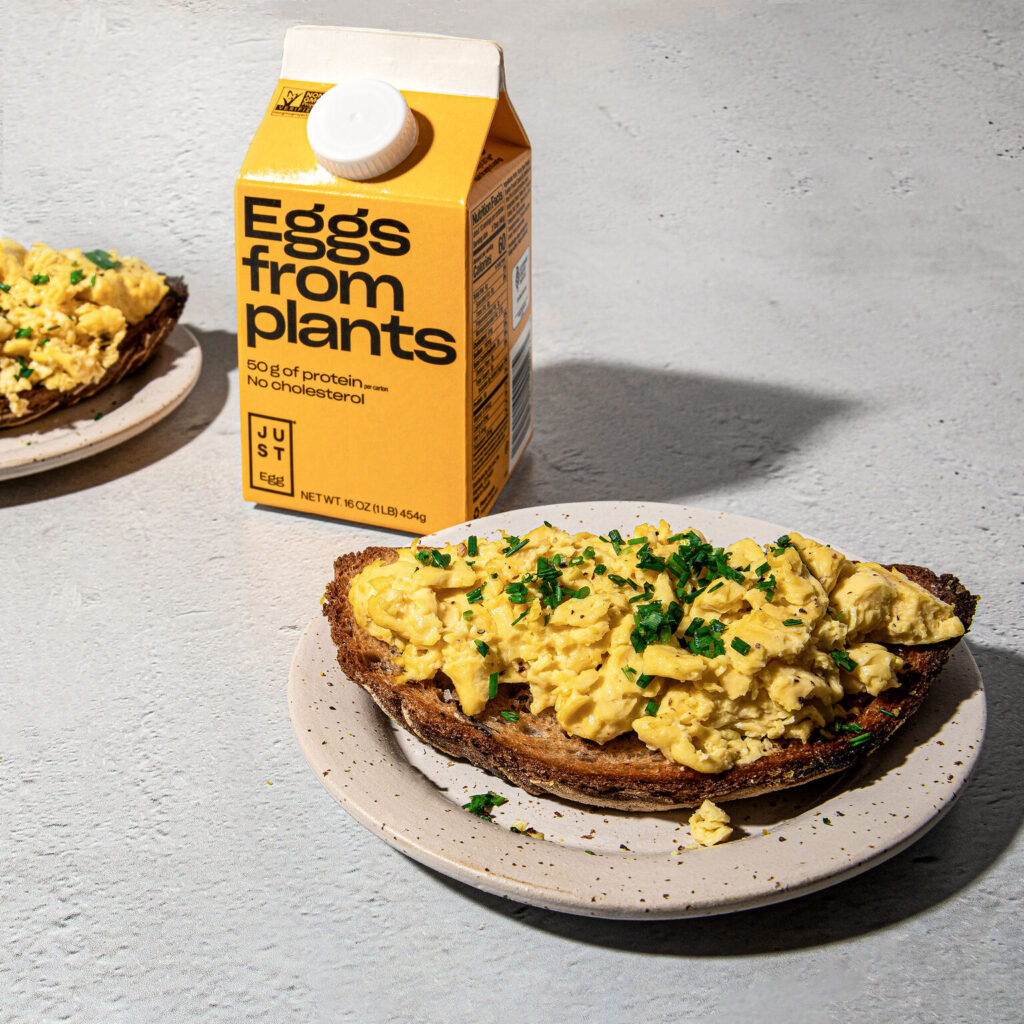
Food tech startups have been leveraging the ingredient’s functional properties to develop innovations such as vegan eggs. California’s Eat Just isolates protein from mung beans to create the liquid Just Egg, which replicates the structure and texture of scrambled eggs and offers the same gelation, thickening, binding and emulsification properties for use in other dishes.
“Mung beans stand out as a commercially attractive offering: they deliver meat-comparable protein levels in whole-food forms while also having properties like gelation, emulsification, and binding in their protein isolate,” said Foshaw.
“For manufacturers and investors, this dual role (cupboard whole-bean staple, plus functional use for plant-based eggs and adjacent applications) makes mung beans an exciting route to capture the next phase of plant-based protein growth,” she added.
Inflation drives bean market forward

The data comes as legumes take centre stage in national dietary recommendations, with the updated guidelines from the Netherlands and Finland advocating for a shift from meat to beans.
In the UK, health experts are calling on the government and businesses to “make beans and whole plant foods more appealing”. And meals made from vegetables, beans and legumes saw the highest net increase (46%) among the entire plant-based category in 2024.
“Promotional spend ought to be redirected towards nutritious plant foods in order to make them more appealing. Advertising and promotional strategies should be focused specifically on beans as the most affordable, sustainable and healthiest plant-based alternatives to meat, where intake is not patterned by level of income,” the Food Foundation said.
This will only continue as meat prices soar – since 2020, the average cost of meat in British supermarkets has risen over six times faster than shelf-stable beans. And the demand for “veg-led foods” rich in protein and fibre has put vegan food back in growth for the first time in years in the country, according to Tesco.
A growing micro-trend focused on whole-food plant proteins – including beans, lentils, chickpeas, tofu and wholegrains – is helping to drive renewed sales, signalling a shift from short-term trend to lasting dietary change,” said Bethan Jones, plant-based food buyer at the retailer.