

US Army Issues Call to Manufacture Plant-Based Meat for Military Meals in Combat Zones

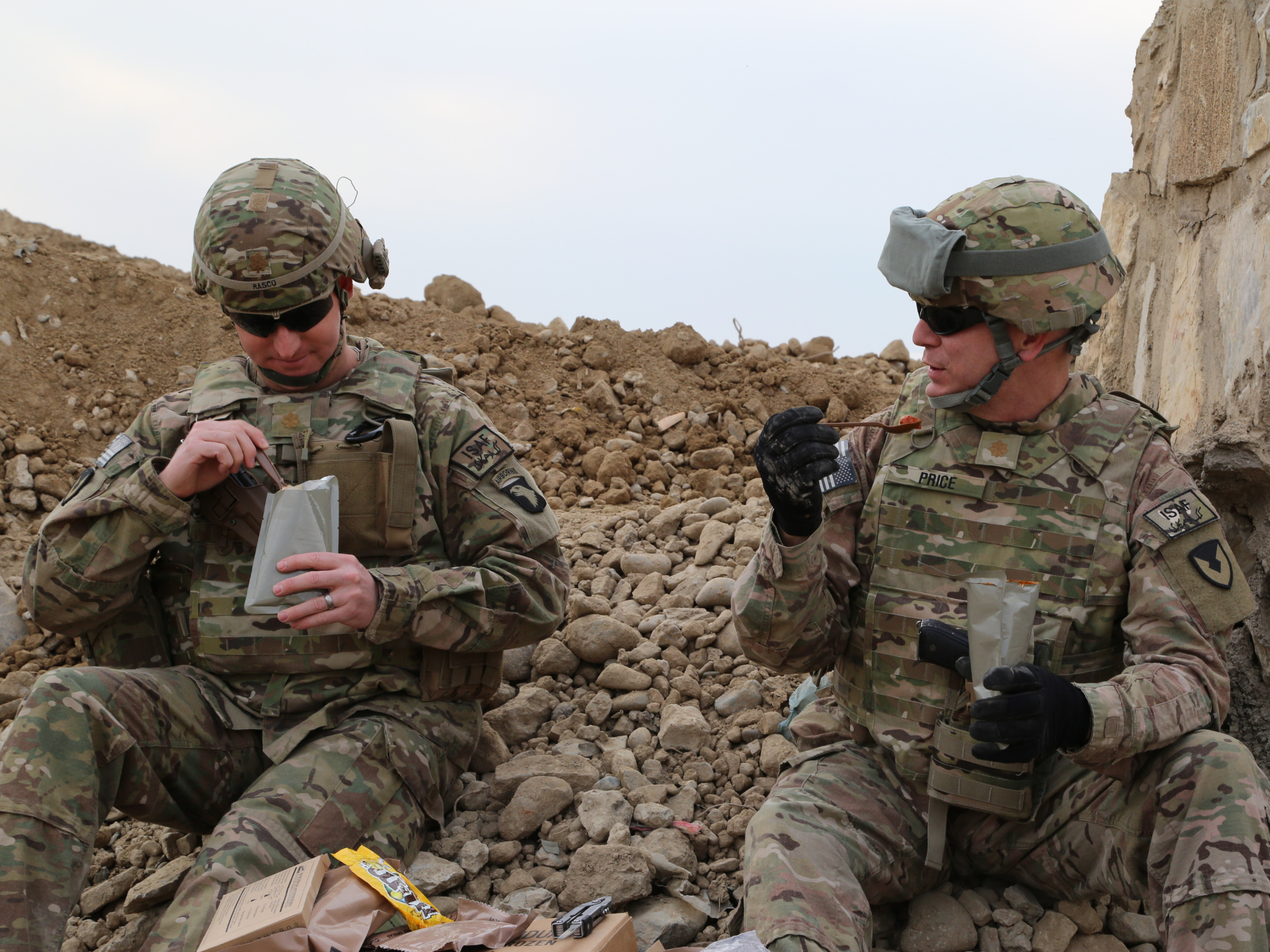
The US Army has issued a bid to companies and researchers to develop technologies to manufacture alternative proteins for soldiers on the front lines.
A year ahead of the introduction of vegan options in the military meals programme, the US Army is exploring the production of plant-based and fermentation-derived proteins to keep troops well-nourished in combat zones.
In a Sources Sought notice published in late April, the Army Combat Capabilities Development Command Soldier Center said it is seeking industry and academic partners to collaborate on the development of alternative proteins for the military.
With a deadline of May 15, the service is “exploring how the emerging alternative protein sector can help meet several objectives, including enhancing food supply chain resilience, enabling biomanufacturing of foodstuffs in combat-forward environments, and providing tailored, high-quality nutrition to the warfighter”.
The products developed would be used in the Meals, Ready-to-Eat (MREs) programme – these are dehydrated field rations for soldiers in combat or in situations where cooking isn’t possible. It will also enable the manufacturing of these proteins in combat zones.
US Army’s call includes precision fermentation, but not cultivated meat

Each year, food scientists at the DEVCOM Soldier Center’s Combat Feeding Division work to develop new components of the MRE menu, based on feedback from service members and food trends in the commercial sector. For MRE 47, due in 2027, one request from soldiers was to include more plant-based meals.
It’s why the Combart Feeding Division is looking to partner with the commercial and academic sectors to “advance technology development” in this area. The army is looking to develop innovative meat alternatives for MREs, so they’ll need to meet “stringent requirements for nutrition, shelf stability, and palatability”.
The project aims to create innovative technologies for alternative proteins to reduce soldier load. The army is seeking “advanced technologies and processes, involved in fermentation, precision fermentation, or other novel biomanufacturing methods, that enhance the production of alternative proteins”.
“These technologies should focus on creating lightweight and nutrient-dense ration solutions to reduce logistical burdens and physical load on warfighters while maintaining or enhancing nutritional value and operational performance,” the notice reads.
It adds that additional funding in specific components of the research would “significantly accelerate” tech advancements and manufacturing readiness, enabling a faster path to operational use.
Notably, the call explicitly states that the research project will not include cultivated meat or insect protein. This comes nearly two years after meat industry lobbyists forced the Department of Defense to withdraw a call for funding applications to develop cultivated meat for military rations.
“If the proposal includes sensory evaluation, all components should possess GRAS (Generally Recognized As Safe) status,” the notice adds. “Otherwise, all the components should have an understood pathway to achieving GRAS status.”
Soldiers support vegan MREs, which will debut in 2027

The US Army is on the hunt for partners to conduct comprehensive consumer research to enhance the military’s acceptance and consumption of alternative proteins. This could include focus groups, sensory panels, and even field tests.
The prototypes developed through this project will be provided to the government for sensory acceptability and other performance characteristics, and will also be tested by the army’s own test panel of experts.
This call comes months after the US Army confirmed it will begin offering vegan MRE options from 2027. The current 24-strong menu contains only four meatless dishes; next year, these vegetarian MREs will be replaced with fully plant-based meals.
The Combat Feeding Division has already developed several plant-based snacks, including animal-shaped crackers, a protein bar, a recovery bar, and a fruit-flavoured cereal.
The US military issues over 37 million MREs every year, so the move could result in more than six million vegan meals served to service members annually, according to animal rights charity Mercy for Animals. This will cater to the 81% of service members who told the organisation in 2022 that the military should provide plant-based MREs.
The survey further found that 81% of troops would pick climate-friendly MREs if given the option, and 63% would choose vegan over meat-based ready meals.
Plant-based dishes have previously been available at specific army facilities. In 2019, one vegan soldier successfully campaigned to include a plant-based main at every meal in a US Army dining facility.
And in 2024, Impossible Foods began working with US Army Central to serve its meat alternatives at military cafeterias in North Africa, the Persian Gulf, the Middle East, and Southwest Asia. Months later, Korean food giant CJ CheilJedang rolled out its Bibigo plant-based dumplings to grocery stores inside US military bases in South Korea.