

Germany’s MicroHarvest to Deploy Microbial Protein in 15 Low-Carbon Pet Food Products

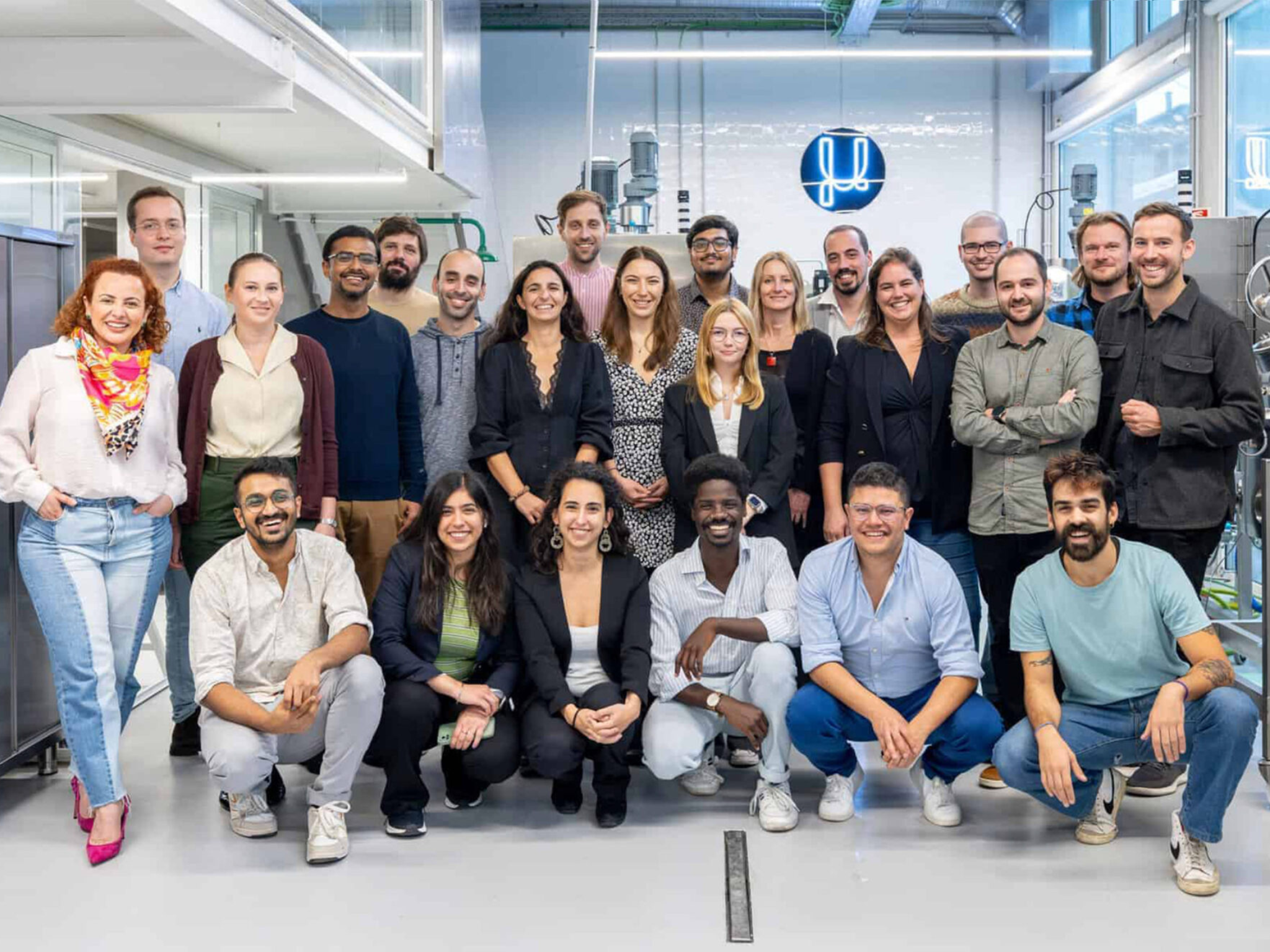
German food tech startup MicroHarvest will roll out 15 new products with partners across Europe by the end of June, all fuelled by its waste-upcycled microbial protein.
Climate-friendly pet food has been on the ascendance over the last couple of years, and a flurry of innovations over the next couple of months is set to further the momentum.
These products will be based on a waste-derived microbial protein developed by MicroHarvest, a Hamburg-based startup specialising in fermentation.
By the end of Q2 2026, the company’s ingredient will be part of 15 new pet food launches across Europe, with partners including Hey Bones (founded by animal health influencer Murat Colak), Vetura, and AniAma (the direct-to-consumer brand of Vulfi).
This builds on previous rollouts with fellow German alternative protein startup Vegdog (dog and cat treats) and UK firm The Pack (oven-baked Gut Bites), and comes three months after MicroHarvest received a €5.5M ($6.5M) grant from the German government to open an industrial-scale facility.
MicroHarvest touts strong demand and repeat orders
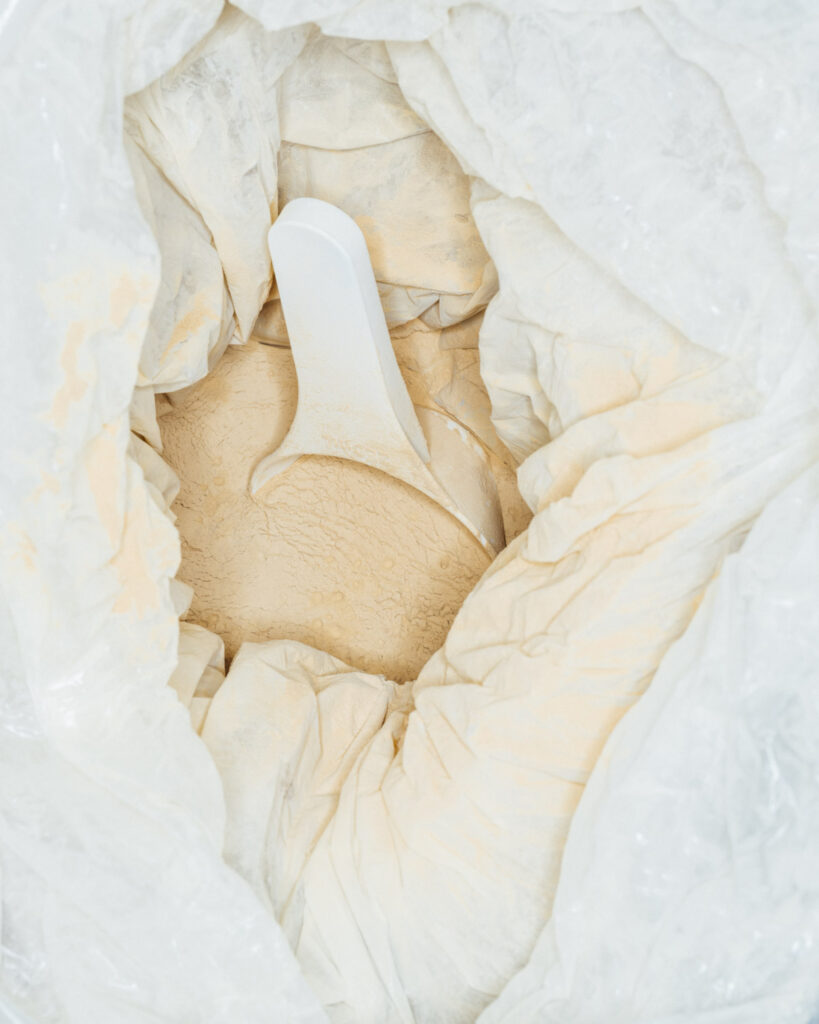
MicroHarvest makes proteins for an array of industries, all based on a biomass fermentation process that takes just 24 hours.
The firm feeds microbes from the same bacteria found in kimchi, kefir and sauerkraut on agricultural waste. Once harvested from the bioreactor, the biomass undergoes heat treatment and is dried to produce a stable protein ingredient.
The resulting biomass has over 60% raw protein content, a complete amino acid profile, high digestibility, essential micronutrients, and an umami flavour that increases palatability.
Its MPX Care ingredient is designed for use in pet food, and palatability tests show that even selective small dogs consistently preferred food containing the microbial protein. They found that 58% of dogs chose a meal of MPX replacement formula kibble first over the reference, and ate 44% more of it too.
According to the startup, the product’s early market performance indicates strong demand, with several partners selling initial volumes quickly and generating repeat orders.
This includes collaboration with Vegdog, which will continue to expand its product portfolio after finding success with initial launches in the dog and cat treat categories, now available in more than 1,800 retail locations in Germany.
”What we are seeing now is a clear shift from initial product launches to repeat demand and strong portfolio expansion,” said Katelijne Bekers, co-founder and CEO of MicroHarvest.
“Our international partners are not just testing the ingredient; they are building it into multiple products and scaling volumes. That’s a strong signal that microbial protein can work within real commercial environments, from formulation through to consumer acceptance.”
New factory will meet expanding demand for MicroHarvest’s proteins

The company says it operates as a B2B ingredient platform within the pet food value chain, enabling partners to incorporate its protein into existing formulations and manufacturing processes. That has helped support adoption across a broad partner base, from established brands to emerging D2C players.
MicroHarvest also produces two ingredients for aquaculture feed. MPX Boost is a protein similar to MPX Care, while Hilix is made by treating cells before drying, and provides semi-essential nutrients.
Germany is its market with the deepest penetration and partner activity, thanks to its Hamburg-located headquarters, and the UK represents an additional key base.
It is now progressing plans to build its first large-scale production plant in Leuna, Germany, which is set to be completed by the end of 2027 and will have an annual capacity of 15,000 tonnes of microbial protein for use in pet food, aquaculture, and even human food.
MicroHarvest has already secured regional availability to support a short, local supply chain in Leuna. It chose the city after reviewing 40 sites across Europe, finding its strong regional feedstock proximity, high-quality industrial infrastructure and utilities, and well-established industrial cluster a winning recipe.
The upcoming launches follow several advancements in climate-friendly pet food this year. Last month, Bond Pet Foods bagged an investment from German flavour and chemicals giant Symrise, with the two companies working together to create precision-fermented proteins for cats and dogs.
Meanwhile, in Singapore, Friends & Family Pet Food launched eight cultivated meat products targeting different pet needs, with another four set to be rolled out this month.