

Mondelēz International to Develop High-Protein Snacks with Alpine Bio’s Whey Alternative

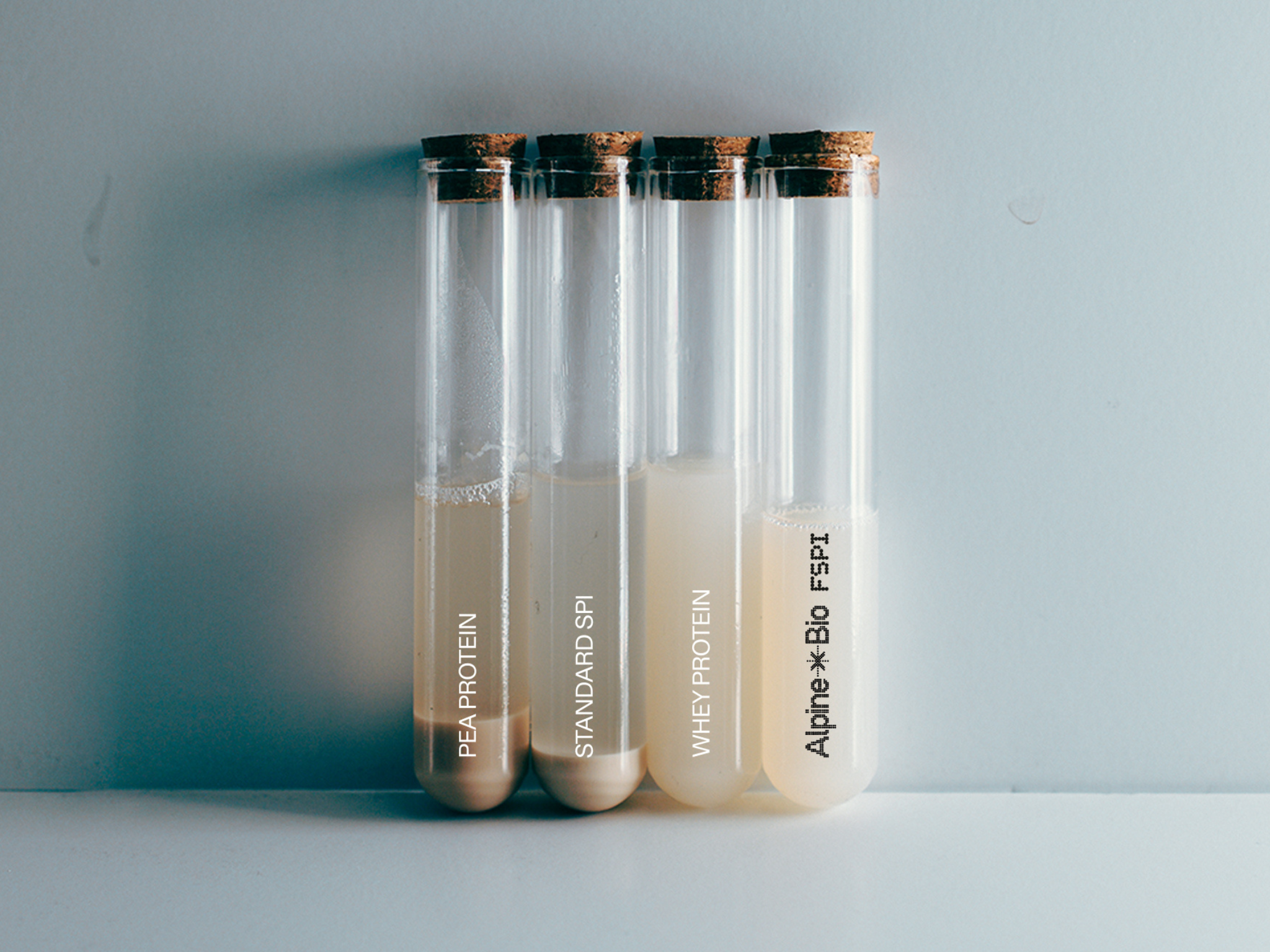
Mondelēz International has announced the third cohort of its CoLab Tech accelerator, with Alpine Bio selected to co-develop snacks using its fractionated soy protein isolate.
As the food industry grapples with a whey shortage, snacking giant Mondelēz International is looking to secure the protein supply chain through a partnership with Californian food tech startup Alpine Bio.
The Oreo maker has announced the 2026 cohort of its CoLab Tech accelerator, which represents startups focused on sustainability, ingredient science, and food technologies.
Alpine Bio is one of the nine companies selected, with founder and CEO Magi Richani noting that it will work with Mondelēz International to develop high-protein snack products using its fractionated soy protein isolate (FSPI).
“We couldn’t be more excited about the opportunities ahead and look forward to building on this momentum together,” she said in a LinkedIn post.
Alpine Bio’s soy protein isolate designed to do whey’s job
Formerly Nobell Foods, Alpine Bio began as a molecular farming company, aiming to express casein proteins within soybean plants to produce animal-free cheese.
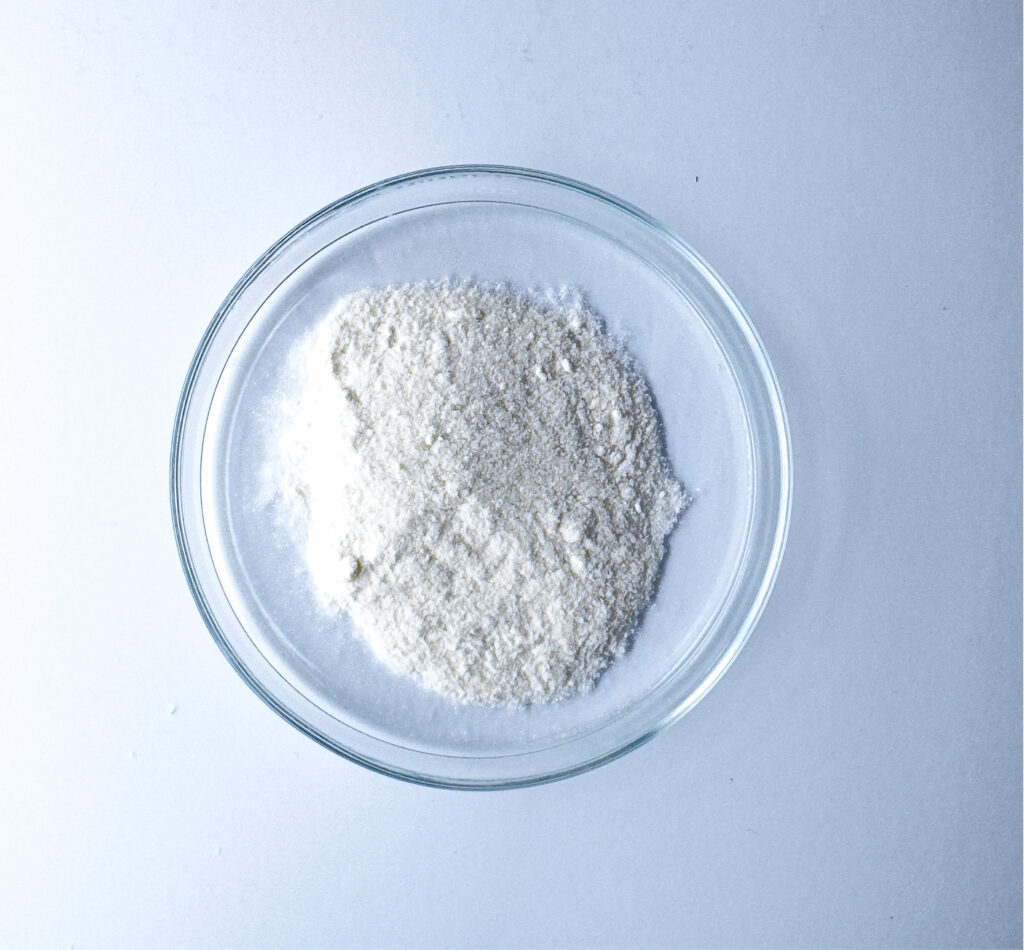
Last year, it expanded its operations with the introduction of FSPI, a highly soluble protein ingredient made from non-GMO soybean flour. It’s a neutral-tasting, complete protein purposely designed to “do whey’s job”, Richani told Green Queen last week.
“Solubility makes or breaks a protein drink, and it’s historically been whey’s biggest advantage over plant proteins. FSPI dissolves cleanly across a broad pH range (water, juice, coffee) without grittiness, gelling, or sedimentation. That gives formulators headroom to push protein per serving without sacrificing texture,” she noted.
FSPO contains all essential amino acids and the structure-building functionality whey is revered for, while also addressing the off-flavours that deter manufacturers from many plant proteins.
“Beany, earthy, and bitter notes force brands to bury the base under sweeteners and masking flavours. We’ve put enormous work into removing that,” Richani explained. “The most common reaction when customers first evaluate FSPI is genuine surprise at how neutral it is, which lets formulators build flavour on a blank canvas instead of spending money covering one up.”
Mondelēz International has recognised this, too. “Proteinifying the baking and snacking world demands a protein that actually performs,” Richani wrote on LinkedIn.
She added that FSPI does not leave a gritty texture and actually “disappears into the product”, while offering dairy-like functionality and being more sustainable than whey.
A life-cycle assessment (LCA) conducted by DuPont puts soy protein isolate at around 2.4 kg of CO2e per kg of product, versus 16kg of CO2e for the same amount of whey protein concentrate: “That’s nearly a 7x difference, and it’s consistent with the broader LCA literature: plant proteins carry a materially lower footprint than dairy,” Richani told Green Queen last week.
As whey shortage accelerates, Big Food looks for an off-ramp

Mondelēz’s decision to select Alpine Bio in its accelerator programme comes amid a global whey crisis. The sustained appetite for high-protein food and drink products has sent this market into a frenzy.
Manufacturers are struggling to meet demand – in the US, contracts have been sold well into 2026, and some supplies are sold out for the rest of the year. As a result, many companies have begun seeking whey producers in Europe, but the continent has limited supplies of the ingredient.
Whey prices broke records in 2025, and have kept on surging since. Over the last two years, the cost of whey protein concentrate has risen by 108%, and whey protein isolate has nearly doubled in price.
“The protein boom isn’t slowing down, but the whey supply chain can’t keep up. FSPI gives the world’s biggest snack makers a way to deliver the protein consumers want: reliably, sustainably, and deliciously,” Richani said.
Alpine Bio’s proprietary isolates specific protein fractions from non-GMO soybeans and remove the components that have traditionally deterred manufacturers from using them in premium applications.
“Before, food and nutrition companies came to us because they wanted a plant-derived protein that performed. Now, they’re coming to us because their whey supply is uncertain, their costs have spiked, and in some cases, they simply can’t secure it,” Richani told Green Queen this month.
“What stands out is that they’re treating this as a strategic decision, not a fire drill. They’re deliberately building toward a more diversified protein supply so they’re never exposed to a single supply chain again. We originally designed FSPI for sustainability and performance, but the supply crisis has revealed another dimension: it gives formulators a protein that doesn’t sit downstream of dairy production.”
Aside from Alpine Bio, other food tech players selected in Mondelēz’s 2026 CoLab Tech cohort include GLP-1-targeting prebiotic fibre specialist Arkasa Bio, functional food startup Nous, clean-label emulsifier firm Ruby Bio, and precision-fermented animal fat maker Nourish Ingredients.