

‘Big Moment’: New Programme Looks to Usher in New Era for Plant Molecular Farming

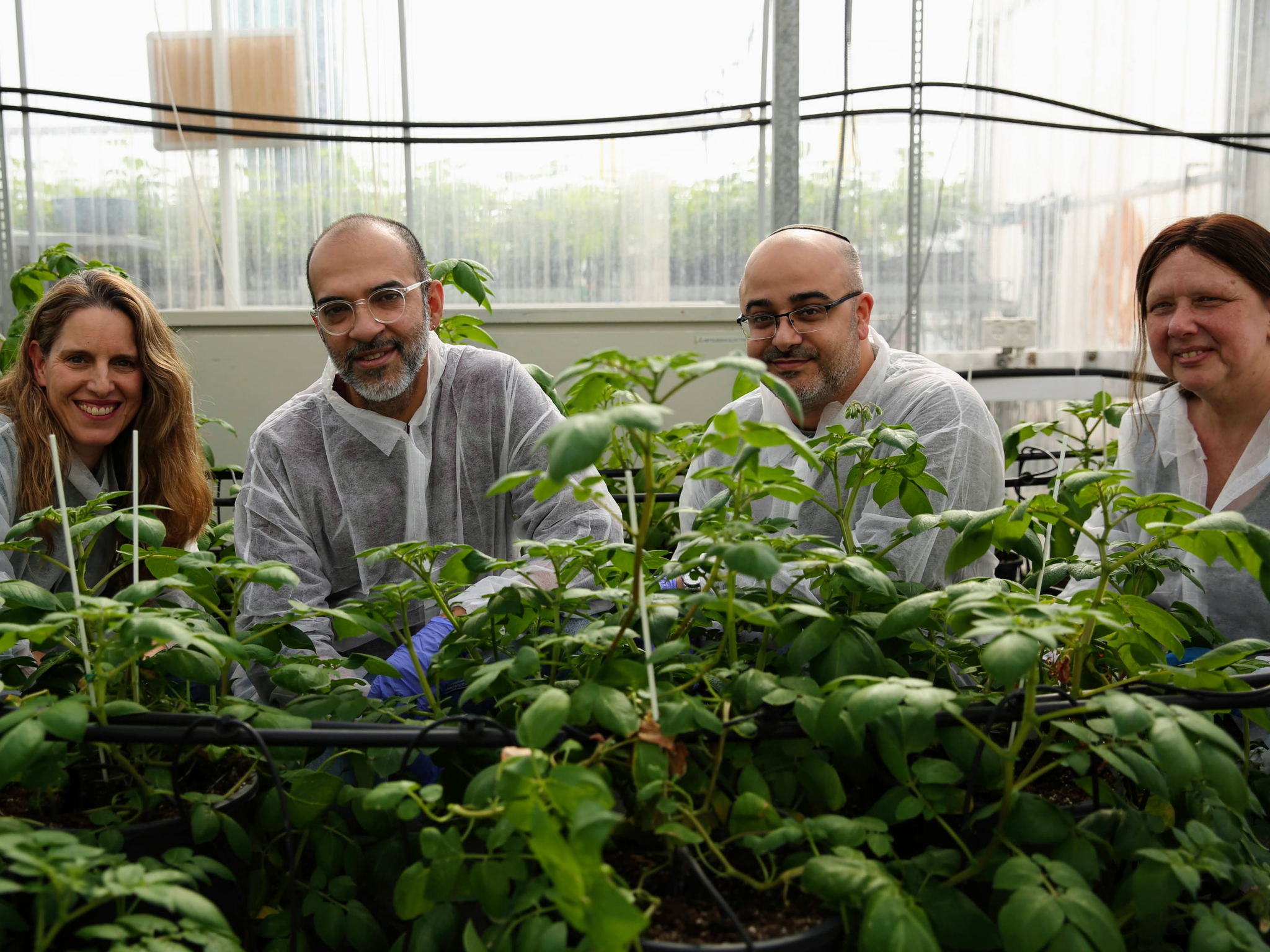
The Global Stewardship Group has launched a programme dedicated to plant molecular farming, with five startups joining as inaugural members to help bring the technology to market.
One of the most promising future food technologies has just received a much-needed boost with the launch of a new industry-wide initiative.
Created by the Global Stewardship Group, the Animal Protein Crop Stewardship (APCS) programme establishes a traceability and control framework for products developed through plant molecular farming.
This technology involves modifying the cells of plants (instead of animals or microbes, as is the case in cultivated proteins or precision fermentation) to enable them to express animal proteins within the crop, which can then be harvested from leaves or other plant tissues for use in food and feed applications.
For instance, some companies are producing pork protein in soybeans, and others are expressing casein in potatoes. Since plants themselves are the ‘bioreactors’ here, this approach allows them to supply these ingredients on a large scale, and at a much lower price than other emerging food technologies.
Five molecular farming companies – Mozza Foods, Alpine Bio, Miruku, NewMoo, and Finally Foods – have signed up as the inaugural members of the APCS, with several others expected to join over the coming months.
Stewardship programme tackles entire life-cycle
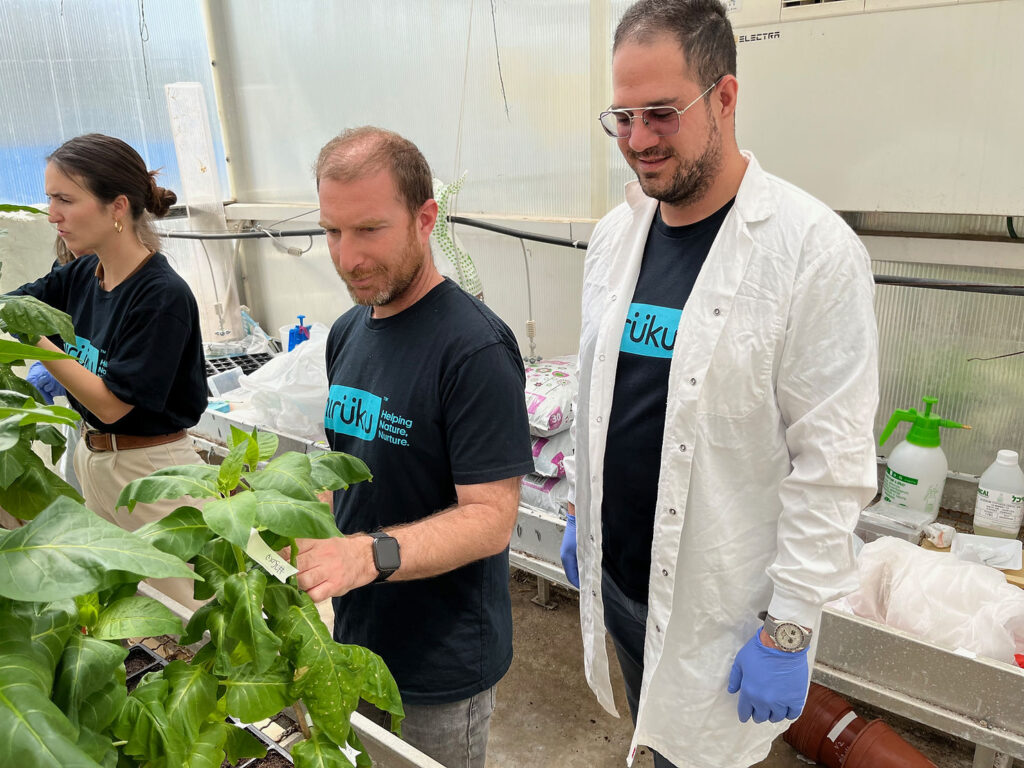
The APCS is tailored to the specific criteria for best stewardship practices throughout the life-cycle of products in this category, establishing a set of comprehensive activities for industry players to enable responsible use and identify relevant critical control points.
This life-cycle begins with the concept in the lab and contained facilities, before continuing through field plantings and extending to post-harvest storage, movement and processing activities.
The aim is to create a foundation for bringing molecular farming products to the market, increasing grower and consumer access to these products, and benefitting stakeholders across the value chain.
Global Stewardship Group argues that the unique nature of these plants presents new considerations that can be addressed through the development and implementation of tailored stewardship practices, such as a closed-loop system.
It will build on the foundation laid by decades of stewardship of genetically modified crops, enabling practices that are fit for purpose for plant molecular farming by outlining appropriate practices, processes, controls, and technologies tailored to these products.
“The launch of the Animal Protein Crop Stewardship Program gives our category something it’s needed: a traceability and control framework that matches the ambition of the work,” Alpine Bio, which is using the tech to grow dairy proteins in soybeans, said in a LinkedIn post.
‘Meaningful step forward’ for molecular farming

According to the Global Stewardship Group, the successful implementation of the APCS will equip a company with the tools to maximise product placement and enable products to be brought to market at scale. This, it argues, will benefit not just the biotech industry, but farmers, consumers and the planet too.
The programme will have a special focus on the management of on-farm activities in the seed and crop production stages, the crop utilisation phase, as well as the management of the marketable plant parts (including the grain and tubers produced from these crops).
It suggests a tailored approach by layering appropriate processes, controls, and technologies when implementing established industry guidance at these different stages.
“Cutting-edge science requires world-class stewardship, and this is a major step forward for the category,” said Mozza Foods, which is working to produce animal-free cheese from milk proteins produced in plants. “Our space now has the industry-backed rigorous traceability and control framework needed to scale safely and responsibly.”
Finally Foods, whose casein-containing potato proteins have advanced to the field trial stage, called the APCS “a meaningful step forward for advancing the molecular farming sector and ensuring that breakthrough animal proteins grown in plants are brought to market responsibly”.
Aside from the five inaugural members, this space is populated by the likes of Luxembourg-based Moolec Science, whose ingredients include pork-protein-producing soybeans and peas that produce bovine myoglobin), and PoLoPo, which is boosting the native protein content within potatoes for the chip industry.