

Gen Z Leads the UK’s Meat-Free Wave, Despite Young Men Eating Too Much Animal Protein

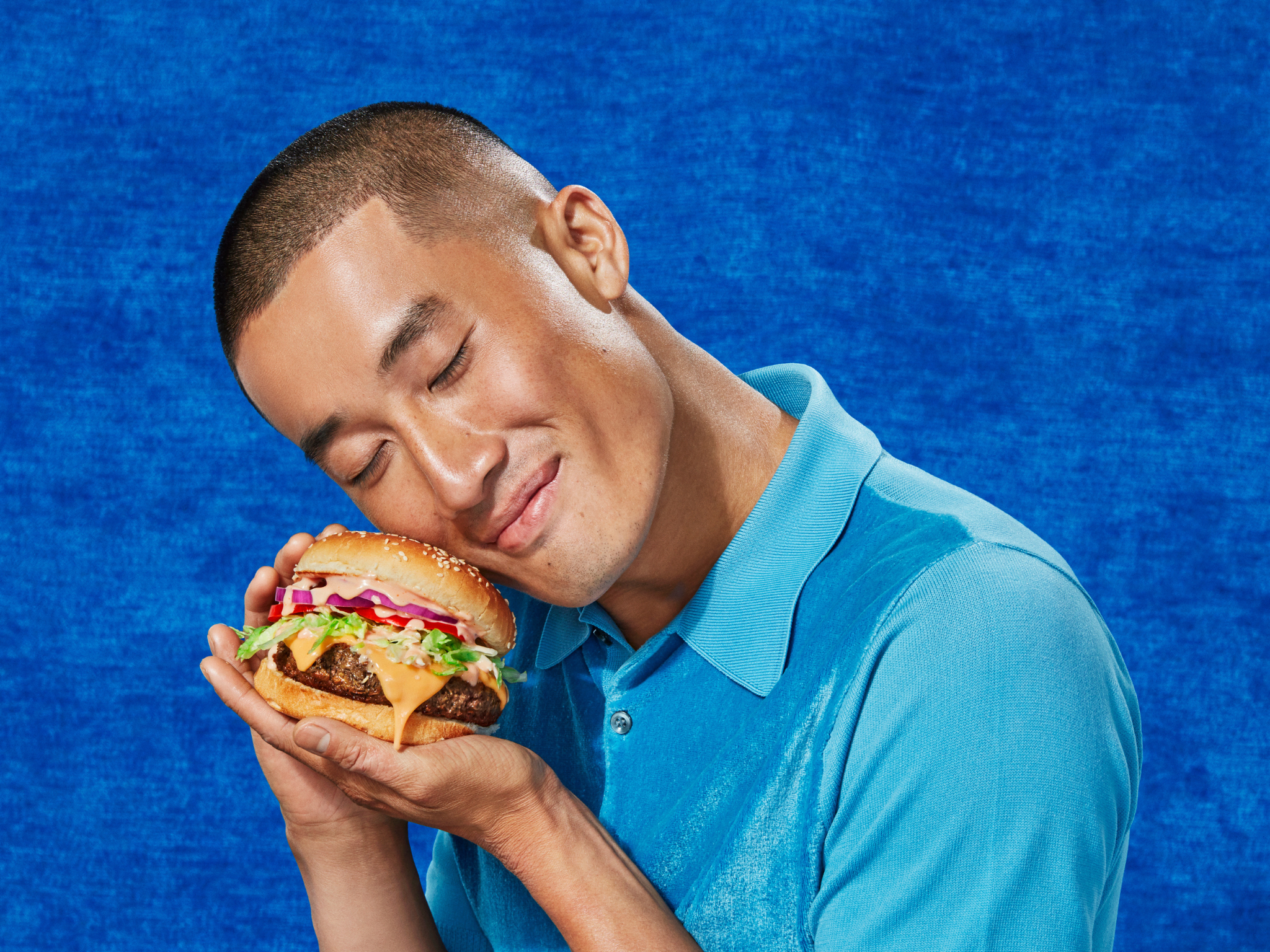
Young men’s meat consumption is rising faster than any other age group in the UK. Still, Gen Z remains the most likely demographic to follow a vegan or vegetarian diet.
The UK has long been a trailblazer in the meat-free movement. It was, after all, the place where the term ‘vegan’ was created, and is home to industry pioneers like Quorn and Linda McCartney Foods.
You would be forgiven for thinking that the appetite for plant-based food has been waning, given the 4% decline in sales of these products in 2024. And despite all the progress, only one in 10 Brits identified themselves as vegans that year.
Moreover, media coverage has been dominated by headlines announcing the death of veganism and a comeback for meat, in a cultural shift thrust forward by the social media manosphere. Last year, young men in the UK were three times more likely to have increased their meat intake than the overall population.
In spite of this elevated appetite for meat, new research shows that the number of meat-free eaters has actually increased in the UK, with 27% of Brits set to be vegan, vegetarian or pescatarian by the end of the year – and Gen Z is leading the charge.
Young men’s diets in contrast with Gen Z’s habits
The data comes from Finder.com’s annual survey of British diets, which included 2,000 participants from across the country. It reveals that 3.5 million consumers (or 6.3% of the population) are planning to follow a vegan diet in 2026. Nearly half of these respondents already eat this way, and the rest are aiming to begin doing so this year.
Another 9.5% of Brits are looking to eat a vegetarian diet this year – three million people had been following this diet in 2025, and 2.2 million more are hoping to join them over the next 12 months.
When accounting for pescetarians too, the total number of UK respondents on a meat-free diet reached 7.7 million (or 14%) at the end of 2025, up from 12% by the year before. And a further 10% (around 5.7 million people) are hoping to go meatless in 2026.
Interestingly, the survey found that meat-free diets are most likely to appeal to younger generations. More than two in five Gen Zers intend to be vegan, vegetarian or pescatarian this year, outnumbering the 32% of millennials also headed on this path.
In fact, one in eight Gen Z respondents (13%) said they plan to follow a plant-based diet in 2026, including 7% who are already vegan.
The Finder.com poll puts the eating habits of Gen Z men in sharp focus. Research by UK environmental non-profit Hubbub found that 40% of 16- to 24-year-old men were eating more meat in 2025, and this demographic was twice as likely to have increased their consumption as men of all other ages.
In fact, two in five young men eat meat every day, and a similar number are unwilling to cut back. Plus, 17% of them don’t feel comfortable eating plant-based food in public (versus 10% of the overall population).
Hubbub’s survey further suggested that 24% of young men wouldn’t be open to trying plant-based meat alternatives, much higher than the 15% of women of the same age who echo this sentiment. Aligning with this, separate YouGov research shows that women are 50% more likely to say they’re vegetarian or vegan than men.
UK continues to embrace plants, with whole foods a priority
So young men continue to love meat, even if Gen Z is most likely to give it up. The rise of the manosphere is a big driver of this gap, reinforcing the idea that meat equals masculinity. “Influencers often exaggerate protein requirements and the necessity of meat, while dismissing plant-based protein sources,” Hubbub explained in its report.
“This can lead some young men to see plant-based diets as inadequate for muscle development and even as a threat to their masculine identity. Advocates for plant-forward diets have got the ‘soy-boy’ stereotype and the myth of ‘incomplete proteins’ to contend with. And, of course, the perception of plant-based diets as ‘feminine’ just adds fuel to the fire.”

Gen Z’s attitude towards meat is also in stark contrast with the wider UK population. The majority of Brits think less than 40% of people are open to the idea of reducing intake; in reality, 66% are actually willing to do so (up from 61% in 2024).
The trick may be to focus on whole foods, as many plant-based brands have begun doing in response to concerns over ultra-processing, which have pushed more Brits to buy vegetable-based products over meat alternatives.
“There is huge potential for plant-based protein to become more normalised to alleviate these fears,” Eating Better and the Food Foundation said in a recent report.
“We all have our different reasons [for reducing meat], but it’s clear that the desire for the meat we do eat to be better produced for the welfare of animals and lower environmental impact is key for many people,” noted Sarah Wakefield, executive director of Eating Better.