

New Trump Bill Expands Access to Non-Dairy Milk in US School Meals


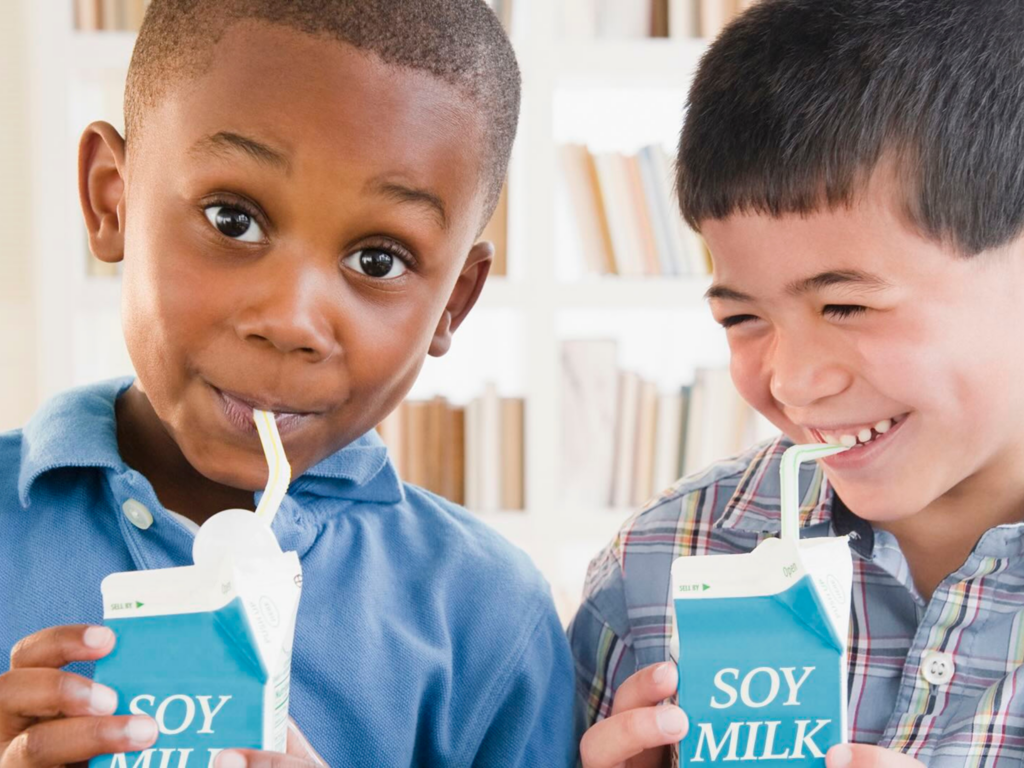
The US president has signed the Whole Milk for Healthy Kids Act into law, which includes provisions to make it easier to access non-dairy milk in school meals.
While whole milk may be at the centre of US food policy right now, a new bill signed by President Donald Trump could actually see more schools offering plant-based alternatives to students.
The Whole Milk for Healthy Kids Act is a bipartisan measure that overturns an Obama-era reform that prohibited full-fat and 2% milk from being part of the school lunch programme.
The law also incorporates provisions from the bipartisan Freedom in School Cafeterias and Lunches (FISCAL) Act and the Plant Powered School Meals Pilot Act, authorising schools to offer nutritionally equivalent non-dairy milk options to kids. Additionally, it requires them to serve these alternatives to students with disabilities based on a note from their parents or guardians, not just their doctors.
It expands the text of the 80-year-old school lunch law, which states that schools “shall offer students a variety of fluid milk”. Now, this includes a variety of milk products, including “non-dairy beverages that are nutritionally equivalent to fluid milk and meet the nutritional standards established by the secretary”.
“All students should be able to access the nutrition they need to thrive and receive beverages they can actually drink,” Chloë Waterman, senior programme manager at Friends of the Earth, told Green Queen.
“With this change now in effect, schools can finally remove unnecessary barriers that have long prevented students from accessing nondairy milk options,” she added.
The new law comes days after the US introduced its latest dietary guidelines, which emphasised the consumption of full-fat dairy products despite a recommendation to limit saturated fat intake.
New law removes red tape for schools to provide non-dairy milk
The FISCAL Act was introduced by Representatives Troy Carter and Nancy Mace in the House, and Senators John Fetterman, John Kennedy and Cory Booker in the Senate. The policymakers behind the Senate version succeeded in inserting its key provisions into the whole milk bill.
Both chambers of Congress passed the Whole Milk for Healthy Kids Act in late 2025, and with Trump signing it into law yesterday, the USDA has updated its guidance for schools to implement the new policy. This allows institutes to begin serving soy milk to kids straight away.
Previously, schools could only offer non-dairy milk upon request for dietary needs that were not disabilities, and were required to notify state agencies if they did. Now, if they choose to provide plant-based options, they don’t need to notify the state, nor do they require a written statement from students who need plant-based milk for a non-disability reason.
The USDA states that any fluid milk, including dairy-free products, offered in schools must include nutrients like protein, calcium, vitamins A, B2, B12 and D, magnesium, phosphorus, and potassium at the required minimum levels. For instance, soy milks must be fortified and contain at least 8g of protein per cup.
That said, if a school food authority chooses not to offer non-dairy beverages to all students, the process to request an alternative for a non-disability reason and report to the state agency remains unchanged.
“Expanding access to soy milk will help school meals better align with dietary science, offer families healthier choices, and reduce food waste,” said Waterman. “We urge schools to take advantage of this new flexibility and offer soy milk on the lunch line without requiring a note.”
Confusion remains over USDA reimbursements

The National School Lunch Act requires kids to have cow’s milk on their trays for schools to be reimbursed by the government. In fact, the USDA provides $1B in annual rebates for 1% and non-fat cow’s milk to institutions across the country.
Though the FISCAL Act sought to expand these reimbursements to plant-based milks, there’s still some confusion over the final decision about this provision. The dairy industry will continue to receive government subsidies, which will keep the prices of soy milk higher for the foreseeable future.
“There may be some minor incremental cost for the soy milk – the delta between the ‘milk rate’ reimbursement the government allocates for the purchase of the nutritious fluid beverage and the actual market cost of the soy milk – and the schools will have to absorb that cost,” Wayne Pacelle, president of Animal Wellness Action and the Center for a Humane Economy, told Green Queen.
These organisations worked with advocacy group Switch4Good to facilitate the plant-based provisions in the legislation. They anticipate the aforementioned cost to be minor and they do not expect it to be a barrier to schools that want to provide plant-based milk options.
And while the demand for soy milk may be modest at the outset, it is only likely to grow, causing some form of parity between the buying and consumption ratios seen in the market.
The passage of the whole milk bill likely “puts to bed” the FISCAL Act. “But now, we’ll have to work with the schools to remind them of the prevalence of lactose intolerance and the remarkable amount of milk wastage, and to alert them to the options they now have. We want the public schools to look more like the marketplace, with multiple options for consumers of all ages,” he told Green Queen.
Milk bill ‘won’t be swayed’ by shifts in dietary guidelines
In the US, lactose intolerance is classed as a disability, and affects around half of the nearly 30 million children who benefit from the National School Lunch Programme. Lactose malabsorption rates are especially high among people of colour, with 65% of Hispanic and 75% of Black Americans suffering from the condition. This rises to 90% for Asian Americans and 95% for Native Americans.
Moreover, the USDA estimates that 30% of milk cartons served in schools are thrown in the trash unopened. And another study found that kids discard 150 million gallons of milk per year, leading to food waste amounting to $400M in tax dollar losses.
The Plant Powered School Meals Pilot Act seeks to create a $10M grant programme to provide plant-based milk and entrées to school students. Democratic Congresswomen Nydia Velázquez and Alma Adams brought the bill to the House in October, and Senator Adam Schiff introduced its counterpart in the Senate yesterday.
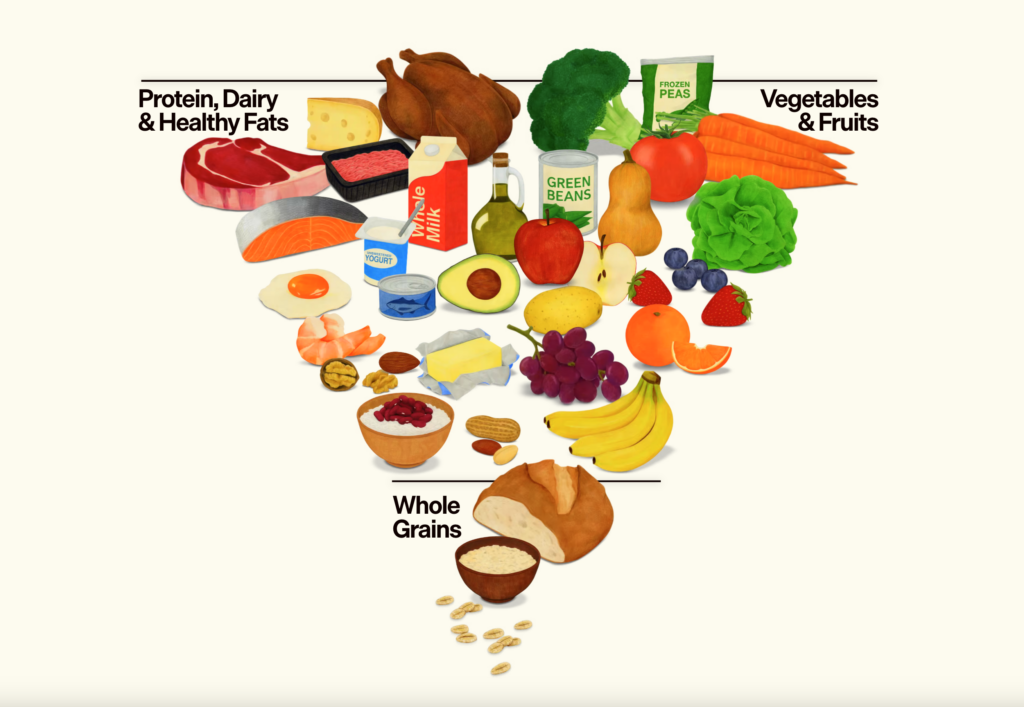
The bill aligns with the new Dietary Guidelines for Americans, which places whole milk near the top of the new inverted food pyramid. However, the recommendations do continue to acknowledge that fortified soy products are a healthy choice.
“What makes this moment so exciting is its staying power,” said Switch4Good founder and executive director Dotsie Bausch. “This law stands on its own and will not be swayed by shifts in the Dietary Guidelines for Americans; it guarantees that children have access to dairy-free options at school. That certainty matters.”
In a statement sent to Green Queen, she called the passage of the bill “proof of what’s possible” when advocacy groups work in tandem with bipartisan policymakers who are “willing to listen to science, equity, and compassion”. “This wasn’t just about politics,” she said. “It was about kids’ health, fairness in school nutrition, and modernising outdated policies.”