

Can AI Help Singapore Become A ‘Regional Launchpad’ for Sustainable Proteins?

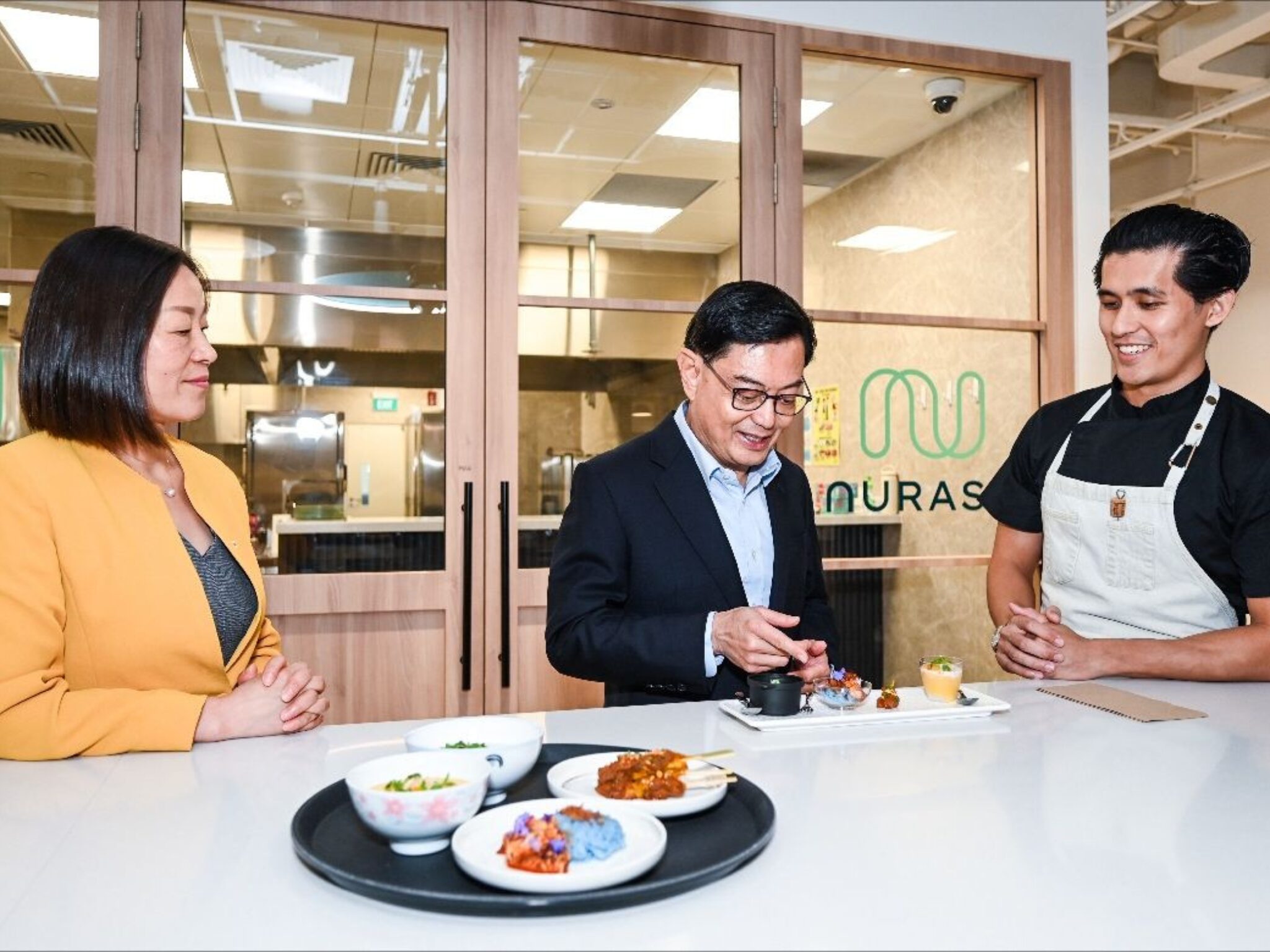
Singapore state-owned food innovation platform Nurasa has teamed up with New Wave Biotech to help alternative proteins escape the valley of death with AI-led bioprocess optimisation.
In April, Singaporean future food platform Nurasa and UK startup New Wave Biotech published a white paper exploring how Silicon Valley’s lean startup model could drive success in the food tech sector.
“The lean startup principles offer a powerful framework, but applying them to food and biotech requires adaptation,” the document stated. “The key is moving smart and de-risking efficiently.”
The most successful food tech innovators, it said, focus on “failing cheaply and learning quickly”, whether by running small-scale tests, structuring pilots for maximum insight, or leveraging simulations driven by artificial intelligence (AI).
It is in that spirit that, nine months later, the two authors of the paper have joined forces to help future food companies move from the R&D stage to market-ready producers through AI-led process optimisation.
The partnership is noteworthy for Singapore, which boasts a research ecosystem and friendly consumer environment that has helped it maintain its status as the world’s food tech capital, despite a slowing in regulatory progress for alternative protein companies.
AI can cut costs and timelines for companies to scale up
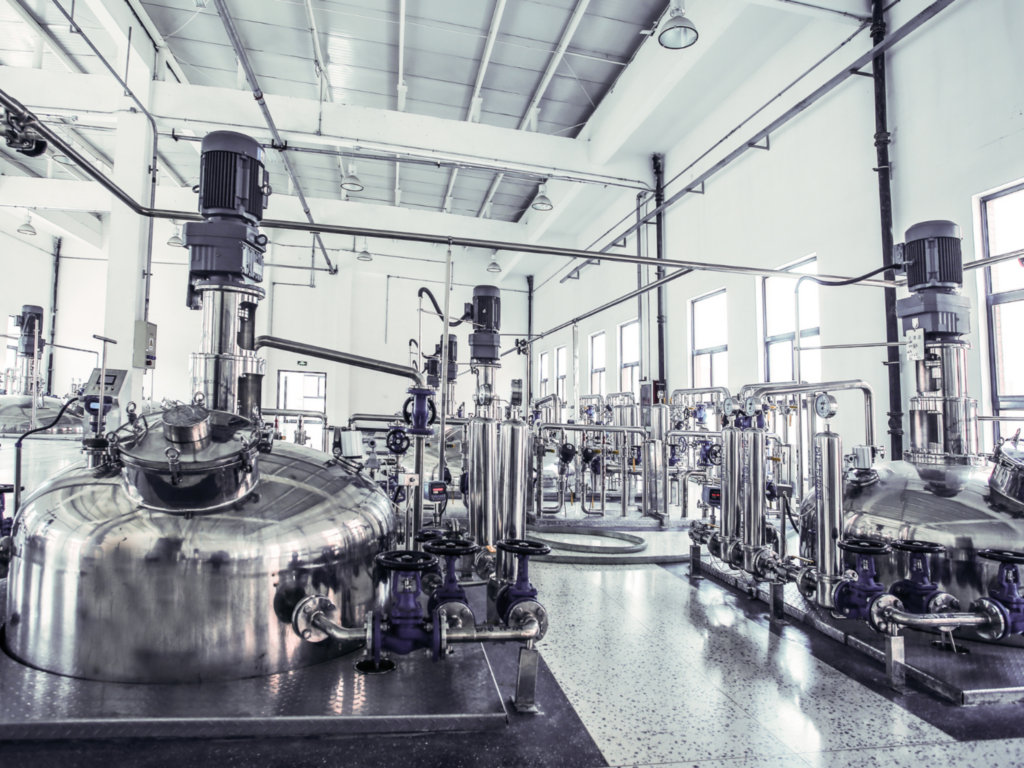
The collaboration tackles three of the biggest barriers to scaling biomanufacturing: predicting downstream process performance without slow, expensive experimentation; turning complex technical decisions into clear cost and sustainability outcomes; and turning individual ingredients into market-ready products with clear commercial pathways.
Nurasa, a part of state-owned investment company Temasek, will gain access to New Wave Biotech’s Bioprocess Foresight platform, an AI-led simulation software that provides biotech innovators with tailored techno-economic analyses, life-cycle assessments, and other outputs for clear visibility into cost, yield, and environmental trade-offs.
Optimising bioprocesses is hard – there are over a trillion possible combinations of processes, and the average experiment requires an investment of $10,000 to $100,000. Scaling from lab to levels, meanwhile, can take three years to a decade.
Boston Consulting Group, which suggests that a third of global manufacturing can be produced with synthetic biology by 2030, has warned that “more than 90% of synbio technologies fail because they can’t be scaled”.
New Wave Biotech’s AI software can run automated techno-economic calculations in hours rather than months for around $110 per month. It can also reduce physical experiments by up to 90% and halve unit costs, helping ingredient innovators in Nurasa’s ecosystem reduce scale-up risk, accelerate time-to-market, and strengthen profitability.
“By partnering with Nurasa, we can support both startups and established companies in progressing from lab to commercially viable manufacturing with far greater clarity and lower risk, whether they are scaling in Asia or entering global markets,” said Zoe Yu Tung Law, co-founder and CEO of New Wave Biotech.
Alternative proteins not part of Singapore’s food strategy – for now

Nurasa has an Asia-wide network of food-grade pilot facilities, application and product development expertise, and regulatory and commercialisation partnerships, which will help enhance New Eave Biotech’s impact.
“Singapore is strengthening its position as a hub for scalable, sustainable nutrition and biomanufacturing innovation,” said Samson Lee, strategic partnerships manager of Nurasa. “This partnership strengthens our ability to bring globally relevant food and ingredient solutions to market with greater confidence and reduced risk using Singapore as a regional launchpad.”
Singapore already has the distinction of being the world’s first country to make cultivated meat and gas-derived proteins available on the market, and is a hub for global future food innovators. Many startups look to leverage the city-state’s advanced regulatory framework to enter the market, and several regulators use it as a base for approvals in their own countries.
Four companies have been cleared to sell cultivated meat, and many more are still waiting in the wings. The government’s new food strategy has replaced the previous ’30 by 30′ food security goal, in part due to the alternative protein sector’s challenges in scaling up, which environment minister Grace Fu ascribed to “higher production costs and weaker-than-expected consumer acceptance globally”.
This is why these proteins aren’t part of the food strategy, with Singapore focusing on R&D to make this sector “more competitive and mainstream”.
The Singapore Food Agency has committed S$42M ($32M) to 11 future food projects, nine of which focus on solutions to enhance the nutrition and functionality of alternative proteins. Additional financing has been awarded to the Centre for Precision Fermentation and Sustainability to translate research outputs into market-ready solutions.
Nurasa’s partnership with New Wave Biotech builds on this strategy. The focus on AI aligns with current trends, as food tech startups increasingly use it to enhance their processes and products.
The applications are vast and varied. Jeff Bezos-backed NotCo utilises AI to create sustainable products for some of the world’s largest food companies; Israel’s Finally Foods uses it to grow dairy proteins in potatoes via molecular farming; and Spain’s MOA Foodtech has created an AI-led fermentation turnkey service to produce high-value ingredients from food waste.