

Vegan Cheese Startup Stockeld Dreamery Shuts As Plant-Based Decline Foils Funding Plans
Swedish-American startup Stockled Dreamery, known for its fermented vegan cheese, has shut up shop, after deciding against raising capital amid the slowing momentum for plant-based products.
Stockled Dreamery, a company that sought to usher in the ‘third wave’ of non-dairy cheese with legumes and fermentation, has closed down after six years in operation.
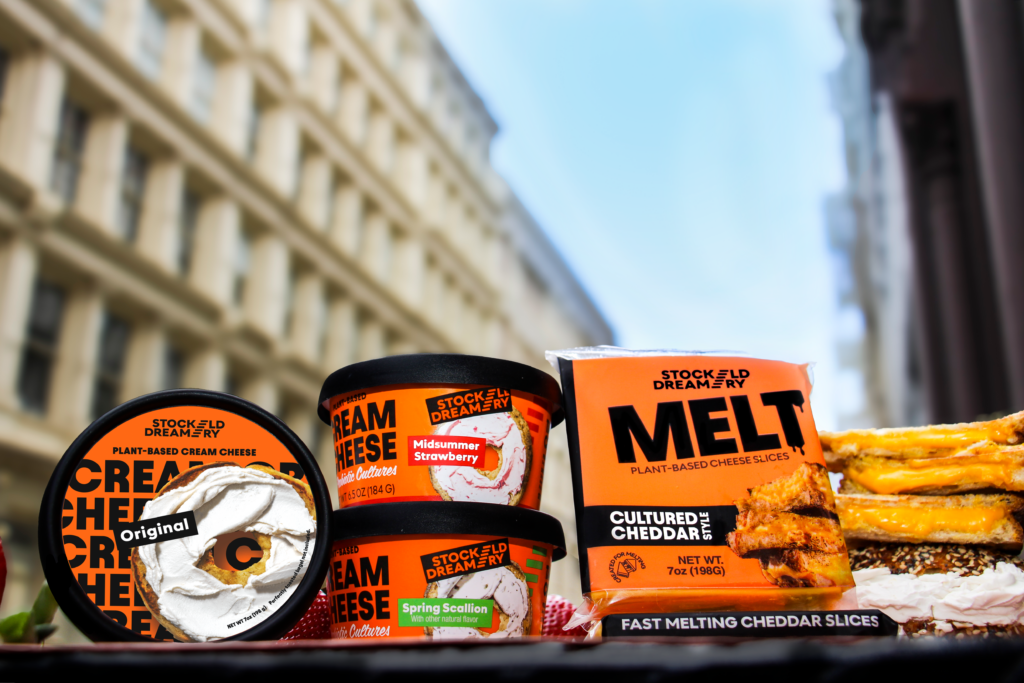
Founded in Stockholm as Noquo Foods, the startup sold cultured cream cheeses and Cheddar and provolone slices in bagel shops, burger restaurants and supermarkets across the US, totalling about 500 locations.
Stockeld Dreamery just got into Whole Foods. Now, it’s ending operations. “The intense decline in plant-based these last years made it nearly impossible for an independent cheese company to grow,” co-founder and CEO Sorosh Tavakoli explained in a blog post.
“As we prepared for another fundraise, we saw that we simply didn’t have the momentum to justify more capital, so we decided to close in a responsible way,” he added. “We knew success would demand something extraordinary, and we came close, but as the market fell, it just got so much harder than we ever expected.”
Speaking to Green Queen about the business’s future, Tavakoli said: “We are currently looking for ways to continue supplying some key customers that have indicated strong interest in any future scenario; this is exciting. We have, for now, stopped manufacturing. We are also in a few dialogues around finding a new home for the IP.”
Years away from profitability, fundraising was ‘risky’
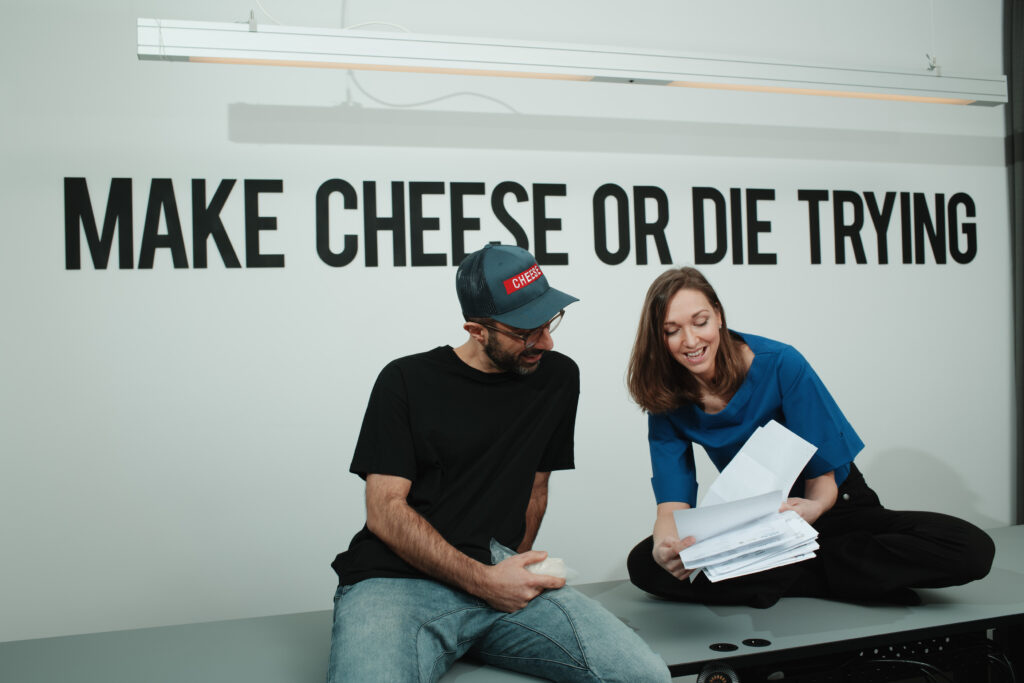
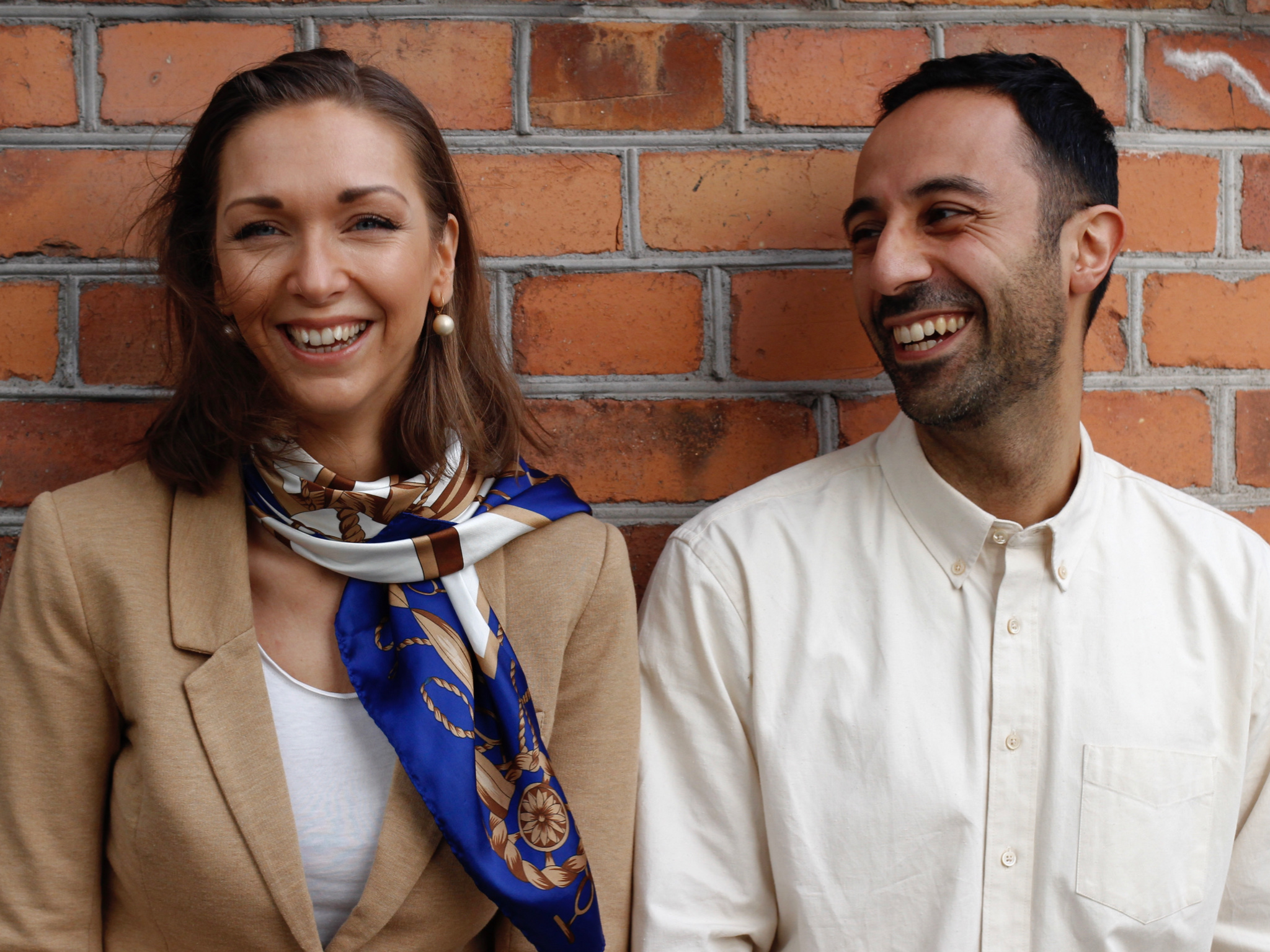
Tavakoli founded the startup with R&D head Anja Leissner in 2019, who together raised $20M in a Series A funding round two years later. Stockeld Dreamery even made it to a Met Gala afterparty in 2024, where its vegan Cheddar topped a plant-based burger from Neat (another vegan food company that has shuttered since).
In the background, the plant-based market was in freefall. Last year, purchases of dairy-free cheese fell by 4% in the US, as did the sales of the overall vegan sector. At the same time, VC funding for plant-based companies has dropped in droves over the last few years, from $3.8B during the highs of 2021 to just $309M in 2024.
“We had fantastic feedback from retailers who wanted to bring the product in. We achieved sales velocity on par with the market leaders,” said Tavakoli.
“But given the small market – that no longer was growing, but declining – we felt we needed to achieve twice the velocity compared to our peers. The average velocities in vegan cheese are really low, around two SKUs per store per week. Building a new brand and building distribution is expensive, so we felt that unless we could achieve four units per store per week, it would not be viable to continue.”
He revealed that Stockeld Dreamery was posting sub $1M in revenue, and expected to record $1.2M in 2026. “We didn’t try to raise capital. We built a plan that needed about $2-3M to bring us to profitability. It would have taken about four years, with breakeven around $6M,” Tavakoli said.
“It was a risky plan, with limited resources. And even though the company would have become profitable, we would still have been subscale and vulnerable in many ways.”
‘Hard to sell products if you’re not solving a real problem’
Reflecting on the trials of the alternative protein space, especially plant-based dairy, Tavakoli didn’t put any blame on investors, retailers or food service operators. “Consumers just don’t want these products, beyond vegans and people with allergies,” he argued.
“The flexitarians are no longer actively looking to replace dairy and meat. In fact, they seem quite satisfied with dairy, saying it’s delicious, accessible, affordable, healthy, etc., and are just not looking elsewhere. It’s hard to sell products if you’re not solving a real problem,” he said.
“For us, our entire vision and goal was to convert dairy consumers to eat our products. This is how we developed our products, our marketing and go-to-market strategy. We worked closely with some of the biggest authorities in the burger and bagel culture in New York City and were building credibility, indulgence and desirability that way, while avoiding topics such as health, climate and animal welfare. Without the underlying desire to shift diets, it wasn’t working.”
How did the decision to close the business fly with Stockeld Dreamery’s investors? “It’s been a healthy and constructive dialogue. They’ve been supportive for as long as we’ve wanted to fight this out,” said Tavakoli. “They’ve certainly had their concerns, for all the right reasons, and a challenge has been that it’s been quite clear that this won’t be a venture case for some time.”
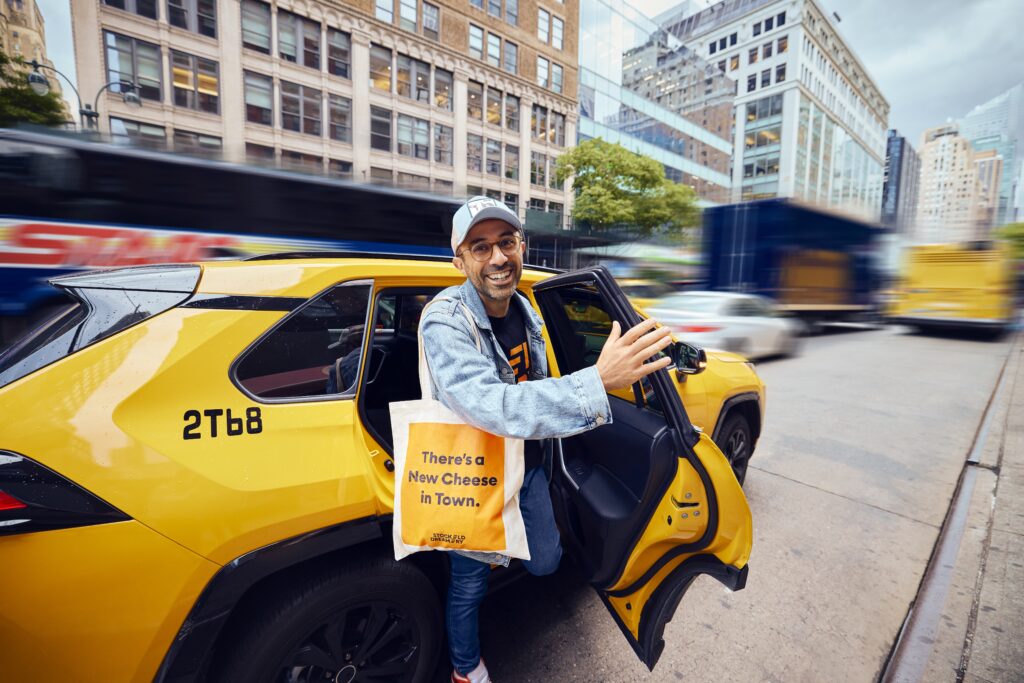
Stockeld Dreamery’s cheeses will gradually be taken off menus and shelves in the next few months. Its team stayed on to support the closure, selling equipment and remaining inventory, and winding down offices and labs.
“We’ve built a really unique brand, and there’s currently no real plans for it going forward,” he said when asked about the Stockeld Dreamery brand’s future. “I guess you can question what value it will have without our products and team going forward.”
In the blog post, he said he was most proud of the company’s culture, which fostered “a unique combination of trust, creativity, and joy”: “All in all, it’s bittersweet to let go. But I’m proud we built something real, with purpose, integrity, and joy.”
Stockeld Dreamery has joined a growing list of alternative protein businesses that have either entered insolvency or wound down over the last year, including vegan cheese makers Bolder Foods, Willicroft and Bel Group‘s Nurishh brand.