

The Beef-Bean Gap: Soaring Meat Prices Drive Brits Towards More Affordable Plant Proteins

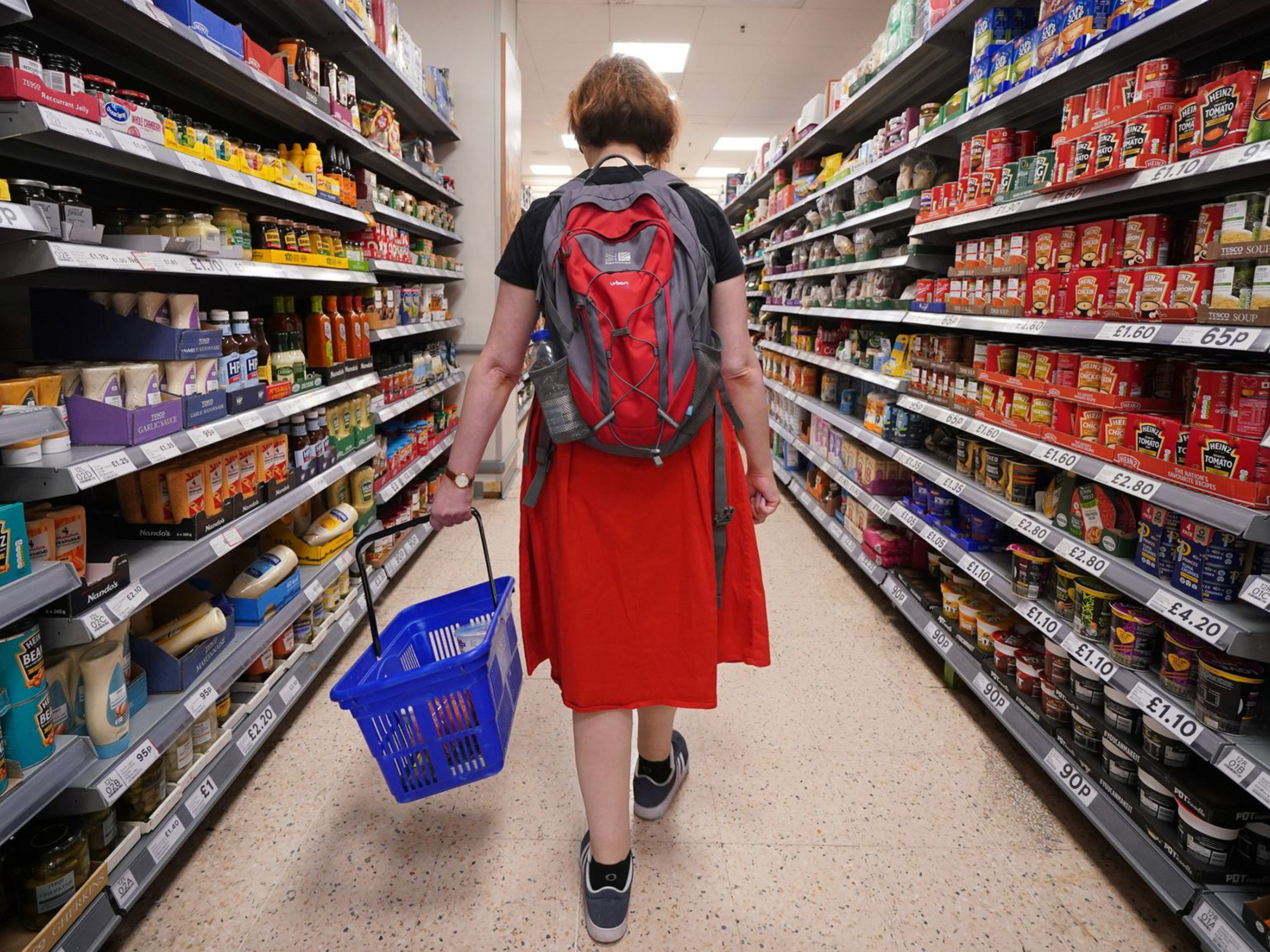
Meat prices in the UK have increased over six times faster than beans and lentils, causing a slowdown in sales of animal proteins in favour of plant-based options.
As the cost of meat reaches unprecedented highs, Brits are feeling the heat, and plant-based proteins have now emerged as a more wallet-friendly option.
Data from market intelligence firm Euromonitor points to a widening “meat to beans” price gap in the UK, driving a reduction in volume sales of fresh and processed meat in favour of legumes and pulses.
The average price of meat in British supermarkets has risen by £3.31 (or 41%) between 2020 and 2025, costing £11.38 per kg. In contrast, fresh pulses have seen a markup of 45p (or 18%), reaching £2.94, while shelf-stable beans are 50p costlier, totalling £1.84.
Red meat has been hit hardest, with the gap between a kg of beef and pulses widening from £6.58 in 2020 to £10.54 this year, according to analysis by food-focused non-profit Madre Brava.
“Meat is fast becoming unaffordable in the quantities we consume it in,” said Sara Ayech, the organisation’s UK director. “For hard-pressed UK families, this new data suggests more plant proteins in the trolley could be a way to bring down the grocery bill, while still getting protein, and more fibre and less fat to boot.”

Beans, tofu and meat alternatives now cheaper than animal proteins
The analysis suggests that all types of fresh and processed meats have undergone long-term, structural price hikes. Lamb witnessed the sharpest uptick, with a per kg markup £5.77 higher today than five years ago.
Pork rose by £2.64, processed red meats by £2.98, and beef by £4.26 per kg. Illustrating the consumer impact of these shifts, Madre Brava noted that £10 would have been enough to buy 1.23kg of beef in 2020, but it can only take you as far as 800g now.
That has directly impacted sales, with retail volumes of fresh meat down by 40 tonnes below pre-pandemic levels, alongside a continued decline in processed meat. It signals that the price hikes “may be starting to have an impact on consumer choices”.
Whole-food plant proteins like beans and pulses, on the other hand, have remained relatively stable due to their low costs, with Euromonitor’s research pointing to a gradual increase in consumption by Brits since 2022.

The average price of tofu has also fallen and is now lower than most kinds of fresh and processed meats. And the cost of vegan meat alternatives has increased, but at slower rates than animal proteins, making them more affordable than conventional processed meat.
“The gap is widest between beans and pulses on the one hand and meat on the other, but this isn’t just about beans and pulses,” said Ayech. “We found that when it comes to convenience food, plant-based is now price-competitive. For example, when we checked, two-pack plant-based versions of chicken Kyivs were cheaper than the chicken versions in almost all supermarkets, including Tesco and Aldi.”
This finding aligns with similar research published in October by think tank Green Alliance, which revealed that several plant-based meat products are now on par with or cheaper than meat at the UK’s largest supermarket, thanks to the latter’s soaring costs.
“Meat is not just more expensive than plant-based proteins overall, but, crucially, the gap is widening,” Ayech explained. “Climate change is increasingly affecting things like the price of feed for livestock and the spread of disease, so the causes of meat price rises aren’t going away, and this gap could get wider still.”

Why meat prices are rising way faster than legumes
All this begs the question: why are meat prices so high? Madre Brava cites several factors, chief among which is the impact of climate change. Dry weather has ruined grass, meaning cattle must be fed earlier in the season, pushing up prices. Floods, typhoons and heat stress are also affecting livestock populations, as is bluetongue virus, which is exacerbated by the climate crisis.
In fact, zoonotic diseases like the avian flu are shortening livestock numbers and affecting prices, as evidenced by the egg crisis, while raising the risk of another pandemic. Speaking of which, the lingering effects of Covid-19, Brexit and Russia’s war on Ukraine have caused worldwide supply shocks, leading to an uptick in prices of all agricultural products.
In contrast, the cost of legumes has remained relatively stable, since they require less fertiliser and water than meat or dairy, and can be dried or canned for long-term storage, making them less susceptible to short-term market fluctuations.
Meanwhile, climate-impacted foods are responsible for 40% of food inflation, with beef, milk and butter among the five worst-hit commodities. Madre Brava argues that for lower-income families most acutely affected by the cost-of-living crisis, plant-based whole foods and meat alternatives are now cost-effective protein options.
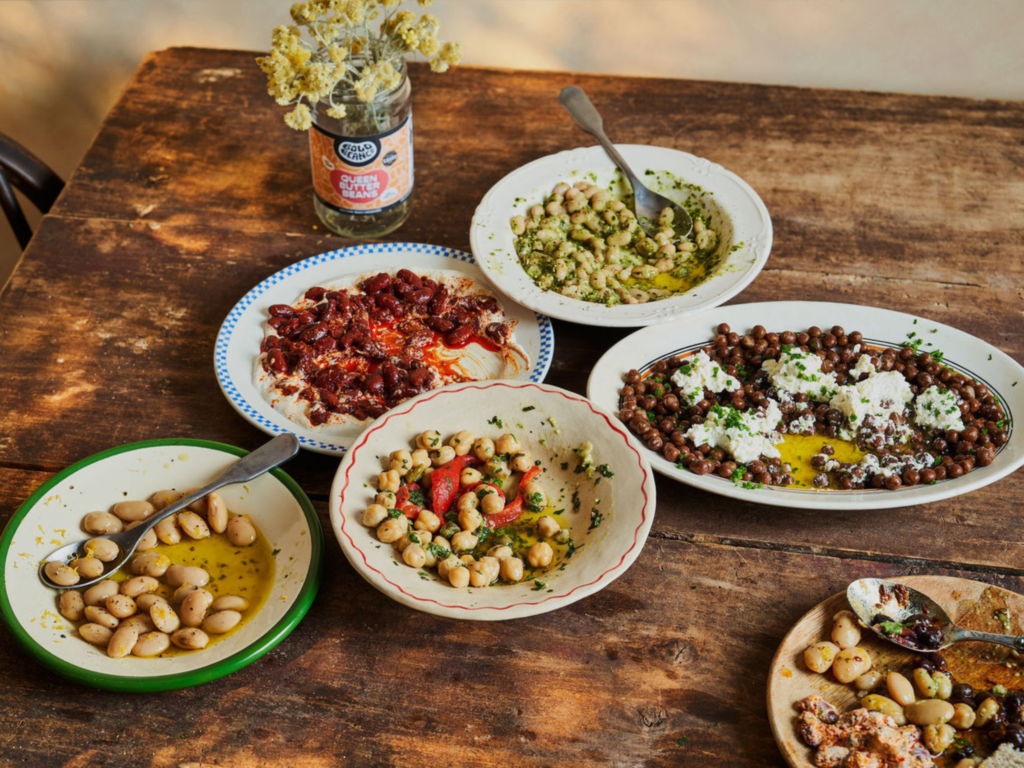
They also come with a host of nutritional benefits, particularly a high fibre content. Almost all Brits (95%) are deficient in this nutrient, which can lower the risk of heart disease, type 2 diabetes, and certain cancers. Fibre has been the focus of nutrition apps like Zoe, documentaries such as Netflix’s Hack Your Health, and the 30-plants-a-week movement, spawning a ‘fibremaxxing’ movement on TikTok.
According to the UK’s Food Foundation, greater consumption of beans, legumes and pulses can extend life expectancy by two years. It has found beans and grains to be the strongest-performing foods on sustainability, nutrition and price fronts. And in May, it urged policymakers and businesses to take action to boost the uptake of plant-rich diets in the UK, with a focus on whole-food sources like beans.
Madre Brava has called on retailers to support consumers in making healthy and affordable food choices, arguing that they have lagged behind their European counterparts in taking action to normalise plant-based eating. Discount retailer Lidl is an outlier, having committed to increasing the share of plant-based proteins sold, and aligning its sales strategy with the Planetary Health Diet.
“Supermarkets can respond to these price trends to help shoppers buy affordable, sustainable food by setting targets to rebalance the proportion of animal and plant-based protein that they sell,” said Ayech.