

Unibio to Build $373M Gas Protein Factory in Saudi Arabia, Dubbed the ‘World’s Largest’

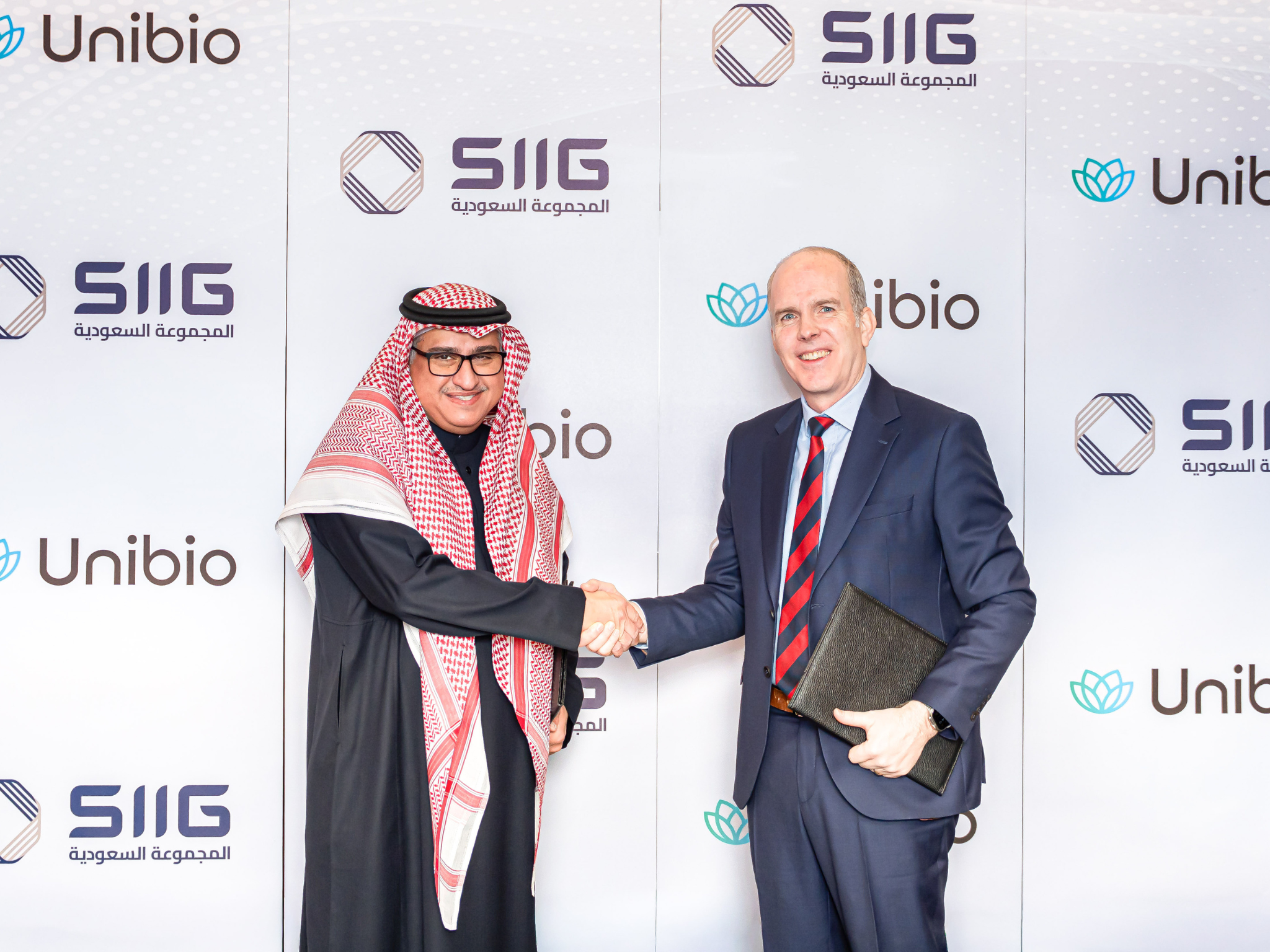
Danish fermentation startup Unibio has signed a deal with the Saudi Industrial Investment Group to build the world’s largest factory producing sustainable proteins from greenhouse gases.
One of the world’s largest producers of natural gas is hoping to turn some of it into future-friendly protein for humans and animals.
The Saudi Industrial Investment Group (SIIG), partly owned by the Saudi government, has entered into a joint venture with Danish biotech firm Unibio to build a fermentation facility to turn gases into sustainable proteins.
Located in Al Jubail, this factory will use a dry gas feedstock allocation from the Saudi Ministry of Energy to produce 50,000 tonnes of single-cell protein annually, with plans to increase this to 300,000 tonnes in the coming years.
It will comfortably make this the world’s largest gas protein facility. The project is expected to cost 1.4 billion reals ($373M), with financing sourced through SIIG’s internal capital, commercial loans, and government funding
Construction is set to begin in the second half of 2026 and be completed by mid-2027, with SIIG maintaining an 80% stake and Unibio 20%. The two companies aim to kick off commercial production in the first half of 2026.
Unibio’s protein is already approved for certain applications
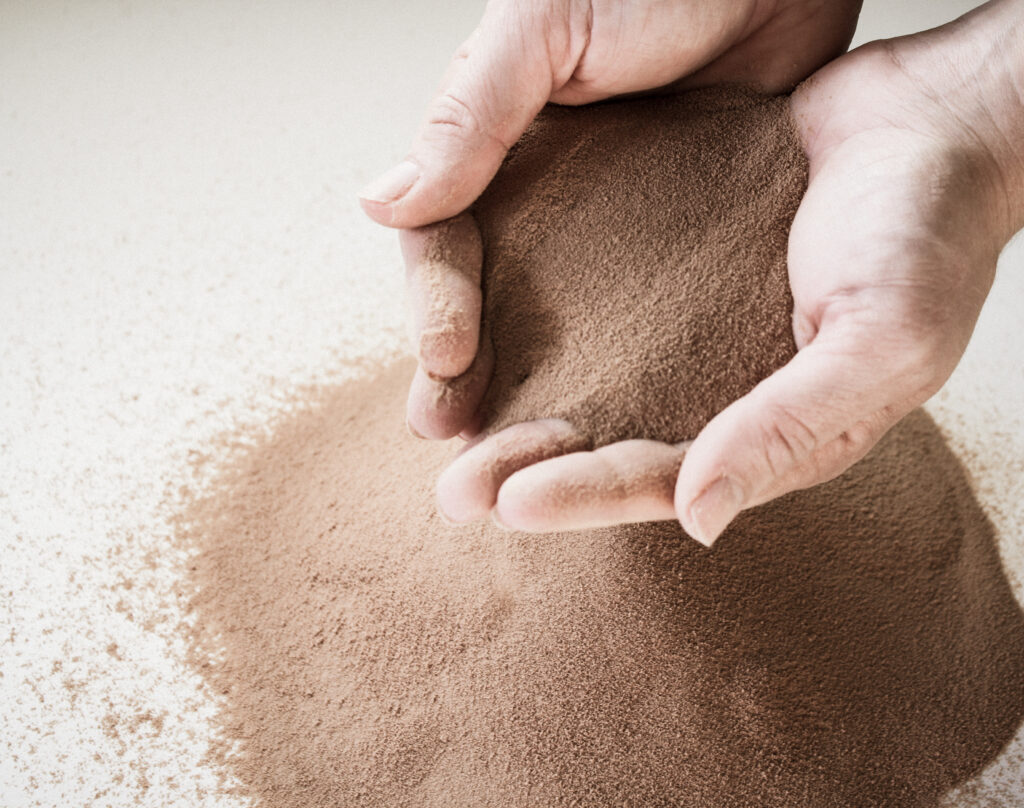
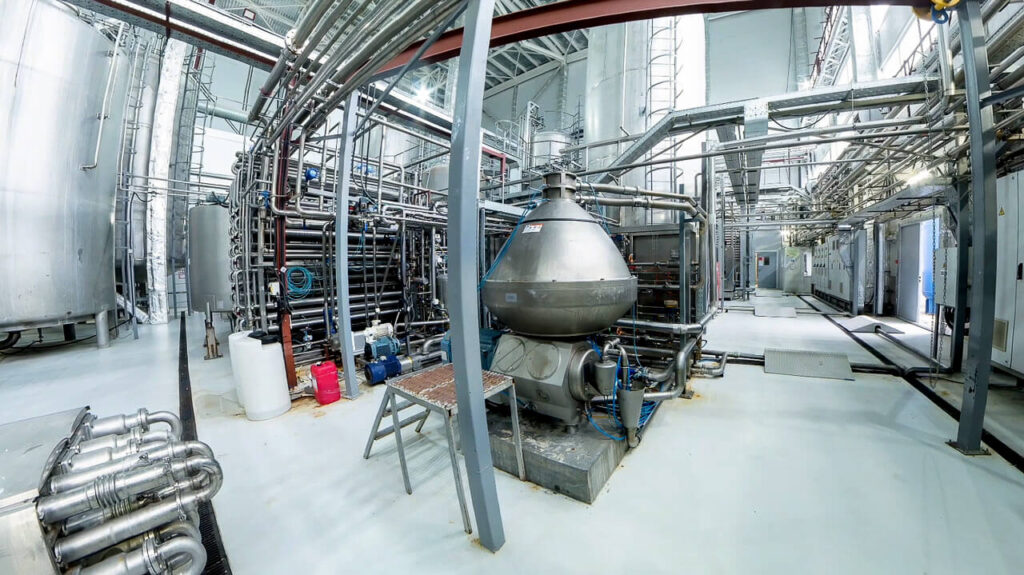
Unibio uses advanced fermentation to convert biogas and other carbon-rich inputs into planet-friendly proteins, with a process that eschews the need for arable land, significantly reduces water use, and can be scaled in extreme environments.
To make its ingredient, called Uniprotein, the company feeds gases such as methane, oxygen, and ammonia into its vertical loop bioreactor, where microbes consume them to convert the fermentation liquid into a protein-rich broth.
After the raw biomass is harvested, Unibio removes water to obtain a concentrated biomass, which is heat-treated and dried for incorporation into a range of formulations, including animal feed, aquaculture, pet food, and, eventually, human food.
Uniprotein contains over 70% protein by dry weight, with 9% fat and 85% digestibility. Its amino acid composition is similar to that of soybean meal or fishmeal, and it provides a protein source free of deforestation, pesticides, and antibiotics. The ingredient is also non-GMO and has a long shelf life.
The product has already been introduced commercially and has drawn interest from a number of customers worldwide, having received regulatory approval for use in aquaculture in Saudi Arabia and in animal feed in the EU, with additional filings in progress globally. Unibio is currently developing the protein for human consumption as well.
It’s among a number of startups working in the gas protein space. Leading the way is Finland’s Solar Foods, which already sells its Solein protein in Singapore and the US, and is building a second, large-scale facility. Air Protein, LanzaTech, Jooules, and Aerbio are all innovating with this technology too.
Saudi Arabia steps up future food focus
The joint venture follows SIIG’s $70M investment in Unibio in 2017, which was part of its strategy to diversify its business. “Using Unibio’s technology, we aim to make Saudi Arabia the leader in single-cell protein production and improve food security for both Saudi Arabia and the world’s growing population,” said SIIG CEO Abdulrahman Alismail.
The project has received “strong support” from several Saudi government entities. As part of its Vision 2030, the country is looking to reduce its reliance on oil and diversify its economy to enable sustainable growth and global competitiveness.
The Gulf nation has the world’s biggest net-zero-busting plans for oil and gas expansion, but has been keen to ramp up its support for future-friendly foods. It has previously partnered with domestic food companies to develop alternative proteins from locally sourced plants, and Prince Khaled bin Alwaleed Al Saud is an investor in firms such as Beyond Meat, BlueNalu, and precision fermentation player TurtleTree.
Neom, Saudi Arabia’s upcoming future-facing city, itself owns Topian, a food company looking to safeguard planetary health and food security through green agriculture, personalised nutrition, and novel food innovations. And last year, the Neom Investment Fund invested in US startup Liberation Bioindustries to build a large-scale precision fermentation facility in the country.
“The world needs innovators who collectively want to find a solution to providing food stability for future generations. We believe that our fermentation technology, which incorporates the most efficient reactor of its kind in gas fermentation, is ideal for Saudi Arabia,” said Unibio CEO David Henstrom.
The deal reflects the expanding alternative protein sector in the Gulf and adds to the list of recent developments driving this industry forward. For instance, precision fermentation companies Vivici and The Every Company are working with the Abu Dhabi Investment Office to set up a joint facility in the Emirati capital, which is expected to launch a regulatory framework for the approval of novel proteins.