

‘Confusing & Harmful’: 200+ Health Experts Slam US Dietary Guidelines in Letter to RFK Jr


In an open letter to the US health and agriculture secretaries, 210 doctors and researchers have highlighted serious concerns about the new dietary guidelines and called for a science-based approach instead.
The fallout from the issuance of the latest Dietary Guidelines for Americans (DGA) has reached fever pitch, with health experts across the US suggesting that the guidance “falls short of its legal mandate” of being grounded in the latest science.
The recommendations are “at best, confusing, and, at worst, harmful to public health”, states a letter by 210 doctors, dietitians and researchers. Addressed to health secretary Robert F Kennedy Jr and agriculture secretary Brooke Rollins, the document outlines serious scientific and procedural issues with the guidelines.
For instance, the new guidance endorses the consumption of beef, pork, and other red meats, and puts whole milk back into the spotlight, despite advising Americans to keep saturated fat intake under 10% of their total calorie intake.
Both red meat and full-fat dairy are high in saturated fat and linked to heart disease, certain cancers, and other conditions – but the US health and agriculture departments don’t highlight this link, instead placing the blame on highly processed foods.
This was in contrast with the recommendations of the scientific advisory committee for the dietary guidelines, which suggested prioritising plant-based proteins after two years of deliberations. But the Trump administration replaced this group with a new panel of experts, most of whom have ties to the livestock industry.
This latter group provided the Scientific Foundation for the final guidelines, which were developed with “much less rigour and transparency” than the Dietary Guidelines Advisory Committee (DGAC), according to the letter.
“Given that the majority of authors had relevant conflicts of interest and were largely reviewing the scientific literature in a non-systematic way, the risk of bias across the Scientific Foundation’s reviews is much higher compared to the DGAC’s reviews,” it stated.
Committee bias makes for contradictory advice
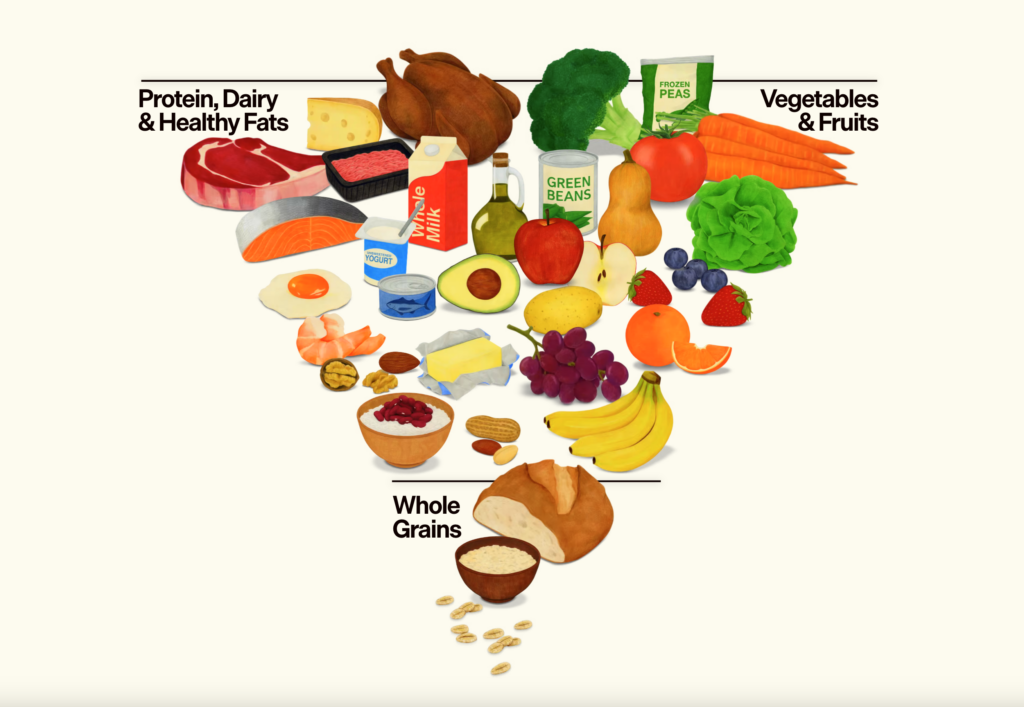
The existence of the new panel wasn’t reported until the guidelines were published. It emerged that eight of the nine members of the scientific panel had received some form of funding from the livestock industry, creating a conflict of interest that RFK Jr had vowed against.
“The administration asserted the need for dietary guidance ‘free from ideological bias, institutional conflicts, or predetermined conclusions,’ yet the new Scientific Foundation embodies all three,” said Aviva Musicus, adjunct assistant nutrition professor at the Harvard TH School of Public Health and science director at the Center for Science in the Public Interest.
“The majority of authors had clear ties to the meat, dairy, and supplement industries, and the evidence was cherry-picked to fit a predetermined narrative that served those interests. That compromised foundation now undermines the credibility of the 2025-2030 Dietary Guidelines,” she added.
The letter outlines internal inconsistencies in the guidelines, like the advice to limit saturated fat while simultaneously promoting red meat, full-fat dairy, butter, and tallow.
“Unlike the DGAC, the Scientific Foundation authors seem to have conducted no food pattern modelling, which is used to harmonise food group and nutrient recommendations and avoid contradictions like this one,” it states. “This inconsistency is dangerous given the strong and consistent evidence linking saturated fat to increased risk of cardiovascular disease.”
The advice in favour of the meat and dairy industry is “likely to undermine public trust” in the guidelines as an evidence-based document. “The conflict of interest is clear not only from the relationships of the Scientific Foundation’s authors, but from the USDA’s pre-existing commitment to use the DGA to ‘fortify the American Beef Industry’. That is not the purpose of the DGA.”
US government urged to issue science-based dietary guidelines
The new guidelines have been widely criticised by some of the country’s top health voices, including NYU professor emerita Dr Marion Nestle, Harvard TH School of Public Health professor Dr Walter Willett, and Stanford professor Dr Christopher Gardner, all co-signatories of the letter.
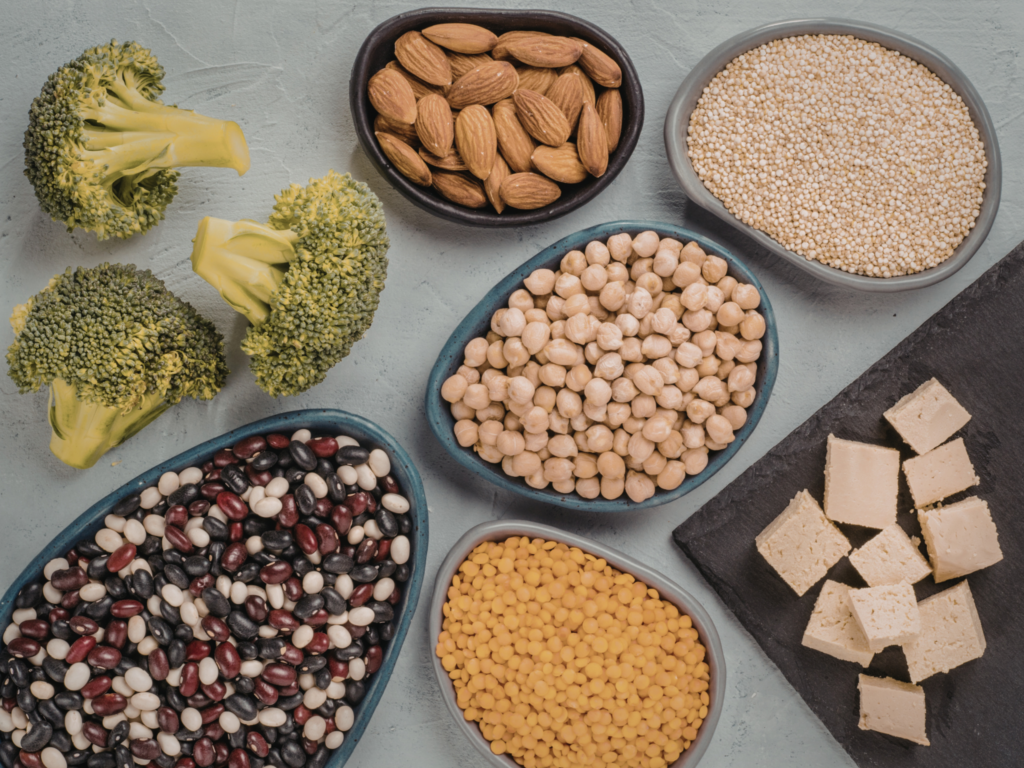
“After reviewing the full body of evidence, the 2025 DGAC concluded that increasing intake of plant-based sources of protein and reducing intake of red and processed meats was associated with better health outcomes,” said Gardner, a member of that committee.
“Disregarding that conclusion and instead relying on a new process with significant conflicts of interest with the meat and dairy industries is not only harmful to the scientific integrity of the DGA, but also to public health.”
The letter calls on the US Department of Agriculture (USDA) and Health and Human Services (HHS), as well as professional medical and nutrition associations, to issue science-based dietary guidance that “truly promotes health and prevents chronic disease”.
“A DGA grounded in science would reinforce the saturated fat limit with recommendations to limit red and processed meat and full-fat dairy, given their high saturated fat content and the association between higher consumption of red meat and increased risks of heart disease and cancer,” the letter states.
“Since several government nutrition programmes are tied to the DGAs, and the current version is neither scientifically sound nor detailed enough to guide implementers, we urge the agencies to provide further guidance for implementation that is grounded in scientific consensus,” it adds.
Willett suggested that scientists and physicians have a duty to speak out when established evidence is set aside. “Public health guidance should be driven by rigorous, independent science – not by commercial interests or shifting political priorities,” he said. “When the scientific process is compromised, it is not an abstract concern; it directly affects the health of millions of Americans.”
The US guidelines are in stark contrast to the Eat-Lancet Commission’s updated report on the future of the food system, which reinforced the plant-rich Planetary Health Diet. In a letter published in Nature, the Commission’s co-chair, Johan Rockström, noted how “the broader environmental footprint of food remains mostly absent from discussions about national nutrition recommendations”.
Current diets undermine public health, he said, and plant-rich eating patterns help prevent conditions such as heart disease, diabetes and some types of cancer. “Our world is entrenched in an industrial, meat- and dairy-based, increasingly urbanite reality,” he wrote. “Simply telling people what to eat rarely works, so policymakers must set clear guardrails for healthy eating.”