

‘Cholesterol Cartel’: US Govt Asked to Withdraw Dietary Guidelines Over Meat & Dairy Influence

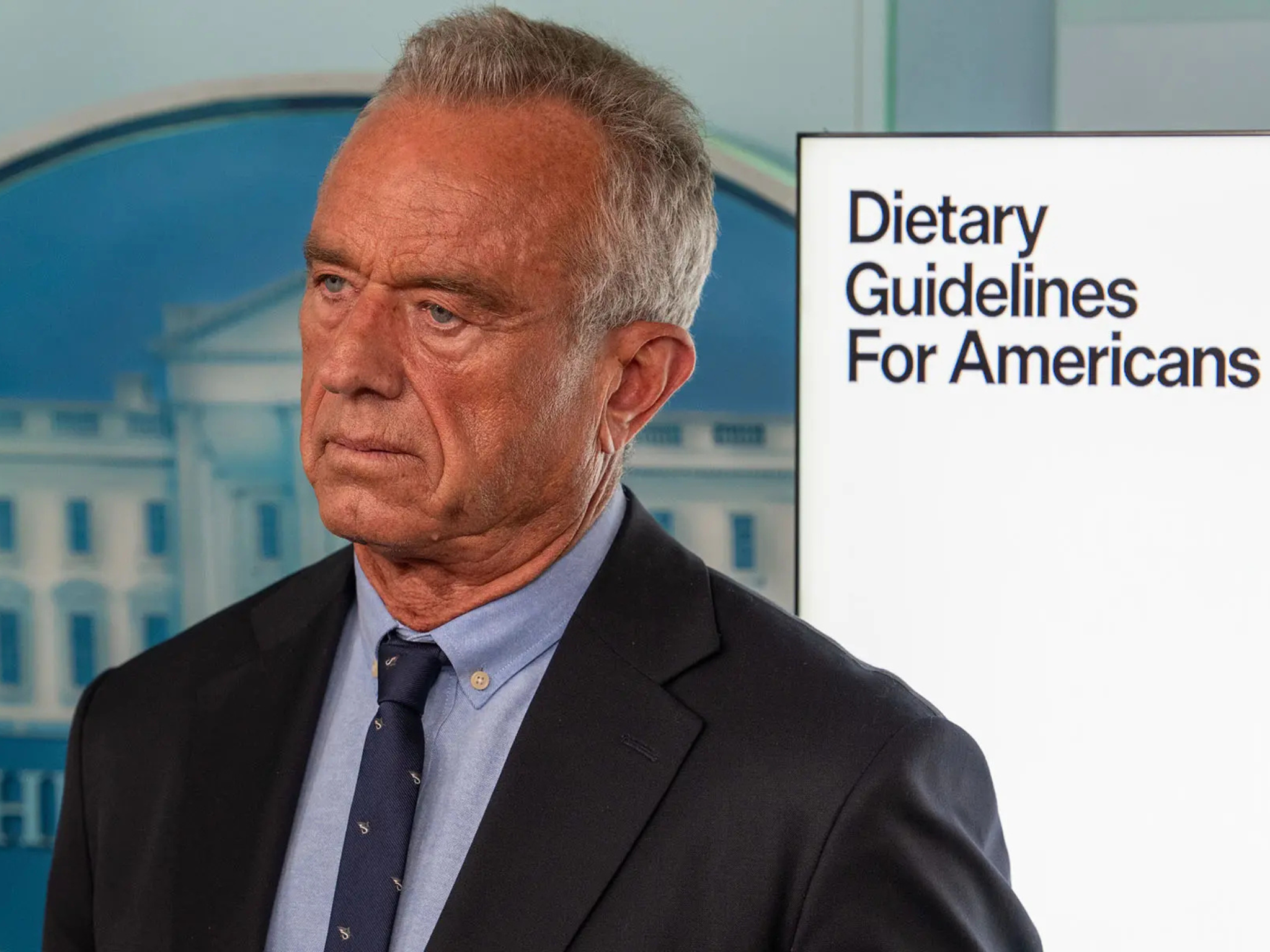
A physicians’ non-profit has petitioned the US health department to withdraw and reissue its national dietary guidelines, alleging a conflict of interest with the meat and dairy industry.
In the hours after the US released its much-anticipated update to the Dietary Guidelines for Americans, the reaction from most of the health and nutrition world was pretty much aligned on one thing: how does eating red meat help limit saturated fat?
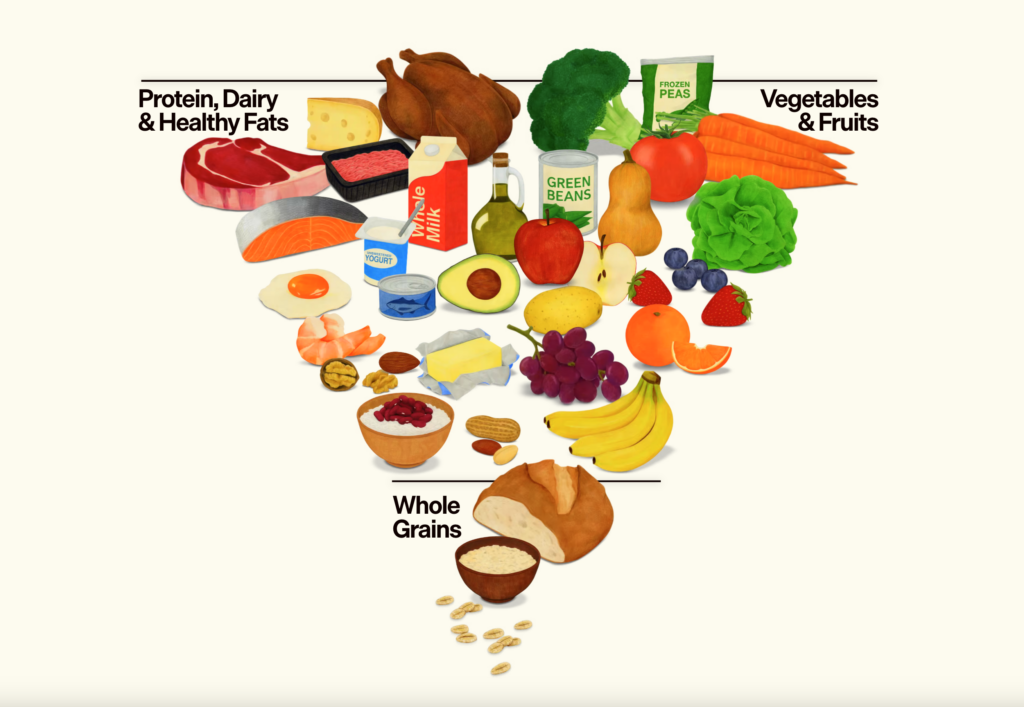
The new guidance endorses the consumption of beef, pork, and other red meats, and puts whole milk back into the spotlight, despite the recommendation to keep saturated fat intake under 10% of total calorie intake.
Both red meat and full-fat dairy are high in saturated fat and linked to heart disease, certain cancers, and other conditions; the US health and agriculture departments don’t highlight this link, instead placing the blame on highly processed foods.
There was, however, an explanation. In a report accompanying the guidelines, it emerged that eight of the nine members of the scientific panel had received some form of funding from the livestock industry, creating a conflict of interest that health secretary Robert F Kennedy Jr had vowed against.
The MAHA advocate had promised to “toss out the people who were writing the guidelines with conflicts of interest”. However, his health department is now facing calls from physicians to toss out the current version of the guidance and rewrite it without industry influence.
“The ‘cholesterol cartel’ has insidiously manipulated federal diet guidelines, and needs to be thrown out,” said Neal Barnard, president of the Physicians Committee for Responsible Medicine (PCRM). “Industry’s pernicious promotion of beef, pork, milk, and cheese is the reason so many Americans are sick today.”
How the livestock industry drove the new dietary guidelines
PCRM has filed a complaint with the Health and Human Services (HHS) Department and the Department of Agriculture (USDA), suggesting that they “failed to carry out their mandatory duties” in developing the guidelines.
It argues that the guidance relies on reviews of scientific evidence from a “hastily assembled panel of scientists with financial and advisory ties to meat, dairy, and fad diet industries”. This conflict of interest has resulted in recommendations that “favour the economic interests of unhealthful food industry associations over the health interests of the general public”.
Three of the panel experts have received grants or performed consulting work for the National Cattlemen’s Beef Association, and of these, one was also awarded a research grant from the National Pork Board (where they serve as an advisor).
At least three members have financial links to dairy industry groups, like the National Dairy Council and Dairy Management Inc (two of whom are the same ones who have worked for the red meat sector). Another is the co-founder of HLTH, a high-protein meal replacement brand centred on whey, egg whites, and hydrolysed grass-fed collagen.
In fact, more than half of the panel members have relationships with organisations associated with the USDA’s checkoff programmes, which “promote food commodities without regard to their ill health effects”, according to PCRM. They are, however, statutorily prohibited from influencing governmental policy or action.
Given these conflicts of interest, it’s unsurprising that the guidelines reject the evidence linking animal protein to rising obesity levels in the US. “Although a myriad of factors contribute to the rise in obesity in the US, overconsumption of [animal proteins], or specifically red meat, cannot explain the health crisis,” the accompanying appendix states.
Trump government replaced scientific committee advice with biased panel
“Industry meddling in the guidelines is not new, and the Physicians Committee has fought against it for decades,” noted Barnard. The association sued the government ahead of the 2000 guidelines, when six of the 11 advisory committee members had financial ties to the livestock sector. A federal judge agreed that the administration had violated the Federal Advisory Committee Act and the Freedom of Information Act.
To develop the 2025-30 guidelines, the Biden administration had developed detailed recommendations over a two-year process that involved public meetings and opportunities for citizens to comment.
When Donald Trump took office, his government disregarded this advice (which suggested prioritising plant-based proteins) and instead picked out a new panel of experts in a quicker, less transparent process that excluded public engagement. The existence of this new panel wasn’t reported until the guidelines were published.
NYU Professor Emerita Dr Marion Nestle, one of the leading voices on American health, said the new guidelines “take us back to the diets of the 1950s”, adding that asking people to eat more protein “makes no sense” given they already consume enough.
Speaking to the New York Times, she indicated that RFK Jr’s actions have been hypocritical: “If he views the members of previous committees as being sold out to industries, it’s very difficult to understand why the same designation doesn’t apply to these people, except that these people are associated with the meat and dairy industries, and they like that.”
PCRM’s petition alleges that HHS and USDA have violated the National Nutrition Monitoring and Related Research Act’s mandate to issue dietary guidelines that reflect the latest science, and contravened Congress’s 2015 directive to develop recommendations that better prevent chronic disease and ensure nutritional sufficiency via an advisory committee that provides more transparency and eliminates bias.
“The guidelines need to be rewritten by unbiased authors referencing the latest nutrition research that will actually help keep Americans healthy and fight diabetes, heart disease, and obesity,” said Barnard.