

This Startup Uses Ancient Korean Fermentation to Make Future-Friendly Bean-Free Coffee

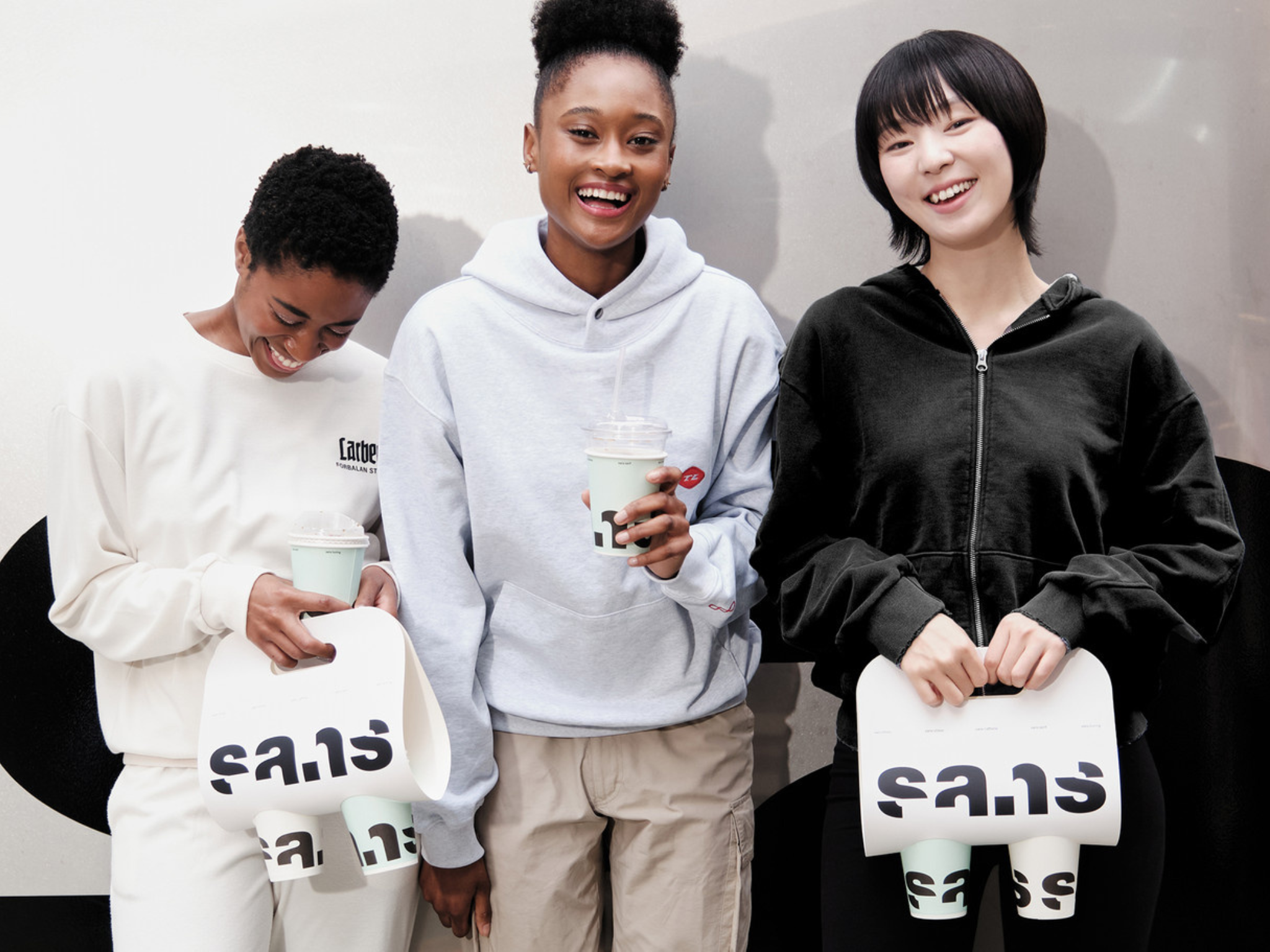
Seoul-based Wake has secured new funding for its Sans beanless coffee, which marries traditional Korean fermentation techniques with “molecular hacking”.
As climate change makes bean-free formats increasingly essential to the coffee ecosystem, one startup is turning back the clock to supercharge the industry’s future.
South Korea’s Wake combines age-old fermentation techniques with “molecular hacking” technology to create what it calls “coffee 3.0” under its Sans brand. The resulting beanless espresso uses up to 76% less water and lowers emissions by 60% – and it’s cheaper than conventional coffee.
This has caught the eye of investors, with Wake recently closing a pre-Series A round co-led by Signite Partners and The Ventures. The investment sum is undisclosed: it will be used to expand Sans’s barista-endorsed coffee alternative internationally, aiming to achieve around $13.5M in direct-to-consumer sales in North America this year.
“We’re using this capital to turn a Seoul-born breakthrough into something the world can experience – without losing its soul,” CEO Kyung Hoon Kim tells Green Queen.
“First, we’ll deepen quality and safety systems so every cup tastes like the very first ‘wow’ moment. Second, we’ll scale production so Sans can move beyond a single neighbourhood and serve many cities reliably. Third, we’ll keep pushing the product – new rituals, new formats, and new moments where people realise coffee doesn’t have to depend on beans.”
How Wake makes its fermented beanless coffee
Balhyo, the Korean word for fermentation, is a thousand-year-old craft often described as “the technology of time”. It forms the base of foods like kimchi and doenjang. “It’s an invisible collaboration where microorganisms gently transform plants, creating aromas and depth that never existed in the raw ingredient,” says Kim.
“We begin with 12 premium botanicals selected not only for flavour, but for resilience – ingredients that can be cultivated in smart farms and greenhouses, so our supply is climate-proof and decoupled from the shrinking coffee belt,” he says, referring to the tropical area suitable for growing coffee, which is set to be halved by 2050.
These ingredients include jujube seeds, green apple, rosehip, orange peel, chicory root, and more. “Then comes what we call ‘molecular hacking’: we map the key aroma molecules people associate with great coffee and design a target sensory fingerprint – roasted depth, elegant bitterness, a long finish, and the layered notes that make specialty coffee feel alive,” Kim explains.
“Where conventional chemistry feels clumsy or unnatural, we let biology do the heavy lifting. Controlled fermentation builds body and complexity, and carefully tuned lactic fermentation helps us naturally generate and refine the hardest notes to reproduce consistently, without relying on artificial flavourings.”
After fermentation, these are extracted and blended into the Sans Essentials concentrate. The firm finetunes caffeine delivery, adding natural caffeine in its Wake Booster for those looking for a hit, and introducing L-theanine in its decaffeinated Sleep Booster.
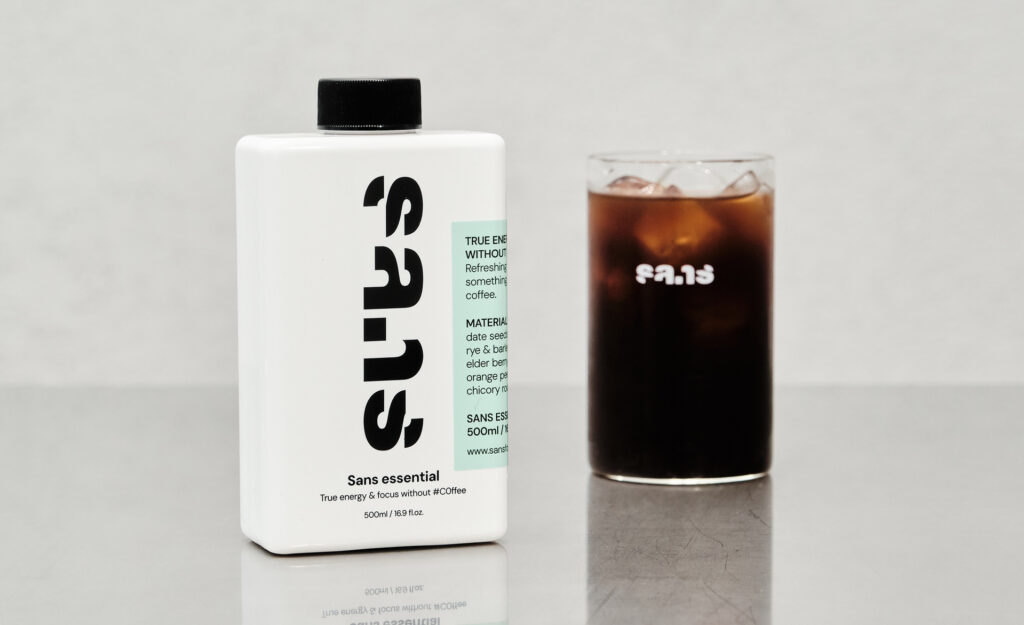
“Sans Essential tastes like an espresso-style shot – dense, dark, layered – but it’s born in a completely different way,” says Kim. “With espresso, you chase flavour by forcing water through freshly ground beans; with Sans, the flavour is already crafted upstream through our fermentation and formulation.”
Wake’s alternative is cheaper than conventional coffee
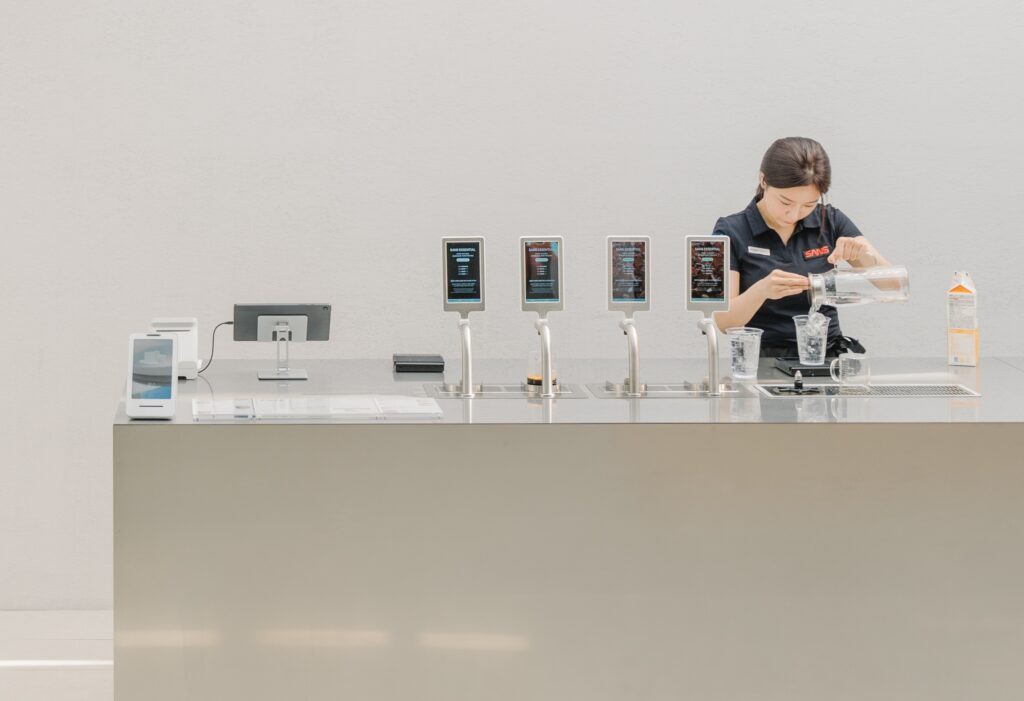
Wake currently operates pop-up stores in several locations, including its flagship store in Seoul, multiple Shinsegae Department Store sites, and the Starfield Goyang shopping mall.
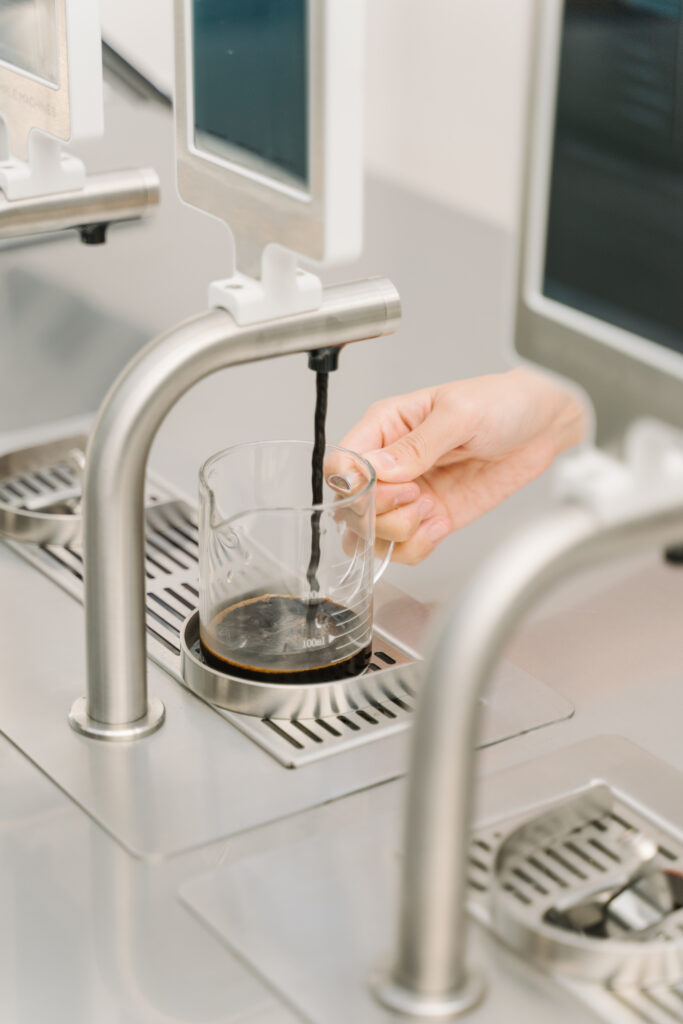
Its process can reduce ingredient and labour costs by over 30% compared to a conventional coffee shop, having established a system that can extract the beanless espresso in three seconds without relying on the expertise of a barista.
“What happens at the bar isn’t ‘extraction’ in the traditional sense; it’s more like releasing a finished essence, on demand, at the exact moment it’s meant to be tasted,” outlines Kim. “That’s why it can happen in three seconds.”
He adds: “Our system is designed so anyone – no barista training, no dialling in – can tap once and get the same consistent result every time. The Essential is stored in a conditioned tank that keeps it at an ideal temperature and pH, so the cup doesn’t depend on human variance.”
Climate-change-induced crop failures have disrupted global coffee supplies and pushed prices to all-time highs, and with 60% of coffee species now endangered, these threats are here to stay. Kim notes that Sans is already 13% cheaper than conventional coffee, and 30% cheaper than decaf beans.
“The real story is the direction of the curve. As climate change tightens the coffee belt, bean prices tend to rise with scarcity and volatility. Sans is built from ingredients that can be grown in smart farms and greenhouses, so supply is designed to be stable rather than fragile,” he says.
“That means as we scale manufacturing, we expect to unlock economies of scale and push our costs down over time, not up. In a world where coffee becomes more expensive and uncertain, we want Sans to do the opposite: become more accessible, cup by cup.”
Can beanless coffee capture the specialty market?
Wake is among a growing number of food tech startups that are looking to futureproof coffee through sustainable alternatives, including Voyage Foods, Prefer, Compound Foods, Atomo, Northern Wonder, and Koppie.
For most of these companies, beanless formats are an extender for commodity coffee, not a replacement for specialty coffee. But Kim believes bean-free innovations can capture the latter, too, by honouring the values of clarity, complexity and aroma, “then making them more consistent and more resilient”.
“Sans is built to recreate what people love about specialty – layered notes, depth, a clean finish – through fermentation and sensory design, not through a fragile crop. And because our espresso-like experience is standardised, the cup doesn’t depend on the weather, the harvest, or the luck of a barista’s hands,” he says.
“In a climate-stressed future, specialty will need more than romance; it will need reliability. We think the next chapter of specialty is still poetic – just no longer hostage to the coffee belt.”
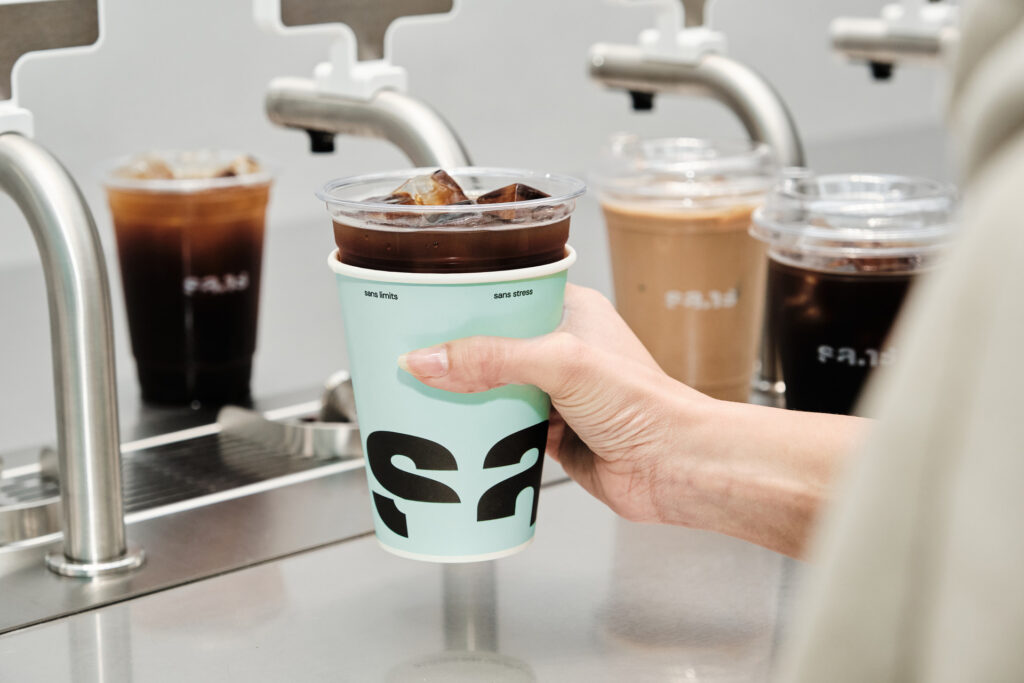
Wake is now gearing up to scale its operations. “Our next manufacturing step is engineered for roughly 400 tons per year of output, aligned with our 2027 growth plan,” he says.
“Expansion is not about growing fast for the sake of it; it’s about proving a new kind of coffee culture. Korea is our proving ground… New York is the next lighthouse: a place where a global audience can walk in, taste a three-second espresso-like shot, and feel, instantly, that coffee has entered a new era.”
The startup will use the new capital to open a beanless coffee store in New York City. “Our goal is simple: make this ‘coffee reinvention’ understandable in one sip, then scale it city by city,” notes Kim. “Coffee has long been a product of geography. We’re building one as a product of craft, so that before long, this Korea-born reinvention can be tasted anywhere in the world.”