

Wildtype Launches Crowdfunding Drive to Deliver Cultivated Salmon Lox & Skincare to US Homes

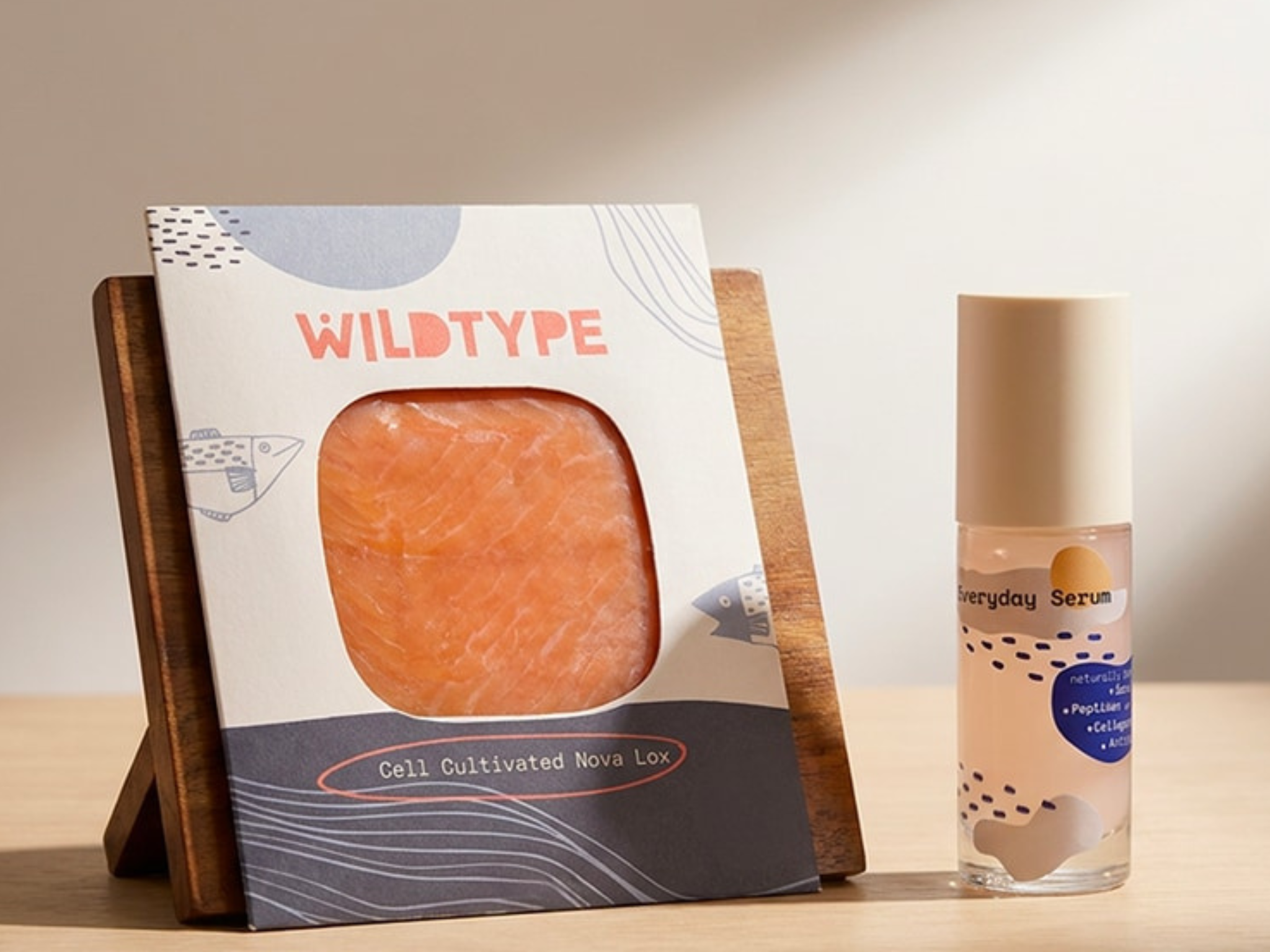
US startup Wildtype has kicked off a crowdfunding drive to begin direct-to-consumer sales of its cultivated salmon lox and launch a marine complex supplement for skincare.
Wildtype, which has been selling its cultivated salmon in a growing list of restaurants across the US, is now bringing the product directly to American homes.
The Californian startup has launched a crowdfunding campaign on Kickstarter, targeting a $75,000 raise to begin shipping its new cultivated lox nationwide and expand beyond seafood with Marine Cellular Complex (MCC), a salmon-derived skincare supplement.
At the time of writing, the firm has already secured 75% of its funding goal, with more than 200 backers.
“We created the Kickstarter to launch two new initiatives: direct-to-consumer cultivated foods and novel skincare formulations, both created with the same cellular agriculture technologies,” Wildtype co-founder Aryé Elfenbein tells Green Queen.
The move makes Wildtype the latest cultivated protein company to move beyond food and leverage its cell culture tech to disrupt other markets, including personal care and life sciences.
Wildtype’s cultivated lox can be shipped to most US states
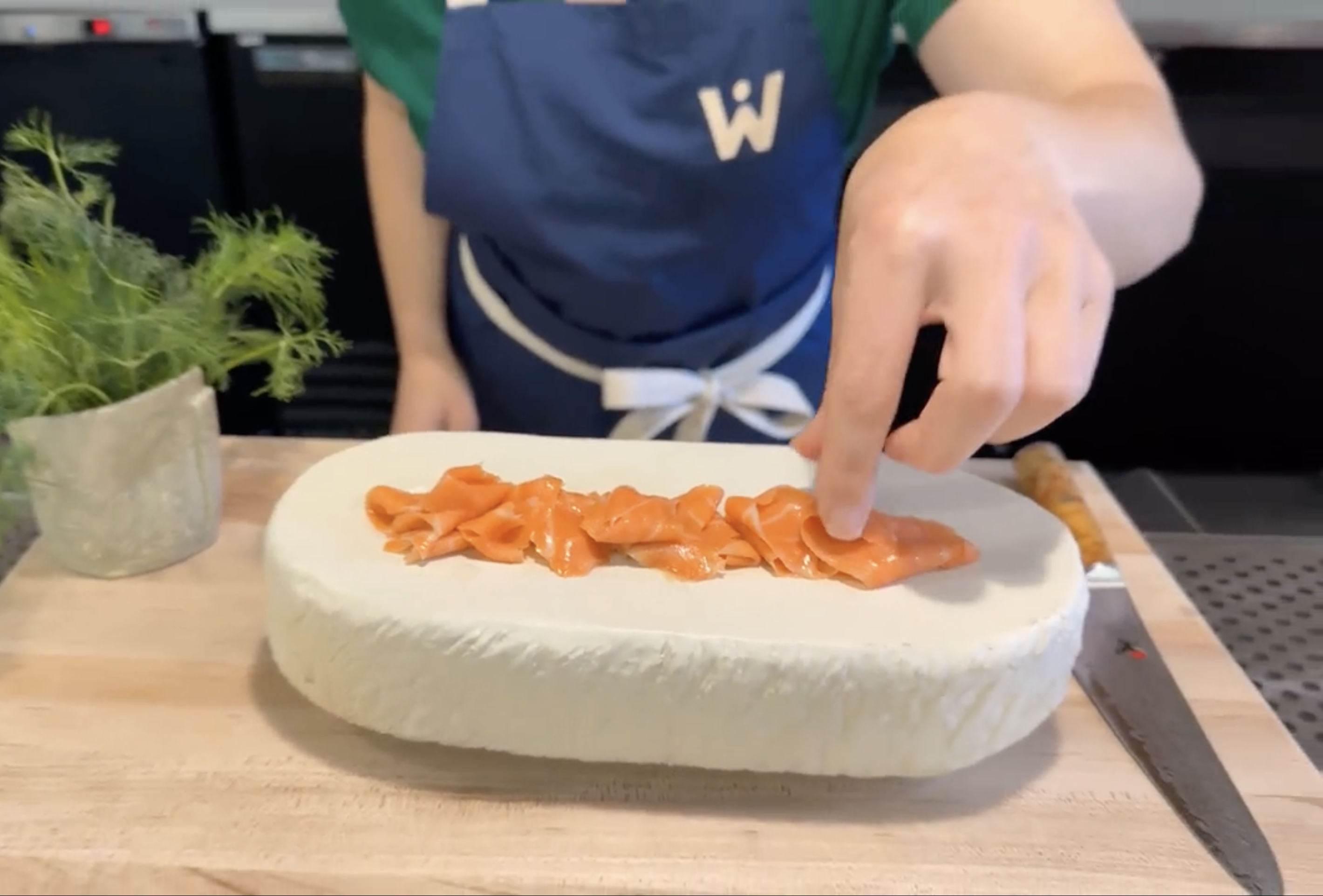
In 2018, Wildtype isolated a small sample of living cells from Pacific coho salmon, which has served as the basis for its cultivated protein ever since.
The startup feeds the cells a mix of plant-based proteins, sugars, fats, salt, vitamins and minerals in suspension culture in bioreactors, under temperature and pH conditions that wild fish thrive in.
The cells are harvested using bowl centrifugation, washed three times with a water and sugar solution, rapidly cooled using blast chillers, and stored frozen. They’re mixed with certain plant-based ingredients to replicate the structure and texture of conventional salmon.
This salmon has already appeared at restaurants in eight cities, and is currently available on the menu of five, including José Andrés’s Barmini cocktail bar in Washington, DC.
It’s the only cultivated seafood product approved for sale anywhere in the world, thanks to an approval granted by the US Food and Drug Administration (FDA) last year.
With the Kickstarter, Wildtype is looking to bring the innovation to households across the US, giving crowd investors access to a “lox box” featuring its pre-sliced, ready-to-eat smoked salmon.
The lox will be shipped to all states except those that have banned or imposed a moratorium on the sale of cultivated proteins, including Florida, Alabama, Mississippi, Montana, Indiana, Nebraska, Texas, and South Dakota. Wildtype has joined forces with Upside Foods to sue Texas over its ban, arguing that the move is “what forced a restaurant partner to pull” its salmon off the menu.
However, the startup will be able to ship its new MCC-powered skincare products to consumers in all states, since these bans only cover cell-cultured food.
What is MCC, and why is Wildtype moving into skincare?
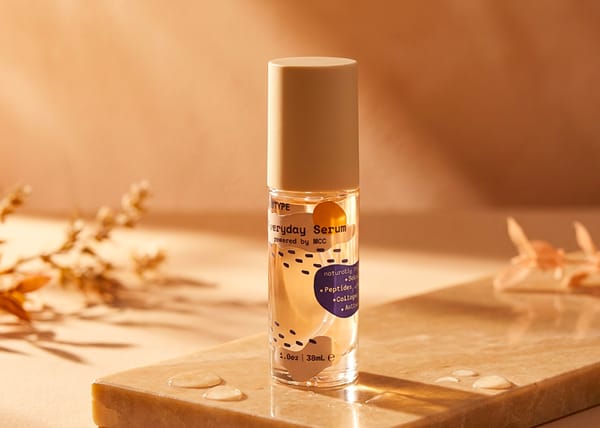
Wildtype describes MCC as a “complete conditioned medium” containing over 15,500 peptides, 5,100 proteins, and 22 amino acids, along with a host of vitamins, minerals, lipids, antioxidants, growth factors, and more. These are all naturally secreted or present in unmodified salmon cells.
The startup discovered that the cells growing its salmon are “remarkable little factories” that create an environment rich in proteins, lipids, antioxidants, and exosomes. These components are as nourishing to the salmon as they are to human skin.
“The process for production is the same as for cultivating salmon cells; from there, the salmon cells are used to create cultivated salmon, and the molecules they produce are used for MCC. This is an ideal, zero-waste process,” explains Elfenbein.
Among MCC’s components are some of the most sought-after bioactives in the skincare industry, including marine collagen and salmon PDRN. The latter is traditionally extracted from salmon sperm, and used in skincare, wound healing, and regenerative medicine.
PDRN has exploded in popularity thanks to its prominence in the K-beauty space, with studies suggesting the ingredient has anti-inflammatory and wound-healing properties, with the ability to synthesise collagen and reduce hyperpigmentation. But it has a host of challenges, from supply consistency and ethical concerns to biosecurity risks.
Wildtype’s MCC has been found to quieten the skin’s three main inflammation signals more than salmon PDRN, while also speeding up repair roughly twofold.
Moreover, MCC enables skin cells to produce up to 4 times more collagen than no treatment, and up to 6 times more than retinol. It raises elastin production by up to 9-fold over untreated cells and increases the number of living, healthy skin cells by up to 23%.
“Our mission to defend Earth’s wild places has led us to find ways of reducing the reliance on marine animals for consumer products (both in seafood and the beauty industry). Nucleotides sourced from salmon sperm are just one example of this unnecessary problem,” says Elfenbein.
Diversifying into cosmetics can help reduce cultivated salmon costs
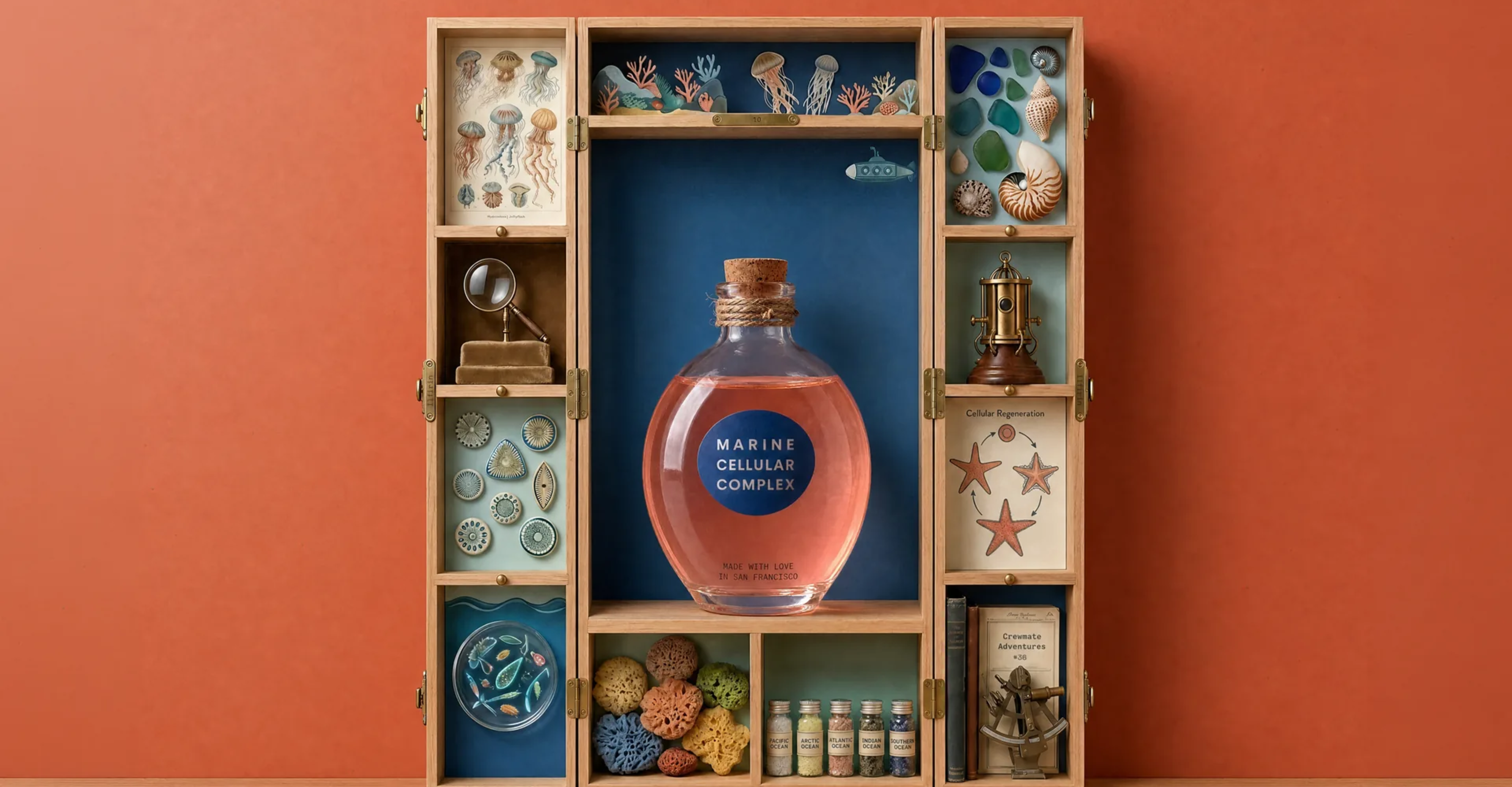
Wildtype has already conducted clinical studies to showcase the efficacy of MCC on human skin, with further research underway. The startup says it enables the skin to look firmer and more replenished, softens fine lines, and makes the complexion calm, hydrated, and radiant.
The ingredient can address hair health too, by neutralising oxidation from UV and pollution to prevent hair bulb stress, and enhancing cell migration to form the foundation of new hair bulbs.
MCC will be at the heart of Wildtype’s new first cosmetics products. It is pH-neutral and contains balanced ions, with physical properties more similar to those of pure water than those of any other ingredient, enabling manufacturers to replace water with MCC in skincare and haircare products.
The cell-cultured ingredient is produced in an FDA-inspected, GMP-compliant repurposed brewery in San Francisco, and already has an International Nomenclature Cosmetic Ingredient (INCI) name – salmon mesenchymal cell conditioned media – enabling its sales in the personal care market.
People who invest in Wildtype’s Kickstarter will receive the first set of skincare products powered by MCC, alongside the lox. Other rewards include fine-dining experiences at the firm’s partner restaurants, the ability to name a cell line or a bioreactor, and early access to future products.
Wildtype says its move into skincare can further reduce the cost of its salmon, thanks to its zero-waste process. It eventually anticipates its seafood being cheaper than conventional products, conceding that this “requires larger facilities (i.e., more money)”. The startup has raised $120M to date.
A host of cultivated meat companies have diversified their operations beyond food. In the cell-cultured fish world, Singapore’s Umami Bioworks diversified into cosmetics last year, with an initial focus on PDRN, and Germany’s Bluu expanded into skincare and health innovations and reached industrial-scale production earlier this year.
Meanwhile, Upside Foods launched Lucius Labs to target the life sciences sector, offering media formulations, buffers and stem cell formulations to accelerate companies’ R&D and help lower their costs. In Australia, Vow co-founder George Peppou relinquished his CEO post to lead a new stealth startup spun off by the company, with a focus outside of food.