

MycoWorks: Celeb-Backed Mushroom Leather Pioneer Snapped Up by Investment Firm

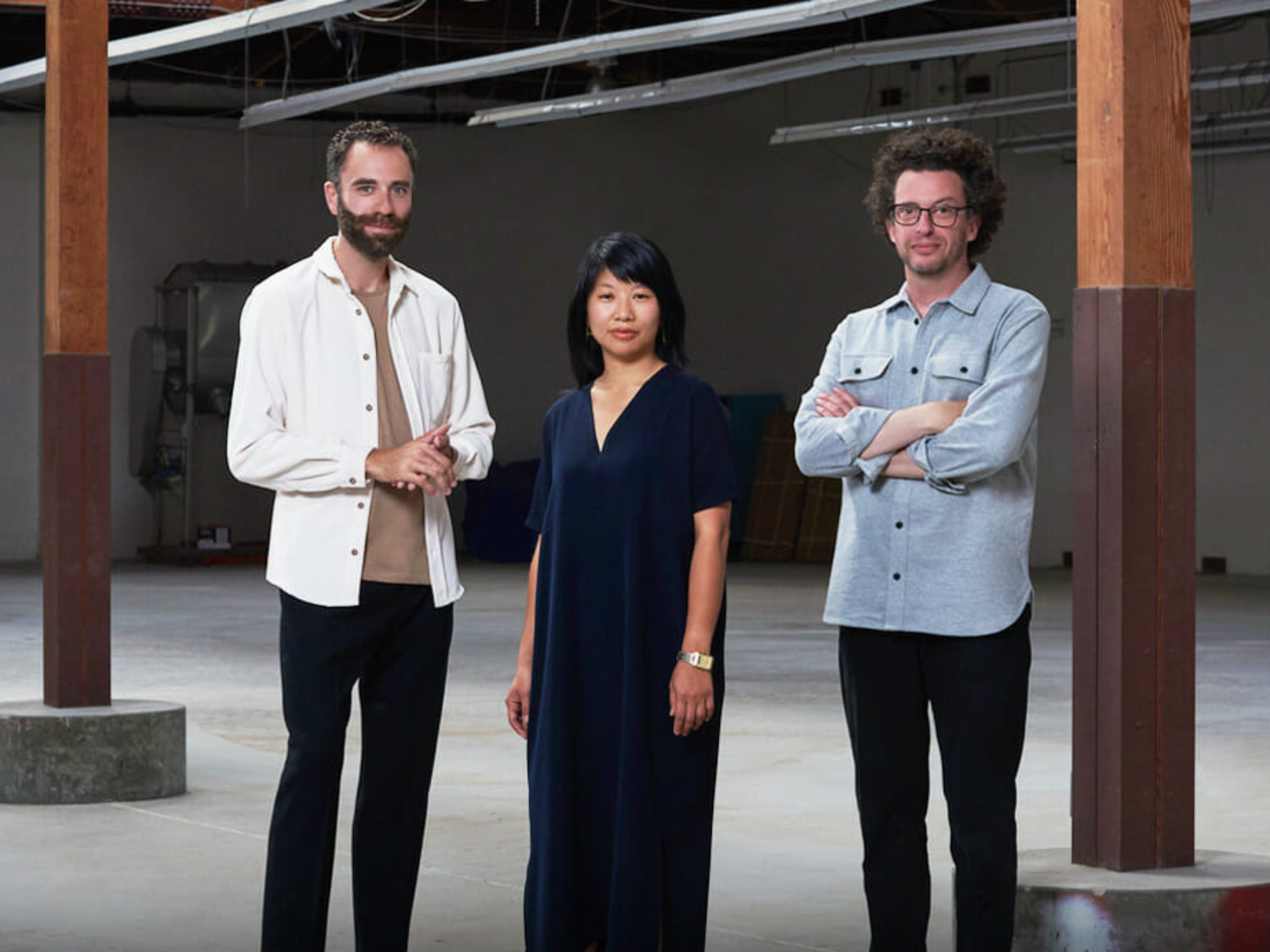
US biomaterials startup MycoWorks has been acquired by DFX Corp and undergone a strategic restructuring to expand the reach of its Fine Mycelium technology.
One of the pioneers of the sustainable leather space, Denver-based MycoWorks has entered a new era following its takeover by investment and buyout firm DFX Corp.
The brand is valued at $300M, built on its mushroom-based material tech, and is now undergoing a strategic restructuring to propel its growth, led by DFX Corp’s Daniel Frydenlund.
This will see Maud Ohler expand her role as senior VP of technology, stewarding MycoWorks’s Fine Mycelium platform in this next phase of development and commercialisation. Co-founders Philip Ross and Sophia Wang will continue to guide the team.
“In partnership with our new private equity partner, DFX Corporation, MycoWorks is undergoing a necessary sea change in its leadership and operations,” Ross wrote on LinkedIn. “It is our honour to continue helping to steer this next stage of growth, just as we have from the very beginning.”
How MycoWorks forms leather from mycelium
Founded in 2013, MycoWorks uses mycelium, the root-like structure of filamentous fungi, to make leather alternatives for a range of industries.
Its mycelium is grown via solid-state fermentation, using feedstocks like recycled sawdust, limestone and wheat bran. These are then inoculated with fungi strains to form sheets of foamy mycelium, which can be harvested and treated at tanneries like animal hide.
The Fine Mycelium tech involves a proprietary process that engineers mycelium cells during their growth to form interlocking cellular structures for enhanced strength, durability, and performance. The cells are grown in trays under precise conditions, with each sheet having a unique code that can allow MycoWorks to monitor and fine-tune the material to deliver customised specifications for designers.
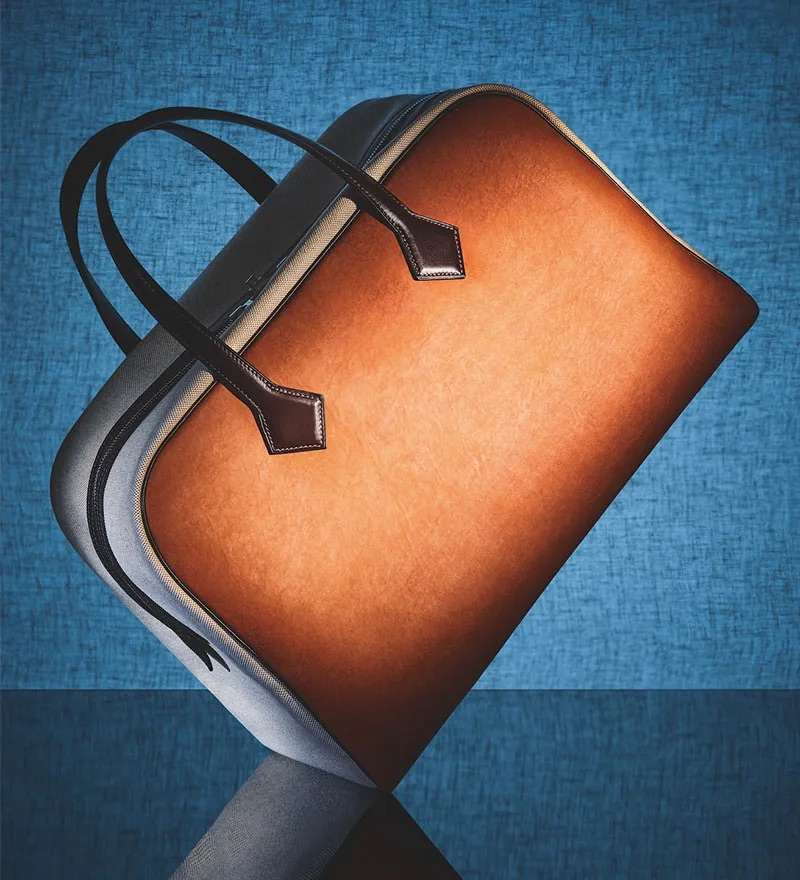
MycoWorks’s flagship material, Reishi, replicates the strength, durability, and “hand-feel” of premium animal leather with a much lower climate impact. It’s tanned and finished by heritage tanneries in Europe, using the startup’s own proprietary chrome-free tanning and dying technologies.
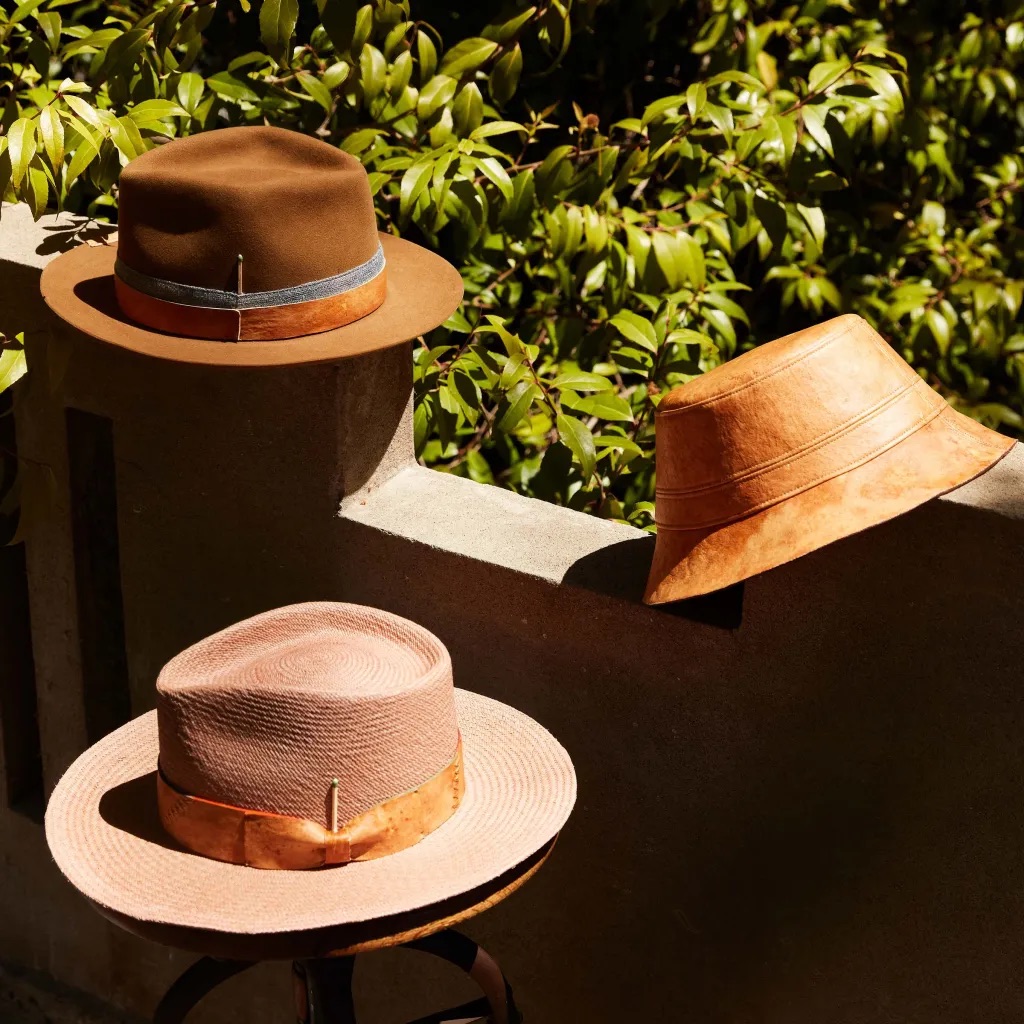
The innovation has already appeared in bags, shoes, clothing, and furniture by a number of brands, including Hermès, St Allen, and Ligne Roset. Further, MycoWorks has produced other leather alternatives as part of collaborations with General Motors’s Cadillac and Hermès.
Acquisition follows business reset amid challenges for alternative leather
MycoWorks is among the most well-capitalised startups in the biomaterials industry, having secured $187M from investors including Natalie Portman, John Legend, Gingko Bioworks, and General Motors.
But it has faced a number of challenges amid its efforts to scale up its technology. In November, the startup shut its facility in South Carolina, laying off several employees and shifting its business focus from mycelium cultivation to processing. The firm no longer grows its own mycelium, instead sourcing it from external producers while doubling down on its Rei-Tan tanning technology.
“This plant was ambitious and pioneering; the team in South Carolina solved infections, yield loss, and the operational complexity of a brand-new biomanufacturing process. The result, however, proved to be too expensive for the world we currently live in,” CEO Matthew Scullin wrote at the time.
“Whereas capital was abundant and cheap for innovators like MycoWorks just a couple of years ago, times have changed; amidst the backdrop of a slew of late-stage bio, food, ag, and alternative leather companies going under,” he added.
With the acquisition from DFX Corp, MycoWorks is now looking ot create long-term value, build operational stability, and deepen its partnerships via “values-aligned collaboration”. Maud and her team, meanwhile, will reimagine Reishi to enhance its performance, versatility, and creative possibilities.
Producing leather is an energy– and water-intensive process linked to deforestation and biodiversity loss, and generates lots of hazardous chemicals during tanning, which are a detriment to human health. Synthetic leather has its own problems. It’s usually derived from plastic, which takes 20 to 500 years to break down and decompose and is responsible for 3.4% of global emissions.
It’s why several biotech startups are working on sustainable leather. Ecovative is also focusing on mycelium, and Uncaged Innovations leverages proteins from grain byproducts. Faircraft and Qorium, meanwhile, are making cell-based leather.