

JBS, the World’s Largest Meat Company, Opens $37M ‘Superprotein’ Centre in Brazil

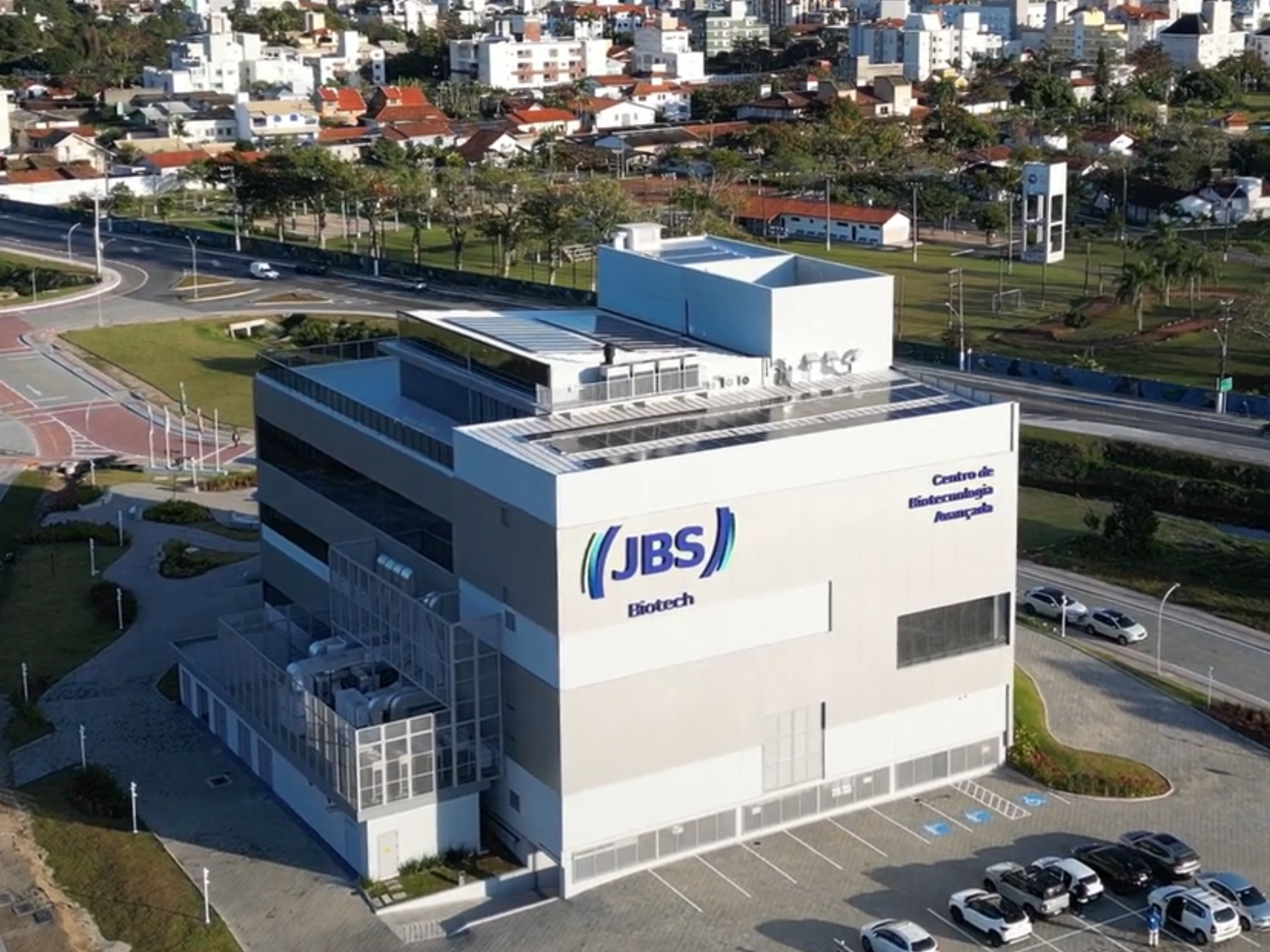
Brazilian meat behemoth JBS has opened a $37M facility to produce what it calls “superproteins”, which include microbial and cultivated proteins, targeting supplements and precision nutrition.
The world’s largest meat company just made a major bet on alternative proteins.
JBS has opened a 4,000 sq m biotech centre dedicated to “superproteins”, a range of functional and alternative proteins for the food, supplement, and precision nutrition markets.
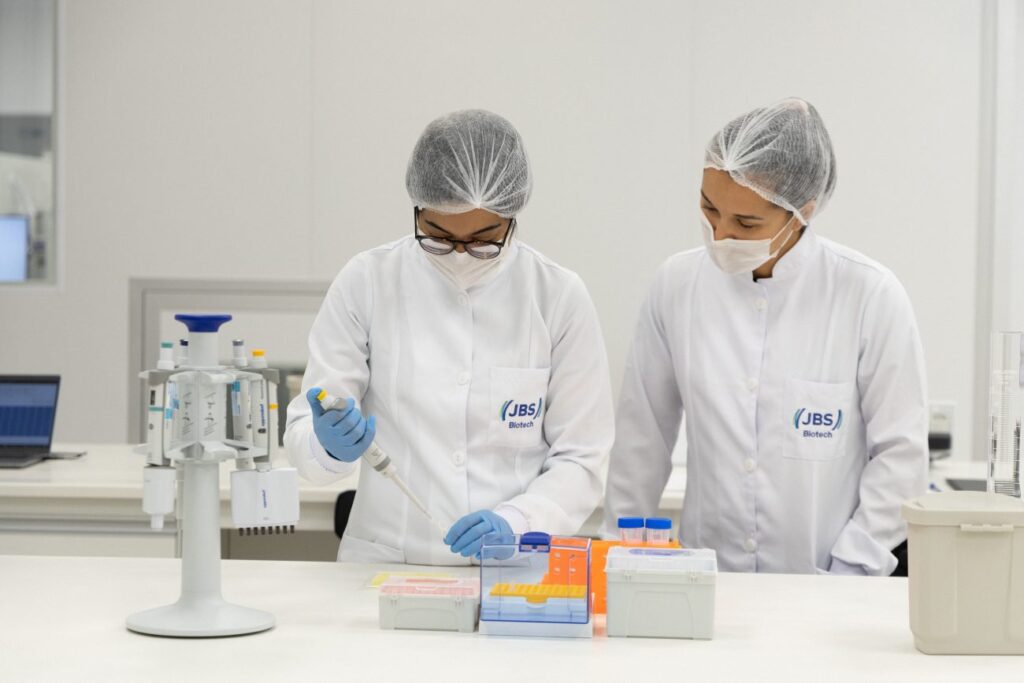
Called JBS Biotech, the facility is based in the Sapiens Parque innovation hub in Florianópolis, Brazil, and covers proteins cultured from animal, microbial and plant cells. It houses 20 highly specialised labs dedicated to the development of applied science in the food industry, covering the entire value chain.
“JBS Biotech is capable of developing everything from functional proteins – the so-called ‘superproteins’ – to new bioactive ingredients for the supplement and food market,” said JBS CEO Gilberto Tomazoni.
“More than just producing a finished product, our goal is to develop knowledge and technology, accelerate proof-of-concept projects, and pave the way for future industrial-scale applications,” he adds.
The investment in the biotech facility is part of JBS’s bet on cultivated meat, which kicked off with its $100M acquisition of Spanish food tech startup BioTech Foods. Over a third of this sum ($37M) has gone into this new centre, and the rest has been earmarked for the construction of the latter’s plant in San Sebastián, which has previously been touted as the world’s largest cultivated beef factory.
With cell culture capabilities, JBS Biotech now building a biobank
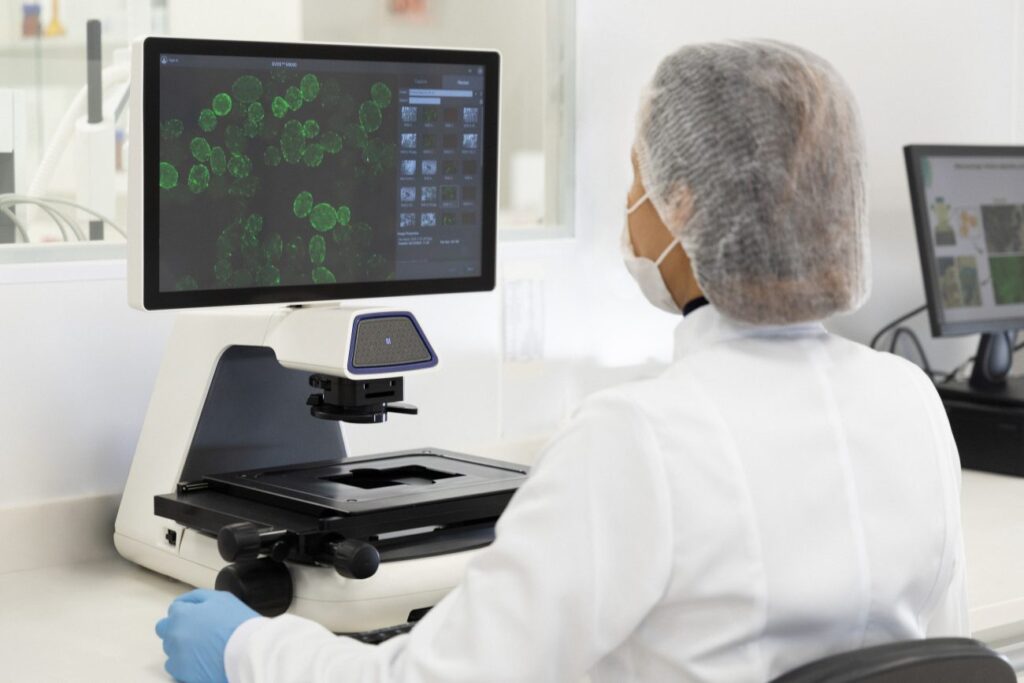
The new site covers the entire tech development cycle, from basic and applied science (including cellular and molecular biology) to engineering, data simulation, and results validation.
As Tomazoni alluded to, the focus of the facility is on functional ingredients that can fit into solutions like supplements, rather than finished products such as meat alternatives. It also aims to boost the construction of an “increasingly efficient production model”.
This, JBS says, enables the manufacturing of high-quality, nutritious proteins rich in essential amino acids. These ingredients can be designed to act in a targeted, personalised manner, supporting muscle mass gain, immunity boosting, metabolic performance, and more. This approach can also be applied to existing products, enhancing their quality and nutritional value.
“This initiative stems from our conviction that science, technology and innovation are essential to ensure food security in a rapidly changing world,” Tomazoni said.
The JBS Biotech centre integrates next-generation sequencers, advanced molecular analyses, omics data science – genomics, proteomics, and metabolomics – and has complete capacity for cell, microbial and plant cultures.
The company is now creating a biobank, a structure dedicated to the preservation and organisation of biological samples. Combined with the strategic use of science and tech, this will enable it to extract more value from each stage of the agro-industrial chain.
According to JBS, the facility incorporates multidisciplinary competencies with the aim of optimising conventional production methods and creating new technological processes. This will allow the site to operate in both incremental and disruptive innovation, covering process and product enhancement, as well as new food system solutions.
JBS doubles down on circular economy and alternative proteins
“We are entering a new frontier, where it is possible to understand the potential of protein foods at the molecular level and develop solutions with nutritional and functional characteristics tailored to different consumer needs,” said Fernanda Berti, CEO of JBS Biotech.
“This includes the advancement of precision nutrition, with the development of ingredients and proteins designed to modulate specific physiological responses, both in humans and animals.”
JBS is homing in on a circular economy model with the establishment of the hub, with research utilising extraction and bioconversion technologies to transform co-products into value-added ingredients like functional proteins, food supplements, and bioactive compounds.
In fact, the production chain allows for better utilisation of resources generated in conventional processes, and can serve the pharmaceutical, cosmetic, medical, food, and supplement sectors. “We are mapping what is currently treated as a byproduct to develop new industrial applications,” said Berti.
The opening of JBS Biotech is an extension of the meat giant’s existing biotech initiatives, including its investments in cultivated meat. It’s a big deal for the world’s largest meat producer to bet on these proteins in the current climate, considering how year-on-year funding for these proteins halved in 2025.
JBS has been expanding its alternative portfolio of late. Last year, it purchased leading meat-free company The Vegetarian Butcher from Unilever, combining it with its existing plant-based brand Vivera to form The Vegetarian Butcher Collective.
“Our mission is to make biotechnological knowledge tangible,” Berti said after the opening of the new facility. “We want to transform science into solutions that generate lasting value for the company and for society.”