

Sweden’s Livoo is Making Protein By Upcycling Oat Milk Waste

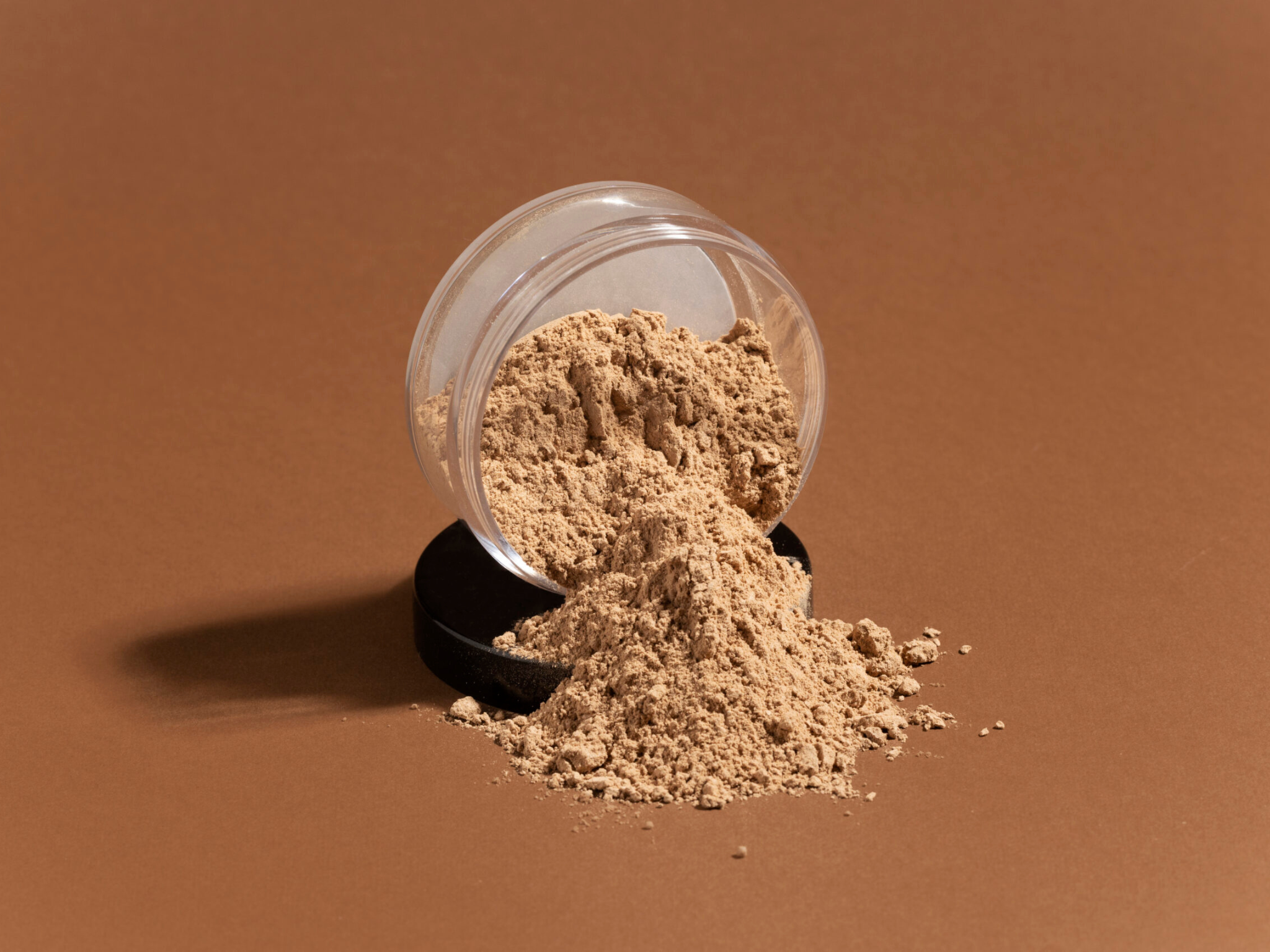
Swedish food tech startup Livoo has unveiled Eco-Oatup, a new protein- and fibre-rich ingredient derived from the pulp left over from oat milk production.
In the home of oat milk, one company is turning the leftover okara into a fibre-packed protein powder.
Sweden’s Livoo is upcycling oat milk pulp to produce Eco-Oatup, an organic plant-based protein suitable for a variety of applications, including baked goods and meat and dairy alternatives.
When oat milk is produced, the liquid is filtered out to leave the wet pulp, which is rich in protein, fibre and micronutrients. But its high moisture content and perishability make it hard to valorise at scale.
Livoo uses a proprietary drying technology to stabilise oat okara into a shelf-stable ingredient. The process preserves the nutritional value of the raw material and extends its usability.
“Instead of treating this material as a low-value byproduct, Livoo converts it into a high-value food ingredient through controlled stabilisation, drying, milling and sieving,” Livoo CEO Stefan Ekstrand tells Green Queen.
“This is where much of the value is created: a short-life, underutilised sidestream is transformed into a stable, premium ingredient for modern food applications.”
How Livoo produces its high-fibre oat pulp protein
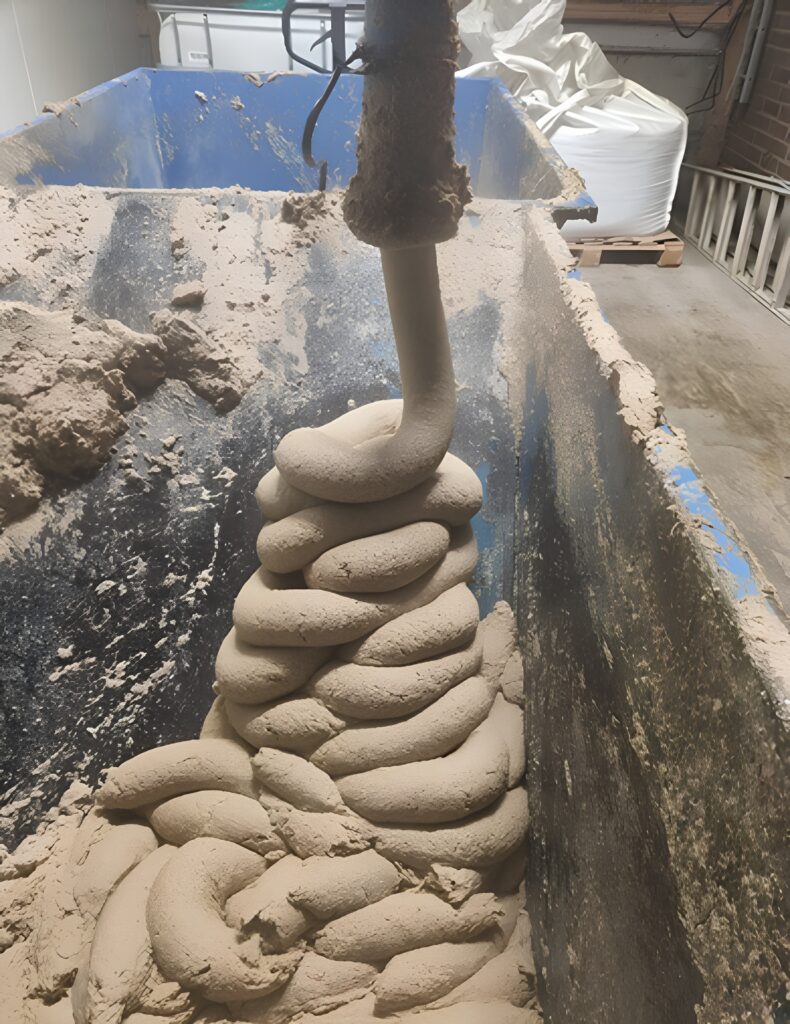
Research shows that for every litre of oat milk, 200-450g of pulp is left over as a byproduct. Globally, around 228,000 tonnes of this oat okara is produced annually, and this is set to rise to 500,000 tonnes by the end of the decade.
Livoo recovers this sidestream close to the source, and employs a low-temperature drying technology to gently stabilise the pulp and preserve its functional and nutritional properties.
Unlike conventional high-heat drying systems that degrade proteins and fibres, its proprietary dehydration and homogenisation process maintains ingredient integrity and delivers specification-controlled lots to manufacturers.
“Because oat okara has very high moisture content, it must be handled directly after production to prevent microbial growth. It begins to deteriorate in less than 60 minutes after leaving the oat drink production process if it is not stabilised,” explains Ekstrand.
“Through drying, water activity is reduced, creating a microbiologically stable ingredient suitable for storage, transport and industrial use. The dried material is then milled to the desired particle size depending on the application.”
The resulting ingredient contains 40% native oat protein (three times that of conventional oats) and 20% fiber (twice that of standard oats). It has 5% beta-glucan content and contains many essential amino acids, including an abundance of leucine, isoleucine and valine. In fact, its branched-chain amino acid content (6.93g per 100g) is higher than that of pea or rice protein.
“Like most cereal proteins, oat protein is not normally positioned as a complete protein on its own because lysine is the limiting amino acid, but this creates a strong blending opportunity,” says Juan Carillo, head of ingredients at the startup.
“When combined with lysine-rich proteins, such as pea, fava, soy or mung bean, Oatup can help create a more balanced amino acid profile while adding benefits many isolates do not offer: fibre, oat taste, circularity, clean-label appeal and consumer-friendly oat positioning,” he adds.
Local manufacturing, low waste, and modularity curb climate impact
Livoo’s modular drying systems also enable flexible deployment directly at production sites, minimising transportation of water and high-moisture biomass, and lowering the environmental footprint.
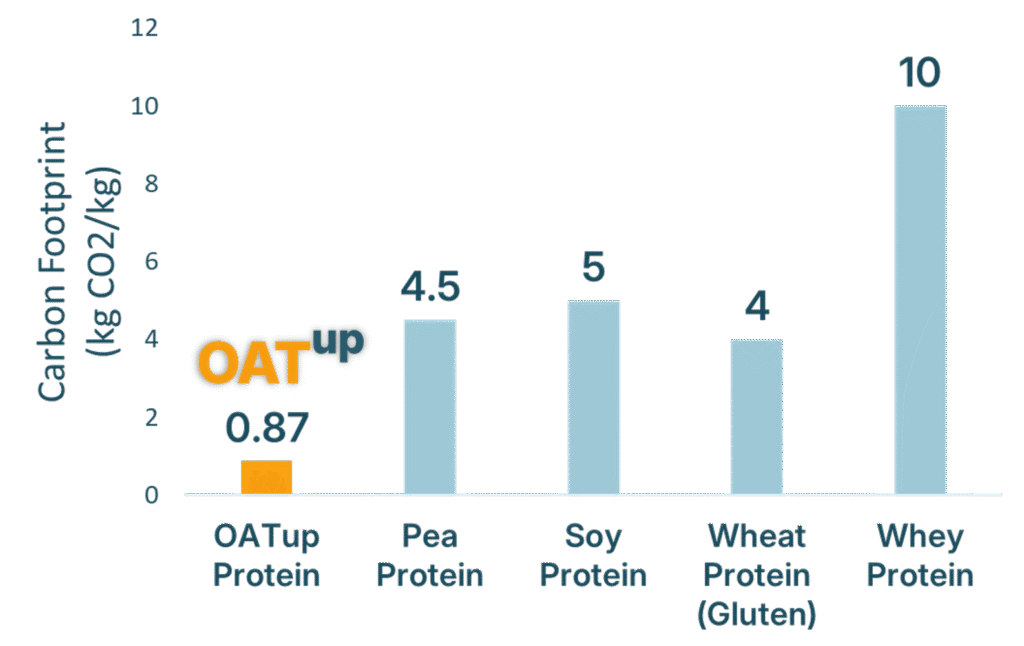
Estimates suggest that the oat pulp protein generates 0.87kg of CO2e per kg – this is over 80% lower than pea or soy protein, and more than 90% lower than whey. According to the startup, using this ingredient at 20-50% could reduce products’ climate footprint by 40-60%.
Speaking of environmental impact, one of the easiest ways to reduce the food system’s climate footprint is to reduce waste. Food waste and loss account for up to a tenth of all global emissions, so by valorising such byproducts, companies can advance the circular economy, unlock financial value, and lighten the environmental load.
“We source okara from selected food producers across the EU in a supply model designed to scale with the oat drink and oat-based food industry. This gives manufacturers a European, oat-based, circular ingredient story with strong relevance for better-for-you and sustainability-led brands,” Ekstrand notes.
“Manufacturing takes place within the EU, and we are continuously scaling our operations to support growing demand. Our broader model is to stabilise valuable sidestreams close to the source and return them to the food system as premium functional ingredients,” he says.
Livoo’s first commercial batches of oat protein are already being shipped to B2B partners in Europe, as the company scales up drying installations with multiple oat milk partners. Further, it is working on new product development with the protein, expanding its ingredients division for global distribution, and entering new geographies with its flexible deployment model.
Although its primary focus for the ingredient is on the food industry, its potential applications can extend to other industries too. For instance, it can be used as a plant-based active for skincare, moisturisers, and haircare formulations by cosmetics and personal care companies. Eco-Oatup can also be employed as a high-protein, high-fibre, clean-label solution for pet food.
Livoo targets multiple industries with oat milk pulp protein
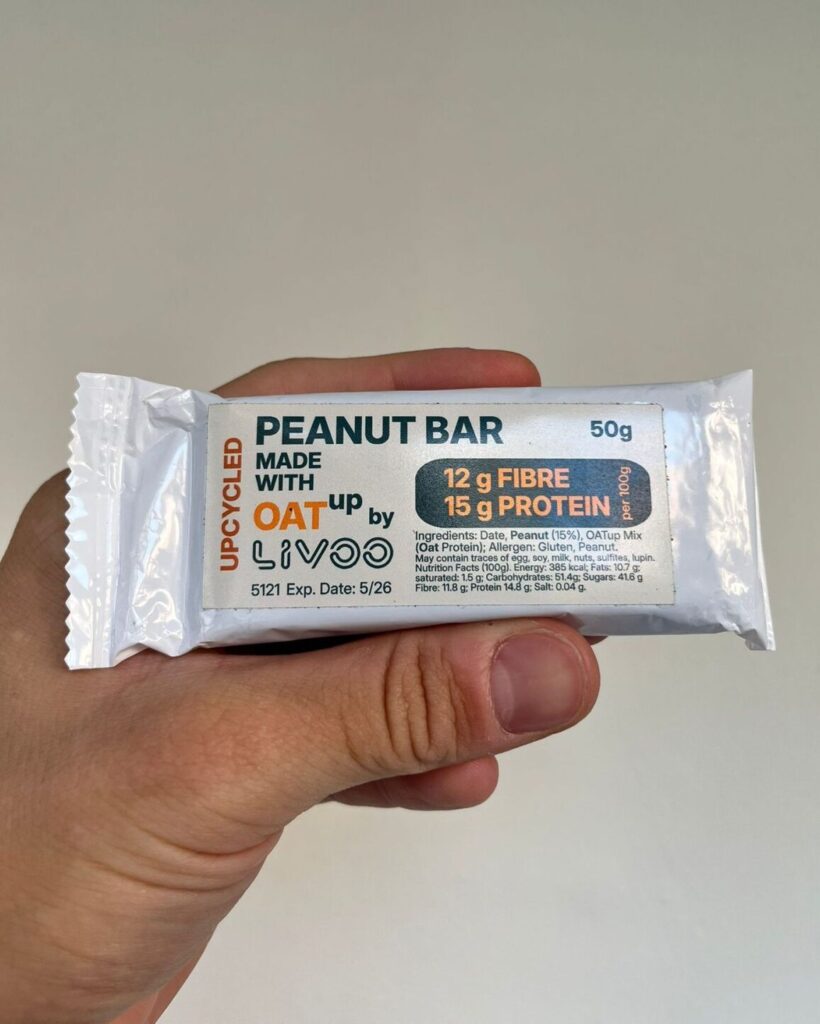
Livoo’s Eco-Oatup has a soft texture and light cereal flavour, making it suitable for inclusion in plant-based and blended meat, non-dairy products, granola, protein shakes and nutrition powders, functional bars and snacks, as well as high-protein bakery items.
“It combines plant-based oat protein, dietary fibre, mild cereal taste, clean-label simplicity, circular economy storytelling and formulation flexibility in one ingredient, helping brands create higher-value products rather than competing only on cost per gram of protein,” says Ekstrand.
The high amounts of protein and fibre fit well into ongoing consumer trends, with protein- and fibermaxxing taking the internet by storm. In the US, these are the two nutrients consumers focused on most last year, with the rise of GLP-1 drugs such as Ozempic and Mounjaro playing a major role.
“Oatup entered the market last year and is already being used by a few companies in products such as post-workout mixes, nutrition bars, and oat protein powders. The ingredient is available in powder formats tailored to different applications rather than one generic format,” the CEO says.
“We are currently expanding applications into bakery, snacks, energy bars, cereals, granola, superfoods, meat analogues, ice cream, dairy alternatives and plant-based food concepts, with several ongoing development projects.”
“The fine powder format is especially relevant where smoothness, dispersibility and low mouthfeel are important, while the coarser format is more relevant where texture, fibre structure, rustic oat character or water binding are desirable.
“This application flexibility is part of the premium value: Oatup can help brands improve nutrition, texture, consumer appeal and sustainability credentials in finished products.
Livoo isn’t the only Swedish company valorising oat milk pulp into a protein ingredient. The Green Dairy – now majority-owned by Ikea’s VC arm, Ingka Investments – upcycles its own oat milk residues into reOat, which contains 36% protein and 30% fibre for use in meat and dairy alternatives, sports nutrition, functional snacking, and more.