

The Green Dairy: Ikea Pumps $8.6M into Plant-Based Milk Producer to Become Majority Owner

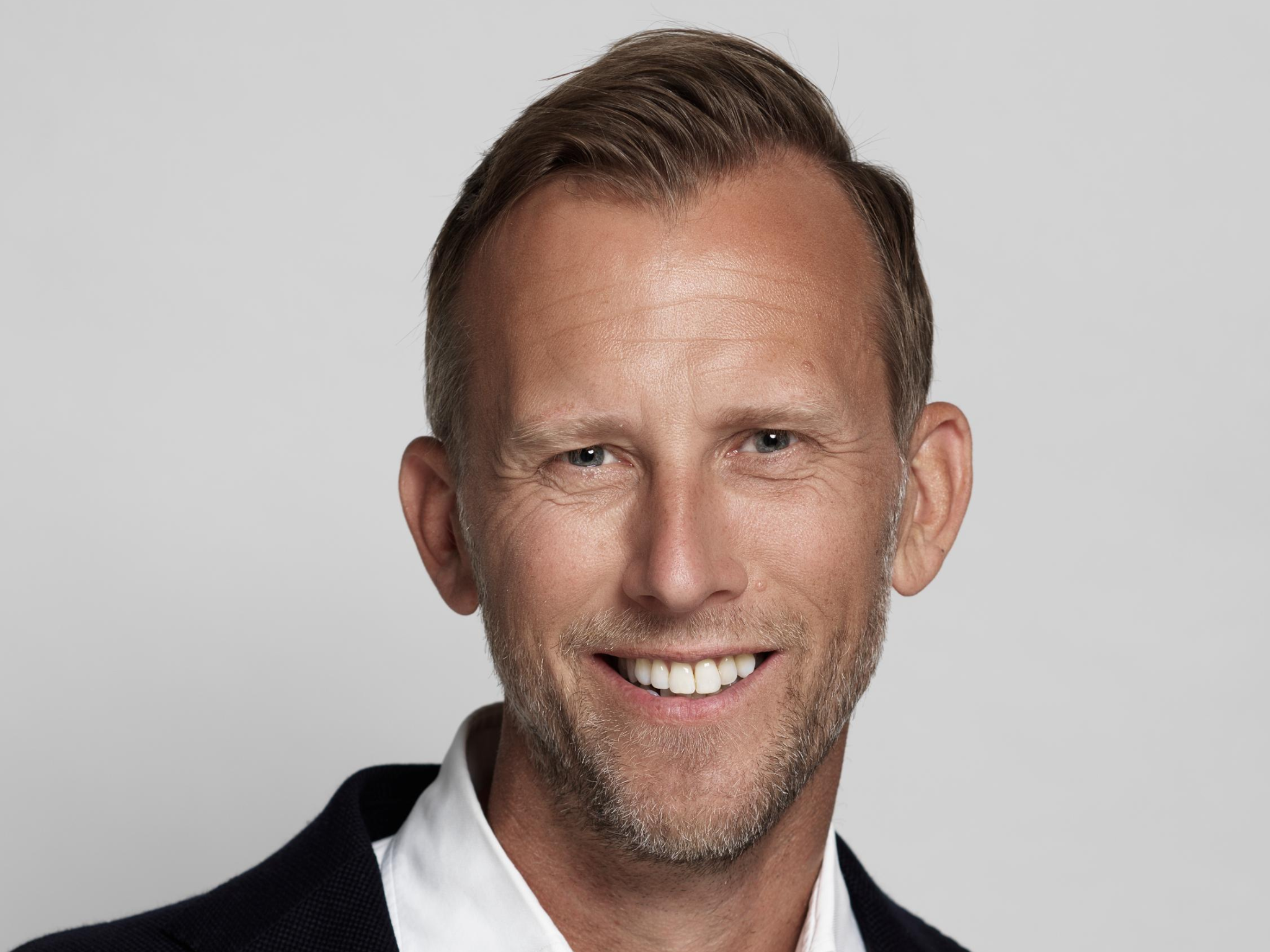
Ikea’s VC arm, Ingka Investments, has bought a majority stake in Sweden’s The Green Dairy, which makes plant-based products from oats and fava beans, with an 80 million kronor ($8.6M) investment.
Long known for its interest in the sustainable food sector, furniture giant Ikea has become the largest shareholder of an established B2B alt-dairy player.
Ikea’s financing arm, Ingka Investments, has invested 80 million kronor ($8.5M) in The Green Dairy, which uses oats and fava beans to make dairy alternatives and hybrid solutions for other companies, respectively.
The manufacturer, which has been around for nearly two decades, also repurposes its oat residues into a protein ingredient for meat alternatives, lowering food waste and contributing to the circular economy.
“This majority stake will provide The Green Dairy with greater stability, which is needed for sustainable long-term growth,” an Ingka Investments spokesperson told Impact Loop, which first reported the news. “At the same time, we continue to support the company’s mission to develop affordable, plant-based alternatives to dairy products.”
A pioneer in oat-based dairy
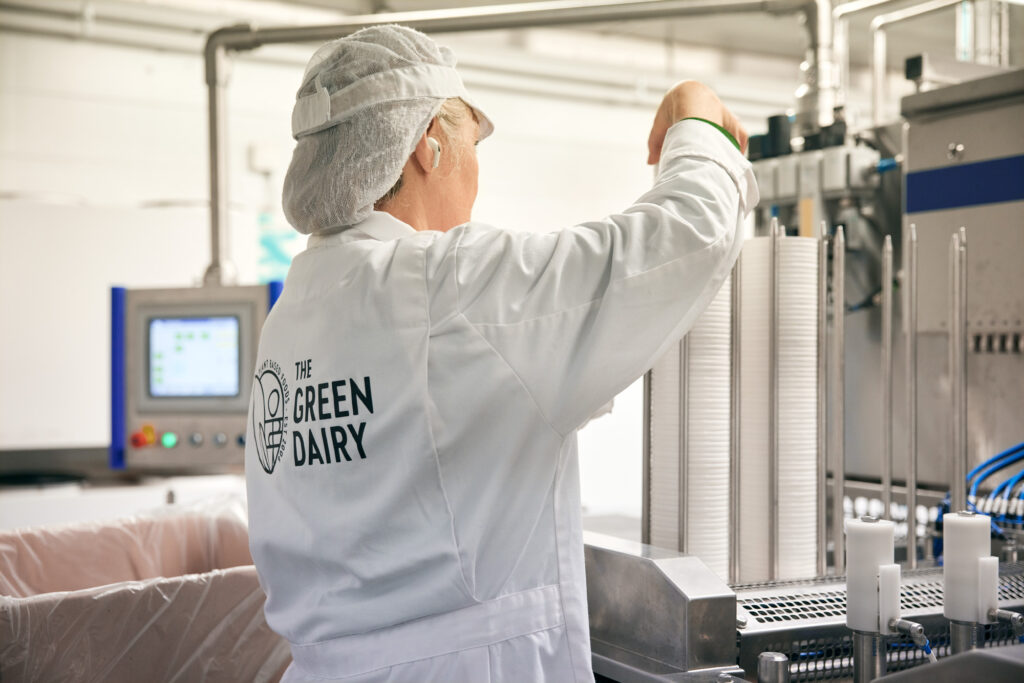
The Green Dairy’s origins date back to 1989, when founder Bo Funeteg introduced dairy-free ice creams under the Lovice brand. It began commercial operations in 2006 as Gröna Mejeriet with a factory in Karlshamn, before rebranding to the current name.
It supplies a range of plant-based products to food companies, mainly based on oats. This includes barista and regular oat milks, ice creams and soft serves, as well as cooking and whipping creams.
Additionally, the firm utilises fava beans in some of its products. It teamed up with Estonia’s TFTAK earlier this year to develop a yoghurt alternative that combined 80% beans with 20% oats. Its fava bean solutions can also be used to create hybrid dairy products, a growing segment in Europe.
The Green Dairy offers joint R&D and innovation services at its innovation hub in Karlshamn, from kitchen development and pilot runs to factory trials, alongside sensory, regulatory, shelf life and food safety expertise.
Its technology enables the creation of flexible private- and white-label product lines in various packaging formats, such as ice cream tubs and aseptic cartons. And earlier this year, the manufacturer installed a new bag-in-box line to develop larger packaging solutions for foodservice.
The Green Dairy goes circular with upcycled oat pulp protein
By producing oat-based dairy products, The Green Dairy already provides significant reductions in emissions, land use and water consumption. Its sustainable approach goes a step further with reOat, a protein derived from the leftover pulp from its oat milk production.
The company explains that oat pulp is a nutrient-rich byproduct that is usually wasted, but it upcycles the residues into a high-value ingredient through a gentle process free from chemicals or solvents.
The resulting reOat ingredient contains 36% protein and 30% fibre, alongside 12% healthy fats from oat lipids. It has a neutral flavour and offers a soy-free, non-GMO option that can easily be incorporated into a variety of recipes.
These applications include non-dairy alternatives, baked goods, cereals, sports nutrition products, meal replacement bars, snacks, and meat analogues like burgers, meatballs and pulled pork.
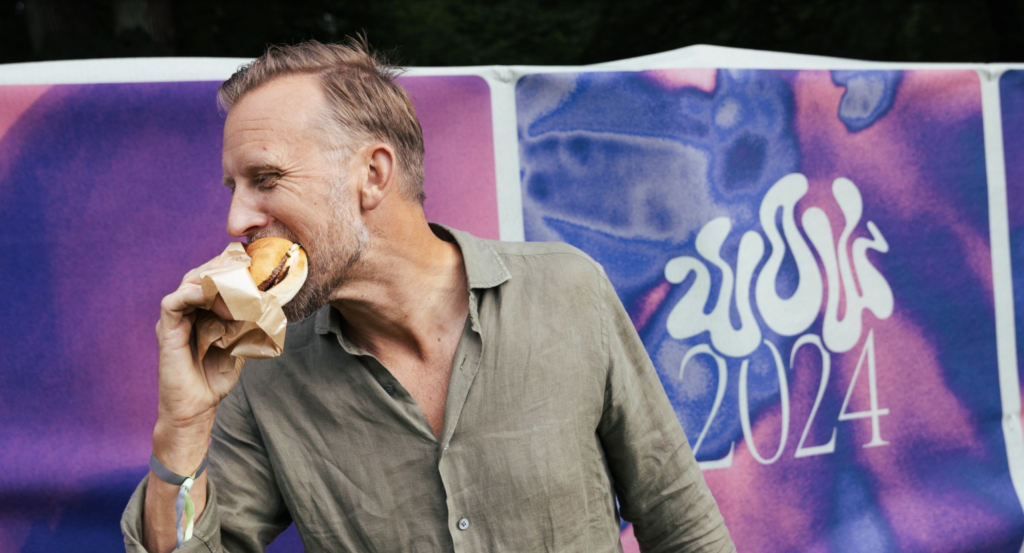
Last year, The Green Dairy showcased these capabilities by serving over 10,000 reOat burgers at Way Out West, a three-day music festival held annually in Gothenburg. “We hope to create a more circular food system where no part of the raw materials needs to go to waste, and we would be excited to team up with other food companies to help shape the future of food,” the company said at the time.
Sweden is no stranger to oat milk – it is, after all, the home of the company that first created it, Oatly. The Green Dairy is drawing on that expertise, having appointed Johan Girdo, former president of Oatly’s European operations, as CEO in 2024.
The company has counted Ikea as an investor since 2012, and reported net sales of 137.9 million kronor ($14.8M) in 2024, albeit recording an EBITDA loss (revenue excluding all non-operational expenses) of 72.3 million kronor ($7.8M). The Green Dairy will hope that Ikea’s latest capital injection will help propel its growth.