

Danone Expands Silk Protein Lineup with Non-Dairy Yoghurts & Shakes

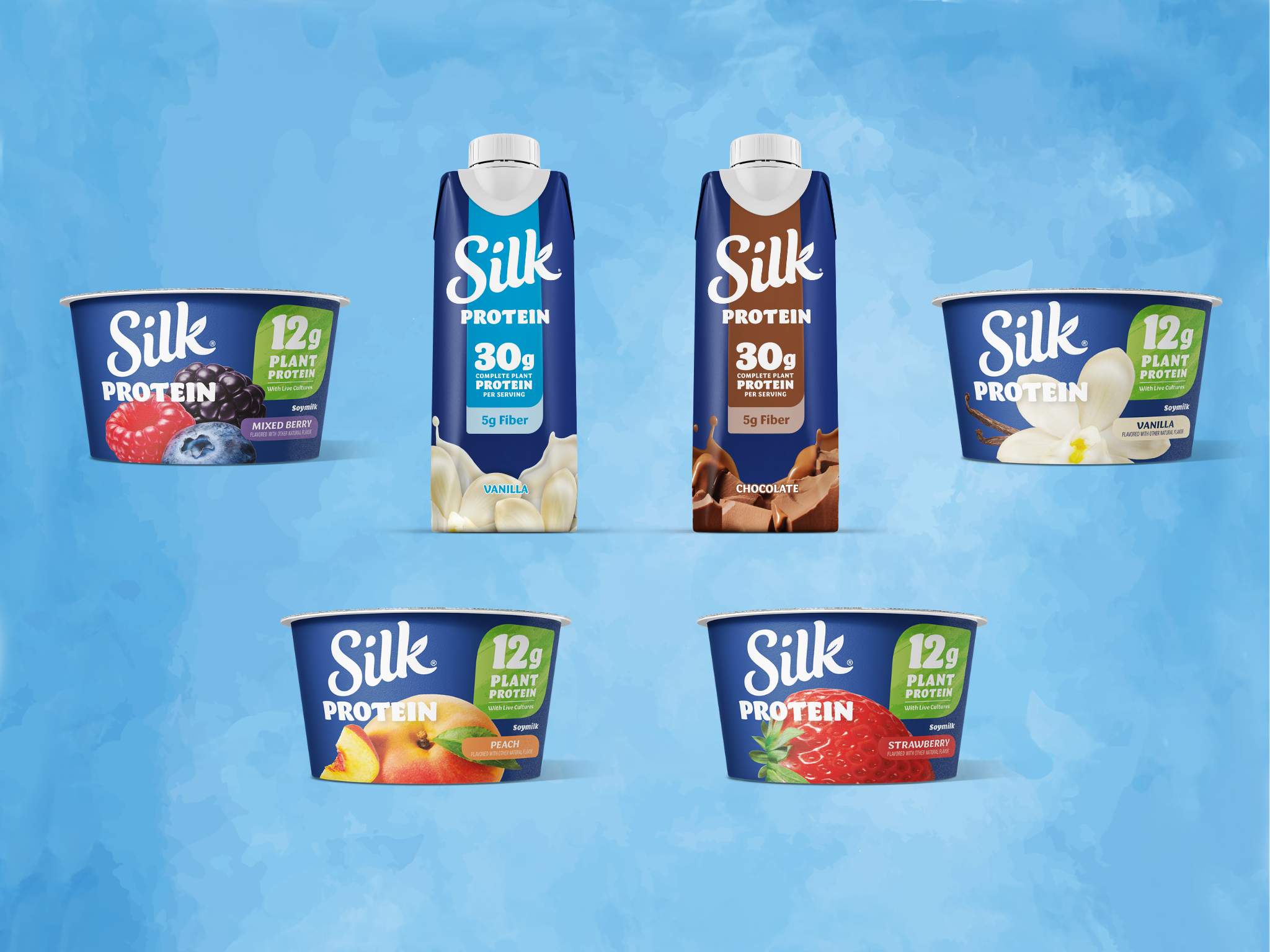
Danone has added yoghurts and shakes to its Silk Protein range of plant-based dairy products, building on America’s seemingly endless appetite for the macronutrient.
Seven months after entering the protein wars with a soy milk that outperformed dairy on the macros, Danone has expanded its Silk Protein lineup to go beyond just milk alternatives.
The French dairy giant has introduced dairy-free protein yoghurts and ready-to-drink shakes as the latest additions to the range in the US.
It comes as Americans continue to look for protein-packed food and beverage options this year, and homes in on two formats that bucked the decline of the overall plant-based category in the US in 2025.
Silk’s protein yoghurt and shakes outperform competitors
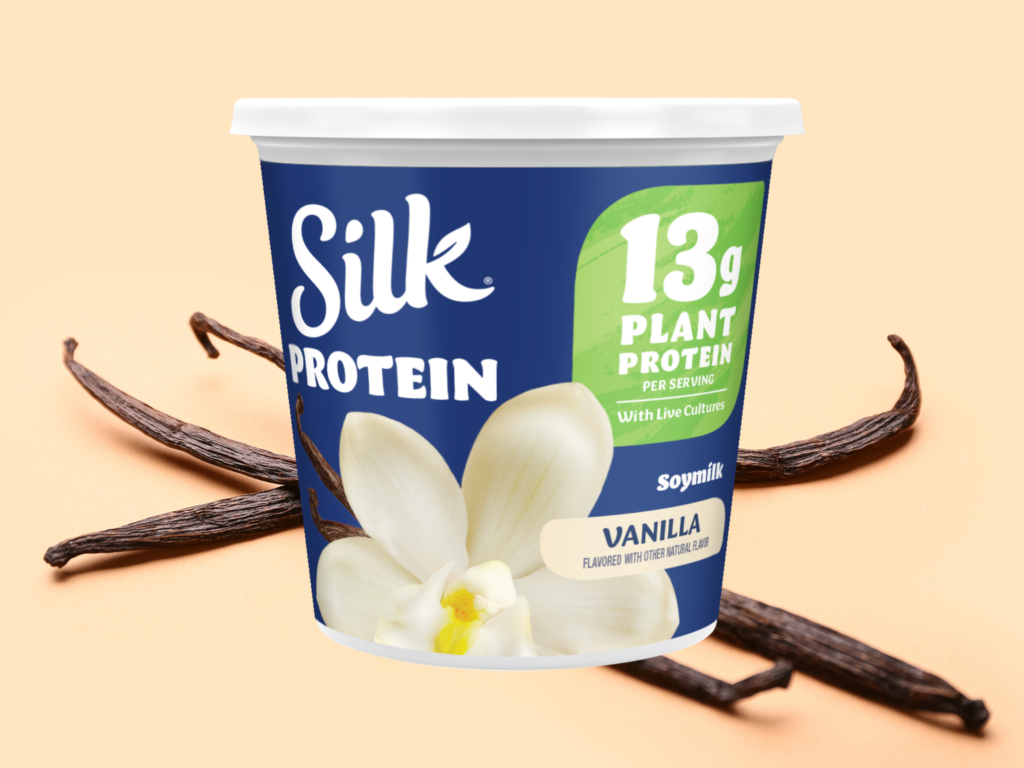
Silk’s protein yoghurt has 13g of plant protein per 6oz serving in the 24oz tub format, and 12g of protein in the smaller 5.3oz cups.
The protein comes from soybeans, making it a complete protein source with all essential amino acids. According to Danone, the new yoghurts have twice the average protein content of the overall dairy-free yoghurt segment.
The new yoghurts have 4g of fibre per serving and contain micronutrients like calcium, vitamins B12 and D, iodine, and phosphorus. They key into consumer demand for clean-label products by avoiding the use of artificial colours, flavours or sweeteners.
The protein-packed yoghurts come in vanilla (both in tub and cup formats), strawberry, peach, and mixed berry flavours, and will roll out at retailers nationwide later this month.
Meanwhile, Silk is debuting its first ready-to-drink protein shakes to add to this lineup. The 11.15 oz bottles contain 30g of complete plant protein, the highest protein content of any Silk product and comparable to many dairy-based shakes on the market.
The shakes also have 5g of fibre per bottle, only 2g of sugar and 180 calories, and no artificial flavours, sweeteners, or colours. They come in shelf-stable formats in chocolate and vanilla flavours, and will be rolled out across the US next month.
Danone bets big on plant protein
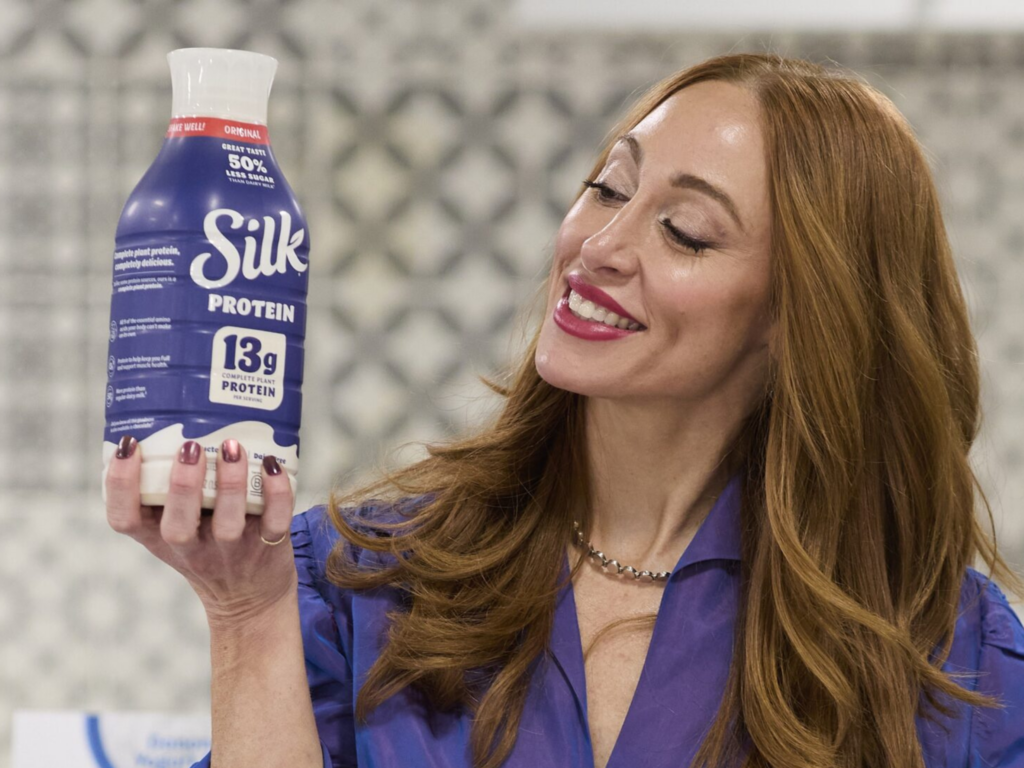
The new products follow the launch of Silk’s protein-boosted soy milks, which contain 13g of plant protein per cup, the highest among refrigerated plant-based milks in the US. They also have 3g of fibre, only half as much sugar as their dairy counterparts, and zero artificial sweeteners.
This Silk Protein range is Danone’s response to the booming demand for both protein and fibre stateside. Nearly three in five (57%) Americans plan to prioritise protein this year, and 43% of them are willing to pay more for products enhanced with the nutrient (rising to 54% among younger consumers).
Most Americans are fibre-deficient, a dietary gap that online trends like fibermaxxing are looking to fill. The rise of GLP-1 users from 10% in 2024 to 18% in 2025 has contributed to this boom.
These drugs cause a 5-40% decrease in muscle mass over 8-16 months (much more than non-medicated weight-loss approaches and age-related muscle loss). According to Innova Market Insights, 40% of GLP-1 consumers are eating more protein, and 30% more fibre.
But choosing the right category to deliver these nutrients is critical. While Danone began with non-dairy milk, the segment saw a slight decline in retail sales (-2%) in the US last year. Plant-based yoghurts and ready-to-drink beverages, however, enjoyed a successful 2025, with sales up by 7% and 12%, respectively.
Danone’s protein focus isn’t restricted to the US. Last month, it launched a version of Silk Protein soy milk in Canada, too, with a different formulation that amps up the protein content to 18g per 250ml serving. And at the start of the year, it rolled out the Meal to Go range of meal replacement shakes under the Alpro brand in Europe, packing 20g of plant protein in each 500ml bottle.