

US Vegan Seafood Maker Impact Food Winds Down As Meat-Eating Culture Persists

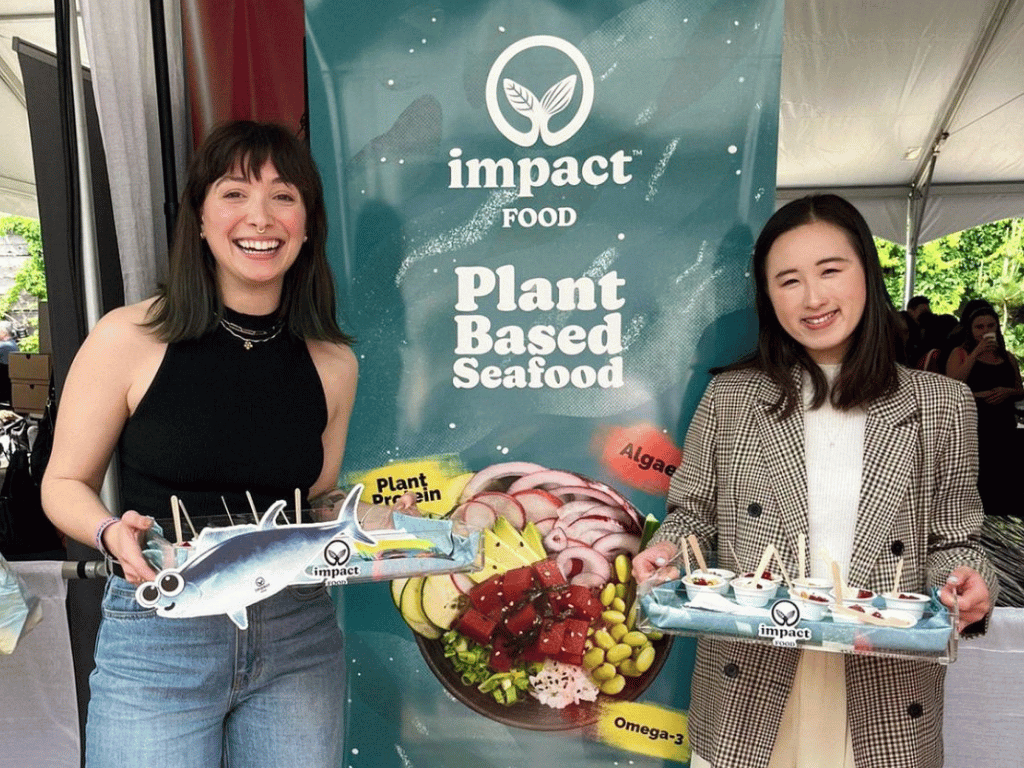
US vegan seafood startup Impact Food, whose plant-based tuna featured on the menu of several poke chains, is ceasing operations after struggling to “change consumer behaviour”.
Plant-based seafood player Impact Food has reached the end of its voyage as consumer uptake of fish-free alternatives fails to accelerate.
The company, known for its sushi-grade, whole-cut vegan tuna and salmon, has partnered with several restaurant chains over the years and is the latest to fall victim to the faltering market for plant-based meat and seafood in the US.
“We learned so much along the way, including just how hard it is to change consumer behaviour,” co-founder and CEO Kelly Pan said in a LinkedIn post. “Technology and capital can accelerate innovation, but timing, economics, habits, and culture matter just as much.”
From a class project to restaurants across the US
Impact Food began as a class project during the pandemic in UC Berkeley’s Alt:Meat Lab, where Pan met her co-founders, Stephanie Claudino Daffara and Adrián Miranda.
The startup was officially founded in 2022, using a mix of seaweed, pea protein, konjac and rapeseed oil to produce whole cuts of sushi-grade tuna and salmon with 4g of protein per 110g serving.
The products appeared in restaurants, universities, corporate dining programmes, hotels, and airline lounges across the US. The raw tuna, for instance, landed on the menu of all 29 Just Poké locations in Washington state, as well as bicoastal stores of fellow poke chain Poke Works.
Impact Food scaled up its technology from lab scale to pilot scale by building its own manufacturing plant in San Francisco and also expanded to Japan, where it completed pilot production and secured partnerships with leading food companies.
“What started as a class project during a global pandemic grew into something far beyond what we could have imagined,” said Pan.
“While the outcome is not what we had envisioned, I’m incredibly proud of what our team built and grateful that we had the opportunity to pursue a mission we care so deeply about: creating a more sustainable food system.”
Before it sails into the sunset, Impact Foods’s salmon can still be found at Lion West Portal in San Francisco. For her part, Pan signed off on a positive note: “We still deeply believe that plant-based food plays a critical role in creating a more sustainable future, and we made real progress toward it.”
A familiar tale for plant-based seafood
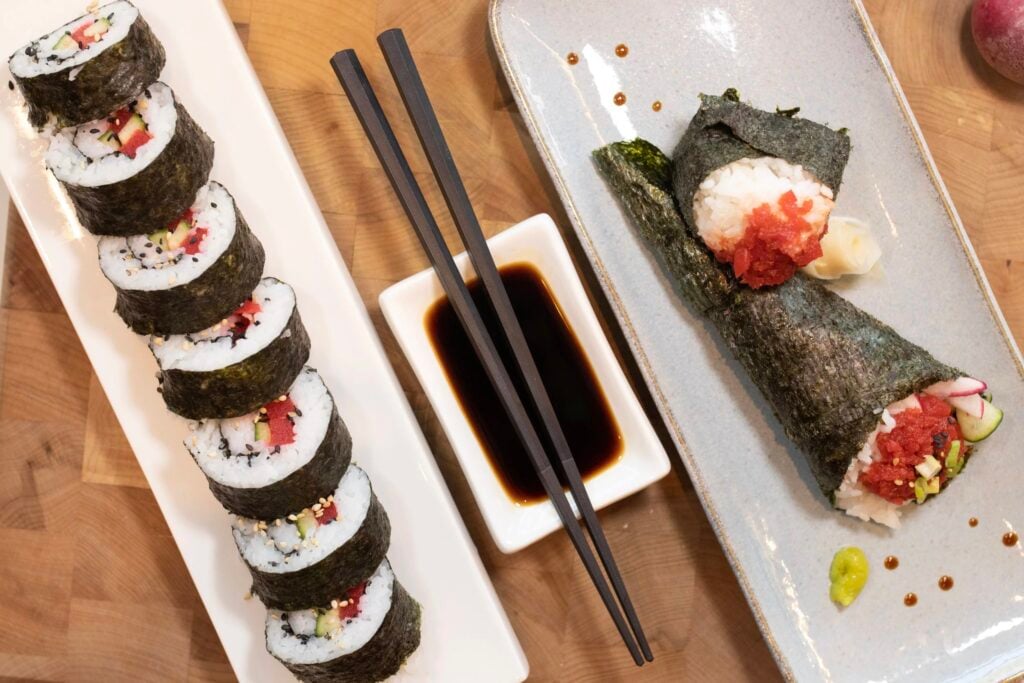
Impact Food’s fate isn’t unique in vegan seafood, which remains on the fringes of the alternative protein category. In the US, sales of fish-free alternatives fell by 3% to just $10M in 2025, accounting for less than 1% of the overall dollar revenue from plant-based meat and seafood.
That has forced the closure of several alternative seafood startups in recent years, including Hooked Foods, Aqua Cultured Foods, Olala!, Konscious Foods, Upstream Foods, and Vegan Finest Foods.
This is part of a larger trend of consolidation within the alternative protein space, in which more than 85 companies have been acquired, merged, gone bankrupt, or shut down in the last 24 months. A dip in funding, from $6.9B in 2021 to merely $881M last year, has contributed to this shift.
There were signs that Impact Food, which had raised over $2M from investors and grants, was already diversifying its portfolio in response to the market pressures – Pan suggested that the company was expanding into other product categories, including (as Beyond Meat has done) protein beverages.
This was also a move made by Happy Ocean Foods, a German startup that last year ditched its vegan seafood line to supply clean-label, functional plant protein bases to foodservice operators.
Globally, nearly 90% of fish stocks are at or above their maximum sustainable yield or are overfished. One study suggests that we could be heading towards a complete collapse of ocean life by 2048, driven by factors including overfishing and microplastic pollution. Climate change is worsening things, pushing fish to the high seas where they’re likely to be overexploited, causing diseases, and driving up prices.
And while consumers recognise the threat, to Impact Foods’s point, their behaviours have largely remained unmoved. According to the Marine Stewardship Council, 88% of American seafood consumers are worried about the state of the world’s oceans – that would be encouraging, before you realise that this is down from 91% in 2024.
“In a world where it is ingrained in our culture to eat meat at the centre of every dish, this habit was the hard one to break,” noted Daffara, nodding to the meat renaissance in the US.
“I still believe a more plant-based future will come. But it will take more than better tech and all my friends’ hardworking startups. It will require affordability, convenience, distribution, culture change, policy, and hopefully, a little more care for the planet and all the living beings we share it with.”