

Pint to Protein: Scientists Tap Beer Waste to Grow Cultivated Meat

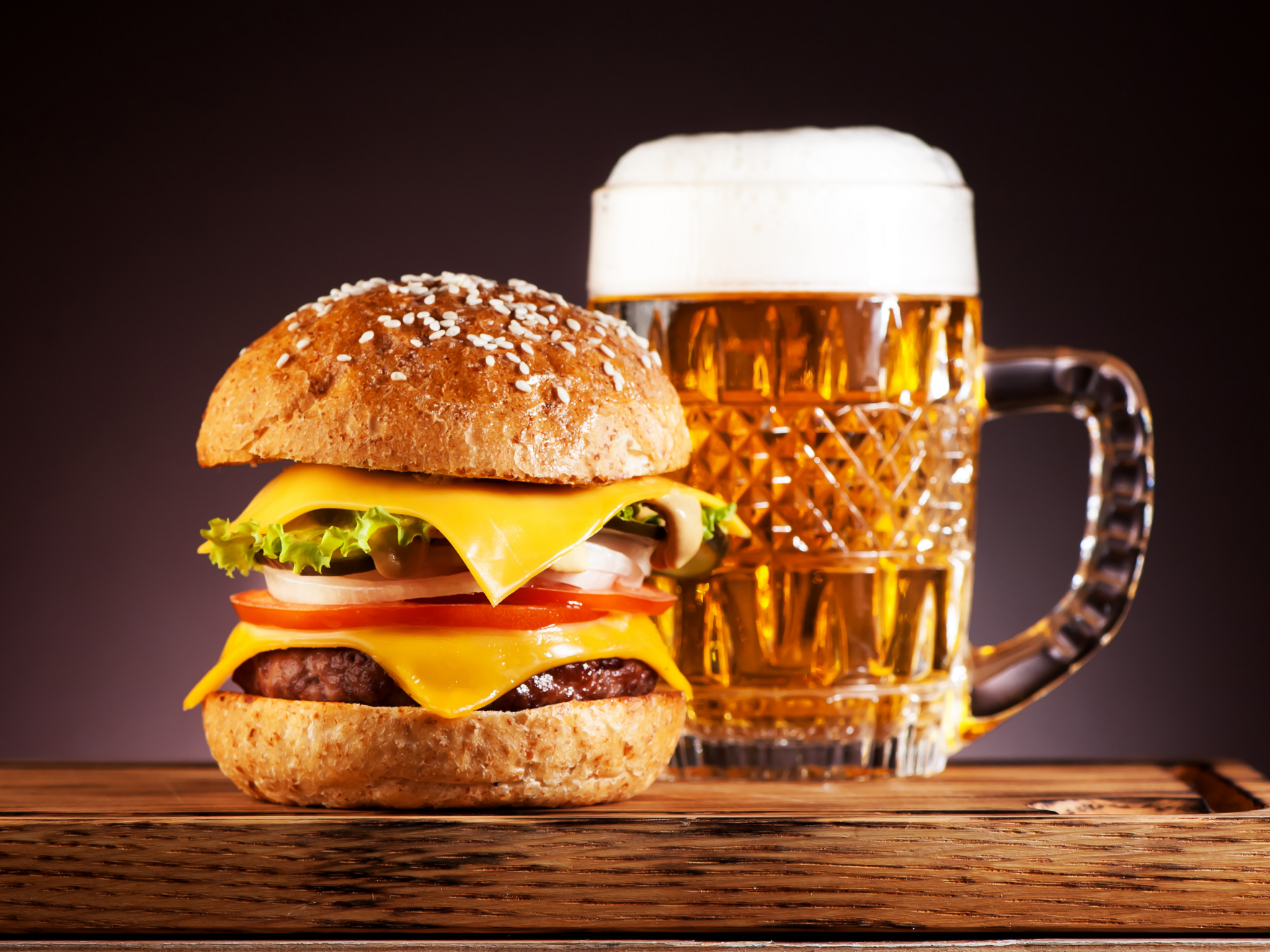
Researchers in the UK have devised a method to turn the yeast left over from beer production into edible scaffolds for affordable cultivated meat.
When it comes to meat, nose-to-tail eating could give way to a “pint to plate” approach, according to scientists at University College London (UCL).
They have proposed a way to utilise beer waste to produce cultivated meat in a cost-effective manner, removing the barriers that have hampered the ability to scale up and commercialise these proteins.
“Our research shows that brewing waste, which is often discarded, can be repurposed to grow bacterial cellulose with properties suitable for meat scaffolding,” explained Richard Day, a professor at UCL’s Division of Medicine. “This could significantly reduce costs and environmental impact.”
Bacterial cellulose could produce cheaper cultivated meat
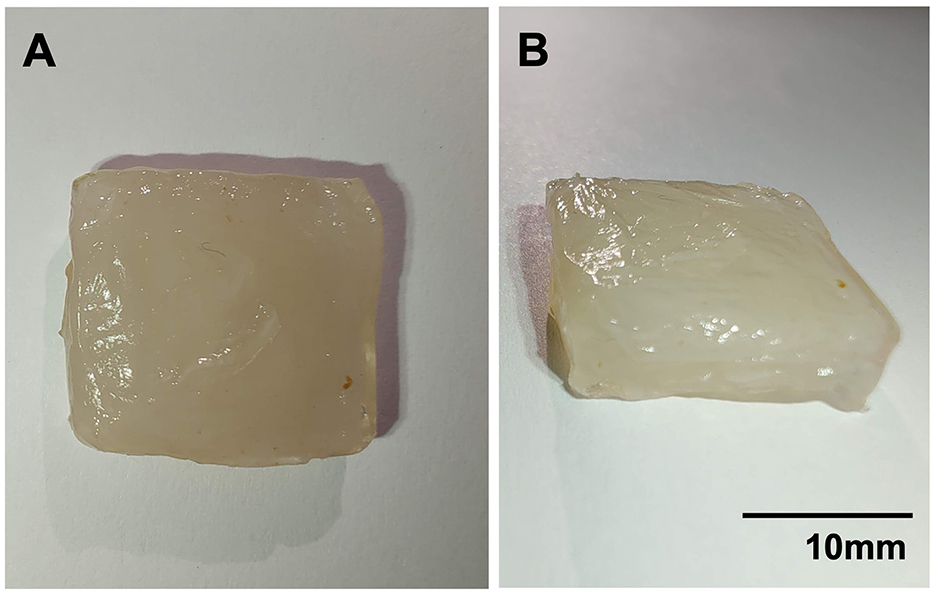
Typically, producing structured or thick meats can be aided by growing cells on a scaffold, which enables the attachment, differentiation and maturation of cells in a specific manner. However, these structures are usually too expensive for mass food production.
In a study published in Frontiers in Nutrition, the UCL researchers suggest that bacterial cellulose derived from spent brewer’s yeast, an often underutilised byproduct of beer brewing, could prove to be a scalable and affordable scaffolding material for cultivated meat.
In nature, cellulose is a hardy substance that provides structure to plant cells. Likewise, bacterial cellulose is created by microbes to build a protective layer around their cells.
Historically, bacterial cellulose has been used to make nata de coco, a jelly-like dessert with a base of fermented coconut water. Recent enhancements in cultivating both plant and bacterial versions of the material have allowed scientists to apply their properties to everything from 3D-printed bandages to plant-based foods.
The team at UCL collected spent yeast from a beer company in Surrey and used it to culture Komagataeibacter xylinus, a microorganism known for producing high-quality cellulose.
The resulting material was tested for its structural and mechanical properties. When used in place of a conventional nutrient broth to grow bacteria, the beer-waste-derived bacterial cellulose was found to be closer in texture to meat, with lower hardness and chewiness than standard cellulose.
And when fibroblasts (a cell type found in meat) were placed on the edible scaffold, they attached to it, indicating that bacterial cellulose can support cell growth for cultivated meat production.
Study opens up ‘exciting possibilities’ for scalable meat alternatives
“Cultivated meat has the potential to revolutionise food production, but its success depends on overcoming key technical challenges,” said Day, a senior author of the study.
“While it’s relatively easy to grow animal cells for mass food production, you need to be able to grow them on something cheap, edible, and that preferably provides a structure that resembles real meat.”
The researchers stressed that the project is still at an early stage, and further work is needed. They plan to develop their approach by incorporating other cell types found in meat, like fat and muscle cells, and testing spent yeast from different types of beer to assess cellulose yields and the resulting scaffold quality.
“One of the biggest hurdles in cultivated meat is replicating the ‘mouthfeel’ and texture of real meat. Our findings suggest that bacterial cellulose grown on brewing waste not only supports cell growth but also mimics the mechanical properties of meat more closely than other scaffolds,” said Christian Harrison, a PhD student from UCL’s Division of Medicine, and the study’s first author.
“This opens up exciting possibilities for scalable, sustainable meat alternatives. In this study, we collected a relatively small amount of raw material from one craft brewery that would otherwise have gone to waste. But huge volumes of brewing waste are generated each year that could have a valuable use.”
This isn’t the only instance of beer industry waste being upcycled into sustainable proteins. Scientists at Singapore’s Nanyang Technological University recently developed a method to extract over 80% of the proteins available in brewers’ spent grain, an ingredient that also forms the base of ProteinDistillery‘s egg-white-like fermented ingredient, Prew:tein.
Last month, Swiss startup Yeastup opened an industrial-scale facility to repurpose spent brewer’s yeast into proteins and functional ingredients. And France’s Yeasty has discovered a way to remove the bitterness from brewer’s yeast, producing a flour for alternative protein, pet food, and nutrition products.