

Gas-cquisition: Biosphere Scoops Up NovoNutrients to Strengthen Gas Fermentation Platform

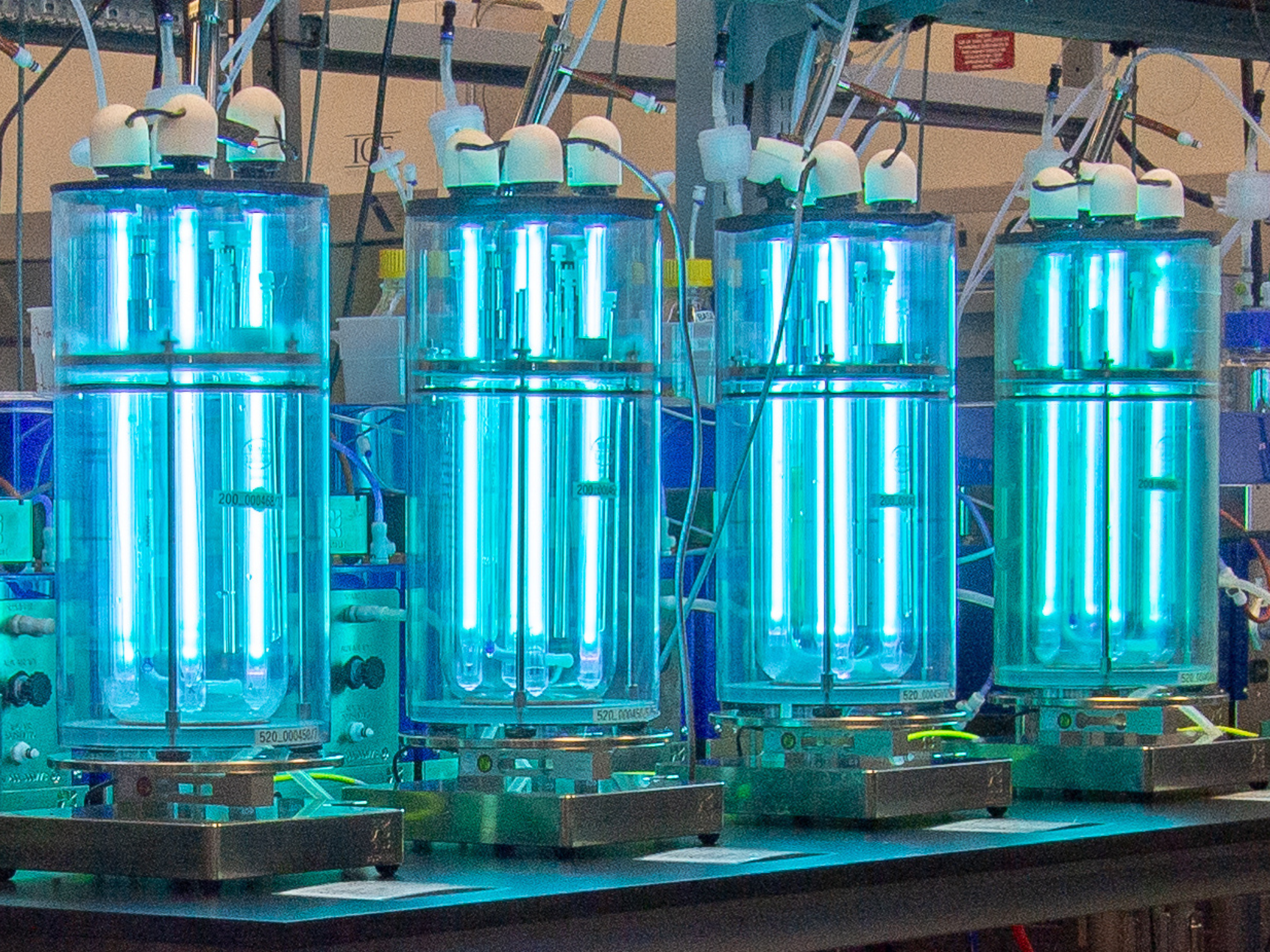
US biomanufacturing firm Biosphere has acquired fellow gas fermentation specialist NovoNutrients, a year after the latter put its assets up for sale.
Fresh off a $9M Department of Defense grant for its gas fermentation technology, Californian startup Biosphere has snapped up CO2-derived protein maker NovoNutrients.
The latter entered the assignment for the benefit of creditors (ABC) process in July 2025, an alternative to formal bankruptcy that allows financially distressed companies to sell their assets to third parties.
The deal sees Biosphere acquire NovoNutrients’s intellectual property, microbial strains, and accumulated process expertise, and accelerates the application of its UV-sterilised fermentation platform to intensified bioreactor designs.
“NovoNutrients has deep expertise in gas-liquid mass transfer, high-intensity aerobic fermentation, and reactor design,” Biosphere said in a LinkedIn post. “Combined with Biosphere’s UV sterilisation platform, this gives us a broader foundation for building next-generation biomanufacturing infrastructure that is scalable, reliable, and rapidly deployable.
Funding challenges forced NovoNutrients to call it quits
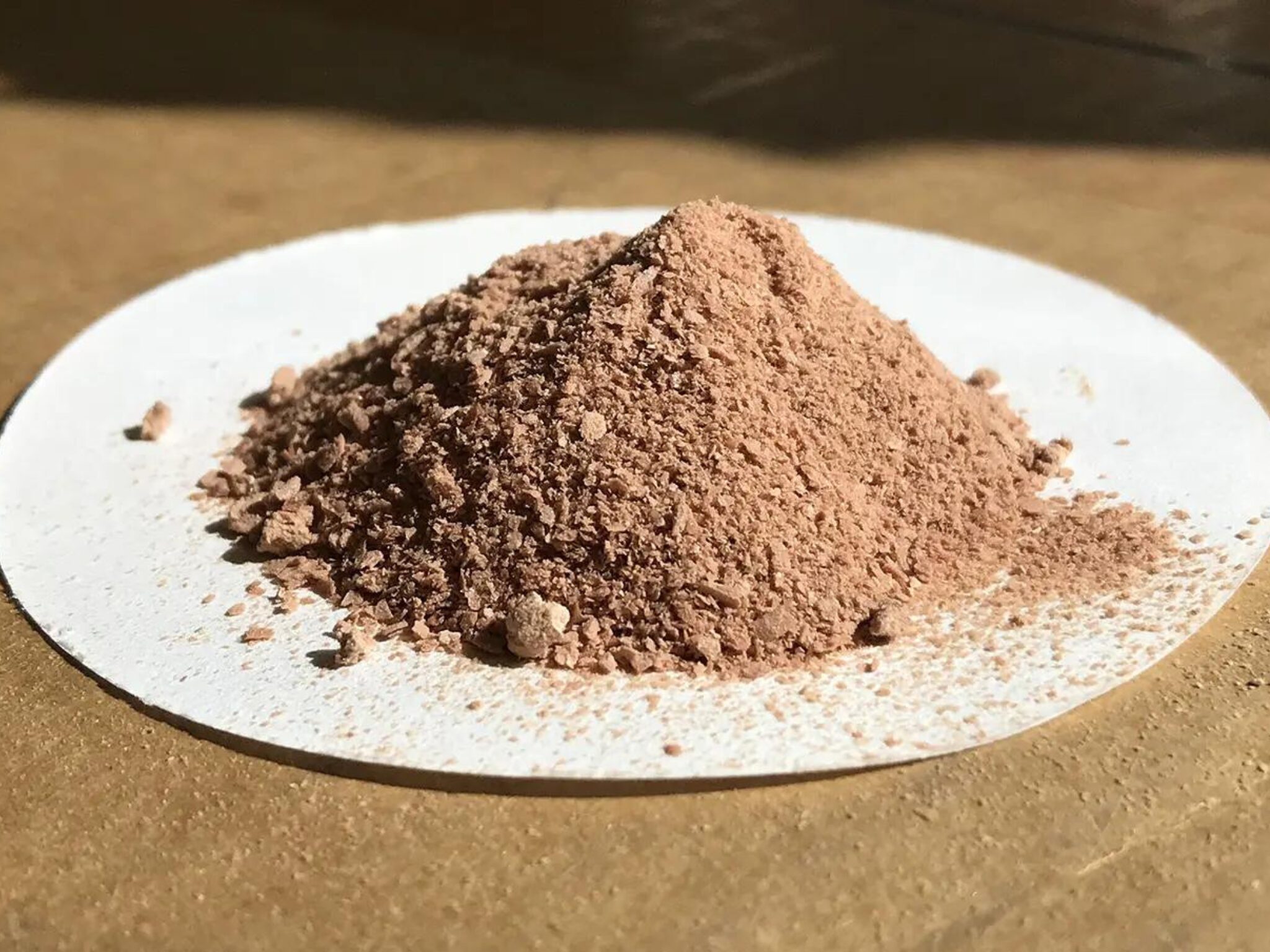
Founded in 2017, NovoNutrients uses tailored microbial strains and feeds them on waste streams with different gas mixes. It relies on thin, looped cylinders instead of the large tanks found on most fermentation companies’ premises, allowing it to reduce the energy needed to blend the gases.
The firm operated a B2B model, selling microbes and acquiring licences to build, operate and maintain production facilities. While it initially targeted livestock and fish feed, NovoNutrients later added human nutrition and pet food to its portfolio.
The tech to convert industrial CO2 emissions and hydrogen into single-cell proteins had impressed investors, with the company raising $22M to date ($18M from a Series A round in 2024).
“What we built could accelerate realising your carbon capture and industrial biotech ambitions. CO2 is the key biomanufacturing input for the future, to make materials, chemicals, and yes, protein,” David Tze, NovoNutrients’s former CEO and senior advisor, said in a LinkedIn post last year.
“The technology works. We were proving that in our pilot phase. The challenge was capital intensity in a shifting investment climate,” he noted, explaining why the startup was forced to sell its assets.
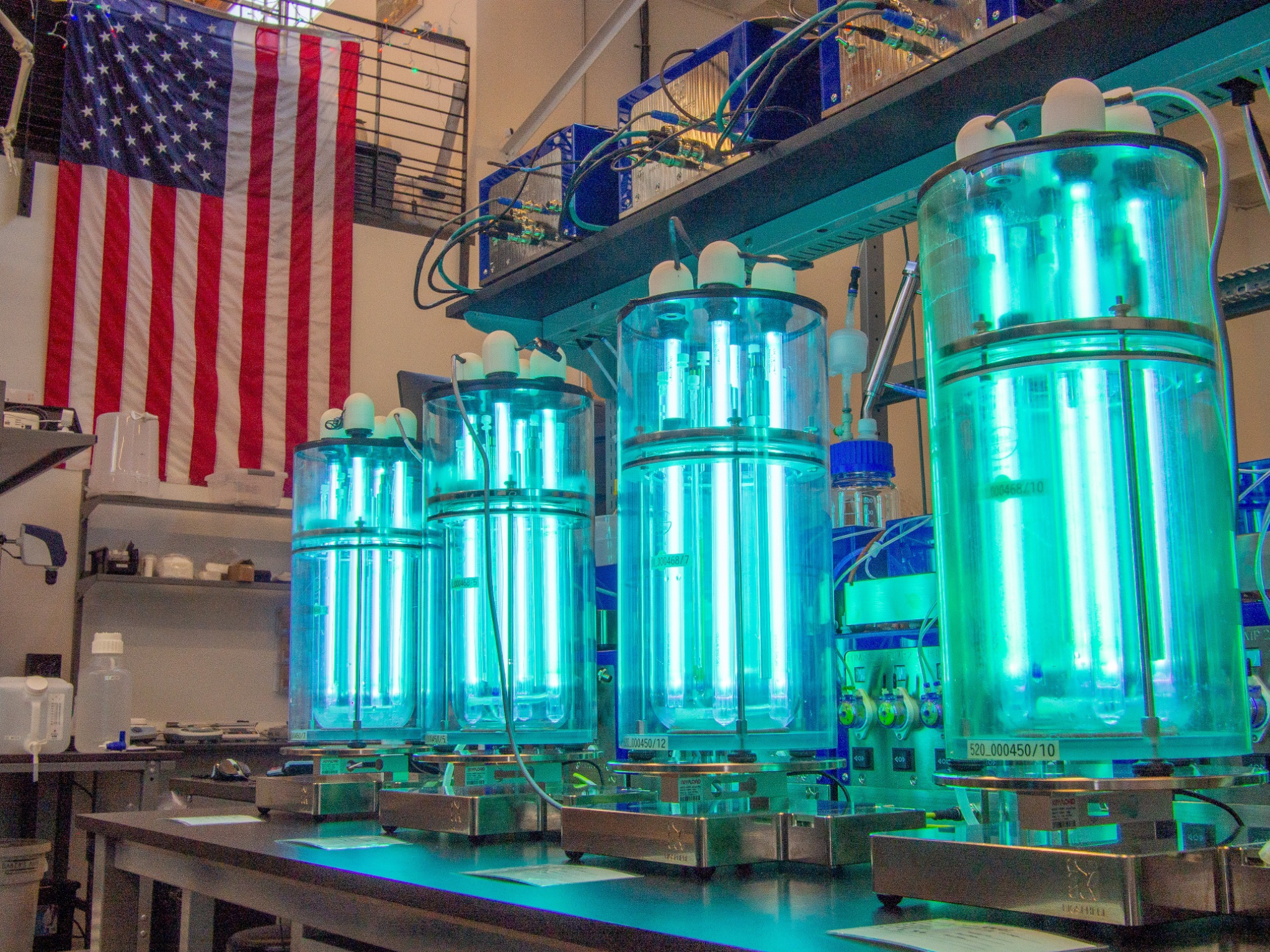
It was only a few months prior that Biosphere emerged from stealth with its UV sterilisation platform. This is designed to replace the complex and expensive steam-sterilised bioreactors in use today. These were developed in the 1940s to produce penicillin, and feature a complex architecture with dozens of valves and hundreds of pipes, with steep upfront costs.
Biosphere instead leverages UV radiation and advanced materials to simplify the hardware involved. Its bioreactors create aseptic environments with a UV sterilise-in-place protocol, which radically expands the bioreactor design space.
This enables a 10-fold reduction in material costs and a sixfold increase in sterilisation speeds, while requiring only a third of the valves and pipes as conventional systems.
Biosphere to advance cross-sector opportunities after NovoNutrients acquisition
NovoNutrients’s proprietary loop reactor technology addressed one of industrial biomanufacturing’s tallest hurdles: efficiently transferring gaseous feedstocks into biological systems at scale.
The reactor architecture improves gas-liquid mass transfer and fluid circulation, and reduces energy and maintenance needs compared to traditional mechanically agitated bioreactors. This tech has been validated at multiple scales, from lab development through containerised pilot systems, and has informed the design of commercial-scale bioreactors.
The NovoNutrients acquisition has now given Biosphere a strong foundation in gas fermentation and high-intensity aerobic fermentation, and bolsters its ability to pursue new opportunities across the defence supply chain, industrial manufacturing, specialty chemicals, and advanced materials.
This comes at a time when governments and industry are prioritising domestic manufacturing, supply chain security, and bioindustrial capacity. In May, Biosphere secured a grant from the US Army Combat Capabilities Development Command (DEVCOM) Soldier Center, as part of the DoD’s Manufacturing Science and Technology Program.
The funding spans three-and-a-half years and is dedicated to the development of portable, “field-deployable” bioreactors to produce on-demand gas proteins for the US Army in remote and logistically constrained environments.
“At Biosphere, we see immense potential in developing next-generation reactor designs for intensified bioprocessing,” said Biosphere co-founder and CEO Brian Heligman. “The NovoNutrients platform plays perfectly into our active Department of War contracts and gives us a strong foundation with an established FEL3 design of a loop reactor pilot plant.”
He added: “We are excited to further develop this technology and leverage its high mass-transfer performance for bioprocessing of both next-generation gas and carbohydrate feedstocks.”
In the alternative protein sector, more than 75 companies have been acquired or bought out, merged, fallen into insolvency, or shut down since September 2024, according to Green Queen’s analysis.
A number of startups are focused on producing proteins by feeding microbes on gases, water and electricity. Solar Foods has commercialised its Solein protein in Singapore and made its US debut last month, and Unibio is working with the Saudi Industrial Investment Group to build the world’s largest gas protein factory. Air Protein, LanzaTech, Jooules, and Aerbio are also innovating in this space.