

India’s Praj Industries Opens AI-Enabled Precision Fermentation Lab, Signs Government MoU

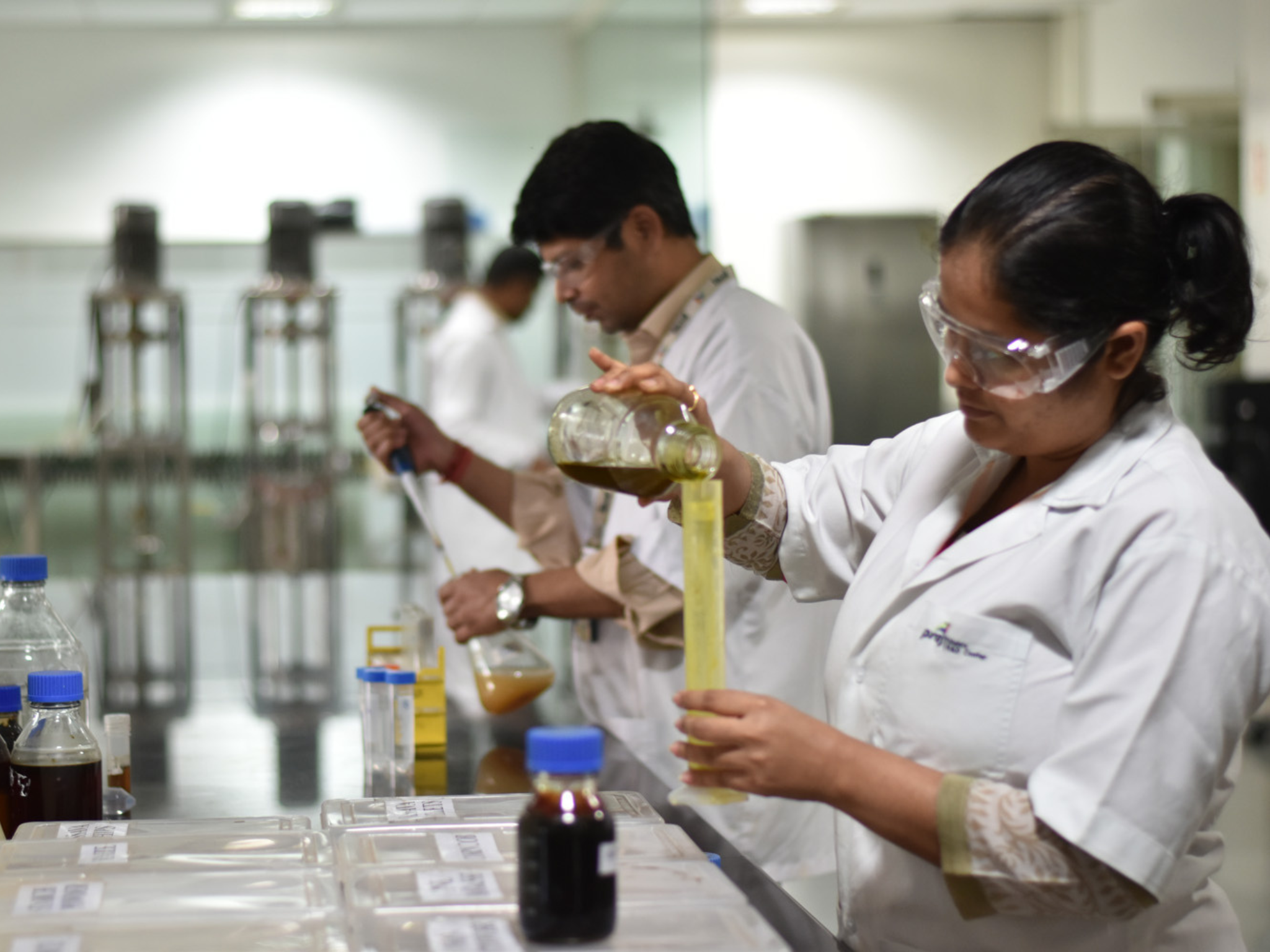
Indian biotech company Praj Industries has established a new precision fermentation lab in Pune and signed an MoU with a government body to accelerate the technology’s industrial scale-up.
Biomanufacturing has been in sharp focus in India ever since the government announced its BioE3 strategy in 2024, which aims to make the country a global hub for biotech.
In response, a host of companies and institutions have set up facilities to shore up the nation’s biomanufacturing capabilities, the latest of which is located in Pune.
Established by Praj Industries, the Advanced Precision Fermentation Lab is designed to drive next-gen biotech and accelerate India’s transition to “high-performance, low-carbon biomanufacturing”.
Situated at the company’s R&D centre, Praj Matrix, the artificial-intelligence-powered facility is focused on large-scale precision fermentation and bioprocesses to improve efficiency, reduce the risks associated with scaling up, and enhance process reliability.
Praj Industries has now signed an academia-industry MoU with the Biotechnology Research and Innovation Council’s National Centre for Cell Science (BRIC–NCCS), which is funded by the government’s Department of Biotechnology.
Precision fermentation lab will work with BRIC-NCCS to enable scalable manufacturing
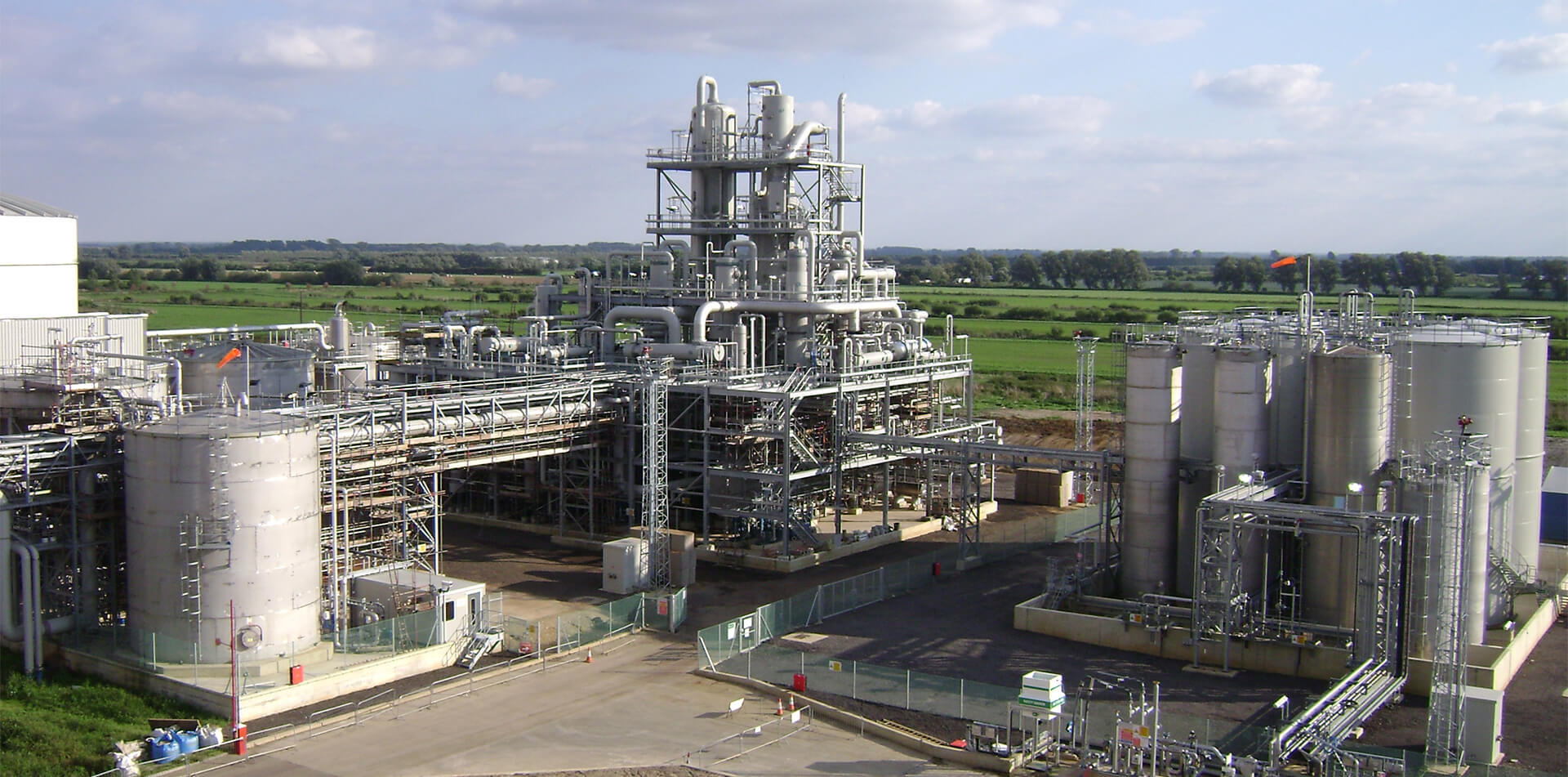
Precision fermentation involves inserting specific DNA sequences into microbes to teach them to produce the desired molecules – such as proteins, fats, vitamins, flavour molecules, and pigments – when fermented.
The technology has been used for decades to produce animal-free insulin, rennet, and vitamin supplements, and is now being employed to replicate ingredients like dairy proteins, animal fats, and more.
The tech will enable Praj Industries and its Mumbai-based subsidiary, Praj HiPurity – known for its expertise in precision fermenters and ultra-pure water systems – to deliver advanced fermentation solutions to the pharmaceutical, food and beverage, cosmetics, and biofuel sectors.
“The Advanced Precision Fermentation Lab at Praj Matrix represents a significant leap in our innovation journey. It brings together biology, engineering, and digital technologies to create scalable, low-carbon solutions,” Pramod Chaudhari, founder of Praj Industries.
The company’s collaboration with BRIC-NCCS is designed to accelerate the transition from scientific discovery to scalable biomanufacturing. It will focus on building advanced bioprocessing capabilities, discovering useful biomolecules and microbial strains, providing training and scholarships, and enabling joint research, sponsorships, and long-term collaboration between academia and industry.
The partnership benefits from BRIC-NCCS’s strengths in microbial research, genomics, and cell culture repositories, incorporating discovery, process development, and high-purity manufacturing to accelerate innovation.
Biomanufacturing hubs popping up across India

The BRIC-NCCS partnership comes weeks after the Indian government launched the BIRAC-BioNest Incubation Centre to help startups advance their research and achieve commercial viability for technologies like precision fermentation, CRISPR, and more.
Last month, science and tech minister Jitendra Singh laid the foundation stone of an upcoming BioFoundry Centre under the Department of Biotechnology at Mohali, which will be supported by a ₹42 crore ($4.5M) investment over the next two years. It’s aimed at bridging the gap between lab research and industrial application of alternative proteins.
And last year, the government opened the National Institute of Animal Biotechnology in Hyderabad. It’s India’s first animal stem cell biobank, and is aimed at revolutionising animal health, regenerative medicine, agricultural productivity, and cultivated proteins.
Moreover, in 2024, Bengaluru saw the launch of the Centre for Smart Protein and Sustainable Material Innovation (an incubation hub) and the Alternative Proteins Innovation Center (a scale-up facility)
These moves align with the BioE3 policy, which focuses on accelerating tech development and commercialisation by setting up biomanufacturing hubs and biofoundries across the country.
The private sector is building on this. This year, Swiss startup Planetary signed a partnership with DCM Shriram Bioseeds to bring mycoprotein production to one of the latter’s sugar mills in India, while local firm PreferCo teamed up with German biotech giant Glatt to launch a precision fermentation scale-up centre in Hyderabad.
“India’s bioeconomy growth will be driven by strong academia–industry linkages and a skilled scientific workforce,” Rajesh Gokhale, secretary of the Department of Biotechnology, said after the MoU with Praj Industries.
“Such initiatives and collaborations align well with DBT’s vision of promoting translational research and building capacity in biotechnology. They will play a vital role in accelerating innovation and strengthening India’s bio-based economy,” he added.