

Clover Food Lab Reopens Days After Shutdown, Thanks to Last-Gasp Investment Deal

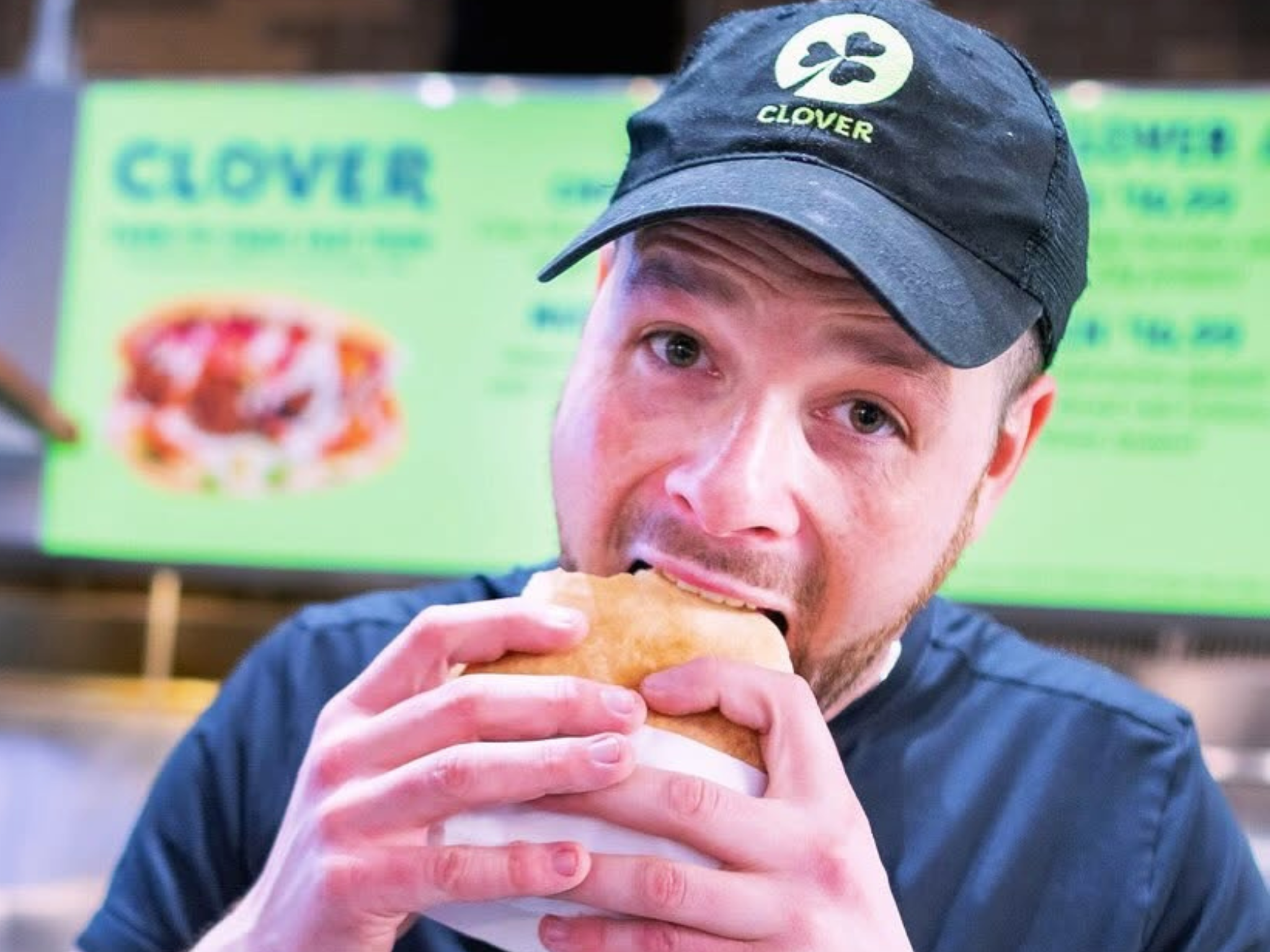
Popular meatless restaurant chain Clover Food Lab reopens five locations today following an 11th-hour deal with an investor, days after it closed its doors.
A bankruptcy, a restructuring, a shutdown, and a rebirth – Clover Food Lab has come full circle.
The Massachusetts-based meat-free restaurant chain has pulled off, by its own admission, an unlikely comeback, merely two weeks after appearing to wind down for good.
At the end of last month, the business announced it was closing all 11 remaining locations after 17 years in operation, owing to sustained inflationary pressures and an unforgiving fundraising environment.
The ensuing days resulted in a “massive outpouring of support” from the public, which accelerated ongoing negotiations with investors to open up several potential paths for the company. Eventually, Clover Food Lab finalised a deal with what it says is a “mission-aligned investor”, allowing the business to restart operations.
It is reopening five locations today (June 9): Inman Square, Central Square, and Kendall Square in Cambridge, and Financial District and Prudential Center in Boston. “Harvard Science Center will open on June 22 (it follows Harvard University’s academic schedule),” a spokesperson told Green Queen.
Clover Food Lab declined to provide any further details about the investor, the sum, or the timeline of the deal. It did not respond to questions about potential layoffs, current employee numbers, and the fate of its other locations.
“Restaurants – all restaurants, quick service to high-end, vegetarian to steakhouse – are on the front lines of inflationary pressure. You need high quality ingredients to make great food. For Clover, that means buying everything we possibly can from local farmers,” CEO Julia Wrin Piper told Green Queen.
“It’s important to our mission to keep our food affordable, so price raises are a last resort. Instead, we’re rethinking how we prep and serve the food, and shrinking our footprint where it makes sense.”
How Clover Food Lab reached the brink
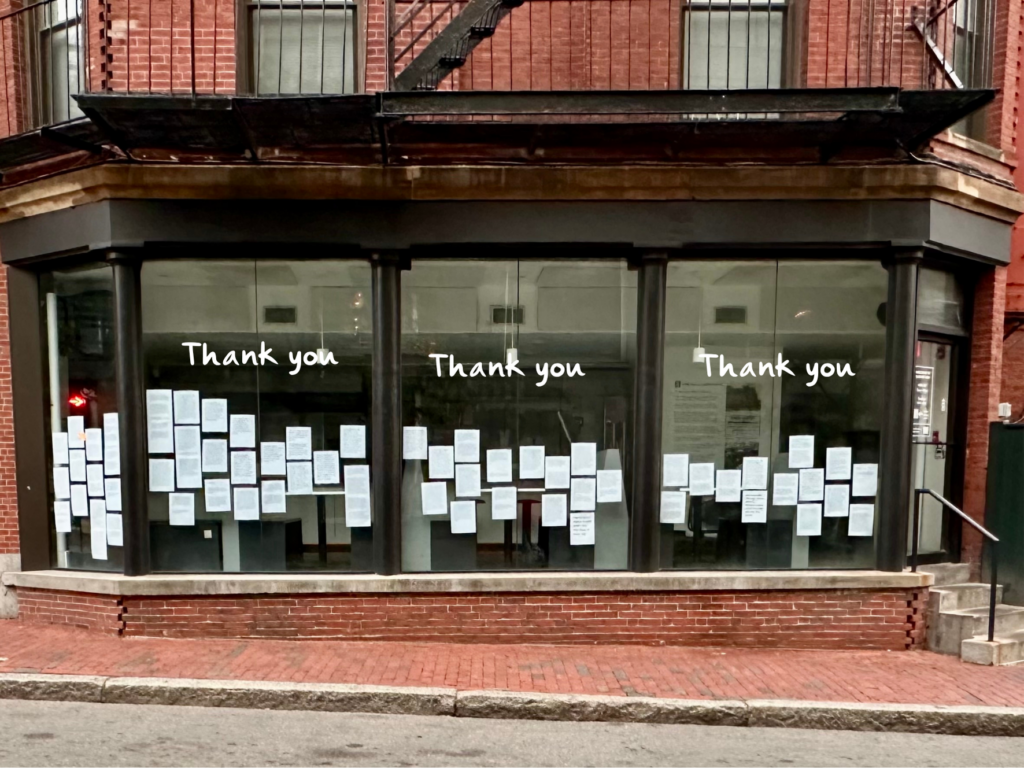
At the end of March, the business filed a Worker Adjustment and Retraining Notification (WARN) Act letter with the state of Massachusetts, announcing that all 182 employees would be affected if the business didn’t find a new buyer by the end of May.
It followed years of turbulence for the business, which had begun as a food truck run by Massachusetts Institute of Technology and Harvard University graduate Ayr Muir in 2008.
At its peak, Clover Food Lab had over 400 employees working in 15 restaurants across the Greater Boston area, with average unit volumes of $1.7M and EBITDA margins of 18% of revenue. The chain was hit hard by the COVID-19 pandemic and the ensuing financial crisis. Slowing sales, rising costs, and difficulties in raising funds led the company to file for bankruptcy protection in November 2023.
In its Chapter 11 filing, Clover Food Lab said it was unable to pay the lease for its new commissary, which was set to serve as a base for its expansion across New England and into New York City.
The restructuring effort saw two of its locations close down and Piper – who was the COO – take over from Muir as CEO, with the company emerging from bankruptcy in April 2024 with just 20 fewer employees.
The new leadership announced an aggressive expansion strategy, planning to open 50 more locations across New England in the coming five years. However, the increasingly challenging restaurant environment meant its expansion did not materialise.
Last month, Wrin Piper cited ingredient costs as one of the major drivers behind the chain’s struggles, noting that these had inflated by 30-50% over the last two years. That ate into already razor-thin margins, and while Clover Food Lab raised prices, there was a limit to how much it could do so, given that consumers themselves are battling inflation.
It’s what led the leadership to decide to shutter its eateries. What happened next, however, came as a shock even to the company.
Clover Food Lab to close commissary and double down on on-site production
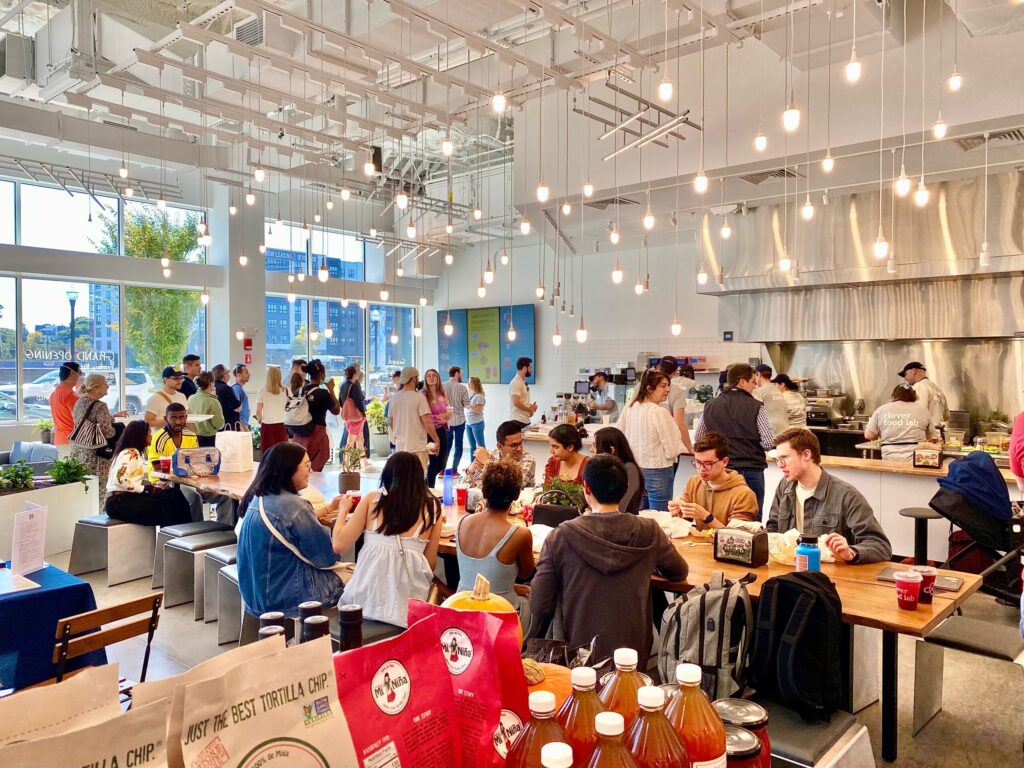
After announcing its closure, Clover Food Lab’s sites was flooded with customers, who wrote hundreds of notes, wrote a song, baked cakes, and drew paintings as tribute. Farmers who supply restaurants also posted on social media.
“At a certain point, the amount of public outcry became so widespread that it led to an email, then a phone call, then several phone calls, then some very late-night meetings,” the company explained in its newsletter.
The result was a deal with its new investor, who Clover Food Lab said was “motivated by the strength of the brand and the differentiation of our locally sourced menu”.
It has pledged to maintain its ethos, to change its menu seasonally, and to support local farmers and jobs. That said, inflationary pressures remain an issue, and the reopening will entail some “big changes” to ensure the business’s financial stability.
“Operationally, we will be moving away from our large standalone commissary and focusing more of [our] production in the restaurants themselves,” its spokesperson told Green Queen. “We will not be sacrificing our sourcing from local farmers, as this is at the core of our mission and delivers the best flavour for our food,” they added.
Vegan sushi chain Planta also fell into liquidation before a new company emerged from its bankruptcy, which continues to operate 7 locations.
Many other meat-free restaurants, though, have closed permanently, including Kevin Hart’s Hart House, Leonardo DiCaprio- and Lewis Hamilton-backed Neat, Matthew Kenney’s Veg’d, and pioneering fast-food chain Amy’s. Three-starred eatery Eleven Madison Park, meanwhile, attempted to turn things around by adding meat back to their menu.
The challenges aren’t unique to vegan or vegetarian eateries. In the US, three in five restaurant operators reported a decline in traffic in 2025, and 45% were unable to turn a profit. Analysis shows that a higher share of non-vegan restaurants closed in 2025 than plant-based eateries.
Total broadline distributor sales of plant-based proteins (including meat alternatives, tofu, tempeh and veggie burgers) in the US foodservice sector reached $291M last year, a 7% decline in dollar sales. But several meat analogue formats experienced an uptick – as did milk alternatives, which recorded $288M in sales (up by 14%), and creamers, which saw a 4% rise to $189M.
“The last two months have proven that Clover has an enormous amount of supporters. This is how people want to eat. It’s just a matter of wrangling the economics of this moment,” Piper said.
This story was updated to include comments from Clover Food Lab CEO Julia Wrin Piper.