

Italy’s Foreverland Raises $7M to Sweeten the Deal for Cocoa-Free Chocolate

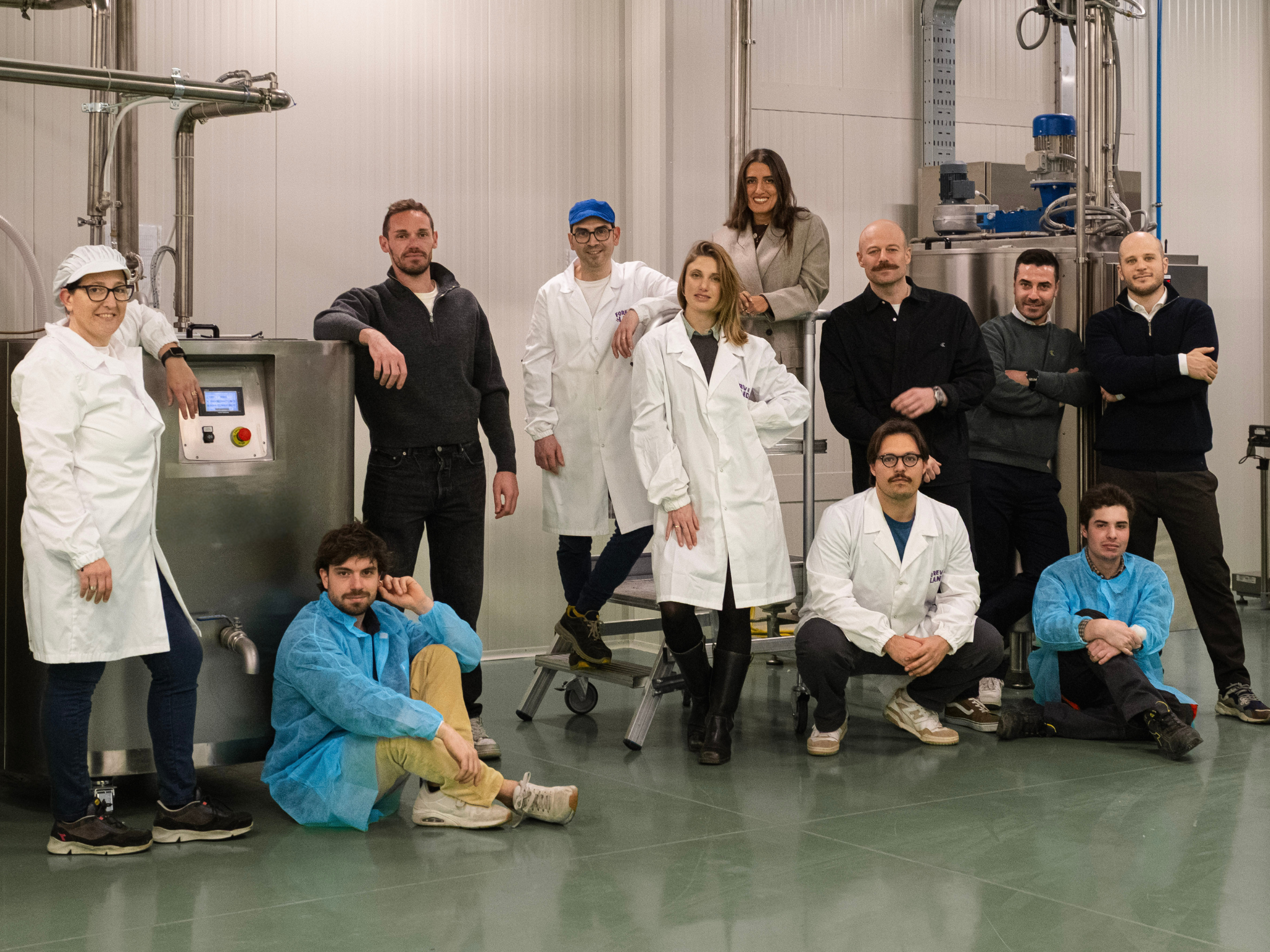
Italian food tech startup Foreverland has bagged €6M ($7M) in funding to fuel the European expansion of its cocoa-free chocolate alternative, Choruba.
At the start of the year, Foreverland announced product launches featuring its cocoa-free chocolate ingredient with four confectionery industry stalwarts across Europe.
Now, the company is doubling down on its European expansion drive with a new €6M ($7M) investment round, which it will use to deepen relationships with partners in several countries, expand its leadership team, and launch an organic version of its Choruba range.
The funding was led by existing backer Kost Capital and Maia Ventures, and saw participation from first-time investors CDP Venture Capital, Riello Investimenti SGR’s Linfa fund, and NewTree Impact. It means the company has now raised a total of €9.4M ($10.8M).
“Following our initial investment, we have seen Foreverland execute with discipline and clarity,” said Andrea Galassi, founding partner at Maia Ventures. “Our decision to reinvest reflects our continued conviction in the team’s ability to develop future-proof ingredients and build the industrial credibility that manufacturers demand.”
Foreverland’s cocoa-free chocolate factory earns IFS certification
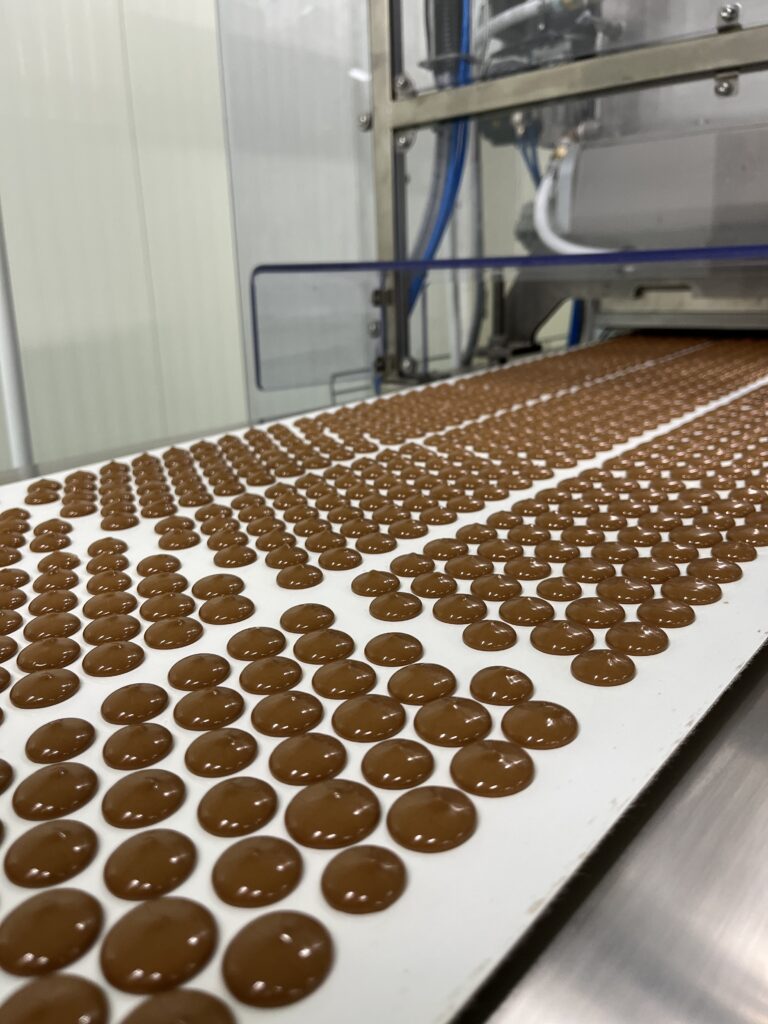
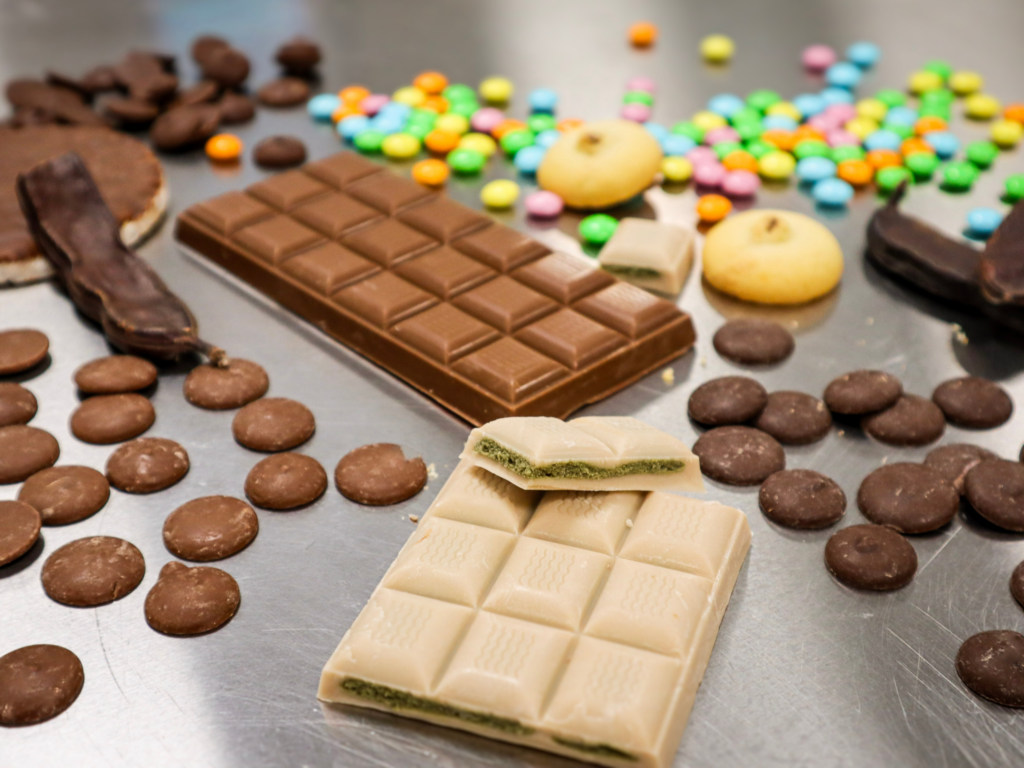
Globally, 90% of the carob fruit is discarded, with only the seeds used for locust bean gum. Foreverland upcycles the byproduct and blends it with pumpkin seeds and chickpeas to make Choruba, a line of chocolate alternatives that aim to mitigate the cocoa supply chain risks induced by the climate crisis.
The startup’s product range includes milk, semi-dark, white and vegan chocolate, a cocoa-free powder, bake-stable chocolate drops, and a soon-to-launch spreadable cream. And in October, it opened a full-scale manufacturing plant in Puglia, which can churn out 500 tonnes of its cocoa-free chocolate every year.
It allows Foreverland to run industrial trials with larger clients, secure small and medium-sized customers, and deliver a steady, scalable supply of chocolate alternatives. It features a dedicated pilot fermentation room too, enabling its team to test and refine processing steps flexibly as well as protecting know-how and validating unit economics.
The cocoa-free chocolate factory recently obtained certification from the International Featured Standards (IFS), which confirms internationally recognised quality and safety standards and supports reliable, high-volume supply for confectionery manufacturers.
“This round validates our execution, not just as a foodtech innovator, but as a reliable industrial partner for confectionery manufacturers,” said Foreverland co-founder and CEO Massimo Sabatini.
“With IFS Food certification in place and demand accelerating, we’re scaling commercial growth across Europe, strengthening key partnerships, and bringing in senior talent from the cocoa and chocolate industry to support manufacturers at scale,” he added.
Reflecting on the funding, Alessandro Scortecci, direct investments director at CDP Venture Capital, noted: “We have great confidence in Foreverland’s team and their ability to respond to a systemic challenge through innovative, effective and sustainable solutions to become a leader in the international alternative-chocolate market.”
Moving into the organic space alongside European expansion
Climate change pushed cocoa stocks to their lowest levels in a decade in 2024, when its prices broke all-time records. The two largest producers of cocoa – the Ivory Coast and Ghana – have lost over 85% of their forest cover since 1960, and scientists have warned that a third of the world’s cocoa trees could die out by 2050, leading to a global shortage.
One of the food-related drivers of the climate crisis is chocolate itself, which emits more greenhouse gases than any other food except beef, and is linked to widespread tropical deforestation. Plus, a single bar of chocolate requires 1,700 litres of water on average.
In contrast, Foreverland’s alternative lowers water consumption by 90% and emissions by 82-91% compared to conventional chocolate. This will appeal to the confectionery industry, whose interest in cocoa-free solutions has skyrocketed over the past year.
Nestlé, which captures nearly 10% of the global confectionery market and is the food industry’s biggest company and biggest polluter, recently launched a line of chocolate snacks using cocoa-free chocolate from Germany’s Planet A Foods.
Meanwhile, Reese’s has been the subject of intense scrutiny for swapping milk chocolate for compound coatings on several products, a change no doubt spurred by cocoa price hikes. It’s why Hershey’s, Reese’s parent company, was forced to raise prices by double digits and cut its annual forecast last year.
Foreverland, which was one of three cocoa-free innovators to win the New Chocolate Challenge by Bühler Group last year, has seen its ingredient be used in Easter eggs, pralines, panettone, chocolate-covered almonds, and yeast protein bars. And in January, it announced partnerships with established confectionery players Incom Leone, Dulciar, Walcor, and Maxtris, who are using Choruba in a variety of offerings.
Now, it’s expanding its product base with a dedicated organic Choruba range, and it claims it’s the only producer of organic cocoa-free chocolate at industrial scale, with several products already featuring on shelves in Italy and France. Its core business remains the conventional chocolate alternative, though, which Foreverland plans to expand across Germany, France and Italy with the new funding.
It is one of several food tech startups innovating with cocoa alternatives amid growing interest from Big Chocolate companies like Lindt, Barry Callebaut, Cargill, and Mondelēz International. These include cocoa-free chocolate makers like Planet A Foods, Voyage Foods, Win-Win, Prefer, and Cellva, and cell-based cocoa producers such as California Cultured, Food Brewer, Celleste Bio, and Kokomodo.