

New York State Votes to Close Self-Affirmed GRAS ‘Loophole’ Ahead of FDA Move


New York’s legislators have voted in favour of a bill that would require companies to disclose ingredients they have self-affirmed as GRAS, in line with a federal move promised by Robert F Kennedy Jr.
The GRAS overhaul has come early in New York.
The state’s Senate and Assembly have both passed a bill mandating that companies report to their regulators any ingredients they have self-determined as GRAS (Generally Recognized as Safe) but have not disclosed to the US Food and Drug Administration (FDA).
This rule allows food manufacturers to sell new ingredients without formal FDA review, though some policymakers have labelled it a “loophole” in food safety regulation.
“Today, in spite of an onslaught of misinformation from the food industry, we are taking a critical step toward protecting New Yorkers from having to guess what potentially harmful chemicals might be lurking in the food we eat,” said Senator Brian Kavanagh, a co-sponsor of the Food Safety Chemical and Disclosure Act.
It would make New York the only state to require large companies to restrict the sale of ingredients that have been self-determined as GRAS. The FDA itself has proposed the move on a national level, spearheaded by health secretary Robert F. Kennedy Jr., but this could take years to take effect, and businesses have already threatened to take legal action if it is enacted into law.
“New York is stepping up where Washington has slowed down,” said Jessica Hernandez, legislative director of the Environmental Working Group. “This bill, once enacted into law, will increase transparency and protect consumers from toxic chemicals in New York’s food supply. It represents the most important reform to the US food chemical review process in decades.”
Small businesses exempt from self-affirmed GRAS bill
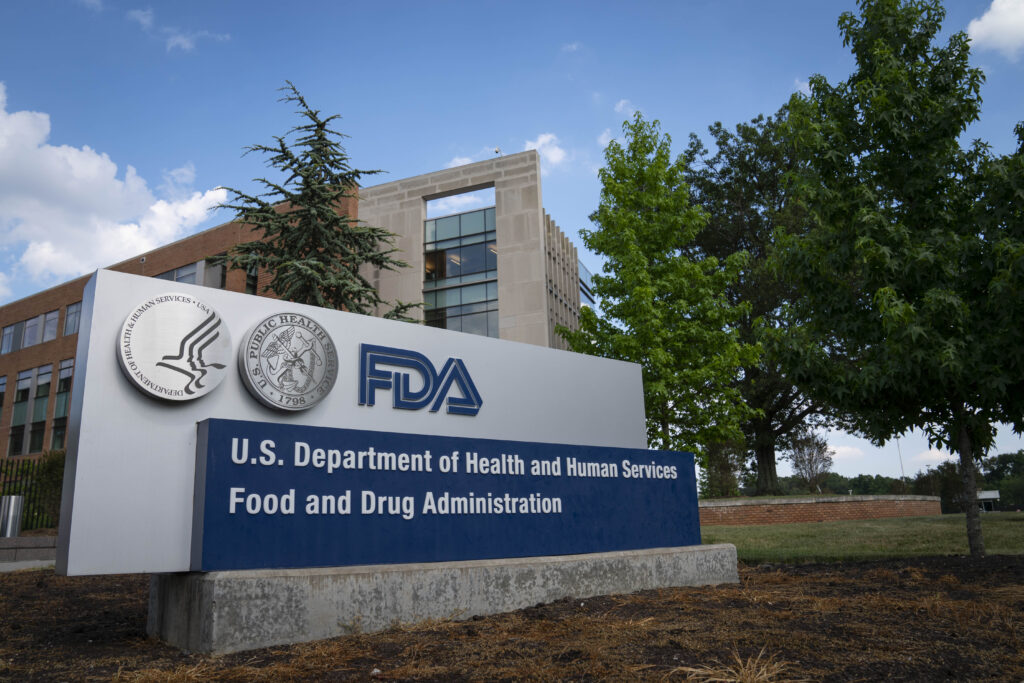
The GRAS rule was created by Congress in 1958, with the self-affirmation provision introduced in 1972. This pathway doesn’t legally require FDA review – instead, companies only need to conduct a safety assessment by a scientific panel, which can include both internal and external experts.
Since producers choosing this pathway don’t need to notify the FDA or disclose the information publicly, they can maintain confidentiality around proprietary information and trade secrets. It’s also a cheaper, easier, and faster way to get to market – the FDA only evaluates around 75 GRAS notices a year, and the mean time for each approval is over 160 days.
Critics argue that this allows food companies to make their own safety assessments independently of the FDA. “It was never intended to allow new synthetic chemical additives into the food supply without independent oversight or transparency,” said Assemblymember Anna Kelles, co-sponsor of the bill.
“Over time, through FDA rulemaking, companies have been allowed to determine for themselves that a chemical is safe without notifying the FDA or making the evidence public. As a result, chemicals can enter the food supply and remain there for years or even decades before concerns are identified through independent research.”
The bill lists the scientific basis and specific safety data that manufacturers must share with state regulators about GRAS ingredients. This includes information about the manufacturing process, intended conditions for use, the source and composition of ingredients, and dietary exposure estimates, as well as disclosure of both favourable and unfavourable data.
The New York Department of Agriculture and Markets will then create a public database of GRAS ingredients used in food and drink products manufactured or sold within state borders.
Crucially, the legislation exempts small, independently owned businesses that have fewer than 100 employees.
“Under this current definition, companies that don’t have the consumer’s best interests in mind are not required to disclose to the FDA whether their product contains a chemical that is safe for consumption or not. These chemicals can pose serious health risks to the consumer,” the bill’s text states.
“This legislation allows New Yorkers to know what they are consuming and make health-conscious decisions as consumers.”
Food industry pushes back against GRAS reform

The bill now goes to Governor Kathy Hochul’s desk, who has until the end of the year to sign it into law. If enacted, the GRAS rules would take effect after a year.
In addition to the GRAS reform, the legislation also outlaws the use of three food additives: Red Dye No. 3, potassium bromate, or propylparaben. This ban will come into effect immediately – retailers will be able to sell foods containing these substances until their expiration date, and only until three years after the enactment.
“Since processed foods are produced and distributed nationally, we hope and expect that the public disclosure required by this legislation will reverberate across the United States, as Americans increasingly demand safety and accountability,” said Kavanagh.
The move has faced pushback from food industry groups, including the American Beverage Association and the National Supermarket Association, whose members include Coca-Cola, PepsiCo, Keurig Dr Pepper, Key Food, and Union Market.
In a letter this week, these associations labelled it a “misguided patchwork of food and beverage regulation” that would impose “huge, duplicative reporting requirements” on businesses and increase costs and confusion among consumers.
New York’s bill is similar to a legislation proposed in California, which would give state officials the authority to conduct safety assessments for GRAS substances independent of the FDA. Lawmakers in New Jersey and Pennsylvania are considering this move too.
On the federal level, the FDA has proposed a rule to scrap the self-affirmed GRAS pathway, which is currently under review by the White House. If passed, companies would have to notify the regulator about their GRAS status in pursuit of a ‘no questions’ letter that rules the ingredient is safe for sale.
“As the FDA continues to support innovation in food technologies, the agency’s priority is the safety of food produced through both innovative and traditional methods,” an FDA official told Green Queen last year. “The agency is committed to transparency on our approach to regulating foods made using innovative food technologies.”
“If there is a significant increase in GRAS notifications submitted to the FDA by mandate, without increasing funding and resources, review timelines will likely suffer,” Tony Pavel, a partner at Keller and Heckman LLP and an executive board member of the Precision Fermentation Alliance, told Green Queen at the time.
“Currently, manufacturers may assess certain manufacturing changes or improvements without necessitating a filing with the FDA. If this flexibility is lost, there will potentially be significant additional burdens on the industry, as it iterates products through continuous improvement processes.”