

Dutch Startups Urge Government to Invest €200M via EU Scheme for Alternative Protein Scale-Up

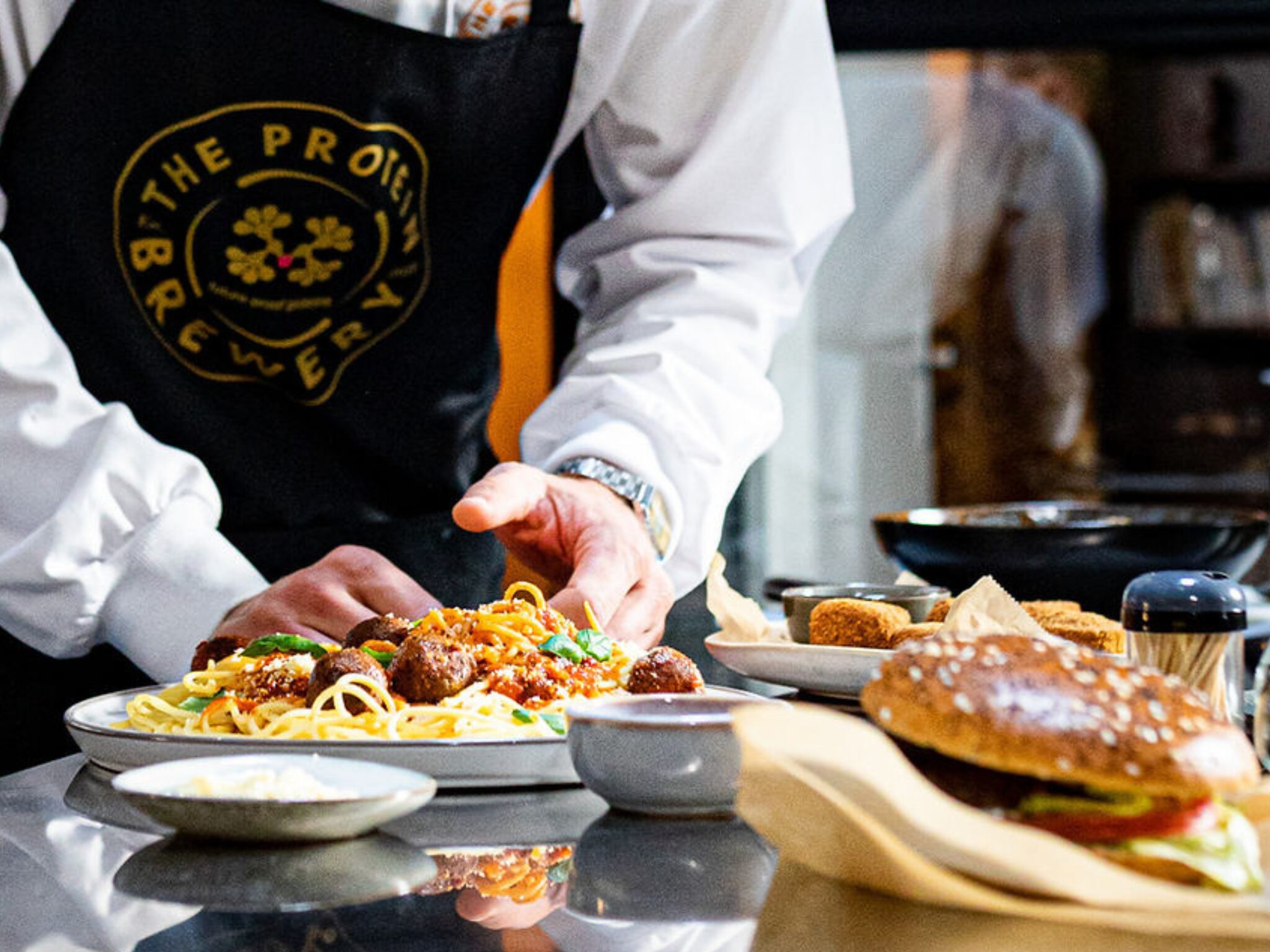
Future food businesses in the Netherlands are calling on the government to make at least €200M available via an EU funding mechanism to expand alternative protein production.
The Netherlands may already be a food tech leader, but a glaring funding gap for the sector has put its position and future food security in jeopardy.
In response, a wave of startups from the country’s future food sector is asking the government to invest at least €200M to help scale up production of alternative proteins like cultivated meat and fermentation-derived foods.
The signatories are calling on the government to leverage the EU’s Important Projects of Common European Interest (IPCEI) scheme to unlock these funds. Through the initiative, the European Commission can find state aid to support projects that benefit the EU but entail a high level of technological or financial risks.
IPCEIs can represent a significant contribution to economic and job growth, the clean and digital transition, and competitiveness for the EU economy, bringing together knowledge, expertise, and capital to create positive spillover effects for the entire region.
By leveraging this mechanism, the open letter states that the Netherlands could unlock a further €400M in private investment for alternative proteins, while concretising the government’s commitment to biotechnology, food innovation and economic resilience.
The call was coordinated by the Mulder Institute, a newly launched future food policy non-profit. Among the co-signatories were the leaders of top alternative protein startups like Mosa Meat, The Protein Brewery, Vivici, Those Vegan Cowboys, and NoPalm Ingredients, two-Michelin-starred vegan restaurant De Nieuwe Winkel, and organisations like Cellular Agriculture Netherlands, Foodvalley, and HollandBio.
Global pivot to AI and tech puts food industry at risk

The letter notes how the country isn’t positioned too far behind China and the US when it comes to alternative protein leadership, pointing out that countries with a strategic position in the food tech industry are “less vulnerable to coercion by foreign powers”.
However, the tech industry is changing the policy and investment landscape. Countries are aggressively driving industrial policy to dominate domains like artificial intelligence (AI), chip technology, and biotech.
According to the Organisation for Economic Co-operation and Development (OECD), China provides three to eight times more financial support to industrial companies than OECD countries, which collectively account for nearly 60% of the global GDP.
While the East Asian country invests heavily in food, agriculture, education and research, the Netherlands is facing threats to its own agrifood leadership due to lagging innovation investment, said Sjoukje Heimovaara, board chairman of Wageningen University & Research.
Meanwhile, the Advisory Council on International Affairs – an independent body advising the Dutch government – stresses that the country is underestimating its own vulnerability. “Food security is increasingly becoming both a geopolitical and a security issue; whoever owns the technology owns the future,” the Mulder Institute’s document reads.
It highlights how the Netherlands has a strong knowledge base, public investment landscape, and organisational capacity, which have helped build a base of scale-ups with the potential to become world leaders. But when these firms want to build their first factories, they can’t secure the necessary funding.
“The required investments are too large for venture capital and too risky for banks. As a result, investment stalls, scale is not reached, and Dutch companies are overtaken by international competitors,” the letter states.
Time is running out, says Dutch food tech industry
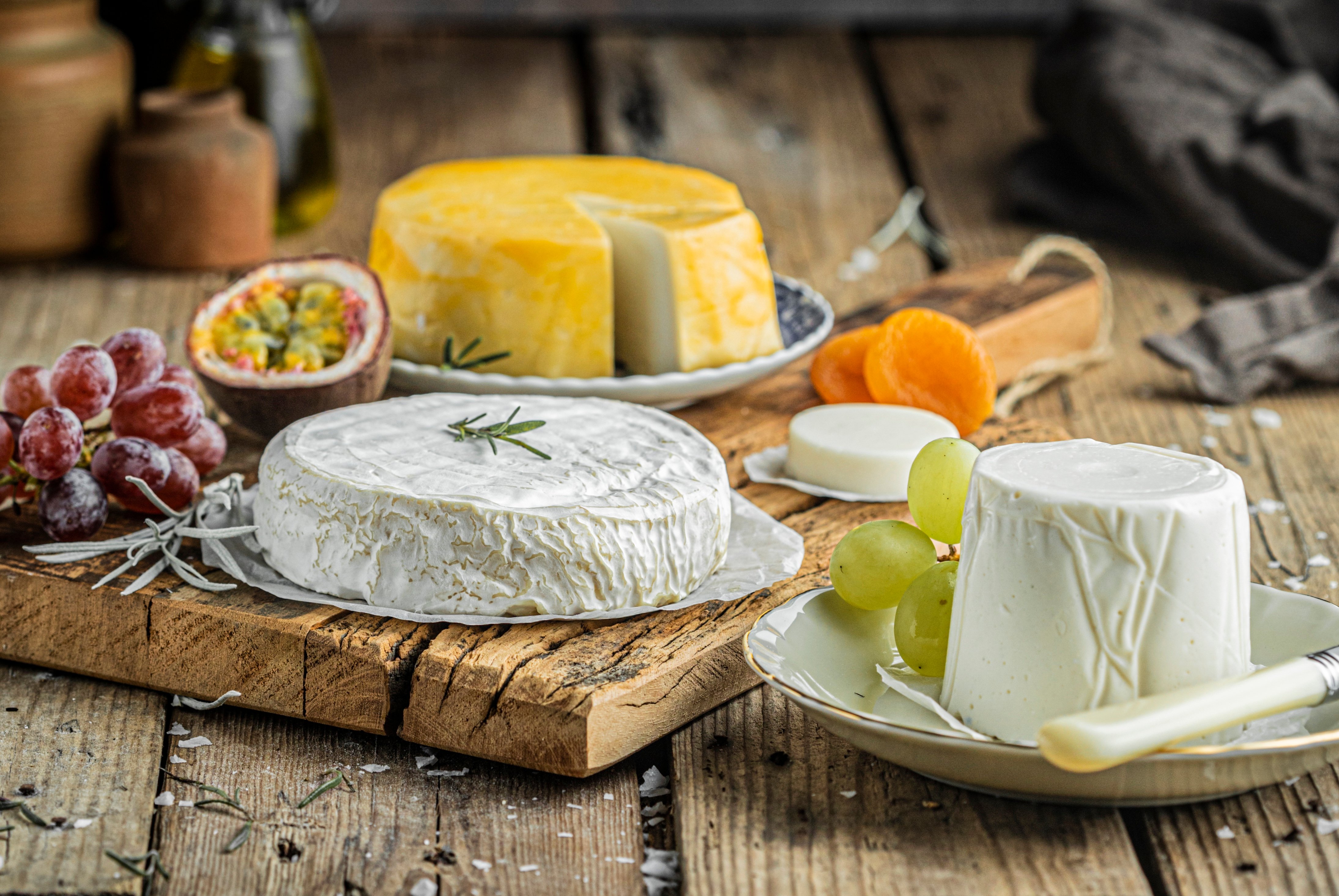
The Dutch government recognises the importance of maintaining its leadership here. In its vision and implementation agenda for biotech, this industry is explicitly linked to food production, food security, and the circular economy.
The agrifood ministry’s parliamentary letter on innovation policy also stresses that the country must translate its strong knowledge position into application and earning capacity more quickly.
The Mulder Institute-led call suggests that the IPCEI’s Biobased Food and Feed Ingredients stream is the ideal instrument to enable that step towards industrial sale. It’s what makes the European intention to grant the agrifood sector special status under the IPCEI framework so relevant.
“An IPCEI broadens state aid rules for strategic sectors and thereby creates a more level global playing field. This helps prevent European and Dutch companies from being outcompeted by countries that support their industries far more aggressively,” the letter notes.
You only have to look as far as Finland to see that this instrument works. Through Business Finland, the national government has supported gas protein leader Solar Foods with a package of €110M for a hydrogen-based IPCEI.
This enabled the company to open its first gas fermentation facility to produce its Solein protein, and last month, it received a further €77.8M ($89M) from this scheme to build its second, industrial-scale facility.
The EU has now included the IPCEI candidate Biobased Food and Feed Ingredients in its design process. In response, the Netherlands has opened a call for expressions of interest for three possible IPCEIs in biotech, including one for innovative ingredients for food and feed.
The government will use this information to decide if it actually participates, reserves a national budget, and nominates projects to the EU Commission – a decision it must take before the end of August, after which participating member states will announce their budgets and submit their project portfolios.
“Without a significant national contribution, the Netherlands cannot participate in the IPCEI Biobased Food and Feed Ingredients, meaning Dutch companies will not be eligible for this special status,” the letter says, noting that the required amount for industry scale-up is expected to be several times higher than the €200M it’s asking for.
“If we do this, we keep an industry of global importance in the Netherlands, together with the jobs, knowledge and strategic relevance that come with it. A country that can produce its own food, more cleanly and with less land, is stronger in an uncertain world.”