

Exclusive: Lever Foundation Expands Plant-Based Policy Work to India & Thailand

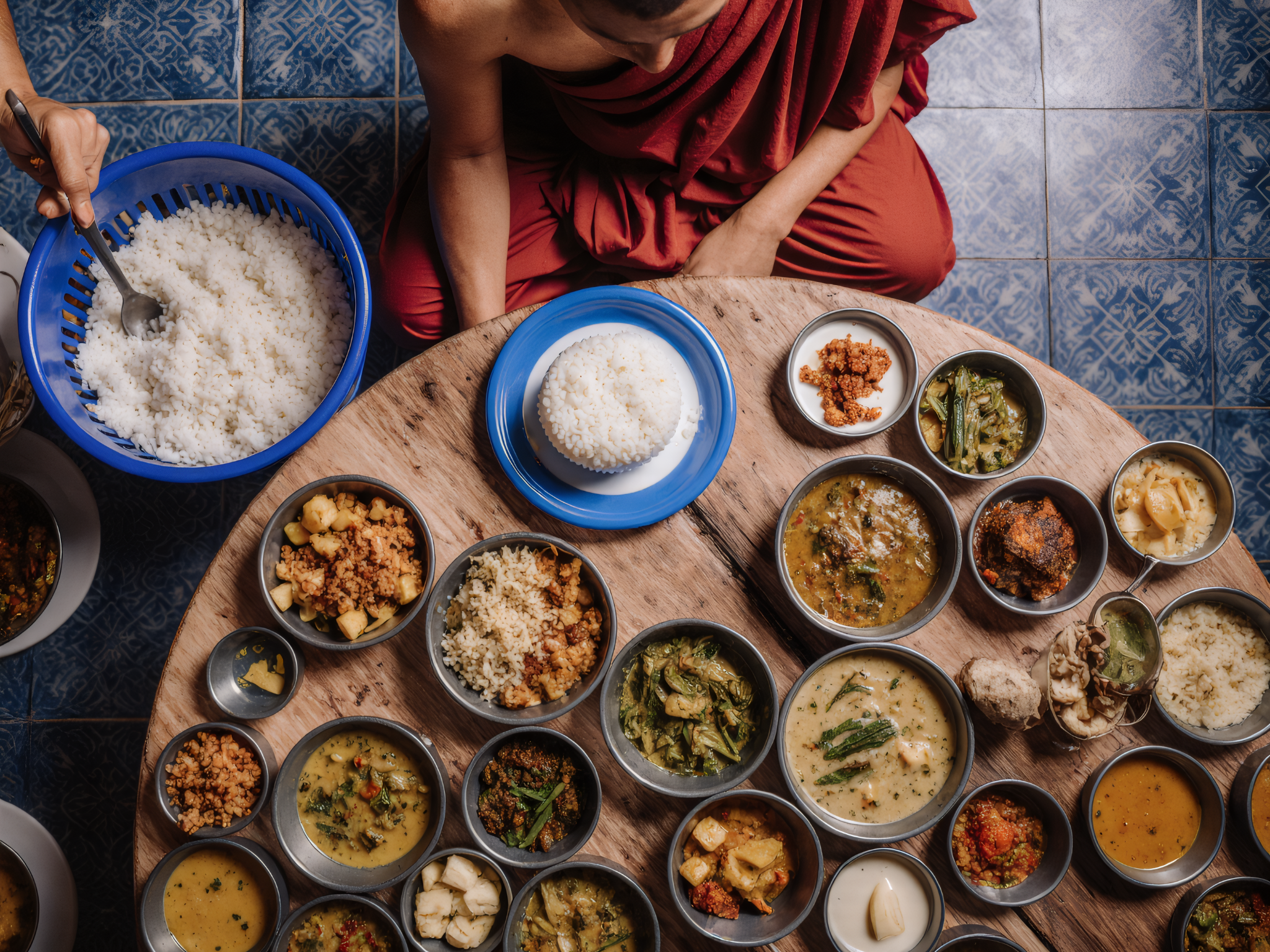
The sustainability non-profit Lever Foundation is expanding its policy initiative to increase plant-based food availability in restaurants, hotels, and retailers in India and Thailand.
Lever Foundation, a sustainability non-profit working to accelerate the protein transition, is eyeing two of Asia’s largest hospitality markets with its new policy programme.
The non-profit has expanded its work to fuel the adoption of plant-based food in foodservice and retail outlets in India and Thailand, both highly influential food markets with plant-forward eating deeply rooted in their heritage.
Lever Foundation believes that each country offers unique opportunities to expand the availability and appeal of plant-based menu options. As incomes rise in both nations, so does the intake of meat and dairy, and inaction on diets would carry significant public health, food security, and climate consequences. That makes its work here “not just feasible, but urgent”.
“Our role isn’t to introduce a new way of eating; it’s to help institutions formalise and expand something that’s already culturally present,” says Ribbin Nichapa, corporate engagement manager for Lever Foundation’s Thailand arm. That’s a very different conversation to have with a procurement team, and it’s one that tends to move faster.”
India ‘more accepting’ of plant-based food than many other countries
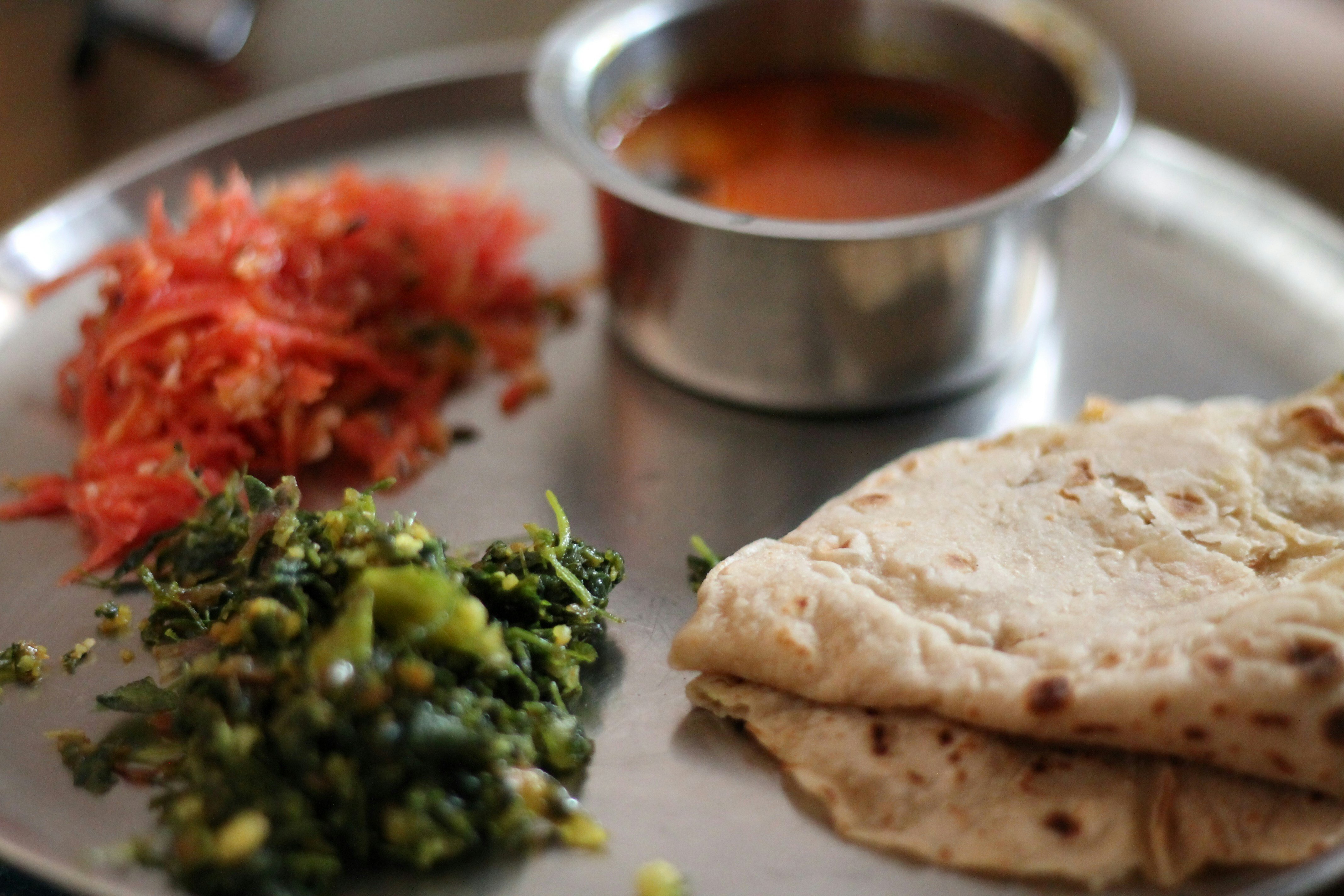
India’s hospitality industry is among the continent’s fastest-growing, but domestic consumption of animal proteins is on the rise, despite surveys showing that 37% of its citizens want to increase their intake of plant proteins.
In fact, a larger share of consumers in the world’s most populous nation want to increase their intake of protein from plant-based foods than from animal-derived sources.
“In India, plant-based eating is already deeply embedded in cultural and religious traditions, and the market is more accepting of plant-based meals than in many other countries,” Divyesh Tyagi, corporate engagement manager at Lever Foundation India, tells Green Queen.
“However, as overall protein consumption rises rapidly across the country, the challenge is ensuring that growth doesn’t skew disproportionately toward animal-based protein,” he adds. “Our focus is on helping businesses balance and increase the proportion of plant-based protein within this expanding protein market, rather than allowing meat-based protein to capture the majority of new demand.”
Agriculture accounts for 15% of the country’s greenhouse gas emissions, and of this, two-thirds (66%) comes from the livestock industry, according to the G20 Climate Transparency project. It gets worse when it comes to methane output, 75% of which comes from the agriculture sector.
“India already has one of the world’s largest populations that regularly consumes plant-based meals due to cultural, religious, and culinary traditions, providing a strong base from which to expand and modernise plant-based offerings,” says Tyagi.
“By working in these markets now, we can help steer fast-growing food systems toward more sustainable patterns before rising meat and dairy consumption becomes further entrenched, while helping food companies meet evolving consumer preferences and advance solutions that benefit public health, food security, animal welfare, and environmental sustainability.”
Progress in Thailand will have ‘ripple effects’ across Southeast Asia

Lever Foundation says Thailand is a compelling entry point for its plant-based programme, given its status as one of the world’s most visited tourist destinations. The country’s hotels and resorts serve tens of millions of guests each year.
And though meat intake is moderate, it’s rising, and the local cuisine’s rich tradition of plant-forward dishes makes expanding these options a “natural fit rather than a cultural imposition”.
Agriculture is the second-largest source of emissions in Thailand, and its livestock sector alone generates 39 million tonnes of CO2e annually. As things stand, this will grow by another five million tonnes by 2050.
At the same time, in a 2024 survey, two-thirds of Thai consumers said they would reduce or stop eating meat in the next two years, with 44% wishing to replace it with traditional plant proteins, and 39% with novel alternatives.
“In Thailand, awareness of plant-based food is increasing, but many consumers still perceive it as a niche lifestyle choice rather than an everyday option. Businesses have an opportunity to make plant-based dishes more visible, affordable, and appealing to mainstream consumers by emphasising taste, convenience, and value,” explains Nichapa.
“Thailand has a vibrant foodservice industry, a strong tourism sector, and a hospitality industry that sets trends and exerts influence across the wider region – meaning progress there has ripple effects well beyond its borders,” she adds.
“Lever’s existing relationships with hotel groups, built through years of operational work on food sourcing, mean we’re walking into conversations with partners who already understand that change is achievable and who are looking for the next step.”
Lever Foundation calls for greater government support for plant-based food

The end goal of the non-profit’s work is to expand consumer choice and build a more resilient food system that incorporates a broader range of protein sources. And across both countries, one of the biggest opportunities is ensuring that plant-based options are positioned as “delicious, accessible, and relevant to everyday dining experiences”.
“Our focus in both Thailand and India will be on partnering with restaurants, foodservice providers, hospitality companies, retailers, and food manufacturers to increase the availability and visibility of plant-based menu options,” Lever Foundation tells Green Queen.
“We’ll work closely with companies to make protein diversification a core strategy, alongside menu innovation and improved presentation of plant-based dishes, to shift the underlying protein procurement ratio, ultimately increasing the share of plant-based protein and reducing reliance on animal-based protein, rather than simply adding more plant-based items to existing menus.
“This approach will be central to our work across all markets this year, and especially in India, where it directly addresses the challenge of rising protein consumption. We’ll also support the development of measurable commitments that drive long-term change.”
In the first year of the programme, it aims to establish partnerships with leading food and hospitality businesses in both countries and secure meaningful commitments to increase the proportion of plant-based proteins at scale.
“We also hope to demonstrate that protein diversification and plant-forward menu strategies can create value for businesses while helping meet growing consumer demand for healthier and more sustainable food choices,” the NGO notes.
“We’ll measure success by tangible shifts in protein sourcing and menu composition, making plant-based options a normal and attractive choice for more people across both markets,” it adds.
According to Lever Foundation, governments across Asia are recognising the importance of sustainable food systems, food security, and nutrition. That said, greater support could speed up progress.
“Policymakers can encourage innovation by investing in R&D, supporting entrepreneurs and food manufacturers, and creating enabling regulatory environments for plant-based and alternative protein products,” the non-profit says.
“Governments can also use public procurement programs to increase access to plant-based meals in schools, hospitals, and other public institutions. Educational initiatives that increase awareness of the environmental and health benefits of plant-forward food choices can help consumers make informed decisions.”