

Clean-Label Plant-Based Milk Maker Three Trees Scooped Up by Next in Natural

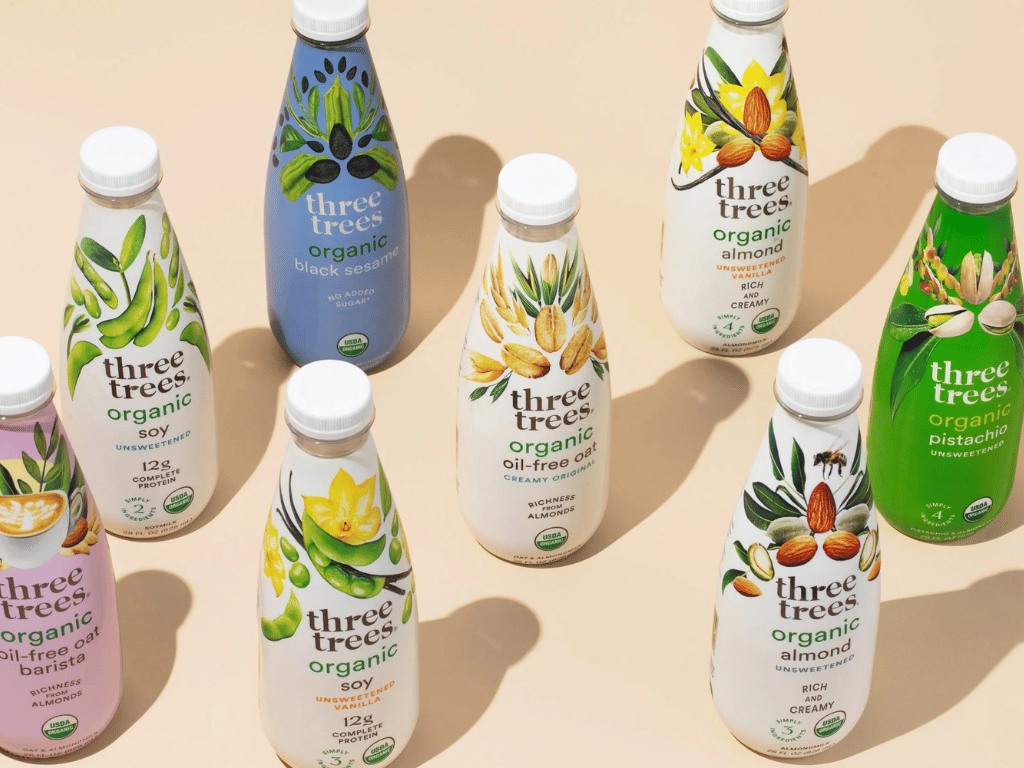
Californian startup Three Trees, known for its clean-label plant-based milks, has been acquired by Brooklyn-based business development and brand platform Next in Natural.
Three Trees, a company known for its premium additive-free milk alternatives, has become part of the Next in Natural family of better-for-you brands.
The emerging business development firm from New York has taken over the 14-year-old San Francisco startup for an undisclosed sum, marking its first foray into the world of plant-based dairy.
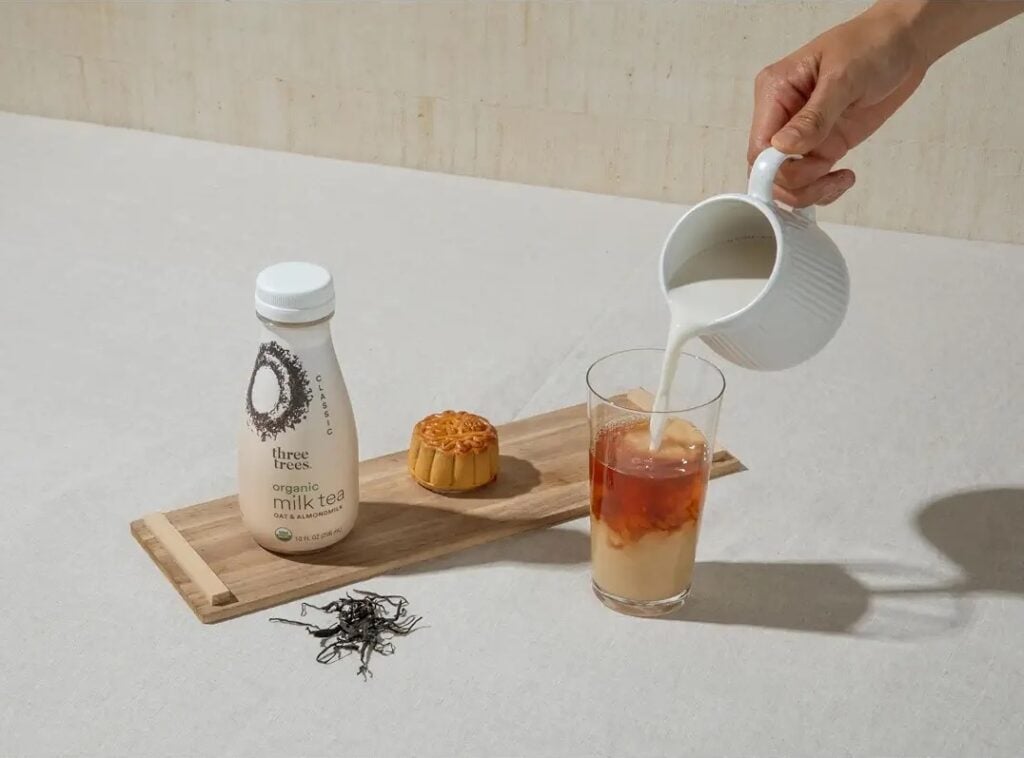
The deal will see Three Trees’s non-dairy portfolio, from pistachio, black sesame and oil-free oat milks to matcha and jasmine milk teas, be expanded to more stores across the US.
Three Trees, founded by Jenny Eu in 2012, will also explore collaborations with new sister brand Chameleon Cold Brew, which Next In Natural acquired in February, pairing morning coffee options with frothable plant-based milk.
“Great coffee deserves great milk,” said Next in Natural COO Kristine Laurel, “Three Trees and Chameleon were made for each other. Our shared marketing, R&D and business development teams let both brands scale symbiotically while keeping Jenny’s quality-first mission front and centre.”
Short ingredient lists no longer a tall order
Eu began Three Trees in her kitchen, inspired by her childhood walks through the forest with her grandmother, who instilled in her the belief that the best foods come directly from nature.
The company’s name comes from the Chinese character for a dense forest, which is comprised of three trees. Its journey started with Eu selling plant-based milks at farmers’ markets in San Francisco, and it has since grown into a national brand known for formulations free from gums, oils, thickeners and emulsifiers.
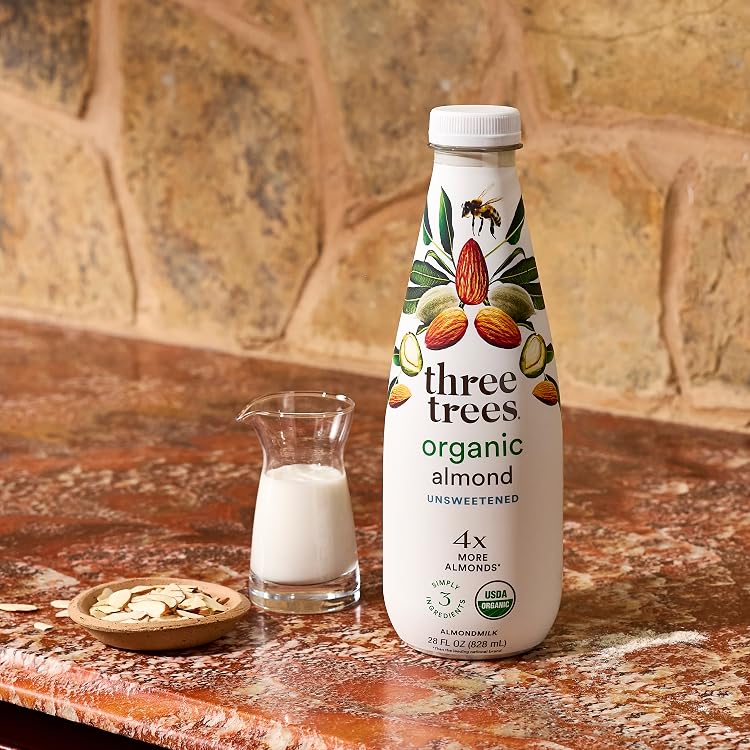
The alternatives contain four times the nuts as competitors, and are said to froth like heavy cream and contain a natural cream top, with Next in Nature calling Three Trees “one of the most respected clean-label plant milk brands”.
Three Trees’s range includes a two-ingredient soy milk and three-ingredient almond milk (including water), as well as oil-free standard and barista oat milks (the latter combines water, oats, almonds, chicory root fibre, baking soda, and French grey salt).
In addition, the company pioneered more premium options like pistachio milk (mixed with almonds and salt) and black sesame milk (with almonds, dates and salt). The milk teas, meanwhile, blend an oat and almond base with chicory root fibre, organic sugar and salt, alongside teas like matcha, jasmine, oolong, or black tea.
“I started Three Trees to make the kind of plant-based milk I wanted to feed my own family, with nothing to hide on the label. Next In Natural’s mission of helping make the world a better place, organically, really resonated with me,” said Eu.
“They share my obsession with best-in-class products and my respect for the people who carry and drink them. Their team will help put Three Trees in front of many more people who care about what’s in their glass.”
The deal is part of a larger trend of consolidation in the alternative protein industry. Green Queen’s analysis shows that more than 90 companies have been acquired, merged, gone bankrupt, or shut down since September 2024.
Plant-based milks ride the clean-label wave
With the acquisition, Next in Line is hoping to capture the booming market for clean-label foods in the US, where 82% of shoppers believe the fewer artificial or unfamiliar ingredients a food has, the healthier it is. Plus, 69% check labels to avoid highly processed ingredients, and 80% prefer familiar ingredients over artificial additives.
The latter have become one of the most criticised forms of ultra-processed foods (UPFs). US health secretary Robert F Kennedy Jr has said the FDA “will act” on a petition calling for the revocation of the GRAS status of several additives, although agency officials have ruled out an outright ban amid continued delays to its release of a definition for UPFs.
“Shoppers are reading labels more closely than ever, and Three Trees wins that test every time,” said Next in Natural founder and CEO Lichtenstein. “Our Original is two ingredients, organic almonds and water, with four times the almonds.
“That’s not a marketing claim, it’s the product. Three Trees was my family’s go-to long before this deal. We’re honoured to carry Jenny’s vision forward and share it with a lot more households.”
A recent study found plant-based alternatives to contain twice as many additives as meat and dairy, and some took that as a sign that these products are unhealthy. But the researchers noted that this didn’t mean vegan foods carry an additional health risk, and health experts pointed out that many additives can help recreate the sensory attributes of animal products, a key purchase driver for consumers.
“A higher number of additives does not automatically mean a product is unhealthy or unsafe,” Roberta Alessandrini, director of the Dietary Guidelines Initiative at the Physicians Association for Nutrition, told Green Queen, arguing that it “should not be read as a simple ‘plant-based foods are worse’ story”.
Still, clean labels are crucial to consumers now. In 2025, over one in three food and beverage launches in North America contained a clean-label claim, with no additives/preservatives being the top attribute highlighted, according to Innova Market Insights.
The strategy has brought success for brands like Malk Organics, whose short ingredient lists bumped sales of its plant-based milks by 46% in 2025, reaching $94M in 2025. Oatly also sells a four-ingredient oat milk in the US, and Humble Planet recently released a five-ingredient oat milk featuring banana purée and baking soda.