

Plantible Foods Wins US FDA Approval for Leaf-Based Rubisco Protein


Harnessing the world’s most abundant protein from duckweed, US startup Plantible Foods has secured a ‘no questions’ letter from the FDA, validating its ingredient for the food industry.
Cookies made from leaves could soon be a reality in the US, where the Food and Drug Administration (FDA) has approved the use of a new protein derived from duckweed.
San Diego-based Plantible Foods has received a ‘no questions’ letter from the food safety agency, a first for isolated Rubisco protein in the US.
Touted as the most abundant protein on Earth, the startup’s ingredient is called Rubi Protein, which can grow anywhere in the world and contains all nine essential amino acids.
The FDA letter acknowledges the ingredient’s use as an emulsifier, thickener or gelling agent in products like baked goods, functional beverages, breakfast cereals, pasta and noodles, plant-based meat, dairy and vegan alternatives, and snacks.
It comes six months after Plantible Foods opened a 100-acre factory in Eldorado, Texas to manufacture hundreds of tonnes of Rubi Protein annually.
“The completion of the FDA review validates years of investment in safety, transparency, and scientific diligence,” said co-founder and CEO Tony Martens. “As global demand for stable, sustainable, and clean-label proteins continues to rise, Rubi Protein provides manufacturers with a highly functional ingredient that is both nutritionally robust and environmentally efficient.”
Rubi Protein can replace egg whites and methylcellulose
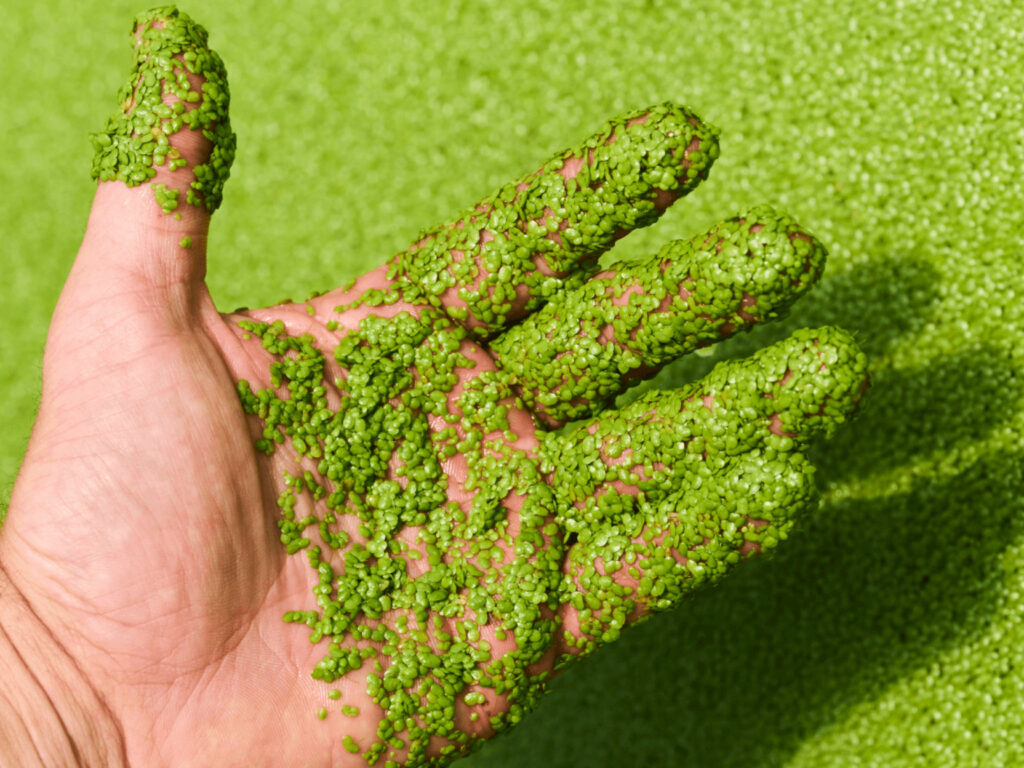
Also called lemna or water lentils, duckweeds are free-floating freshwater aquatic plants that form a green carpet on the surface of water. They’ve been consumed in Southeast Asia for centuries, but have witnessed a rise in popularity in the last decade, thanks to their environmental and nutritional benefits.
These plants don’t occupy any farmland or contribute to deforestation, and contain more micronutrients than many vegetables. They have a PDCAAS score of 1.0 (the highest possible), and, with a doubling rate of two to three days, are the fastest-growing plants in the world.
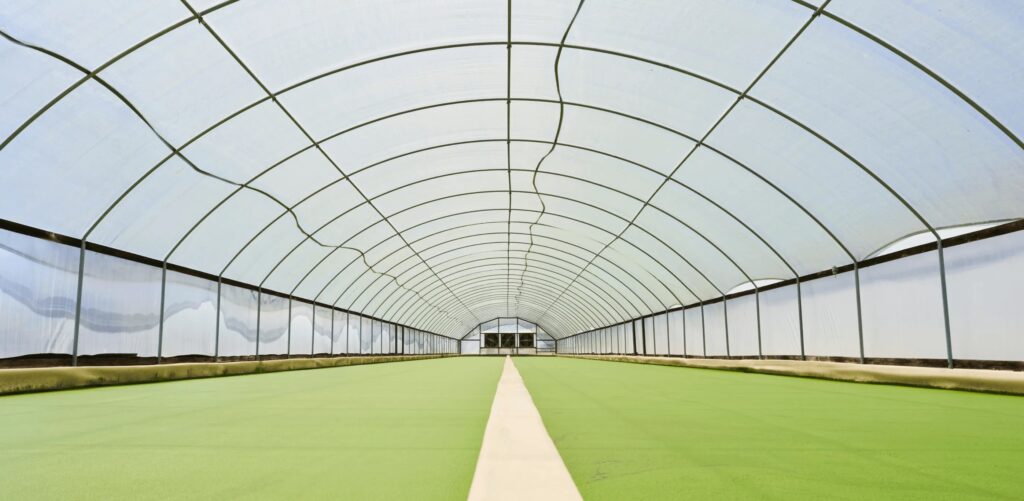
Rubisco itself is found in every plant – you’ve consumed a lot of it without even knowing it. To produce its version, Plantible grows lemna on controlled aquafarms that allow freshwater to be constantly recycled and refreshed, leaving a water footprint 10 times lower than soybeans. Once the plants are harvested, they are milled, filtered and dried so that the pure protein can be extracted from the plant’s leaves.
Rubi Protein is an off-white and odourless ingredient comprised of 85% protein by weight and free from 20 allergens. It offers emulsifying, gelling, and fat-binding properties, functioning just like egg whites – this will appeal to food manufacturers struggling to keep up with the supply and price volatility of eggs.
The FDA letter notes that the Rubisco ingredient can be used at levels up to 5% in a range of food applications. Plantible Foods has developed two ingredient blends to target different categories.
Rubi Whisk provides structural integrity, moisture and oil retention properties for egg- and gluten-free baked goods like lemon tarts, macarons, and cookies, and Rubi Prime offers the emulsification and binding benefits of methylcellulose to make cleaner-label plant-based meat products that can be served hot or cold.
Plantible Foods eyes capacity expansion and launches new ingredient
Martens said the FDA letter would open the door for a new class of functional and sustainable ingredients: “This is more than a regulatory milestone. It’s an industry-defining moment. The FDA’s review reinforces the scientific rigour behind Rubi Protein and clears the way for broader commercial applications.”
Over the coming year, Plantible Foods is looking to expand its capacity to support existing and new partnerships. Its new factory, called The Ranchito, marked its transition from R&D to full-scale manufacturing, and will enable it to reduce 8,000 tonnes of CO2e from the food system every year by replacing animal proteins and synthetic ingredients.
The startup has closed a $30M Series B round in 2024, taking its total raised to $57M. It has previously announced its intention to secure more funding to triple its production capacity.
“We didn’t set out to build another plant protein. We set out to build a better food system,” Martens said in a LinkedIn post. “With our Ranchito in Texas already operational, we are now accelerating production to meet the demand we are seeing across categories – from beverages to baked goods to dairy.”
Plantible Foods, which Martens founded with Maurits van de Ven in 2016, has been working with functional ingredients provider ICL Food Specialties, co-developing a Rovitiras Binding Solution for meat and seafood alternatives.
It has also launched a second ingredient, Lemna Leaf Greens, which delivers complete protein, high fibre, and micronutrients with a mild taste and “exceptional versatility”.
It is one of several startups leveraging Rubisco protein, including Leaft Foods (which has self-affirmed GRAS status in the US), Day 8, Rubisco Foods, Sustainable Planet, GreenOnyx, MicroTerra, DryGro, Ful Foods, Rinus & Hans, and Fyto.