

Think Red Meat Is Healthy? You’ve Probably Read An Industry-Backed Study


A new review shows that studies backed by the red meat industry are much more likely to find these proteins healthy than independent ones.
Ahead of the US’s update of its dietary guidelines at the end of the year, scientists have recommended a shift away from red meat. Instead, they suggest you put lentils, beans and other plant proteins on your plate.
The reasoning is sound: swathes of research have linked red meat to a number of chronic conditions, including obesity, type 2 diabetes, cancer, dementia, cardiovascular disease (which kills an American every 33 seconds), and early death.
Yet, beef has come out of this discourse relatively unscathed, with meat sales reaching record highs in the US in 2024. Driving this outlay is the belief that beef, pork and lamb are good for you, with media coverage and social media influencers referencing several studies that prove as much.
There’s a simple reason behind this: most of these favourable studies are funded by the red meat industry, according to a new review published in the American Journal of Clinical Nutrition. It has added to the growing discourse about the ills of industry-funded research, which could proliferate if the Trump administration goes through with its proposed $18B in cuts to the National Institutes of Health.
“The goals of the food industry, which naturally focus on promoting their products, can sometimes diverge from the primary objectives of public health nutrition research, which should be the genuine pursuit of knowledge and the improvement of public health,” the paper reads.
Only independent studies link red meat to cardiovascular health risks

The review, led by researchers at Spain’s Francisco de Vitoria University, involved the analysis of 44 clinical trials published between 1980 and 2023. They assessed whether study sponsorship or conflicts of interest are associated with outcomes of unprocessed red meat intake on cardiovascular disease risk.
Two-thirds (29) of the studies were found to be funded by meat industry groups like the National Cattlemen’s Beef Association and the National Pork Board. The rest were backed by government grants, academic groups, or non-profits with no links to the industry.
Three in five studies found a neutral effect of eating unprocessed red meat, and 14% found a favourable impact. Only a quarter suggested these proteins were worse for human health.
The differences between the outcomes were striking. Of the studies funded by the meat industry, 79% were likely to report neutral cardiovascular results, and the rest found the impact of eating red meat favourable.
In contrast, all of the independently funded trials reported either worse (73%) or neutral (27%) cardiovascular effects of eating red meat. It means the industry-backed studies were nearly four times as likely to conclude that red meat consumption has a neutral or beneficial effect on cardiovascular health.
It’s worth noting that the authors of the review themselves did not report any conflicts of interest or associations with the food industry.
The devil’s in the study details
So how does industry-funded research come to favourable conclusions? Many nutrients, foods, and dietary patterns are related to the prevention or progression of cardiovascular disease, so it’s what the control group eats instead of red meat that dictates how favourable or unfavourable the latter’s impact is, according to Deirdre Tobias, an assistant professor of medicine at Harvard Medical School.
“The trials with industry ties were designed to test the effects of consuming unprocessed red meat compared with processed red meats, white meats, and/or refined and starchy carbohydrate-rich diets,” she wrote in an editorial accompanying the review. “These trials all concluded that one-to-one swaps of unprocessed red meat for these foods had similar effects on cardiovascular health.”
Indeed, the review showed that industry-linked studies most commonly compared the effects of red meat with other types of meat (62%) and refined carbohydrates (24%). Some 70% of studies comparing beef and lamb to chicken or fish, for example, reported a neutral cardiovascular outcome, and 22% found a favourable effect.
“None of the 29 industry-funded trials were designed to test unprocessed red meat against whole grains, and only one trial compared red meat to plant proteins (a small trial among 21 men),” said Tobias.
In stark contrast, a majority (60%) of independent studies compared red meat consumption to plant proteins like tofu, legumes, and nuts. And 70% of these studies linked red meat to an unfavourable impact on cardiovascular health.
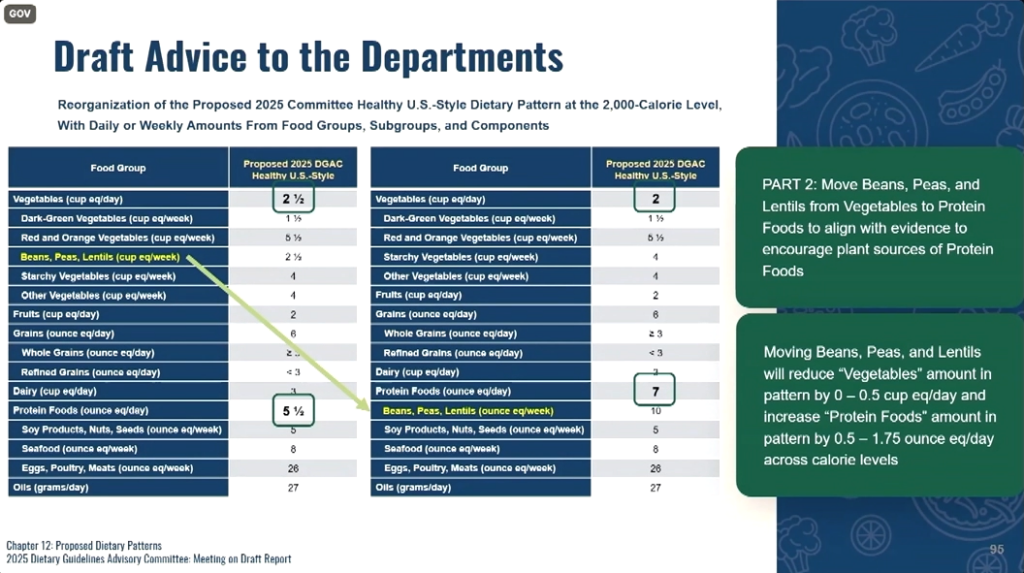
The researchers warn that industry-backed research can create public misconceptions and hinder governmental efforts to support dietary patterns that advocate for red meat reduction in favour of plant proteins to promote heart health, as the US is currently mulling.
“It is essential to consider the context and consistency of all research, regardless of funding source, to ensure that public health recommendations are based on a balanced and nuanced understanding of the evidence,” they write.
“This systematic review provides further evidence of the unfavourable effect of unprocessed red meat, and supports the recommendation of its replacement by plant-based proteins to enhance cardiovascular health.”