

UK Hospitals Cut Emissions by 22% by Making Plant-Based Food the Default Option

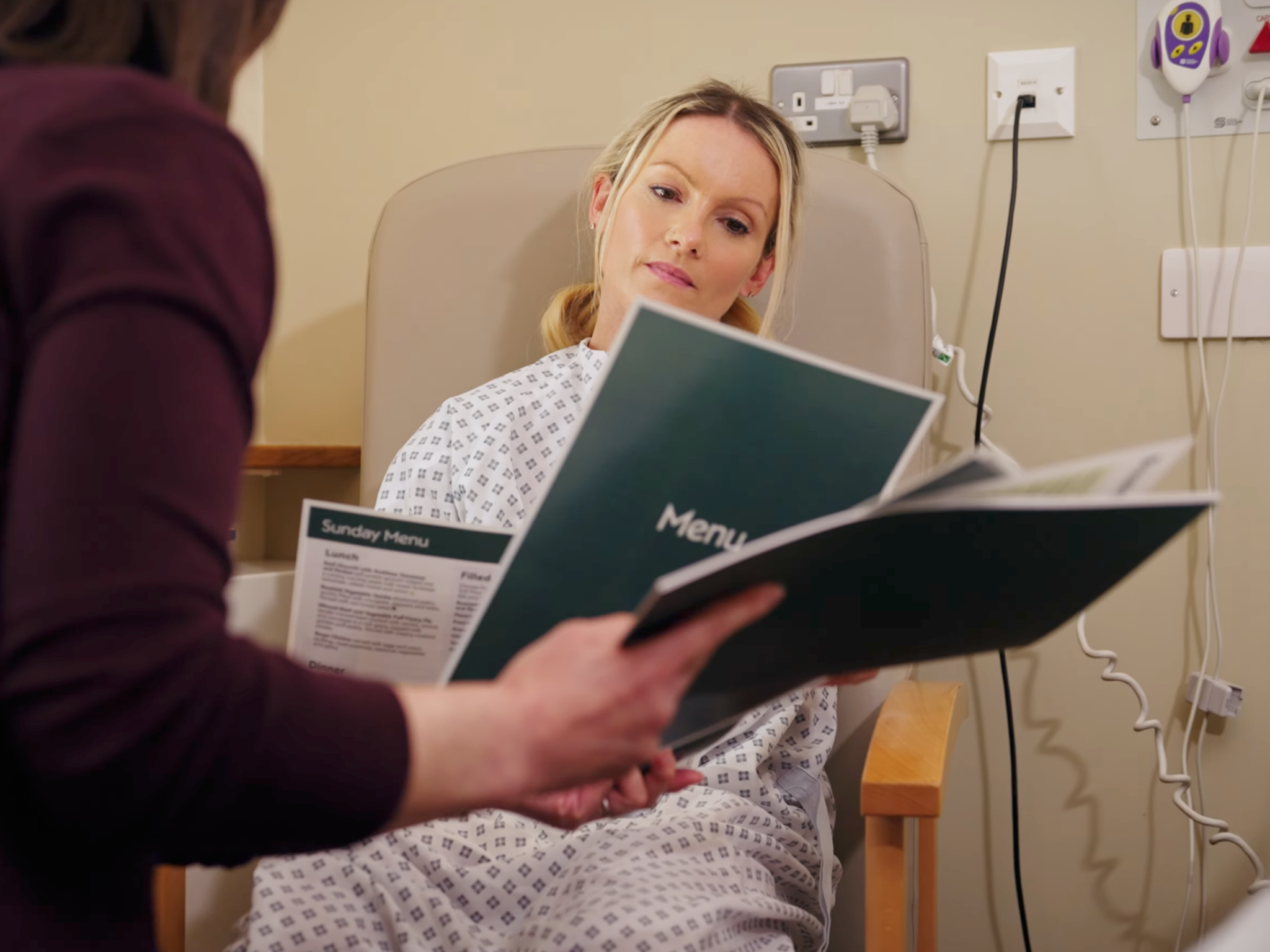
Catering giant Sodexo’s partnership with Nuffield Health, which saw them provide plant-based meals as the default option in UK hospitals, has resulted in a 22% decline in food-related emissions.
Sodexo UK and Ireland has announced the results of its latest effort to cut foodservice and catering emissions through plant-forward menus.
In early 2025, the caterer began an initiative to offer plant-based meals by default, with animal-sourced options available only upon request, at 35 Nuffield Health hospitals in partnership with behavioural change agency Greener by Default.
This effort has enabled the companies to reduce the hospitals’ food-related emissions by 22%, the equivalent of over 100,000 miles driven.
“Plant-based food is highly nutritious, helps prevent ill health and can play an important role in recovery,” said Dr Davina Deniszczyc, charity and medical doctor at Nuffield Health. “With our ambition to reduce our carbon footprint, this project gave us a unique opportunity to bring together both environmental and nutritional benefits.”
Sodexo and Greener by Default previously rolled out a similar campaign with NYC Health + Hospitals, which was highly successful. They have since agreed to take the plant-based by default approach to 400 US hospitals by this year.
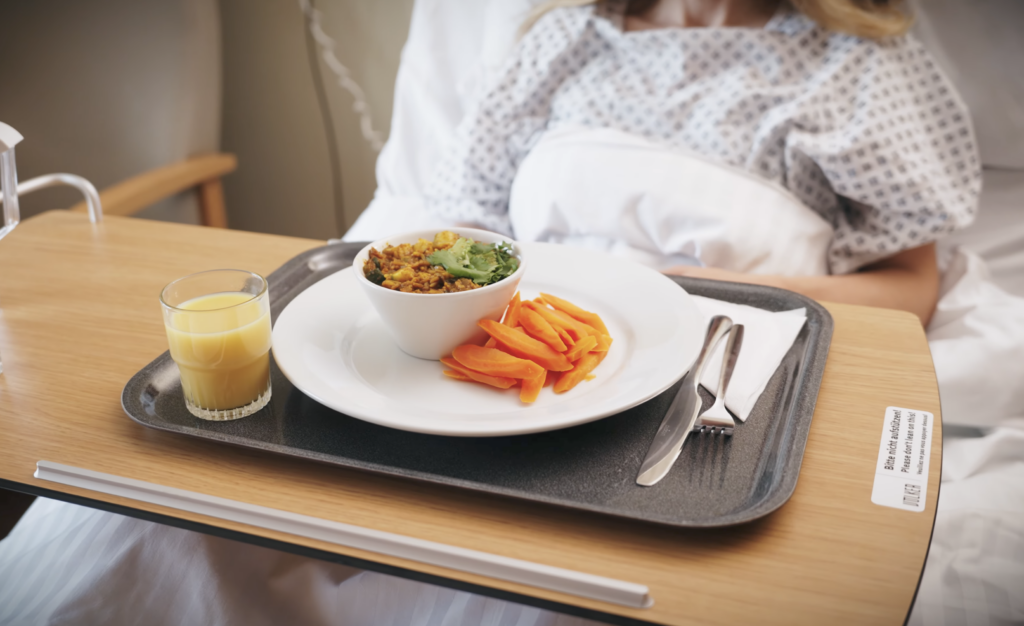
Why a ‘plant-based by default’ approach works
As part of the overhaul, more than half of Nuffield Health’s patient menu was updated, introducing new options like vegan soup rolls and removing the grill bar to place greater emphasis on plant-based meals. Processed meats like bacon and ham were either reduced or removed, and dairy-free options expanded.
Previously, 24% of the dishes contained meat, 42% were vegetarian, and 34% vegan. After the changes, the share of meat-based meals reduced to 18%, with vegetarian options staying steady at 41%, and vegan dishes now making up 41% of the menu. It’s part of Nuffield Health’s goal to make 90% of its menu plant-based.
“There are a number of different techniques that we can apply to the menu, such as looking at the wording of something. Removing words like ‘vegan’ or ‘meatless’ and changing it for something much more appealing,” Amy Roach, UK healthcare manager for Greener by Default, said in a Sodexo video.
“An example of this might be: if you have a dish on your menu and you call it a coeliac bowl because it’s gluten-free, chances are only people who are coeliac or gluten-free are going to want to pick that bowl. But if you change the name to be a ‘Thai peanut rice noodle bowl’, then so many people are going to pick that dish, because it sounds simply delicious,” she explained.
Menu positioning is another important technique. If plant-based options are placed on a separate menu, then only vegans or vegetarians are likely to ask for them. “But actually, if you incorporate them within the main menu, then it allows everybody to select from everything on the menu,” said Roach.
Sodexo and Greener by Default applied these two approaches to magnify the appeal of plant-based dishes to Nuffield Health’s patients. In addition, they delivered webinars, staff training, and leadership briefings, while monitoring patient satisfaction to ensure strong quality and experience.
Aside from the emissions cuts, the shifts resulted in a 14% decrease in the average meat served per patient, and a near-50% increase in plant protein servings.
Diner satisfaction is a top priority for a plant-forward approach
For Nuffield Health, as much as sustainability was important, diner satisfaction was equally vital. “One of my biggest concerns with this project was removing patient choice. We didn’t want that to happen,” said Matthew Hicks, head of non-clinical assurance at Nuffield Health.
“When a patient’s in hospital, there’s very few things they can control, and what they choose off the menu is one of those key things. So we really wanted to make sure that we gave patients a good choice, and we wanted them to not really realise that we were reducing our carbon score.”
According to Sodexo, high levels of diner satisfaction were maintained throughout the pilot. Moreover, plant-rich diets support better health and patient outcomes. Since surgery places significant strain on the body, plant-based options high in key nutrients can promote faster recovery and overall health.
“Our pilot has shown what’s possible, so we’re not stopping there. Patients are ready for change, and our aim is to get to a 90% plant-based menu, all while maintaining high patient dining experience,” said Deniszczyc.
The three organisations will build on this pilot this spring, embedding the plant-based approach through new menu refreshes and across all hospitality and staff menus.
“Our client’s ambitions of increasing plant-based options in patient dining are closely aligned to our own ambition to deliver 70% low carbon meals by 2030,” said Neil Paterson, Nuffield operations director at Sodexo.

By 2025, the catering leader achieved a 44.5% reduction in Scope 1, 2 and 3 emissions (from a 2017 baseline), exceeding its target of a 34% decrease for that year, and it halved food waste in this period, five years ahead of schedule.
Sodexo also rolled out a similar initiative at 400 US universities via a partnership with behavioural science non-profit Food for Climate League and dietary change think tank the Better Food Foundation, using the latter’s DefaultVeg approach.
Elsewhere, Greener by Default partnered with 18 hospitals and healthcare systems (both in the US and overseas) in 2024/25, developing plant-forward menus to help improve health and climate outcomes, decrease costs, and prioritise diner satisfaction.