

The Better Meat Co Rebrands to BMC Ingredients to Reflect Expanded Mycoprotein Focus

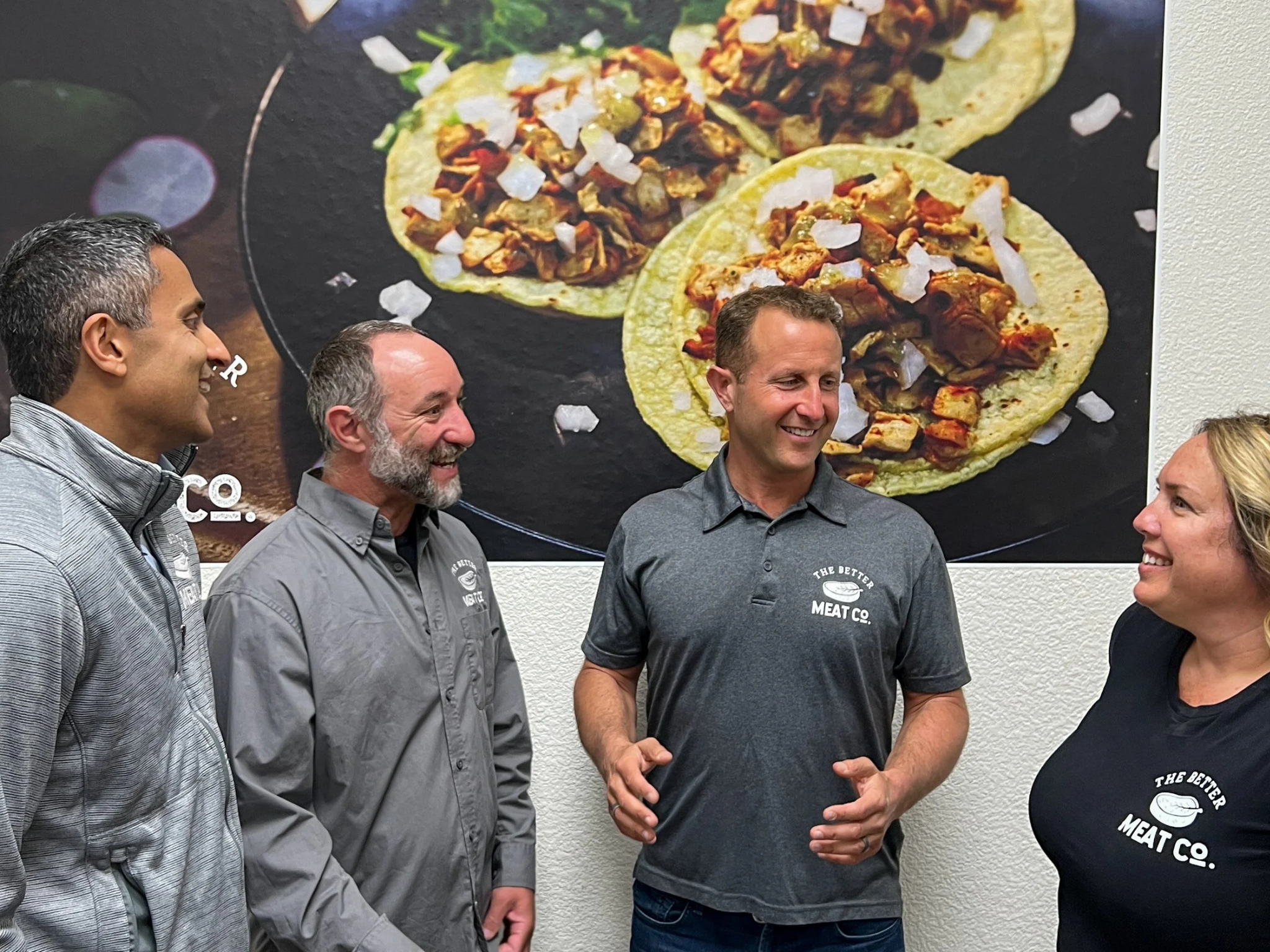
The Better Meat Co, known for its Rhiza mycoprotein, has changed its name to BMC Ingredients as it expands its ingredient portfolio beyond meat alternatives.
In its regulatory dossier submitted to the US Food and Drug Administration, US startup The Better Meat Co highlighted a wide range of use cases for its Rhiza mycoprotein.
Until now, the ingredient – which secured a ‘no questions’ letter from the FDA in mid-2024) – has been confined to meat alternatives and blended meat products.
Now that the company is bringing the other applications mentioned in its regulatory filing to reality, it’s moving past its original name and rebranding as BMC Ingredients to better reflect its expanded focus.
The Californian startup will offer its mycelium protein as a B2B ingredient in two primary formats, RhizaTex and RhizaPro, just as it prepares to scale up production in a new facility to meet the global demand for its protein.
BMC Ingredients eyes longevity market with Rhiza mycoprotein
A whole-biomass ingredient rather than a protein isolate, Rhiza is produced via the fermentation of fungi strain Neurospora crassa. It has a long history of human consumption, through foods such as oncom (a fermented Indonesian staple made from byproducts like soy pulp) and Roquefort cheese.
It contains all essential amino acids and has a protein content of 50% by dry weight, which is higher than eggs. Plus, it has a protein digestibility score of 0.87-0.96 (close to casein, beef and eggs).
Aside from the protein quality, Rhiza has more fibre than oats and more potassium than bananas, and contains no cholesterol and virtually no saturated fat.
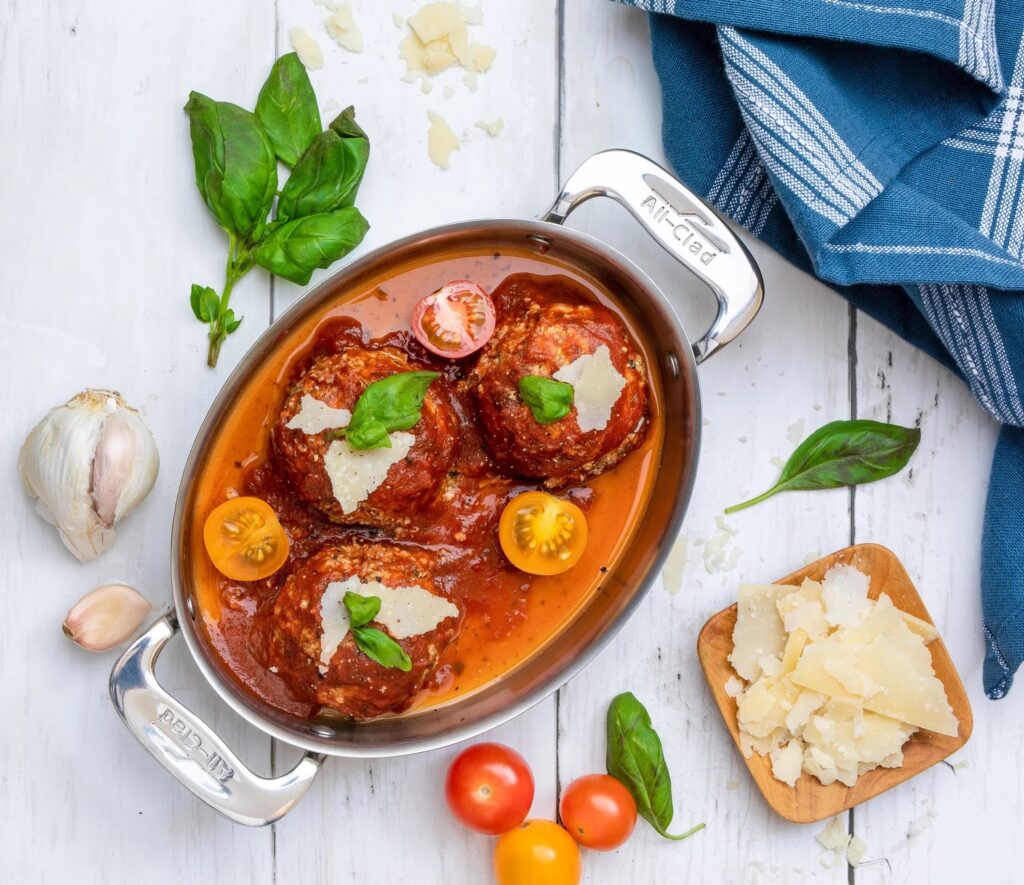
The RhizaTex product comprises mycelium granules specifically designed for applications where texture is critical, including meat analogues and blended meats.
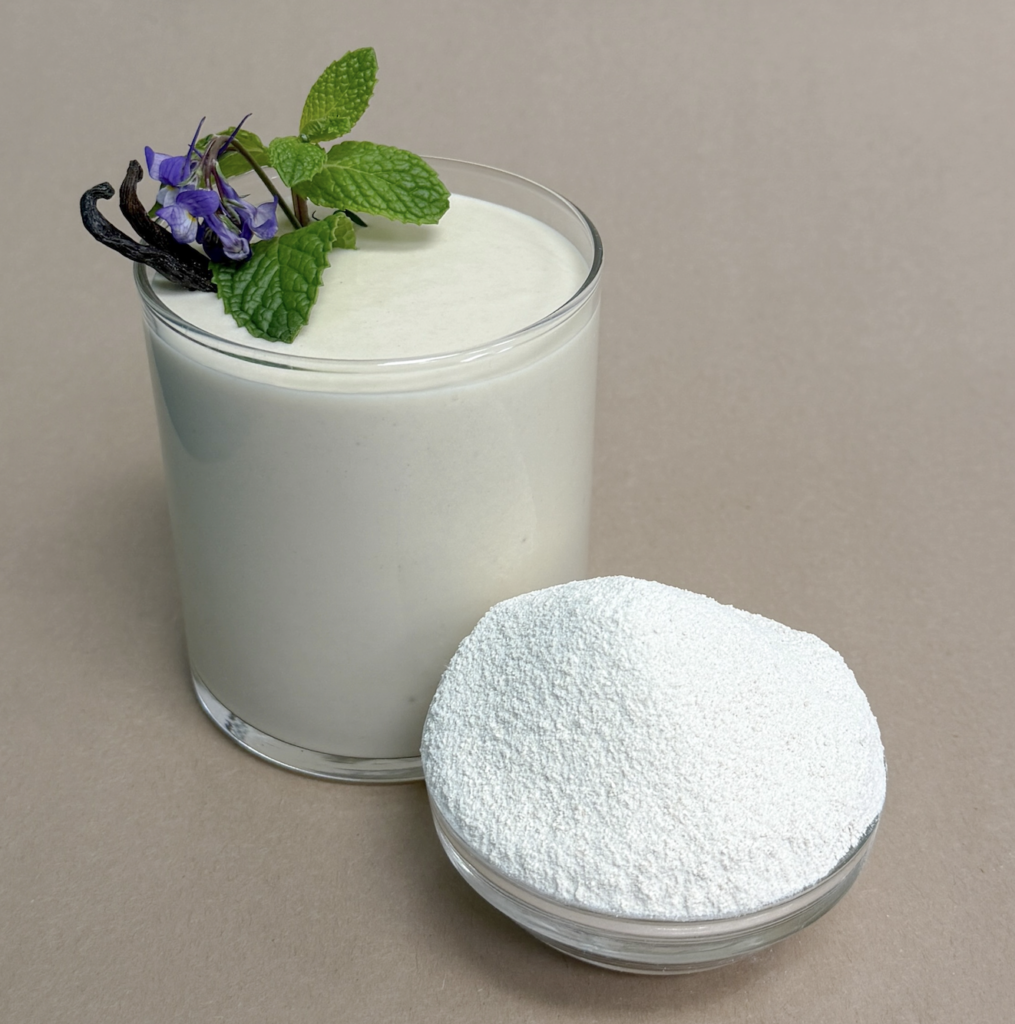
RhizaPro is a mycelium powder for products that require solubility, emulsification, and gelation, including dairy alternatives, smoothies, bars, pasta, and baked goods.
While most of BMC Ingredients’s existing customers remain confidential, founder and CEO Paul Shapiro tells Green Queen: ”Oshi uses Rhiza in its plant-based salmon, and there are about a dozen other customers using Rhiza as well.”
With the rebrand, the firm is now leaning into the booming longevity market by highlighting the presence of compounds like ergothioneine and spermidine in Rhiza, which promote cell renewal and protect mitochondria and DNA, respectively.
”Rhiza is one of the richest foods on earth in both spermidine and ergotheionine, both of which are associated with longevity enhancement,” says Shapiro. ”Many people buy these as isolated supplements currently, but Rhiza offers these compounds in an all-natural whole-food format.”
Demand for Rhiza outweighs production capacity – but not for long
The decision to refresh its brand identity comes as the increasingly volatile protein market struggles to keep up with expanding demand. The price of whey, for instance, broke records in 2025, and has kept on surging since, while manufacturers deal with a shortage in its supply.
BMC Ingredients is positioning Rhiza as a ”whole-food ingredient” that provides protein, fibre, and culinary functionality without the ultra-processing needed for protein isolates or the supply instability of animal proteins.
Last year, the startup raised $31M in Series A funding to reach commercial-scale production and bring the price of its mycoprotein ingredient below commodity beef.
”We project reaching price parity with wholesale commodity beef once fully commercialised in our new facility,” says Shapiro. ”With further scale, we intend to reach chicken pricing. We will also be price-competitive with some whey isolates.”
That facility is set to open in Q2 2027, which will be capable of churning out 100 dry tonnes of Rhiza each month to support broader commercialisation globally. BMC Ingredients has already secured five agreements with major meat producers in North America, South America and Asia, collectively projected to generate $13M in annual revenue.
”Our demonstration fermentation plant in Sacramento is completely maxed out and already has purchase orders in hand for all Rhiza that can be produced in Sacramento from now through the end of the year,” says Shapiro.
”We’ve already turned down several purchase orders that were too large for us to fill from Sacramento. We’re able to supply tons of mycelium from Sacramento, but the purchase orders we had to turn down needed double-digit tons, which is more than our small capacity for the time being. That will all shift once we start commercial production next year.”