

GEA Pumps $4.6M to Build Out New Alternative Protein Centre in Germany

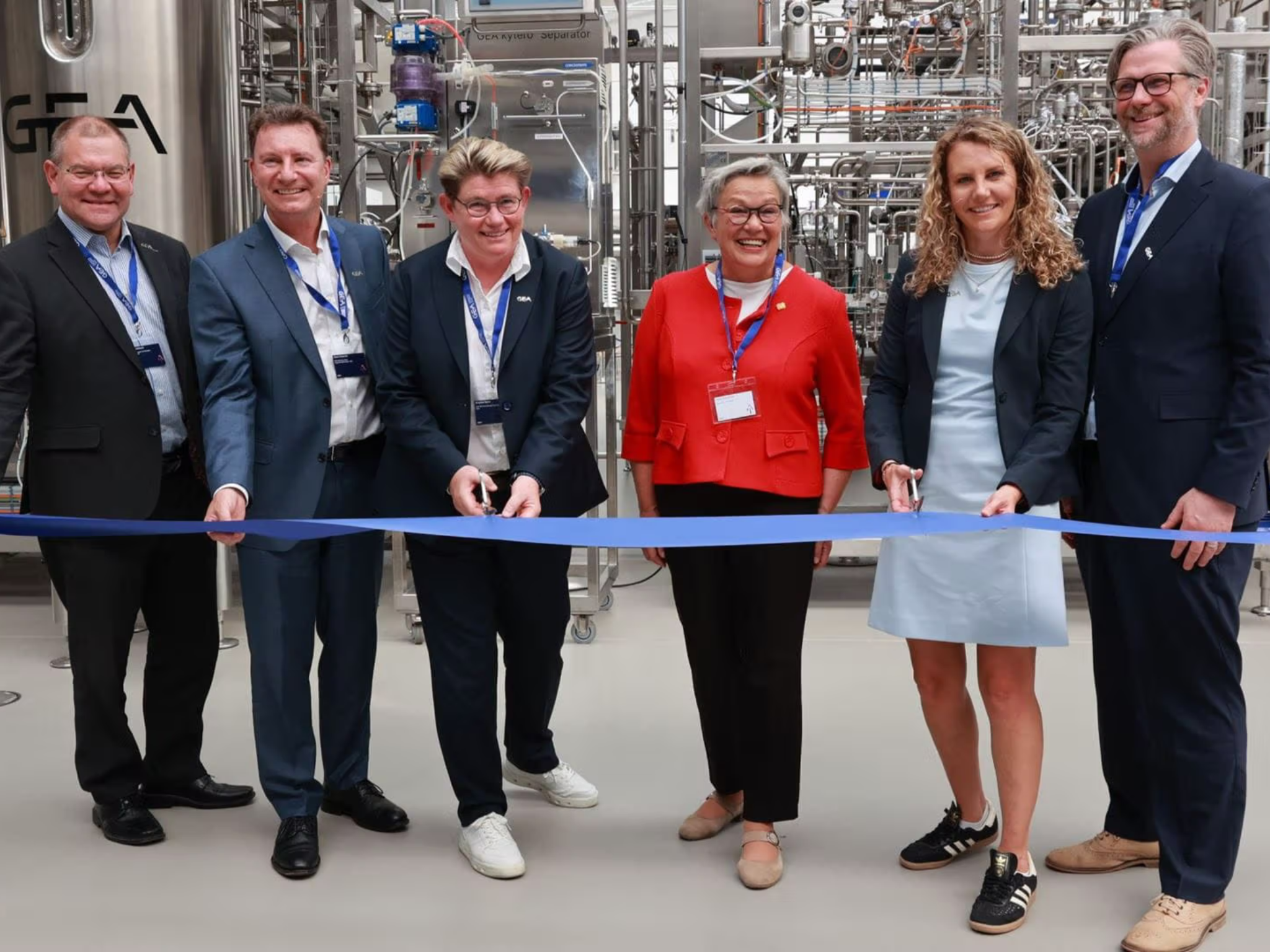
German engineering company GEA is relocating its Application and Technology Center for future food from Hildesheim to Sarstedt with a €4M ($4.6M) investment.
Three years after opening its first novel food scale-up facility, Germany’s GEA is streamlining its operations by relocating the biotechnology hub.
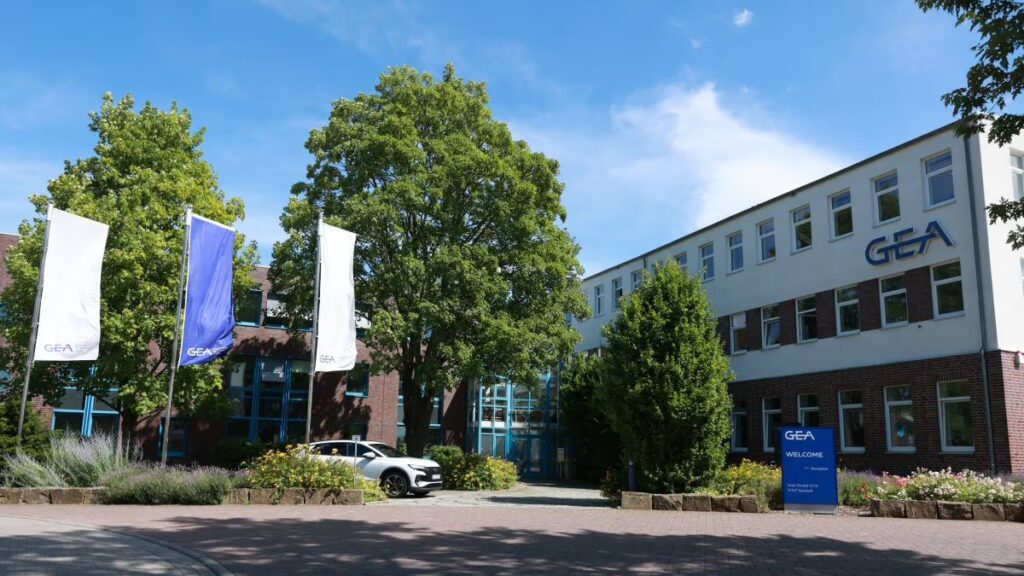
The engineering company is pouring €4m ($4.6M) to move the Application and Technology Center (ATC) from Hildesheim to Sarstedt. It has converted and equipped an existing building at the latter site, where process expertise in beverages, liquid dairy, and novel foods has grown over several decades.
The ATC brings around 40 more colleagues to the existing staff across the engineering, sales, automation and service teams, bringing the facility’s workforce to around 240.
The move places GEA’s alternative protein and biotech activities – including precision fermentation and cell cultivation – directly alongside established engineering and process capabilities. It means customers can draw on the same GEA teams from early pilot trials through to full industrial plant design.
“This new technology centre strengthens Sarstedt as a place for engineering, technology and skilled jobs,” said Sarstedt mayor Heike Brennecke. “It sends a clear signal that biotechnology is being developed here and put to work.”
GEA’s food tech centre can help companies justify investment decisions
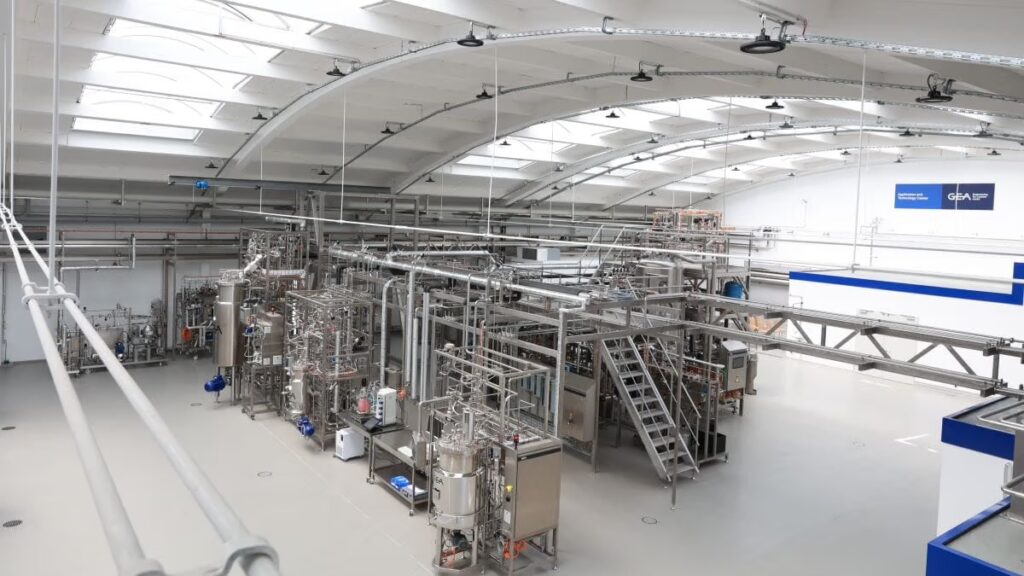
GEA opened its first ATC in 2023, helping food, ingredient and biotech companies develop and test pilot-scale production processes for precision fermentation, cell cultivation, and other biomanufacturing applications.
It enables food tech players to move from lab to industrial production, for example, by assessing whether the process can be run consistently, identifying the product quality required for the target application.
The engineering firm connects bioreactors ranging from 50 to 500 litres with upstream and downstream steps, including media preparation, separation, filtration, hygienic process design and automation. The result is a more solid basis for clients to make the next decision, whether that’s food-grade piloting, partnering with a contract manufacturer, or planning an industrial plant.
“A good lab result creates interest. A solid process creates confidence,” said Frederieke Reiners, VP of GEA’s new food and biotech division.
”And sometimes the most valuable outcome of a test run is a clear no – because a process isn’t stable enough yet, or the cost structure simply doesn’t hold up. Learning that early can save a company a lot of time and capital,” he added.
The ATC has been running pilot projects and working with customers for three years, work that will directly feed into the Sarstedt operation, which will connect initial lab results with the question of viability at a larger scale. This way, companies can test their technical and commercial assumptions early before committing capital to the next production stage.
“New Food and biotechnology need places where you can find out whether a promising process can actually become a viable industrial application,” said Klaus Stojentin, CEO of GEA’s nutrition plant engineering division. “In Sarstedt, we bring pilot infrastructure and engineering expertise under one roof. That gives our customers a stronger basis for their next decision.”
Contributing to Germany’s food tech goals
When it comes to alternative proteins, precision fermentation and cell cultivation get most of the public attention, according to GEA. The latter argues that this sector’s applications extend well beyond that.
The biotech processes used to develop novel proteins can help produce enzymes, amino acids, vitamins, flavours, and other functional ingredients for the food, feed and healthcare sectors. Many of the underlying process steps are similar, but the right design depends on the organism, the product and the target application.
However, this industry is moving at a slower pace than early forecasts had predicted, hampered by high production costs, scale-up challenges, regulatory hurdles, as well as a dearth of financing.
GEA’s goal is to assess whether these processes can be scaled up safely and economically from lab to industrial scale, opening additional production pathways for specific ingredients rather than replacing conventional agriculture. This is especially pertinent given increased climate risks, animal diseases, raw material shortages, and supply chain volatility.
Last year, GEA opened its second ATC in Janesville, Wisconsin, backed by a $20M investment. It joined the company’s other food tech hubs in Skanderborg, Denmark (for bioreactors), Oelde, Germany (for cell separation), and Bakel, Netherlands (for plant-based foods).
The company is now also working with the Biotechnology Fermentation Factory, an open-access site on the Nizo Food Innovation Campus in Ede, Netherlands, to deliver a precision and biomass fermentation upscaling line.
The relocation of its original ATC comes as the German government doubles down on its commitment to food tech, having released a biotechnology roadmap that sets out goals to establish a national innovation hub for cultivated meat and precision-fermented foods, and achieve technological and regulatory milestones to put locally developed novel proteins on the market.