

Offbeast Debuts ‘World’s First’ Whole-Cut Blended Meat from Beef & Plants

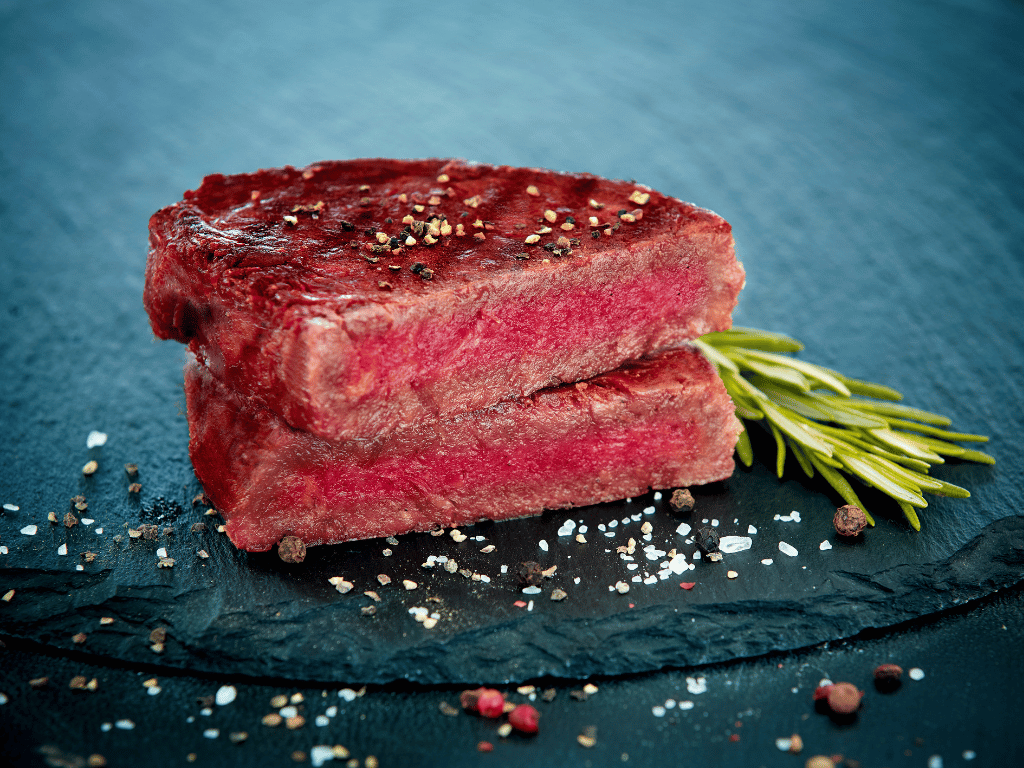
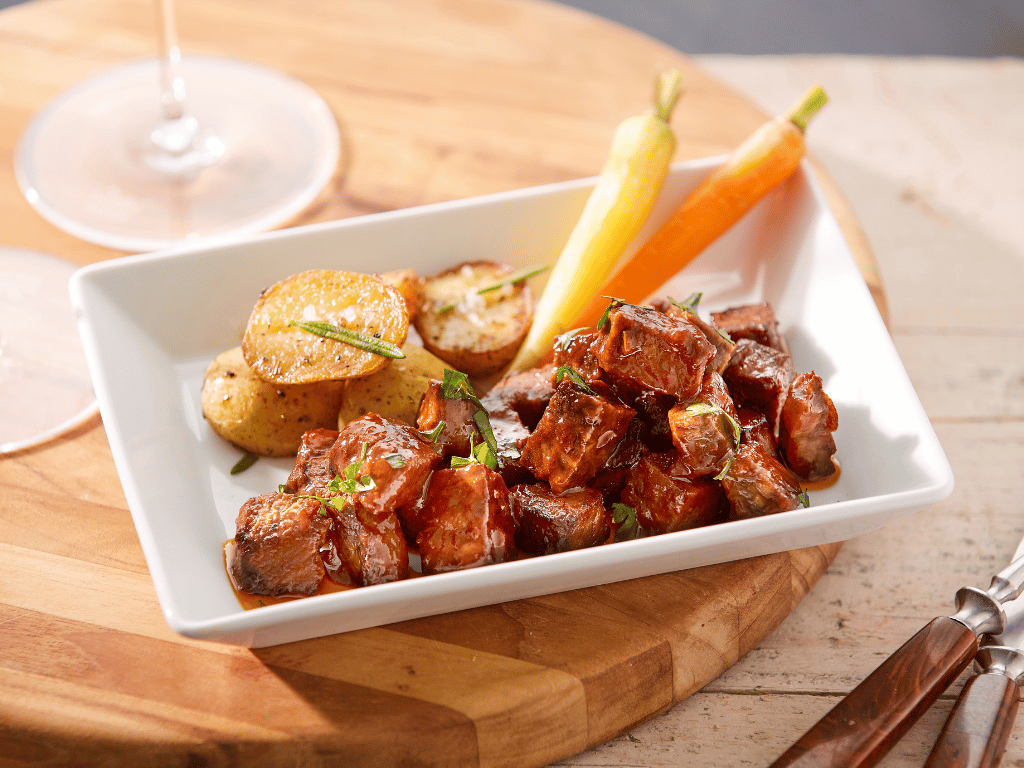
US alternative protein startup Offbeast has developed whole-cut beef tips that combine 50% meat with 50% plant-based ingredients, using a process that can integrate into existing meat processing lines.
As blended meat continues to appear on more plates, one startup has developed a hybrid solution that invokes what many have called the “holy grail” of meat alternatives.
In the plant-based world, whole cuts that mimic the muscle fibre of animal protein to better replicate structured meats like steak are viewed as the ultimate frontier. Now, US startup Offbeast is bringing that concept to the hottest trend in the alternative proteins sector, combining beef with plants to create what it says is the “world’s first” whole-cut blended meat.
Its new 50-50 beef tips boast a continuous, muscle-like fibre structure, thanks to a new manufacturing process designed to integrate into existing meat processing lines.
“We will launch this together with a large meat processor,” co-founder and CEO Insa Mohr told Green Queen, calling blended meat “one of those rare areas where sustainability and economic interests naturally align”.
Whole-cut blended meat can boost beef margins by 200-400%
Offbeast began as Mooji Meats in 2022, founded by Mohr and Jochen Mueller. The company rebranded early last year after unveiling a new Cross-Fiber Assembly platform, through which it develops alternatives like filet mignon and chicken fillet for foodservice consumers.
It runs as a continuous process and evolved from its 3D printing tech, shredding soy and wheat fibres and bundling them the same way as muscle fibres are in animal proteins. This is done with a deliberate randomness to achieve a more natural result.
The tech is now being deployed for blended meat too. That process, termed “whole-cut engineering”, turns unstructured meat ingredients like ground beef or beef fat into aligned, muscle-like fibres connected by a plant-based binder, which also acts as an extender to cut the amount of meat required while maintaining its original texture.
“Our technology was originally developed to solve the texture problem in alternative proteins. From the outset, we designed the process to be highly robust and versatile, accommodating a broad range of protein inputs. As a result, the same texturisation process works with animal proteins just as well as plant proteins, enabling us to combine both into a structured whole cut of any shape or form,” said Mohr.
The company has developed and implemented the technology at industrial scale, and says the approach can increase typical beef margins by 200-400% and enable lower consumer prices. That could create a compelling economic incentive for meat producers.
“With a blended burger, inexpensive meat and inexpensive plant ingredients are combined to create another relatively inexpensive product,” she outlined. “Our technology is different because it can turn those same low-cost inputs into a significantly higher-value whole-cut product.”
The tech is already being used for industrial production at Offbeast’s manufacturing plant in Baltimore, with a capacity of churning out up to three tonnes of protein per shift. It can be used across a range of whole-cut formats, including beef strips, chunks and steaks, as well as pork products, without affecting protein levels.
“We adjust the meat protein input based on the meat processors’ supply chain and customer needs (for example, the process works with minced meat, tallow, collagen, etc. as input), so there is no fixed ingredient label,” said Mohr, before noting that consumers can expect its whole-cut innovations to deliver around 23g of protein per 100g with an “adjustable amount of fat”.
Blended meat is in its ‘renaissance’ era
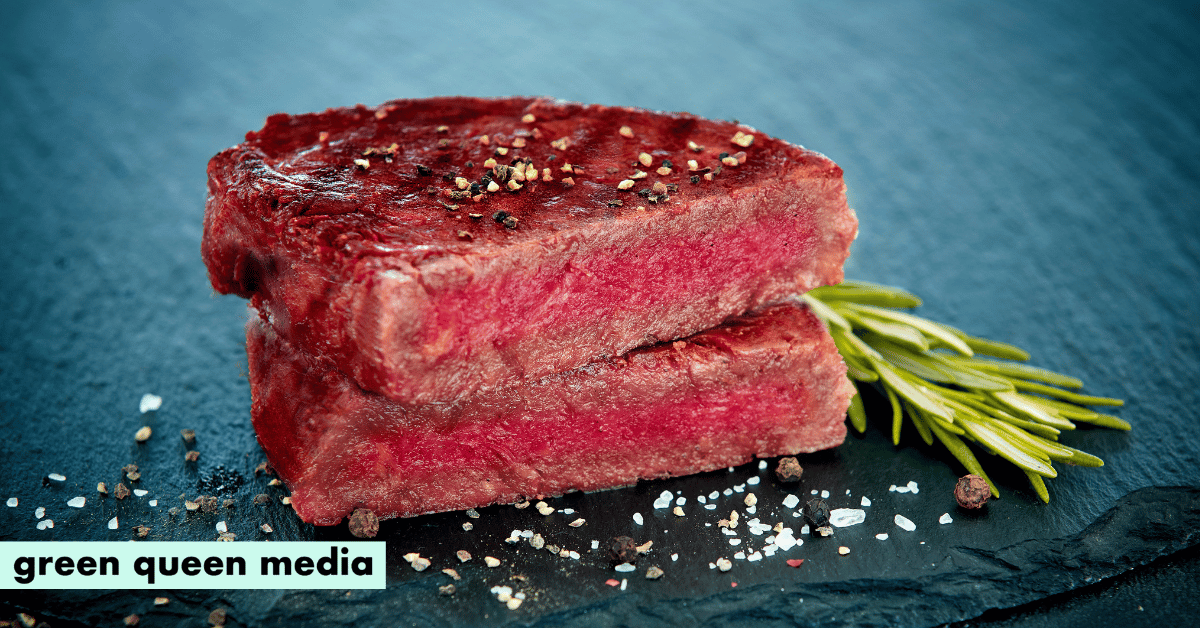
Blended meat is seen as a bridge between meat and plant-based alternatives that can lower emissions, costs, saturated fat, and cholesterol and add dietary fibre to proteins without compromising on the taste or texture that makes foods like steak so loved.
Proving that theory, confidential product trials show that 16 out of 20 testers rated Offbeast’s blended beef tips as “indistinguishable from conventional meat”, with texture receiving particularly strong feedback.
Several companies have used plant-based ingredients like textured vegetable protein as “meat extenders”, including Nestlé, but whole cuts are a new territory for this approach.
It is reflective of blended meat’s explosive growth over the last couple of years, both in the US and internationally. The American serviceable obtainable market for these products is worth $5.3B, equating to 2% of the national meat market, but experts say this doesn’t account for the full foodservice and retail opportunity.
In fact, three-quarters of US consumers are interested in blended meat (versus 57% who say the same for plant-based alternatives), and more than half of meat-eaters have found 11 out of 22 such products as good or better-tasting than conventional meat in taste tests.
It’s likely why Central Market introduced a host of blended meat products combining animal proteins with Fable Food’s pulled shiitake mushrooms, while the education and healthcare sectors have embraced products like Joyn Foods’s mycelium-enhanced blended meat and The Spare Food Co’s upcycled vegetable and beef products.
Mohr calls it a “renaissance”: “Blended meats have been around for decades – for example, as extenders used in sausages, because they reduce ingredient costs. With an active push by consumers who want to reduce meat consumption and seek more sustainable meats, blended meats are currently becoming more visible.
“At the same time, we now have the technology to make blended meats even better – and this is where our texturisation solution comes. By enabling blended whole cuts, we can significantly increase both the economic and sustainability benefits of blended meat.”
She believes the economic incentive will push adoption even faster than consumer demand does. “In the same way surimi (imitation crab) grew into a $3B industry by saving the seafood industry money, we believe we can do the same for meat,” she said.