

Ivy Farm Technologies Gets UK Approval to Sell Cultivated Wagyu Beef for Pets


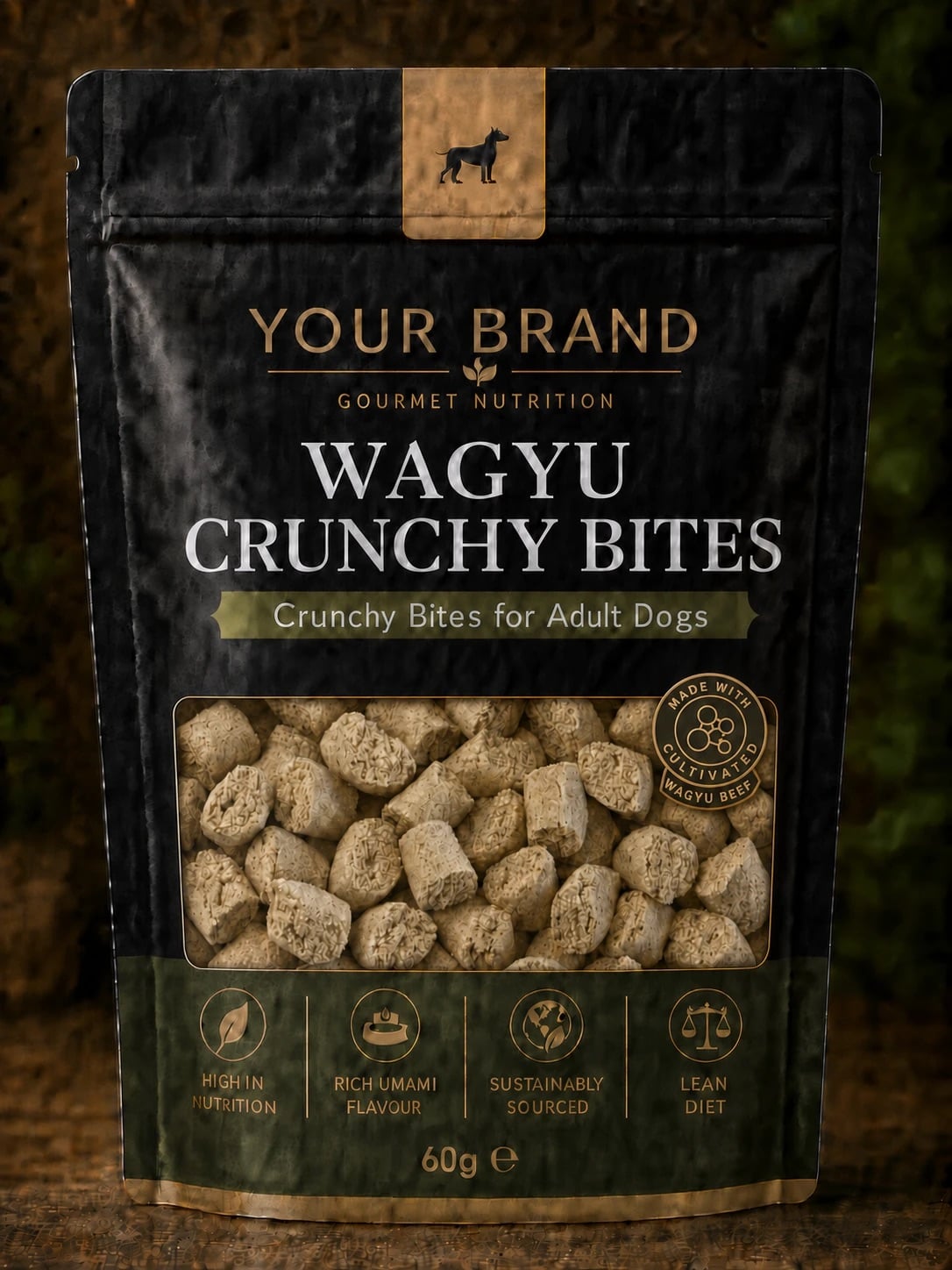
British cultivated meat startup Ivy Farm Technologies has secured regulatory clearance to sell its Wagyu beef as an ingredient in pet food, marking just the second such approval in the UK.
Oxford-based Ivy Farm Technologies has become just the second startup cleared to sell cultivated meat for pets in the UK.
The company has secured approval from the UK’s Department for Environment, Food & Rural Affairs and the Animal and Plant Health Agency to supply its cultivated Wagyu beef as a pet food ingredient in the country.
It comes weeks after the firm showcased its ingredient at the PATS 2026 trade show in Birmingham. Ivy Farm’s green light follows the 2024 approval of Meatly’s cultivated chicken, which debuted in a limited run as part of dog treats by The Pack last year.
Ivy Farm has also been working on human food applications, but that follows a different regulatory pathway under the Food Standards Agency (FSA) and is faced with a cloud of uncertainty due to an upcoming trade deal between the UK and the EU.
Cultivated Wagyu steak outperforms beef on health and climate credentials
Founded by Cathy Ye and Russ Tucker, Ivy Farm spun out from the University of Oxford in 2019, and has been working on cultivated pork and beef applications.
Its current focus is on F1 Wagyu, a cross-breed beef derived from the cells of a single Japanese Black cow raised in Northern Ireland. The cells are fed on nutrients (like amino acids, sugars, and vitamins) in bioreactors at the optimal temperature, timing and conditions they need to grow.
The resulting beef is described as having an umami-rich flavour profile with 20g of protein per 100 kcal (compared to 17.2g for beef sirloin). For each 100g serving, it only contains 50 kcal and 1g of saturated fat (just 0.5g of which is saturated), delivering a protein-to-fat ratio of 10:1.
Plus, the cultivated Wagyu beef has all essential amino acids and micronutrients like vitamin B12, iron, and choline. Independent testing shows that it has superior digestibility (98%) and absorption rates (7.6%) compared to conventional beef (91% and 4.5%, respectively).
The ingredient can be incorporated into a host of pet food products, including dog treats, wet and dry food, fresh meals and meal toppers, as well as specialised nutritional or medical formulations.
Studies show that 43% of British dog owners are open to alternative proteins, with cultivated meat preferred by 24% of those consumers (above vegetarian or vegan options). Likewise, 51% of cat owners say they’d consider such sustainable proteins, and cultivated meat again topped their list at 33%.
In both cases, the underlying driver was the wellbeing of their furry friends, as pet parents highlighted the importance of factors like nutritional soundness and improved pet health, alongside palatability.
Ivy Farm’s beef also has strong climate credentials, as it uses 95% less land and 78% less water than conventional beef, while causing 93% less pollution and 92% lower greenhouse gas emissions.
Ivy Farm Technologies working with Fold Hill Foods to commercialise
Speaking to Green Queen earlier this year, Ivy Farm CEO Harsh Amin outlined 2026 as a pivotal year for Ivy Farm’s commercialisation plans.
“Our priority is building deep commercial partnerships that translate our technology into products consumers genuinely want to eat,” he said. “This year is about preparing to launch our cultivated beef expertly: ensuring taste, real cost, nutrition, safety, and storytelling align, so we build long-term trust with consumers and partners alike.”
Ivy Farm is working with a number of manufacturers to bring its Wagyu beef to the pet food market. Among these is Fold Hill Foods, which is developing products with this ingredient for its brand and retail partners.
“By combining Fold Hill’s pet food expertise with Ivy Farm’s pioneering cultivated Wagyu, Fold Hill can offer its partners access to distinctive new product concepts, helping them respond to evolving consumer needs and bring genuine innovation to the pet food category,” said Ben Mankertz, managing director of Fold Hill.
Meanwhile, BeneMeat, Biocraft Pet Nutrition and Umami Bioworks have registered their cultivated proteins as feed materials in the EU, enabling them to sell their innovations as pet food ingredients. The former has teamed up with Forza10 to establish Coolty Meat, a hybrid hamster meat innovation for dogs slated for launch this year.
In Singapore, Friends & Family Pet Food has been selling its cultivated quail treats for cats and dogs since April, after securing regulatory approval from the city-state’s Animal and Veterinary Service last year. That has since underpinned its launch in Hong Kong in September.
Human food still in sights amid UK regulatory uncertainty
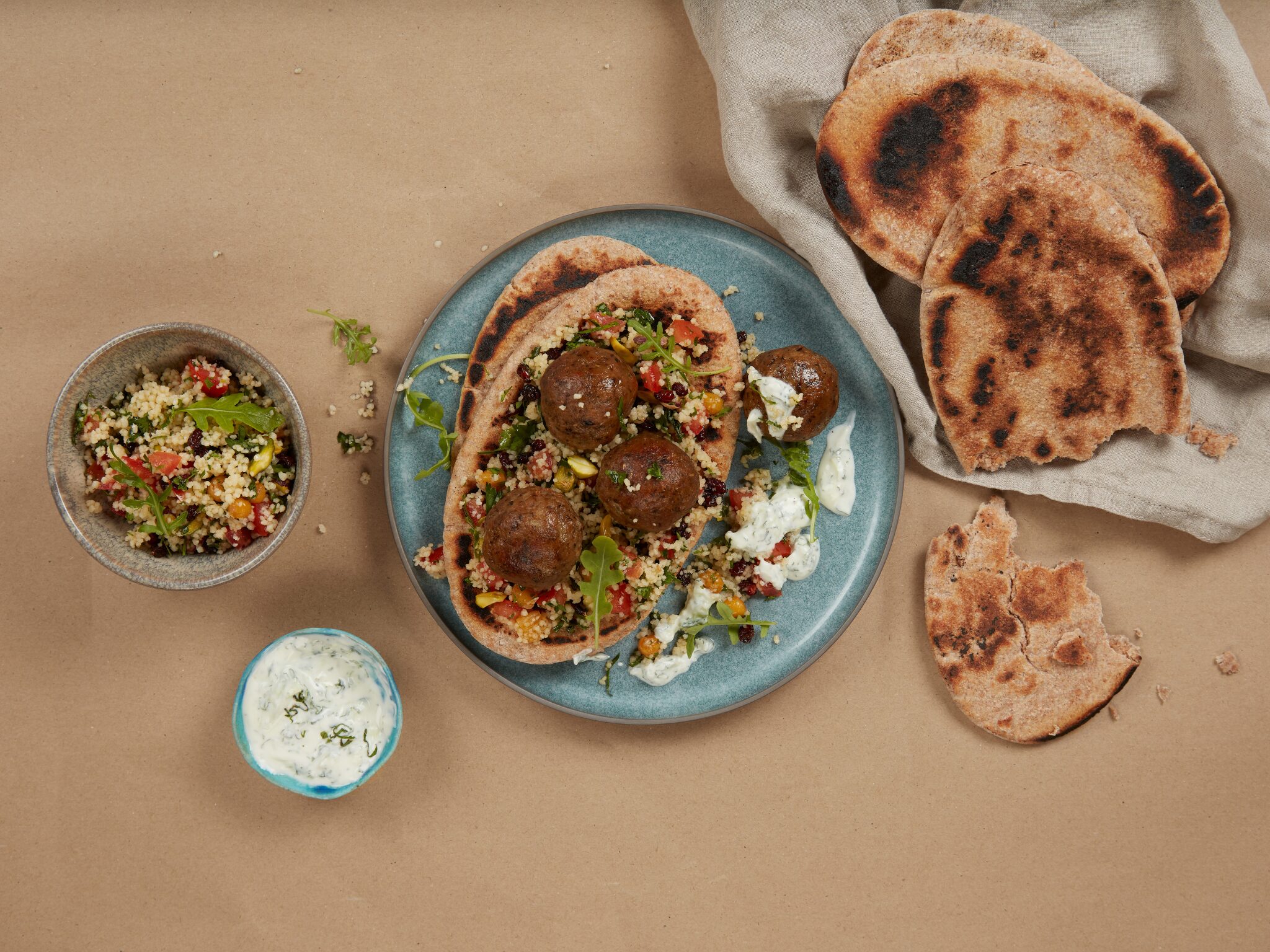
As it works to commercialise its pet food ingredient, Ivy Farm continues to develop its cultivated Wagyu beef for human food applications. The startup has already teamed up with chefs to explore potential launches, and is awaiting approval from regulators in the UK, the US, and Singapore.
Speaking to Green Queen earlier this year, the company’s CEO, Harsh Amin, revealed that the company has consistently been hitting taste and price targets and is working on raising capital to accelerate scale-up and launch. But he outlined that long regulatory timelines and a tougher funding environment were major challenges for the business.
“We recognise that regulators are under immense pressure to get this right, and we respect the rigour required to bring a truly novel food category to market safely,” he said.
“At the same time, speed matters. Every year of delay increases the risk that well-intentioned, science-backed startups run out of capital before consumers ever get the chance to try the product. Continued collaboration between regulators and industry will be essential to ensure innovation reaches the market responsibly and in time.”
After moving away from the EU-era novel food regulatory framework, the UK opened a sandbox programme in 2025 to design standards for new cultivated meat products. While it has released several guidance documents since, the upcoming Sanitary and Phytosanitary (SPS) agreement with the EU – set to come into effect in early 2028 – risks undoing much of that progress.
The deal is designed to make the transfer of goods, including food products, between the UK and the EU easier and cheaper, but it could have a knock-on effect on the cultivated meat sector, forcing companies to go through the latter’s notoriously long and complex novel food process to sell their products in the UK.
That said, the FSA is reportedly working on a possible temporary arrangement to enable novel foods to continue under its existing regime for the time being. This would preserve the progress made on this front by the regulator over the last couple of years, and enable companies to sell in the UK (but not the EU).
Aside from Ivy Farm, Aleph Farms, Mosa Meat, BeneMeat, and Parima‘s Gourmey and Vital Meat have all applied for human food approval, with the latter two the furthest ahead in the process.