

Pet Parents Prefer Cultivated Meat Over Plant-Based Proteins for Dog & Cat Food

Two new surveys highlight the growing consumer acceptance of alternative pet food, with cultivated meat particularly piquing their interest.
It has been a year when sustainable pet food truly found its footing.
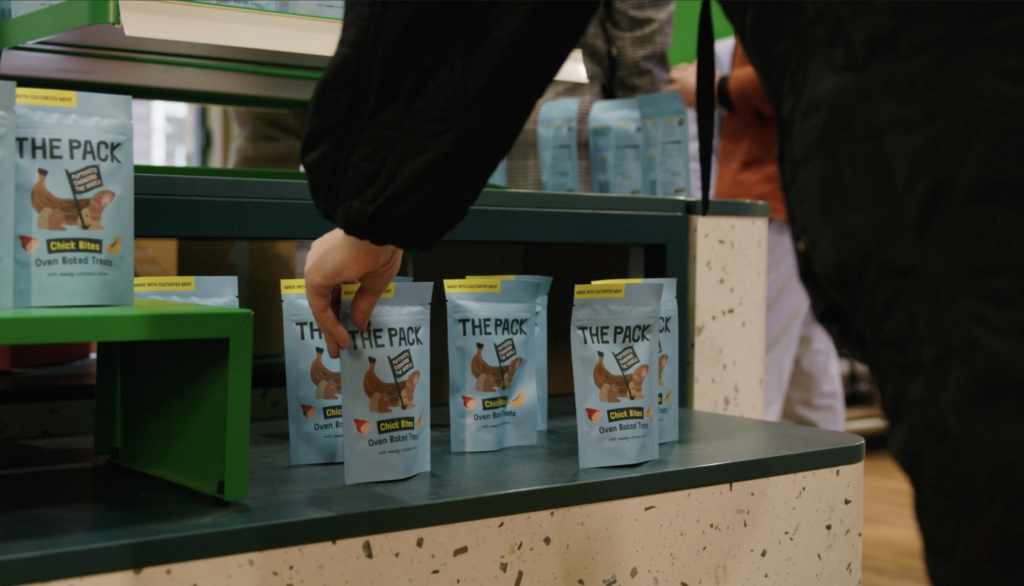
People in the UK were able to buy cultivated meat off a supermarket shelf for the first time. Brits can now purchase vegan dog treats with microbial proteins that support gut health. And plant-based pet food also found national fame on Dragons’ Den, when Omni won £75,000 in investment from Deborah Meaden and Steven Bartlett.
This progress should come as no surprise, given recent studies that show pets can thrive on a vegan diet. Now, two new surveys – published in the Animals journal – have found that pet parents globally are embracing sustainable diets for their furry friends, with cultivated meat a particular focus.
‘Nutritional soundness’ the chief driver of alternative dog food adoption
The first study involved interviews with over 2,600 dog owners, 84% of whom feed their pets either conventional or raw meat-based diets. Meanwhile, 13% of respondents keep their dogs on a vegan diet, and just over 1% on a vegetarian one.
The most influential factor determining food purchases for dogs was health and nutrition (picked by 94% of participants), with pet health maintenance and the nutritional soundness of food the top factors.
At the same time, 43% of people whose dogs eat meat were open to considering at least one type of sustainable food alternative, such as a plant-based, vegetarian or cultivated meat formulation. Among these, cultivated dog food was chosen by 24%, followed by vegetarian (17%) and vegan options (13%).
When asked what characteristics would be needed for them to choose these alternatives, nutritional soundness was chosen by 85% of the dog owners, followed by confidence about pet health (83%), good quality (75%), and palatability (67%).
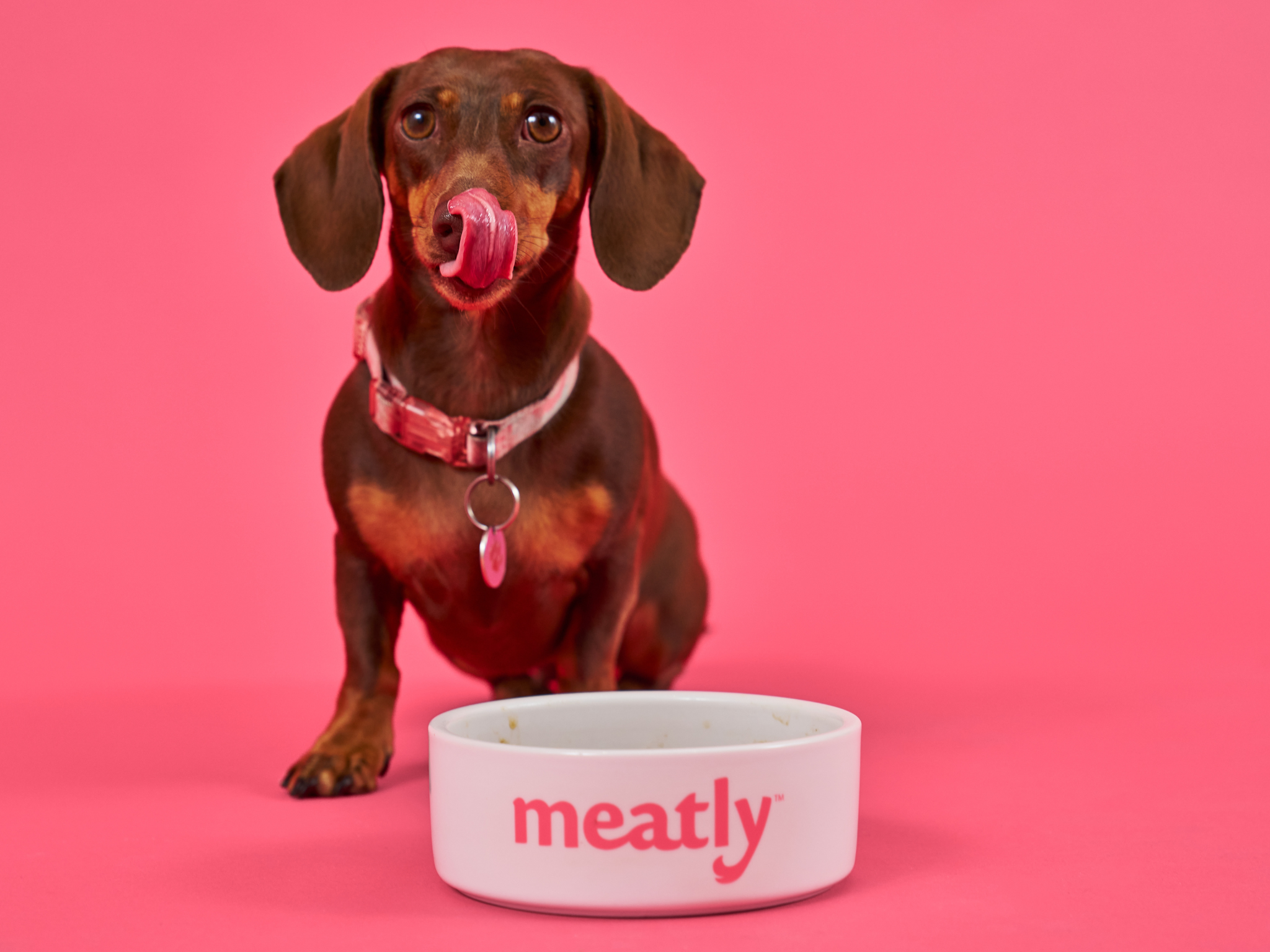
On the latter, tests by cultivated pet food maker Meatly have shown that half of the dogs who ate its chicken continued licking the bowl after completing it. And 75% of owners reported higher enjoyment than their pet’s baseline diet.
The survey in Animals found “increased acceptance of all alternatives (except animal-free) with increasing education”, and that people in Europe and Oceania were “more accepting of animal-free and cultivated-meat-based dog food relative to UK guardians”.
Cat owners value pet health over everything else

In the second study, the researchers polled nearly 1,400 cat guardians and found similar results. Nine in 10 (89%) of them fed their cats conventional or raw meat-based diets.
And as is the case with dogs, health and nutrition are the top purchasing factors for cat food too, with maintenance of pet health and nutritional soundness the key subsets.
More than half (51%) considered at least one sustainable option to be an acceptable alternative. Cultivated meat, again, was the top choice (33%), followed by vegan (18%) and vegetarian diets (14%).
So what attributes do companies need to tune up in order for these consumers to realistically consider feeding their cats an alternative diet? Improved pet health is the most important outcome here (83%), but nutritional soundness (81%) and palatability (76%) aren’t far behind.
Cats have been found to like cultivated meat, with early palatability tests from BioCraft Pet Nutrition (which makes a cultured mouse mousse) exhibiting “exceptional acceptance rates”. In fact, taste tests have demonstrated a strong preference for its product over conventional meat among felines.
In both studies, guardians who themselves reduced or avoided meat were significantly more open to alternative diets for their pets. Age was also a factor, with older consumers less receptive to these novel foods.
“Recent studies have demonstrated our dogs and cats collectively consume a substantial proportion of all-farmed animals,” said Andrew Knight, an adjunct professor at Griffith University, who co-led the research.
“Pet diets such as those based on plant-based ingredients or cultivated meat could transform the pet food system, lowering adverse impacts for farmed animals and the environment,” he added.