

With A Rebrand & Clean-Label Push, Can Beyond Meat Revive US Interest in Plant Protein?

Beyond Meat is undergoing a transformation, the latest instance being the expansion of its Clean Label Project Certified portfolio, which now covers over 20 products, including its new protein drinks.
Building on its repositioning as a Plant Protein Company rather than just a purveyor of the most well-known meat alternatives on the planet, Beyond Meat is now targeting America’s penchant for clean-label foods.
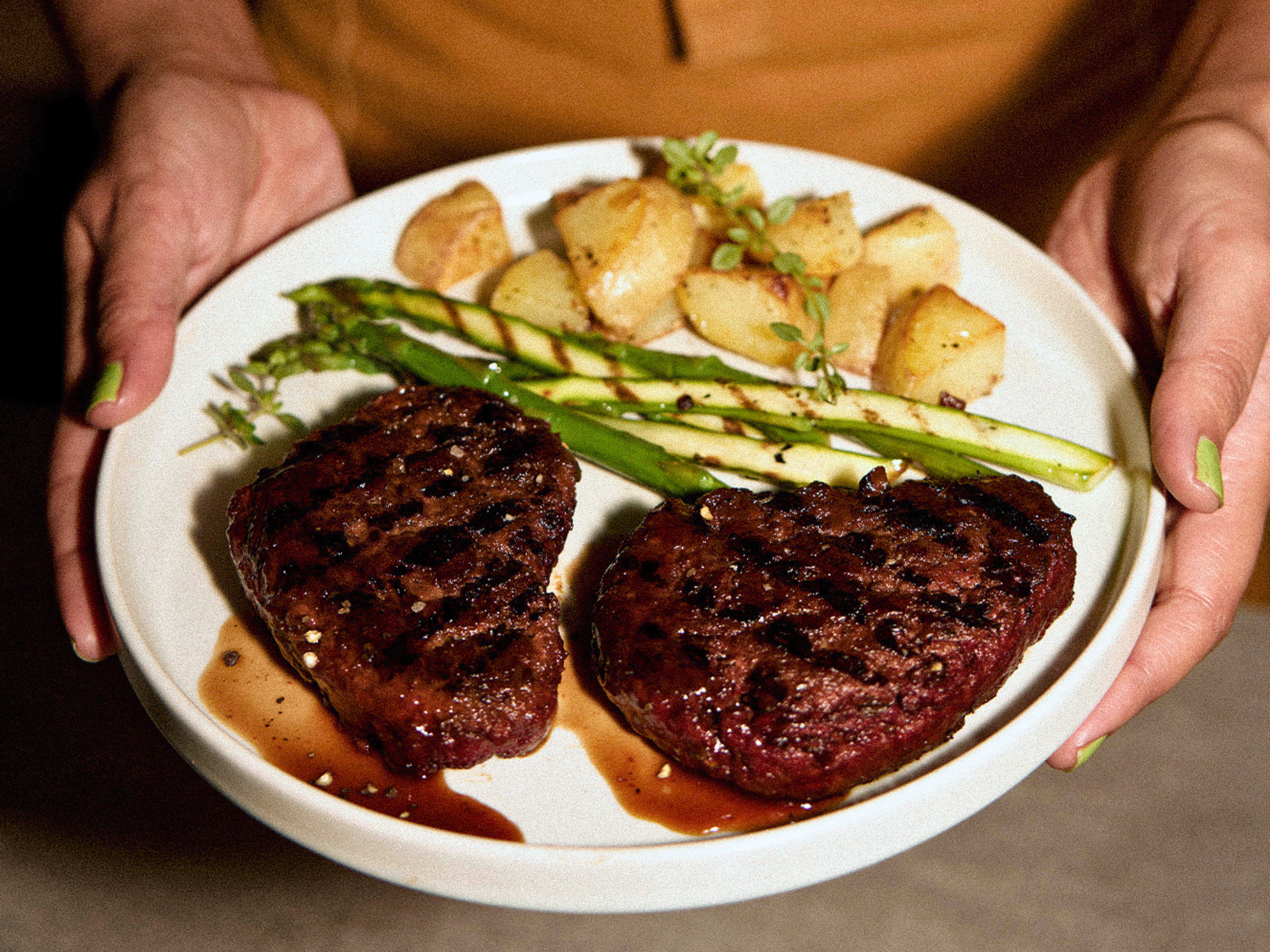
The Nasdaq-listed firm now has more than 20 products certified by the Clean Label Project, with the designation now awarded to its mycelium-based steak filet, its non-meat-mimicking fava bean mince, and Beyond Immerse, its new line of sparkling protein drinks.
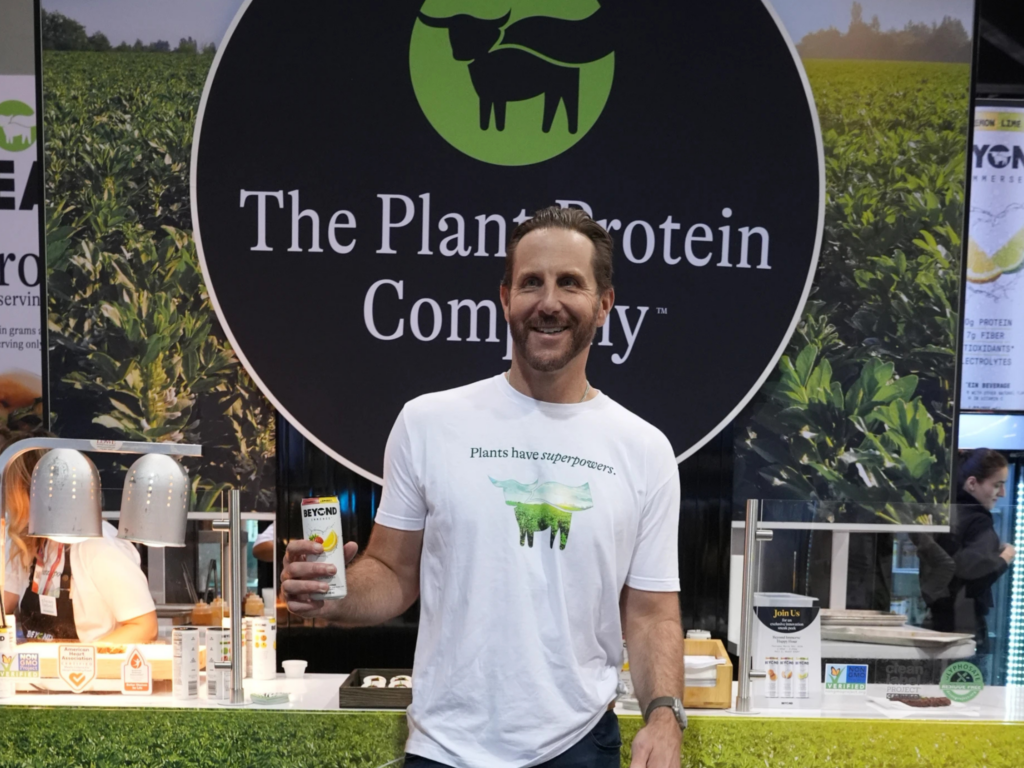
This makes it the first company to earn the recognition for ready-to-drink protein beverages, and comes amidst its rebrand to Beyond The Plant Protein Company, or simply Beyond.
The move follows several quarters of declining sales for the maker of the Beyond Burger, whose share price fell to an all-time low, leading the company to become a meme stock, deny rumours of bankruptcy, and receive a delisting warning from Nasdaq.
With the rebrand, Beyond is looking, well, beyond meat with a push into the wider plant protein category. And it will hope its clean-label certifications will draw consumers back.
“Third-party certifications like Clean Label Project validate the standards we hold ourselves to every day as we deliver the power of plants to the consumer,” said Beyond founder and CEO Ethan Brown. “Our commitment to clean and healthful ingredients defines us, and we are pleased to see this external recognition.”
Interest in clean-label products intensifies
Clean-label has evolved from being an industry buzzword to a core product attribute in the CPG sector. In 2025, over one in three food and beverage launches in North America contained a clean-label claim, with no additives/preservatives being the top attribute highlighted, according to Innova Market Insights.
This has been driven by growing concerns about ultra-processed foods (UPFs), with plant-based meat alternatives and additive ingredients at the center of the backlash. Against many health experts’ warnings, consumers have conflated processing levels with nutrition.
Today, 79% of Americans feel UPFs are a “significant threat” to public health, and 82% believe the fewer artificial or unfamiliar ingredients a food has, the healthier it is. Plus, 69% check labels to avoid highly processed ingredients, and 80% prefer familiar ingredients over artificial additives.
One of the accusations levelled at ultra-processed products is that they have too many ingredients. Beyond has long been associated with this tag, thanks to the meat lobby.
In 2020, the Center for Consumer Freedom ran a Super Bowl ad featuring Spelling Bee participants struggling with words like methylcellulose, a key component of meat alternatives. “If you can’t spell it or pronounce it, maybe you shouldn’t be eating it,” the ad claimed.
Beyond has responded with ad campaigns spotlighting farmers and cleaner ingredients, as well as a short documentary aimed at addressing the misinformation surrounding this narrative.
To ease consumer concerns, it has continued to pursue Clean Label Project certification. The problem with clean-label claims, however, is that their definition is blurry. In some cases, consumers take it to mean that a product has a short list of easy-to-understand ingredients.
In other cases, such as the Clean Label Project’s accreditation, the definition is more focused on screening products for harmful environmental toxins (such as heavy metals, pesticides, and plasticisers) and on ingredient quality. Either way, Beyond hopes the expansion of its certified portfolio will set a “new benchmark for transparency and purity” among consumers.
Beyond Meat’s clean-label push dovetails with rebrand
“Earning Clean Label Project certification across more than 20 products demonstrates Beyond Meat’s continued focus on transparency and product quality,” said Molly Hamilton, executive director of the Clean Label Project.
“Our programme is designed to recognise brands that take proactive steps to evaluate and address contaminants in the products consumers rely on every day. These certifications underscore Beyond Meat’s commitment to accountability and exceeding the status quo.”
It comes as food safety becomes central to consumer purchases in the US, a shift accelerated by Health Secretary Robert F. Kennedy Jr’s Make America Healthy Again (MAHA) movement. He has promised to act on a petition by former FDA Commissioner David Kessler, which urges the agency to revoke the GRAS status of several additives and eliminate them from the food supply.
The clean-label accreditation now covers Beyond Immerse, which launched in January, sold out quickly, and was expanded with new flavours weeks later. The range is part of the company’s rebrand, with which it aims to appeal to America’s appetite for protein through an expanded portfolio that doesn’t rely solely on meat alternatives.
“Our expansion into additional protein categories builds on our core competencies in an innovation-first approach, culinary standards, and sustainability principles that define us, and strengthens our ability to meet more consumer needs,” a Beyond spokesperson told Green Queen this month.
“It puts less focus on mimicry, an increasingly complicated and limiting frame, and more focus on the high-quality plant protein products we offer. It also gives us room to grow beyond centre-of-the-plate protein and meet a broader range of consumer protein needs over time,” they added.
Further, the company confirmed that it “remains committed to category leadership in plant-based meat”, despite Brown telling the Associated Press that “it’s just not the moment for plant-based meat right now”.
With the rebrand, new products, and an expanded clean-label portfolio, can Beyond regain its stride?