

60% of Brits & Germans Would Buy Blended Meat If Taste & Price Expectations Are Met

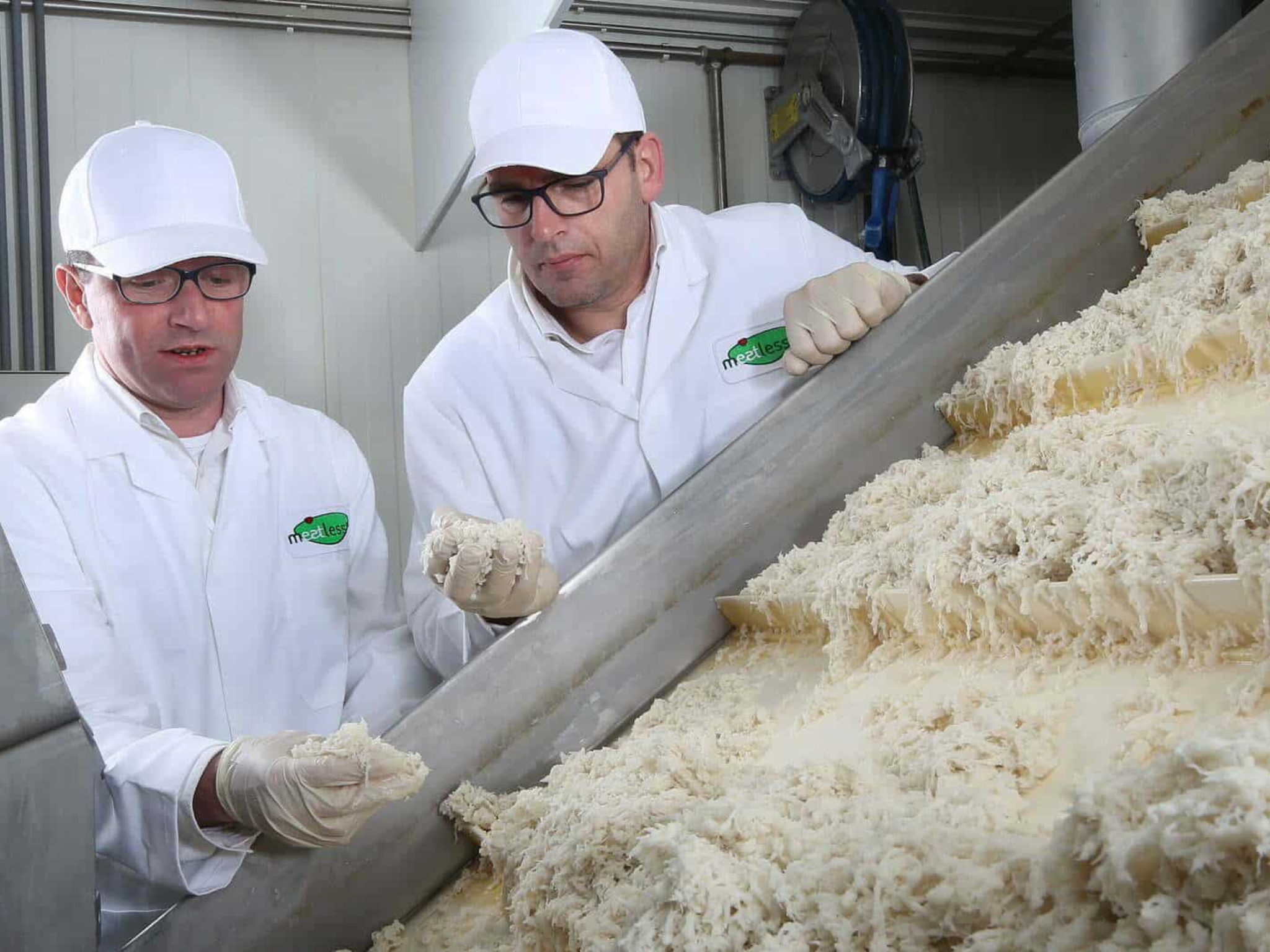
In Europe’s two largest markets for alternative proteins, around three in five consumers are open to buying blended meat if their taste and price meet expectations.
Last year, a large survey in the UK and Germany found that half of respondents want to change their diets by either reducing meat intake or eating more plant-based foods.
So it should come as no surprise, then, that consumers in these countries – the two biggest regions for alternative proteins in Europe – are open to trying blended meat.
These proteins combine meat with alternative proteins, such as plant-based or fermentation-derived options, reducing the climate and health harms associated with conventional meat.
A new poll by Meatless, a blended meat subsidiary of German food company Beneo, suggests that around 60% of Brits and Germans would be willing to buy these ‘balanced protein’ products, if they tasted good and were offered at an acceptable price point.
“As one of the first suppliers to focus on hybrid solutions, Meatless has long believed in the power of combining meat and plants,” said Niels E Hower, managing director of Meatless. “Our survey confirms that this pragmatic approach of reducing meat by maintaining great taste is key.”
Blended sausages for the win

The poll involved 3,500 consumers from the UK, Germany and the Netherlands, and found that purchase intent is heavily driven by the positive associations with the meat component of blended proteins, rather than the plant-based one.
Realistic taste and texture are fundamental requirements for these products to appeal to consumers, with high quality, meat certifications, and premium cuts also strong motivators.
In Germany, additive- or preservative-free claims are among the most important drivers towards blended meat, so clean-label messaging and information about meat quality are key for companies to attract this demographic. Animal welfare and ingredient origin play an important role, too.
Nutritional aspects are especially important in the UK, where ‘high-protein’ was among the top statements driving purchase intent – for Gen Zers and millennials, this was the most influential factor. So health-forward marketing and meat quality cues are essential to drive the consumption of blended meat in this country.
In terms of product formats, blended sausages are the clear favourite for shoppers in the UK, where nearly half of respondents favour this application, followed by minced meat (33%) and burgers (15%). This is true for Germany, too: 52% of consumers would prefer blended meat in a sausage format, 27% as mince, and 11% as burgers.
Another common theme in both countries is the share of the population identifying as flexitarian – 40% in the UK and around 50% in Germany. And when given a choice between 100% meat and blended proteins, Brits chose the latter across all three formats, and Germans in nearly every format.
Interest in blended meat grows as animal protein gets pricey
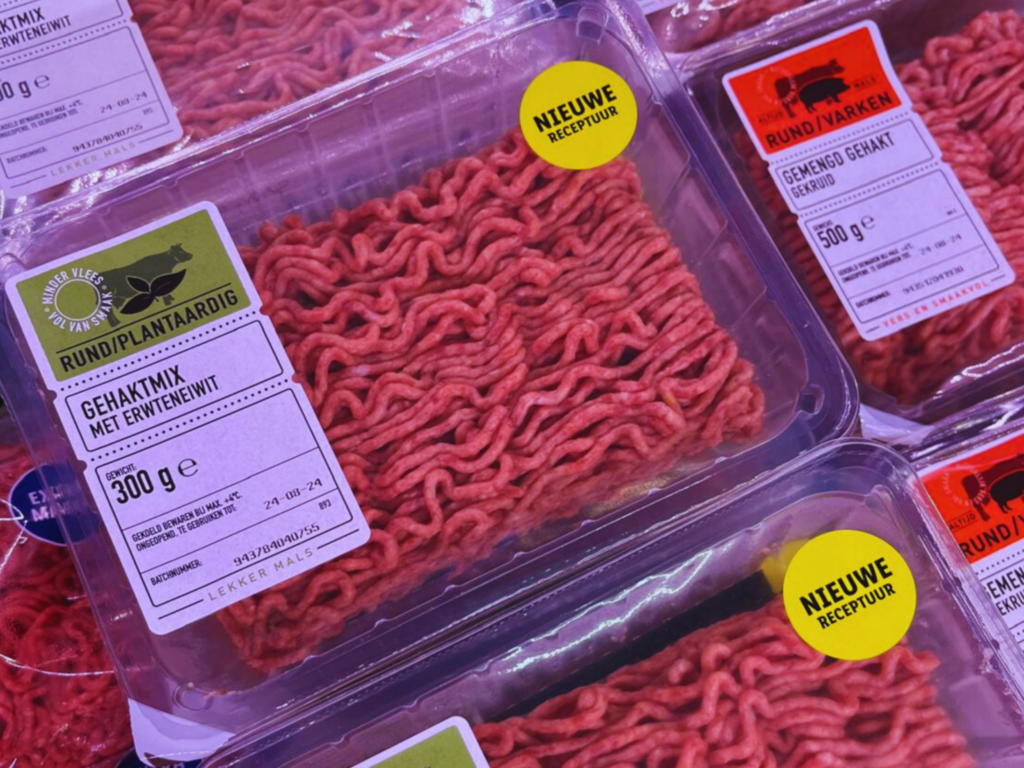
Meatless, which was acquired by Beneo in 2022, makes texturates from ingredients like fava beans, rice and mycoprotein, selling them to manufacturers to develop blended meat products with a familiar meaty flavour and improved juiciness and nutrition. Its ingredients lower the associated costs by over 15% and emissions by 90%.
“We are supporting our customers in creating products that fit seamlessly into everyday eating habits and are confident that hybrid will establish itself as a concept that is here to stay, helping to overcome sustainability and availability challenges of the meat category,” said
Blended meat is becoming increasingly popular across Europe, with several retailers launching private-label products combining animal and plant proteins. The Netherlands is leading the shift (where blended proteins are 4.4% cheaper than meat and dairy), and supermarkets in Germany have also dived into this category.
Price is a key driver of dietary change. Since 2020, the average cost of meat in British supermarkets has risen over six times faster than that of shelf-stable beans, driving retail volumes of fresh meat down by 40 tonnes below pre-pandemic levels.
And in Germany, meat prices have grown over three times as fast as plant-based proteins, making vegan alternatives cheaper than processed meat now. Moreover, plant-based shopping baskets are now, on average, more affordable in most supermarkets across the country.
Meatless recognized blended meat’s cost-cutting potential and, to highlight the improvements, has designed a cost calculator for manufacturers to compare current receipts with blended alternatives on costs, carbon footprints, saturated fat levels, and energy use.